Ginger is one of the most widely used culinary and medicinal roots in the world. Its warm, spicy bite flavors teas, stir-fries, soups, baked goods, and modern smoothies, while its golden interior signals a dense mix of bioactive compounds. For centuries, ginger has been used to calm queasy stomachs, ease cold-weather chills, and support circulation and joint comfort. Today, research is exploring how ginger may influence nausea, pain, blood sugar, blood pressure, and markers of inflammation and oxidative stress.
At the same time, not all ginger products are equal. Fresh root, powders, candies, capsules, and extracts differ in potency and effects. Dose, preparation, and individual health status all shape whether ginger is helpful, neutral, or occasionally problematic. This article explains how ginger works in the body, what science currently supports, how to select and prepare it, and what to consider if you have medical conditions, take medications, or are pregnant.
Ginger Fast Facts
- Regular culinary use of ginger may support nausea relief, digestive comfort, and healthy inflammatory balance.
- Human trials suggest ginger supplements can modestly improve nausea in pregnancy, blood sugar, and blood pressure in certain groups.
- A practical food-level intake is about 2–5 grams fresh ginger or 0.5–1 gram dried powder once or twice per day with meals.
- High doses or concentrated extracts can irritate the stomach and may increase bleeding risk if combined with anticoagulant medications.
- People with bleeding disorders, gallstones, significant reflux, or who are pregnant and considering supplements should seek medical advice before using high-dose ginger.
Table of Contents
- Ginger Root in Tradition
- Ginger Nutrition and Compounds
- Evidence-Based Benefits of Ginger
- Ginger Risks, Allergies and Interactions
- Choosing Ginger Quality and Storage
- Preparing Ginger and Retaining Nutrients
- Ginger Portions, Comparisons and FAQs
Ginger Root in Tradition
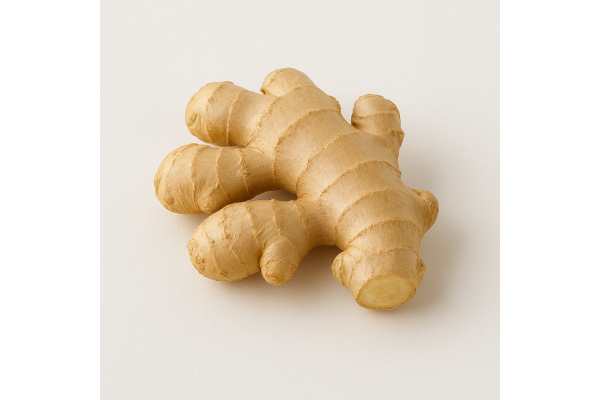
Ginger (Zingiber officinale) is a flowering plant whose underground stem, or rhizome, is the familiar knobbly root found in markets. It originated in Southeast Asia and spread along historic trade routes into India, China, the Middle East, Africa, and Europe. Over time, it became central to both savory cooking and traditional healing systems.
Culinarily, ginger is remarkably flexible. Fresh ginger adds brightness and heat to stir-fries, curries, noodle dishes, and marinades. Sliced or crushed ginger simmered in water creates soothing teas and broths. Dried ground ginger lends warm spice notes to baked goods, spice blends, and rubs. Pickled ginger is a standard condiment in Japanese cuisine, often served with sushi. Candied ginger appears in desserts and snacks, where sugar balances its pungency.
In traditional medicine, ginger has long been used as a “warming” herb thought to stimulate circulation, aid digestion, and ease nausea. It has been consumed as decoctions, powders, and poultices for a wide range of complaints, from motion sickness and morning sickness to joint stiffness and respiratory congestion. While historical uses were not based on modern clinical trials, they laid the groundwork for current scientific interest in ginger’s active molecules and physiological effects.
Ginger’s characteristic flavor comes from a family of phenolic compounds. When fresh ginger is grated or crushed, it releases gingerols, which offer more “bright” heat. Heating and drying convert part of this gingerol fraction to shogaols and other related molecules with a deeper, sometimes sharper pungency. These compounds, along with volatile aromatic oils, are central to both ginger’s sensory properties and its biological effects.
Today, ginger is marketed in several forms:
- Fresh roots (young and mature).
- Dried slices or powder.
- Crystallized or candied ginger.
- Ginger teas, syrups, and drinks.
- Capsules and tablets with standardized extracts.
- Topical preparations such as patches or creams.
Each form offers different strengths. Fresh and powdered ginger are best suited for everyday cooking and moderate health support within meals. Standardized capsules and extracts provide more controlled dosing for research or targeted therapeutic use but also carry greater risk of interactions or side effects if used without guidance.
Understanding this background makes it easier to place ginger in context: it is both a beloved culinary spice and a potent plant medicine. How you use it determines where it falls on that spectrum.
Ginger Nutrition and Compounds
From a basic nutrient perspective, ginger is not a staple food but a concentrated flavoring. Per 100 grams of raw ginger, there are roughly 80 kilocalories, about 18 grams of carbohydrate, less than 1 gram of fat, and around 2 grams of protein. Most of this weight is water and starch. A typical serving in cooking, however, is much smaller—often 2–5 grams—so its contribution to daily macronutrient intake is modest.
Micronutrients in ginger include potassium, magnesium, small amounts of vitamin C, and some B vitamins. Ginger powder, due to water removal and concentration, contains higher levels of minerals per gram but is also used in tiny quantities. Because of these small serving sizes, ginger is not generally counted on as a major source of vitamins or minerals.
The real interest lies in ginger’s phytochemicals:
- Gingerols: A group of phenolic compounds responsible for much of the pungency in fresh ginger. The best known is 6-gingerol, often used as a marker in research.
- Shogaols: Formed when ginger is dried or heated; 6-shogaol is one of the more studied. Shogaols are often more pungent and may have stronger anti-inflammatory and antioxidant actions in experimental models.
- Zingerone and paradols: Additional phenolic compounds formed from gingerols and shogaols, contributing to both flavor and biological activity.
- Essential oils: Volatile aromatic constituents such as zingiberene, bisabolene, and other terpenes that contribute to fragrance and may have antimicrobial and anti-inflammatory effects.
- Polysaccharides and minor constituents: Including small amounts of fiber and various other secondary metabolites.
These compounds act as antioxidants, influence inflammatory signaling pathways, and may affect neurotransmitter systems, smooth muscle contractility, and gastrointestinal motility. Laboratory studies show that gingerols and shogaols can modulate pathways involving nuclear factor kappa B, cyclooxygenase enzymes, and various cytokines associated with inflammation. They also appear to influence receptors and channels involved in pain perception and nausea.
Processing changes the balance of these constituents. Fresh ginger provides more gingerols, while dried and heated ginger has higher proportions of shogaols. Gentle drying methods tend to preserve more of the overall phenolic content and antioxidant capacity. Long storage, high heat, and exposure to light or air can degrade some sensitive compounds and diminish both flavor and potential health effects.
Another important nuance is bioavailability. Gingerols and shogaols are absorbed and metabolized in the gut and liver, where they are converted to various conjugated forms. These metabolites circulate in the body and may be responsible for many of ginger’s systemic effects. Taking ginger with food that contains fat appears to enhance the absorption of some of these fat-soluble components.
In practical terms, it is helpful to think of ginger as a “phytonutrient booster” rather than a provider of large amounts of classical nutrients. Small, regular amounts contribute a steady trickle of bioactive molecules that, over time, can support resilience against oxidative and inflammatory stress when combined with a balanced diet rich in vegetables, fruits, whole grains, legumes, and healthy fats.
Evidence-Based Benefits of Ginger
Ginger is one of the better-studied culinary herbs, with human trials exploring its effects on nausea, pain, metabolic health, and markers of inflammation and oxidative stress. While not every claimed benefit is strongly supported, several areas have meaningful evidence.
Nausea and vomiting
Ginger is widely used for nausea, particularly:
- Nausea and vomiting in early pregnancy.
- Motion sickness.
- Postoperative nausea.
- Nausea related to certain medications or procedures.
Multiple randomized controlled trials and meta-analyses in pregnant individuals with early-pregnancy nausea suggest that ginger, often around 1 gram per day of powdered root divided into several doses, can significantly improve nausea compared with placebo, with a modest or inconsistent effect on vomiting. Overall, ginger appears generally well tolerated at these doses in early pregnancy, though long-term safety data remain more limited, and individual assessment is still recommended.
For motion sickness, some trials indicate that ginger may reduce severity of nausea and vomiting and improve subjective comfort, though results are mixed and sometimes influenced by dose and preparation. Ginger does not act like standard antiemetic medications; instead, it seems to work partly by affecting gastrointestinal motility and central nervous system pathways related to nausea perception.
Digestive comfort
Ginger has a reputation as a “stomach-settling” spice. Experimental work suggests that it can:
- Enhance gastric emptying in some contexts.
- Reduce feelings of fullness or bloating.
- Promote mild prokinetic effects, helping move food along the digestive tract more efficiently.
In real-world terms, small amounts of ginger tea or ginger in meals may help some people feel more comfortable after eating, particularly after rich or heavy dishes. However, in others, especially at higher doses, ginger can cause heartburn or irritation, so responses are individual.
Pain and inflammation
Ginger has been studied for osteoarthritis and musculoskeletal pain. Trials using standardized ginger extracts in doses around 500–1,500 mg per day have reported modest improvements in pain scores and function in some participants, though not all analyses show clear superiority to placebo. Topical formulations and patches containing ginger also show promise for localized pain.
On a mechanistic level, gingerols and shogaols can inhibit pathways that lead to the production of pro-inflammatory prostaglandins and cytokines. Clinical studies often find reductions in high-sensitivity C-reactive protein and other inflammatory markers with ginger supplementation, particularly in individuals with chronic metabolic or inflammatory conditions.
Metabolic health
Ginger has been tested in people with type 2 diabetes and metabolic syndrome. Systematic reviews and meta-analyses of randomized trials suggest that ginger supplementation can:
- Lower fasting blood glucose and glycated hemoglobin to a modest degree.
- Reduce systolic and diastolic blood pressure by a few millimeters of mercury in some groups.
- Improve select measures of insulin sensitivity.
Results for lipid profiles are more mixed. Some analyses report improvements in total and LDL cholesterol and triglycerides, while others find little effect. Differences in dose, duration, baseline risk, and the specific ginger preparation likely contribute to variability.
In obesity and related conditions, emerging research points to “immunometabolic” effects. Ginger compounds have been shown in experimental models to reduce fat accumulation in adipose tissue, improve lipid handling in the liver, and lower levels of pro-inflammatory cytokines. Human data are still developing but suggest that ginger may be a useful adjunct to lifestyle changes for body weight management and metabolic risk reduction.
Antioxidant and general support
Ginger’s phenolics and volatile compounds exhibit clear antioxidant properties in laboratory assays. Human trials frequently show decreased markers of oxidative damage and improved antioxidant enzyme activity after ginger supplementation. These effects, combined with anti-inflammatory actions, likely underlie much of ginger’s broad cardiometabolic and neuroprotective interest.
It is important to emphasize that ginger should not be viewed as a stand-alone treatment for serious conditions. Instead, its most realistic role is as a supportive component of a wider plan that includes diet, movement, sleep, and appropriate medical care.
Ginger Risks, Allergies and Interactions
For most people, moderate culinary use of ginger is safe. However, high intakes, concentrated supplements, and certain health situations can shift the risk profile. Understanding these issues helps you use ginger wisely.
Gastrointestinal effects
In low to moderate doses, ginger often feels soothing. At higher doses, it can irritate. Potential side effects include:
- Heartburn or acid reflux.
- Stomach upset or abdominal discomfort.
- Loose stools in sensitive individuals.
These effects are more likely when ginger is taken as strong tea or capsules on an empty stomach, or when total daily intake climbs well beyond typical food-level amounts. People with existing reflux, gastritis, or peptic ulcers should introduce ginger cautiously and avoid very concentrated preparations unless advised otherwise.
Allergy and intolerance
True allergy to ginger is uncommon but does occur. Symptoms may involve:
- Skin reactions such as hives or rashes.
- Oral itching or swelling of lips, tongue, or throat.
- Respiratory symptoms in more severe cases.
Anyone with suspected ginger allergy should avoid ginger and seek evaluation from an allergy specialist. Cross-reactivity with other plants is possible but not universal.
Intolerance is more common, particularly in individuals with irritable bowel syndrome or fermentable-carbohydrate sensitivity. Ginger contains fermentable carbohydrates that can trigger bloating, gas, and discomfort in some people, especially when consumed in larger amounts.
Bleeding risk and anticoagulant therapy
Ginger can influence platelet function and mild antithrombotic activity has been observed in experimental studies. At culinary doses, this effect appears small, but at high intakes or in supplement form it may become clinically relevant.
People at higher risk include those who:
- Take vitamin K antagonists or direct oral anticoagulants.
- Use antiplatelet drugs such as aspirin or clopidogrel.
- Have bleeding disorders or a history of significant bleeding.
- Are scheduled for surgery or invasive dental procedures.
Case reports describe increased bleeding in individuals consuming large amounts of ginger while on anticoagulants. Reviews of herb–drug interactions advise caution rather than absolute avoidance, but they highlight that excessive use of ginger can, in theory, enhance bleeding risk. It is prudent for anyone on blood-thinning therapy to discuss ginger supplements or unusually high intakes with their prescriber.
Other medication interactions
Because ginger may lower blood sugar and blood pressure in some people, combining high doses with medications for diabetes or hypertension can, in theory, contribute to hypoglycemia or low blood pressure. Those on such medications should monitor how they feel when increasing ginger intake and consult their healthcare team before using concentrated supplements.
Ginger may also affect how some drugs are handled in the body through enzyme or transporter interactions, though human data are limited. Anyone taking multiple critical medications should treat herbal products, including ginger, with the same respect as medications.
Pregnancy, breastfeeding, and special populations
Culinary amounts of ginger in food and tea are commonly used in pregnancy and are generally considered acceptable in healthy individuals. Clinical trials using around 1 gram per day of ginger powder for pregnancy-related nausea have not shown clear evidence of major harm, but long-term and high-dose safety data remain relatively limited. Pregnant or breastfeeding individuals considering ginger supplements should discuss this with their obstetric or primary care provider.
Children can usually consume ginger as part of family meals, but strong ginger teas or capsules are rarely necessary and should not be given without professional advice.
Overall, ginger is low risk at normal culinary levels. The main concerns arise with high doses, supplements, bleeding risk, specific digestive conditions, and complex medication regimens. In those situations, caution and personalized guidance are appropriate.
Choosing Ginger Quality and Storage
High-quality ginger is more fragrant, more flavorful, and more likely to deliver its full range of beneficial compounds. Paying attention to how ginger is grown, processed, and stored also supports safety and sustainability.
Fresh ginger
When buying fresh ginger root:
- Look for firm, heavy pieces with smooth or lightly wrinkled skin.
- Avoid roots that feel soft, shriveled, moldy, or have large dark spots.
- When snapped or cut, the interior should be moist, fibrous but not dry, and pale yellow to light golden.
- A quick scratch of the skin with your fingernail should release a clean, bright, spicy aroma.
Young ginger, when available, has thinner, more tender skin and a milder flavor, ideal for pickling or quick stir-fries. Mature ginger has tougher skin and more intense taste, better for long-cooked dishes, teas, and infusions.
Dried ginger and powders
For dried slices and powders:
- Choose products that list ginger as the sole ingredient if possible.
- Avoid powders that have a flat or “dusty” smell, suggesting age or poor storage.
- Check for a best-before date and intact packaging to reduce the risk of moisture damage.
- Be cautious with extremely inexpensive, unbranded powders that may have variable quality or unwanted contaminants.
Powders and granules are convenient for baking and spice blends but lose volatile oils over time. Smaller containers that you can finish within several months often retain flavor better than very large jars that sit open for years.
Supplements and extracts
If considering ginger supplements:
- Look for clear labeling of the amount of ginger per capsule or tablet and any standardization to specific compounds such as gingerols.
- Seek information about quality testing for identity, potency, and contaminants.
- Favor manufacturers that describe their sourcing and quality-control practices.
Because supplements can deliver much higher doses than food, they should be chosen with the same care you would apply to medications, and ideally under professional supervision.
Sustainability and safety
Ginger is grown in many parts of the world. Sustainable production involves:
- Thoughtful use of fertilizers and pest management to protect soil and waterways.
- Adequate worker protections and fair labor practices.
- Responsible water use in regions where irrigation is needed.
While detailed sustainability data are not always available at the retail level, buying from companies that emphasize responsible sourcing and third-party testing can help. Regular monitoring programs have highlighted that some spices may carry residues of pesticides or heavy metals. Choosing reputable brands and varying your spice use over time can reduce the risk of heavy reliance on any single product.
Storage tips
To preserve quality at home:
- Store fresh ginger in the refrigerator, ideally wrapped in a slightly damp paper towel and placed in a breathable bag or container. Properly stored, it can last two to three weeks.
- For longer storage, peel and slice ginger, freeze the pieces on a tray, then transfer to an airtight container. Frozen slices can be grated or added directly to hot dishes.
- Keep dried ginger and powders in airtight containers in a cool, dark cupboard away from heat and moisture.
- Do not shake the jar directly over steaming pots, as this introduces moisture and encourages clumping.
Replace ginger that smells musty, has visible mold, or has lost most of its aroma. Fresh, fragrant ginger is the best indicator that active compounds and culinary value are still present.
Preparing Ginger and Retaining Nutrients
How you handle and cook ginger strongly influences its flavor and the profile of compounds that reach your plate. Gentle, thoughtful preparation can help you enjoy ginger while preserving more of its beneficial components.
Basic preparation
For fresh ginger:
- Rinse the root and scrub off any soil.
- Trim away dry ends or damaged spots.
- Peel if the skin is thick or fibrous; young ginger can sometimes be used with the skin on. A spoon works well for scraping curved surfaces.
- Slice, julienne, or grate depending on the recipe.
Different cuts produce different effects:
- Thick slices are ideal for infusions and broths, where they are later removed.
- Thin matchsticks or minced ginger disperse more evenly in stir-fries and sauces.
- Finely grated ginger releases the most juice and intense flavor, useful for marinades, dressings, and teas.
Cooking methods
Ginger’s key compounds respond differently to heat:
- Short, moderate cooking (for example, quick stir-frying) generally preserves gingerols and essential oils while mellowing the sharpness.
- Longer simmering transforms some gingerols into shogaols and other derivatives, deepening the flavor and changing the bioactive profile.
- Very high heat in dry conditions can burn ginger, creating bitterness and destroying delicate compounds.
Practical strategies include:
- Adding ginger early in moist dishes like soups or stews to build a deep base note, then adding a small amount near the end for brighter aroma.
- Gently sautéing ginger with garlic and onion in oil at moderate heat, avoiding browning too quickly.
- Simmering sliced ginger in water for teas rather than aggressively boiling it for long periods.
Pairing ginger with a source of fat, such as oil or coconut milk, may enhance absorption of fat-soluble components and improve flavor distribution.
Maximizing beneficial compounds
Some practical tips to support both taste and potential health benefits:
- Use freshly cut or grated ginger rather than ginger that has been sitting exposed for long periods, as air and light can degrade sensitive constituents.
- In recipes where ginger is added to very hot oil, keep the heat moderate and add other ingredients (such as vegetables or liquid) before the ginger darkens.
- For teas and infusions, allow sliced ginger to steep covered for 5–10 minutes after simmering gently, which helps capture volatile aromas that might otherwise escape with steam.
Powdered ginger is convenient, especially in baking, where extended oven time will inevitably change some of its compounds. Even so, it still contributes flavor and some residual activity, and baked goods are usually eaten as part of a broader pattern of intake.
Culinary applications across meals
Ginger can fit into many eating patterns:
- Breakfast: Ginger-infused oatmeal, smoothies with ginger and fruit, or ginger-spiced granola.
- Lunch: Stir-fries with ginger, garlic, and a variety of vegetables; ginger-lime dressings for salads or grain bowls.
- Dinner: Curries, braised dishes, and soups featuring ginger with herbs and spices.
- Snacks and beverages: Ginger teas, sparkling water with ginger slices and citrus, roasted nuts or chickpeas dusted with ginger and other spices.
By using ginger in small amounts throughout the day in different dishes, you distribute its flavor and potential benefits without relying on large, concentrated doses that may be less well tolerated.
Ginger Portions, Comparisons and FAQs
Because ginger sits at the intersection of food and medicine, dosage questions are common. There is no single official recommended intake, but research and culinary practice provide helpful ranges.
Typical food-level portions
For adults without specific contraindications:
- Fresh ginger: About 2–5 grams at a time (roughly a slice 2–3 centimeters long or 1–2 teaspoons of grated ginger) is a common culinary amount per meal.
- Dried ginger powder: Around 0.5–1 gram at a time (about ¼–½ teaspoon), adjusted for personal taste and tolerance.
Many people comfortably consume ginger once or twice daily in meals or teas. Spreading intake out rather than taking large amounts at once can improve tolerability.
Supplement doses in studies
Clinical trials often use:
- Around 1 gram per day of dried ginger powder for pregnancy-related nausea, divided into multiple doses.
- Between 1 and 3 grams per day of standardized ginger powder or extract for metabolic outcomes or pain, again usually split into several doses and taken with meals.
These studies typically last from several weeks to a few months. While trial results guide our sense of what ranges are likely to be effective and reasonably safe, they are not direct prescriptions for everyone.
Anyone considering supplement-level intake should take into account their overall health, medications, and the specific product’s concentration and instructions, ideally in consultation with a healthcare professional.
Comparing ginger to related roots and products
- Ginger vs. turmeric: Turmeric is more strongly associated with joint and inflammatory conditions in popular use, while ginger is more associated with nausea and digestive comfort. Both have overlapping and complementary properties, and they are often used together in cooking.
- Ginger vs. galangal: Galangal has a more pine-like, citrusy flavor and is central in Southeast Asian cuisines. It shares some phenolic patterns with ginger but is not interchangeable in flavor or research evidence.
- Fresh ginger vs. powdered ginger: Fresh ginger emphasizes gingerols and is often preferred for teas and stir-fries. Powdered ginger is convenient for baking and spice blends and contains more shogaols due to drying. Both can contribute to healthful patterns.
Frequently asked questions
Is ginger safe every day?
For most people, using ginger daily in modest culinary amounts is acceptable. Those on anticoagulants, blood pressure or diabetes medications, or with significant gastrointestinal or gallbladder disease should discuss their intake with a clinician, especially if using supplements.
Can ginger help with weight loss?
Ginger alone is unlikely to cause substantial weight loss. However, it may support metabolic health and satiety when incorporated into an overall pattern that emphasizes whole, minimally processed foods and appropriate energy intake.
Is ginger safe in pregnancy?
Food-level intake is generally accepted as safe in otherwise healthy pregnancies, and several trials support its use in moderate doses for nausea. Nonetheless, pregnancy is a sensitive time, and any regular use of supplements or higher doses should be reviewed with a healthcare provider.
What is the maximum amount of ginger I should have in a day?
General guidance often suggests staying below about 4 grams of ginger per day from all sources for adults, unless otherwise directed by a professional. Sensitive individuals may need less, and supplement instructions may specify different upper limits.
Can children consume ginger?
Yes, in small amounts as part of food, assuming no allergy or intolerance. Strong ginger teas and supplements should not be given to children without professional advice.
Used thoughtfully, ginger can be a flavorful and supportive part of everyday eating rather than a quick fix. Its benefits are best realized when aligned with a broader approach to health that includes balanced nutrition, movement, and appropriate medical care.
References
- Pharmacological properties of ginger (Zingiber officinale): what do meta-analyses say? a systematic review 2025 (Systematic Review)
- Effects of ginger for nausea and vomiting in early pregnancy: a meta-analysis 2014 (Systematic Review and Meta-analysis)
- The effect of ginger supplementation on metabolic profiles in patients with type 2 diabetes mellitus: a systematic review and meta-analysis of randomized controlled trials 2022 (Systematic Review and Meta-analysis)
- The effect of oral supplementation of ginger on glycemic control of patients with type 2 diabetes mellitus: a systematic review and meta-analysis 2024 (Systematic Review and Meta-analysis)
- Risks of Oral Anticoagulants: Interactions with Drugs and Medicinal Plants 2025 (Narrative Review)
Disclaimer
This article is for general informational purposes only and is not a substitute for professional medical advice, diagnosis, or treatment. Ginger can influence symptoms and interact with medications, particularly blood thinners, blood pressure and diabetes drugs, and other therapies that affect clotting or metabolism. Always consult a qualified healthcare professional before making significant changes to your diet, starting or stopping supplements, or using ginger in higher-than-culinary amounts, especially if you are pregnant, breastfeeding, have chronic health conditions, or are scheduled for surgery.
If you found this guide helpful, you are kindly invited to share it on Facebook, X (formerly Twitter), or any platform you prefer. Sharing thoughtful, evidence-informed content helps others make informed choices and supports the continued creation of high-quality educational resources.