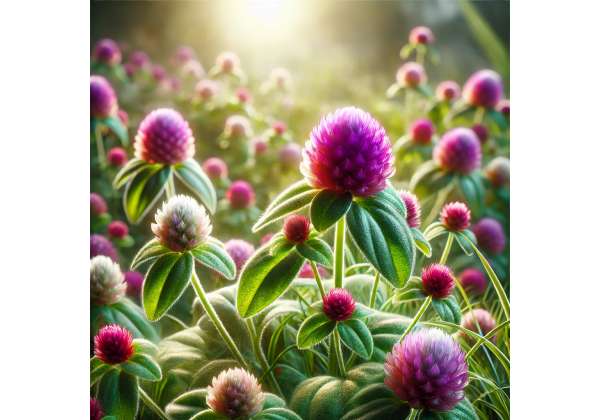
Globe amaranth is best known for its vivid, clover-like flower heads, but its appeal goes well beyond ornament. Botanically named Gomphrena globosa, it is an edible flowering plant used in traditional medicine, floral teas, natural colorant preparations, and more recently in research on antioxidant-rich plant extracts. Its dried blossoms are especially popular in infusions, where they release a pink to violet hue tied to betalains, the same broad pigment family that gives many brightly colored plants their visual intensity and part of their antioxidant reputation. What makes globe amaranth especially interesting is the gap between tradition and evidence: it has a long folk history for cough, throat discomfort, and general wellness, yet most modern research still centers on phytochemistry, food applications, and preclinical models rather than robust human trials. That makes it a promising but still cautious herb. For most readers, the most realistic value lies in tea, culinary decoration, and gentle food-based use rather than in high-dose medicinal self-treatment.
Core Points
- Globe amaranth is mainly used as a floral tisane and edible flower, with its strongest evidence centered on antioxidant-rich pigments and traditional tea use.
- Its standout compounds are gomphrenins and other betalains, plus phenolic compounds that likely drive most of its color and protective activity.
- A common tea preparation is about 1 to 2 teaspoons per cup, or about 2 tablespoons dried flowers per 1 L of hot water.
- Human medicinal dosing is not standardized, so concentrated extracts are harder to justify than ordinary tea use.
- People with flower allergies, pregnancy-related caution, or access only to ornamental pesticide-treated blossoms should avoid self-directed medicinal use.
Table of Contents
- What is globe amaranth
- Key compounds in globe amaranth
- What can globe amaranth help with
- How to use globe amaranth
- How much per day
- Safety and who should avoid it
- What the evidence actually says
What is globe amaranth
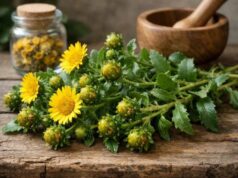
Globe amaranth is an annual flowering herb in the Amaranthaceae family, native to tropical America and now cultivated widely in Asia, Europe, and other warm regions as both an ornamental and a food-use flower. Its rounded flower heads can appear purple, magenta, white, or pink, and they dry exceptionally well, which helps explain why the plant became popular in floral teas and decorative herbal blends. In several traditional systems, the inflorescences have been used in cough syrups, soothing infusions, and mild wellness preparations rather than as a heavy-duty medicinal extract. Modern literature also treats it as an edible flower with growing relevance to functional foods and natural colorant research.
The part most often used is the dried flower head, not the root or seed. This matters because most of the recognizable chemistry, especially the colorful pigments called gomphrenins, is concentrated in the floral material. The flowers are often steeped whole, sometimes in “blooming tea” style preparations, and sometimes blended with lighter floral herbs. In that sense, globe amaranth sits closer to the world of floral tisane herbs than to roots or barks used for stronger medicinal dosing. Its best-known uses are sensory and supportive: color, aroma, a soft floral taste, and a traditional reputation for easing throat and respiratory discomfort.
A useful way to frame the plant is as a functional edible flower. That phrase captures two things at once. First, it has clear culinary value. Second, it contains enough interesting phytochemistry to justify scientific attention. But it also warns against treating it as a proven therapy. Globe amaranth is not backed by the same clinical tradition or monograph depth as chamomile, peppermint, or senna. What it has instead is a combination of traditional use, colorful chemistry, and early bioactivity data that makes it promising but still developing.
That middle ground is important for readers. Many herb articles force a plant into one of two extremes: miracle remedy or mere garnish. Globe amaranth fits neither. It is more valuable than a decorative flower, yet less established than a front-line medicinal herb. Its real strength lies in being gentle, approachable, and versatile. You can drink it, decorate with it, or incorporate it into food applications without pretending it has been clinically proven for every traditional claim attached to it.
Key compounds in globe amaranth
The chemistry of globe amaranth is richer than its soft floral taste suggests. The plant has been reported to contain a wide mix of secondary metabolites, and recent reviews note a broad profile that includes phenolic compounds, terpenoids, alkaloids, lipid compounds, carboxylic acids, and tocopherols. That alone tells you this is not a chemically simple flower.
The most recognizable compounds, however, are the betalains, especially the betacyanins known as gomphrenins. These pigments are responsible for the flower’s striking pink to violet color and are part of the reason globe amaranth is studied as a natural food colorant. In floral infusion research, gomphrenin and its related feruloyl, coumaroyl, and sinapoyl derivatives have been identified in meaningful amounts, with additional degradation products forming during hot-water brewing. This makes globe amaranth unusual among flower teas: the very process of infusion changes the pigment profile, which may affect both color and bioactivity.
Beyond pigments, globe amaranth contains phenolic compounds, especially flavonoid-linked constituents. Analytical work on its inflorescences has found numerous phenolic compounds, with decoctions and infusions showing notable phenolic yield in some preparations. That matters because phenolics help explain why the plant repeatedly appears in antioxidant screening papers. They do not prove a clinical effect, but they do make the plant biologically credible.
There is also a practical lesson in the chemistry: preparation changes the plant. A fresh flower, a dried tisane, a purified pigment extract, and a cosmetic formulation are not the same thing. Heat can trigger decarboxylation of gomphrenins, acid can reduce pigment stability over longer brewing, and food processing conditions can either preserve or degrade the color and antioxidant capacity of the plant. This is why claims about “globe amaranth benefits” need context. Which preparation are we talking about? Tea, extract, food coloring, or topical product? The answer changes what the plant can realistically do.
For readers used to more familiar pigment-rich herbs, a good comparison is other vividly colored flower infusions. But globe amaranth is chemically distinct because it is driven by betalains rather than anthocyanins. That distinction matters for stability, food use, and the way the plant behaves during brewing. The color is not just decorative. It is part of the herb’s identity and much of the reason it is studied at all.
What can globe amaranth help with
The best way to describe globe amaranth’s benefits is selective optimism. It appears genuinely promising, especially as an antioxidant-rich edible flower, but most of the evidence still sits below the level of strong human clinical proof. That means the benefits worth talking about are the ones supported by chemistry, traditional use, and early experimental work rather than disease-treatment promises.
The strongest and safest claim is antioxidant support. Globe amaranth flowers consistently show antioxidant activity in lab-based studies, and that makes sense given their betalains and phenolic compounds. In food and beverage terms, this means the herb may contribute protective plant compounds rather than simply flavor and color. For everyday users, that is a useful benefit because it aligns with how the flower is actually consumed: as an infusion, garnish, or functional ingredient, not as a standardized drug.
A second plausible benefit is mild soothing support for the throat and upper airways. Traditional Chinese and broader folk uses describe the blossoms in cough-oriented preparations, and the flowers are still commercially sold as soothing tisanes. That traditional reputation is real, but it should be read as supportive rather than definitive. A warm globe amaranth infusion may feel comforting for throat dryness, hoarseness, or a scratchy voice, but that is not the same as clinical proof for bronchitis or infection.
The plant also shows some anti-inflammatory and antimicrobial promise in preclinical work. Reviews of edible flowers and Gomphrenoideae point to repeated reports of anti-inflammatory, antimicrobial, and broader protective activity from extracts and fractions. Again, the keyword is extracts. Those effects are often measured in cell assays or specialized experimental models, not in ordinary tea drinkers. So the responsible conclusion is that globe amaranth has pharmacological potential, not that a cup of floral tea can stand in for treatment.
There is also an emerging topical angle. Cosmetic and skin-cell studies suggest globe amaranth flower extracts can show antioxidant and cytoprotective behavior without obvious cytotoxicity under test conditions. That makes the plant interesting for finished cosmetic formulations or skin-supportive product development, though it is still not a reason to improvise homemade medicinal pastes for active skin disease. Better-studied topical flowers such as calendula still have the advantage when practical skin use is the goal.
So what can globe amaranth help with in real life? Mostly gentle things: adding antioxidant-rich color to the diet, making a comforting tea, and serving as a useful functional flower in food or topical product development. That may sound modest, but modest and accurate is more helpful than exaggerated certainty.
How to use globe amaranth
Globe amaranth is one of those herbs that rewards simple preparations. The most common and practical use is as a floral infusion. Dried blossoms are steeped in hot water to make a colorful tisane that ranges from pink to violet depending on the flower color, water chemistry, and brewing conditions. The taste is usually mild, lightly earthy, and less tart than hibiscus. That makes it easy to drink on its own or in blends.
Tea is not the only use. The flowers can also be added to blooming tea arrangements, used as edible decoration on pastries, or incorporated into food applications as a natural coloring agent. Scientific work on globe amaranth betacyanins has even explored their incorporation into cookies and other foods, which shows how much of the plant’s modern relevance lies at the border between culinary art and functional ingredients. It is not just a folk herb; it is also a candidate natural colorant.
For home use, the most practical forms are:
- Dried whole flower heads for tea
- Blended floral tea formulas
- Edible garnish for desserts and fruit dishes
- Mild color accent in syrups or infused beverages
- Finished skin or cosmetic products that already contain standardized extracts
These routes are more realistic than tinctures or capsules because the plant is already widely used as a tisane ingredient. If you enjoy calming flower infusions such as chamomile, globe amaranth fits a similar ritual even though the chemistry and traditional uses are different. It is a flower you prepare, sip, and experience gently rather than push into concentrated medicinal territory.
A few preparation details matter. Heat extracts pigments well, but prolonged brewing can also degrade some betalains, especially in more acidic conditions. Experimental work suggests that around 10 to 15 minutes is enough to reach strong pigment extraction, while much longer heating favors degradation products. In plain home terms, that means globe amaranth does not need to be boiled hard for long periods to be useful. Treat it like a floral infusion, not a root decoction.
The plant is also best used from food-grade sources. That point is easy to overlook because globe amaranth is widely grown as an ornamental flower. Ornamentals may be sprayed, dyed, or handled in ways that are fine for bouquets but not for ingestion. If the goal is tea, always choose flowers sold or grown specifically for edible use. That single step does more for safety than any complicated dosage strategy.
How much per day
This is the section where caution matters most, because globe amaranth does not have a clinically standardized medicinal dose. There is no widely accepted adult monograph that says, for example, “take this many grams per day for this condition.” Most real-world use is still preparation-based rather than dose-standardized: tea, tisane blends, or occasional culinary use. That means dosage should be framed as practical household use, not as a proven therapeutic regimen.
For tea, the most realistic guidance comes from food-grade product instructions rather than clinical trials. Commercial infusion directions commonly fall into a light floral range, such as about 1 to 2 teaspoons dried flowers per cup, or about 2 tablespoons dried flowers per liter of hot water, steeped roughly 4 to 6 minutes. That is best understood as a culinary preparation range, not a medical dose.
Because direct human dosing studies are sparse, the safest approach is to start at the lower end. A sensible pattern is:
- Start with 1 cup of a light infusion.
- Assess tolerance, especially if you are new to edible flowers.
- Increase only if the tea feels comfortable and the product is clearly food grade.
- Avoid trying to “concentrate” the benefit by making very strong decoctions.
This conservative approach fits the available evidence. The plant is widely used as a tisane, but the literature does not support aggressive self-dosing for cough, hypertension, inflammation, or any other condition.
Timing also matters. Globe amaranth makes the most sense when used as:
- A warm tea for the throat or voice
- A mild post-meal floral drink
- A short-term supportive herb during periods of temporary irritation
- A decorative functional flower in food rather than a daily therapeutic dependence
That last point is worth emphasizing. If a person feels the need to drink several strong cups a day for weeks at a time to manage a symptom, that symptom probably deserves evaluation rather than more tea. Herbs like globe amaranth work best as gentle supports, not as substitutes for diagnosis.
So the most honest dosage conclusion is simple: there is no established medicinal daily dose, but food-grade tea use is common and usually prepared lightly. Keep it modest, short-term, and clearly within the range of an edible floral infusion rather than a strong herbal extract.
Safety and who should avoid it
Globe amaranth appears relatively gentle when used as a food-grade flower tea, but the safety data are not deep enough to support casual overconfidence. Reviews of the broader Gomphrenoideae literature suggest that members of the subfamily do not show obvious toxicity in the available data, and laboratory work on globe amaranth-containing flower extracts has reported no cytotoxicity in some skin-cell models. That is reassuring, but it is not the same thing as a full human safety dossier.
The most likely real-world safety issues are practical rather than dramatic. First is product quality. Globe amaranth is often sold as an ornamental, and ornamental flowers may not be grown for ingestion. Second is allergy. Any edible flower can trigger reactions in sensitive people, especially those with broad pollen or plant sensitivities. Third is concentration. The more someone moves away from light tea and toward strong extracts or improvised concentrates, the less grounded the safety assumptions become.
People who should be especially cautious include:
- Anyone with known flower or pollen allergies
- Pregnant or breastfeeding people considering medicinal-strength use
- Children using concentrated preparations rather than ordinary food amounts
- People using flowers from non-food ornamental sources
- Anyone with chronic illness who plans to use globe amaranth as treatment rather than as tea
For these groups, the absence of strong evidence is the reason for caution. The issue is not that globe amaranth is known to be highly toxic. It is that specific human dosing and interaction data are limited. In herbal safety, uncertainty is its own warning sign.
Topical use deserves a separate note. Research on flower extracts in cosmetic settings is interesting, but it does not justify homemade medicinal skin treatments without patch testing. A finished product that has already been formulated for skin is not the same as a raw flower slurry or improvised extract. For topical self-care, better-established herbs and preparations usually make more sense.
A final caution is expectation. Globe amaranth is often marketed online with very broad claims for blood pressure, diabetes, cough, inflammation, and detoxification. The underlying literature does not support using it that aggressively. The safest interpretation is that it is a low-risk edible flower when sourced properly and used moderately, but a not-yet-standardized medicinal herb when pushed beyond food and tea.
What the evidence actually says
The evidence base for globe amaranth is strongest in phytochemistry and preclinical research, not in human trials. That is the core fact readers need to carry away. Scientists have done meaningful work on its pigments, phenolic compounds, infusion chemistry, food-colorant potential, antioxidant activity, and some topical applications. But there is still a shortage of strong clinical studies showing that globe amaranth tea or extract improves specific human health outcomes at defined doses.
What we can say with reasonable confidence is that the flower is chemically active. It contains betalains, gomphrenins, and phenolic compounds that repeatedly show antioxidant and related bioactivity in experimental settings. It is also clearly suitable for food and beverage use, and it has genuine promise as a natural colorant. These are not minor findings. They place globe amaranth in the category of credible functional flowers rather than empty folklore.
What we cannot say with confidence is that ordinary globe amaranth tea has been clinically proven to treat cough, hypertension, diabetes, or chronic inflammation. Those claims remain ahead of the evidence. Traditional use gives them context, and preclinical work gives them plausibility, but plausibility is not proof. This is where many herb profiles become misleading. They stack traditional claims, animal findings, and human hopes into one bundle and present it as established fact. Globe amaranth deserves a more careful reading than that.
The best current use case is food-first wellness. That includes light tea, edible flower applications, and possibly skin-supportive finished products. It does not include treating the flower as a replacement for better-studied herbs or conventional care. If someone wants a floral tea mainly for comfort, globe amaranth fits well. If someone wants a high-evidence intervention for blood pressure or a respiratory condition, the scientific case is not nearly strong enough yet. That is also why comparisons with better-studied botanicals should be careful. A flower can be valuable without having the same evidence depth as pharmaceutical-grade or monographed herbs.
So the evidence actually says this: globe amaranth is promising, colorful, traditionally respected, and scientifically interesting. It is likely best approached as a gentle functional flower with antioxidant and formulation value, not as a clinically established herbal medicine. That may sound restrained, but it is precisely the kind of restraint that makes herb writing useful.
References
- Ethnomedicinal Uses, Phytochemistry, Pharmacological Activities, and Toxicology of the Subfamily Gomphrenoideae (Amaranthaceae): A Comprehensive Review 2025 (Review)
- Traditionally Used Edible Flowers as a Source of Neuroactive, Antioxidant, and Anti-Inflammatory Extracts and Bioactive Compounds: A Narrative Review 2025 (Narrative Review)
- Phytochemical Molecules from the Decarboxylation of Gomphrenins in Violet Gomphrena globosa L.—Floral Infusions from Functional Food 2020 (Experimental Study)
- Antioxidant and Cytoprotective Properties of Plant Extract from Dry Flowers as Functional Dyes for Cosmetic Products 2021 (Preclinical Study)
- Betalains and their applications in food: The current state of processing, stability and future opportunities in the industry 2022 (Review)
Disclaimer
This article is for educational purposes only and is not medical advice, diagnosis, or treatment. Globe amaranth is an edible flower with promising phytochemistry, but its medicinal evidence is still limited, especially in human trials. Use only food-grade blossoms intended for tea or edible use, avoid concentrated self-treatment during pregnancy or if you have significant allergies, and seek medical advice for persistent cough, throat symptoms, blood pressure concerns, or any condition that needs proper evaluation.
If this article helped you, please share it on Facebook, X, or another platform you prefer.