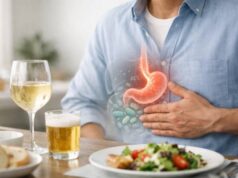
GLP-1 weight loss medications can feel like a turning point: appetite becomes quieter, portions shrink naturally, and weight loss may happen without constant willpower. The tradeoff is that these same medicines act directly on the digestive system. They slow stomach emptying, change gut hormone signaling, and can shift bowel habits—especially during the first weeks or when the dose increases. For many people, that means nausea, fullness that arrives “too early,” reflux, constipation, or the occasional bout of diarrhea.
The good news is that digestive side effects are often manageable with a few targeted adjustments. The key is to work with the medicine rather than against it—eating in a way that matches slower digestion, preventing dehydration, and treating constipation early before it snowballs. This guide breaks down why symptoms happen, what usually helps, and when to call your clinician.
Essential Insights
- Smaller, lower-fat meals and slower eating often reduce nausea within days.
- Constipation is frequently driven by less food volume, less fluid, and slower gut motility—prevention is easier than rescue.
- Symptoms commonly flare during dose increases; slowing titration can be safer than “pushing through.”
- Persistent vomiting, severe abdominal pain, or signs of dehydration are not normal side effects—get medical advice promptly.
- A simple routine (fluids, fiber, movement, and a stepwise bowel plan) helps many people stay on therapy comfortably.
Table of Contents
- How GLP-1 meds change digestion
- Why nausea is so common
- Nausea relief strategies that work
- Why constipation happens on GLP-1
- Constipation treatment step by step
- When to call your clinician
How GLP-1 meds change digestion
GLP-1 is a hormone your gut releases after you eat. It helps coordinate digestion and blood sugar by signaling “food is coming in.” GLP-1–based medications (and related medications that also act on GIP) amplify that signal. The weight loss benefits are real, but they come from mechanisms that are tightly linked to digestion.
Here’s what changes in practical terms:
- The stomach empties more slowly. Food stays in the stomach longer before moving into the small intestine. That slower “exit” is a major reason people feel full sooner and longer. It also explains why nausea is common—especially if you eat a portion your stomach can’t comfortably process at the new pace.
- Appetite cues shift. Many people notice they stop thinking about food as often and feel satisfied with smaller portions. That can be freeing, but it can also lead to under-eating and dehydration if you do not plan for it—both of which can worsen constipation and dizziness.
- Gut-brain messaging gets louder. GLP-1 receptors are involved in nausea pathways in the brainstem as well as in the gut. For some, the “satiety signal” can be interpreted as queasiness until the body adapts.
- Bowel habits can change. With less total food volume and slower gut movement, stools may become smaller, drier, and harder to pass. On the other hand, a subset of people experience diarrhea, often related to dietary changes, bile flow changes, or sensitivity to certain foods during treatment.
- Reflux and bloating may appear. When the stomach empties slowly, pressure can build. If you lie down soon after eating, or if you eat a larger or higher-fat meal, reflux symptoms can be more noticeable.
A helpful mental model is to think of these medications as turning down the digestive “speed.” If you keep eating the way you did before—fast, large portions, high-fat meals—symptoms are more likely. When you match your eating pattern to slower digestion, side effects often soften significantly.
Why nausea is so common
Nausea is the signature digestive side effect of GLP-1 therapy, and it is usually most noticeable early on. Many people experience it during the first 1–3 weeks, and then again around dose increases. This pattern is not random: nausea is often the body’s feedback that digestion has slowed, but eating habits have not yet adjusted.
Common drivers include:
- Portion mismatch. Your stomach may tolerate much smaller portions than you expect. Eating past the first “I’m done” signal is one of the fastest ways to trigger nausea.
- High-fat meals. Fat naturally slows digestion even without medication. When combined with GLP-1–related slowing, fatty foods (fried items, heavy sauces, creamy desserts) often hit hardest.
- Fast eating and poor chewing. A rushed meal can overwhelm the stomach’s slower emptying, creating a heavy, queasy feeling.
- Drinking large volumes with meals. Chasing a meal with a big drink can increase stomach fullness and worsen nausea. Smaller sips spaced out tend to feel better.
- Dehydration and low intake. When appetite drops, fluid intake often drops with it. Mild dehydration can amplify nausea and headaches and contribute to constipation.
- Constipation itself. A backed-up bowel can trigger nausea, bloating, and reduced appetite—creating a loop where you eat and drink less, which worsens constipation further.
- Reflux irritation. Slow emptying can make reflux more likely, and reflux can feel like nausea or “food sitting in the chest.”
It helps to separate expected nausea from concerning symptoms. Mild queasiness, early fullness, or occasional nausea that improves with smaller meals is common. More concerning patterns include nausea that steadily worsens, repeated vomiting, inability to keep fluids down, severe abdominal pain, fainting, or signs of dehydration (very dark urine, minimal urination, confusion).
Most people can reduce nausea substantially by changing meal structure and pace. If symptoms are strong, dose timing and titration speed matter too—many people do better when dose increases are slower and only happen after their digestion feels stable at the current dose.
Nausea relief strategies that work
The most effective nausea plan is simple: reduce stomach load, avoid triggers, and prevent dehydration. The goal is not “perfect eating”—it is consistent habits that keep your stomach comfortable while your body adapts.
Build meals that match slower digestion
- Downshift portion size immediately. Start with about half of what you would normally serve yourself. You can always eat more later, but overeating is harder to undo.
- Eat smaller meals more often. Many people do well with 4–6 smaller eating occasions instead of 2–3 large ones.
- Prioritize protein and gentle carbs. Lean protein (eggs, yogurt, fish, chicken, tofu) plus easy-to-digest carbs (rice, oats, potatoes, toast, bananas) is often better tolerated than greasy or very fibrous meals early on.
- Keep fat modest at first. You do not have to eliminate fat, but spreading it across the day and avoiding heavy, fatty meals can reduce nausea significantly.
- Chew thoroughly and slow down. A practical target is 15–20 minutes per meal, with pauses. Put utensils down between bites.
Use timing and posture to reduce symptoms
- Avoid lying down after eating. Stay upright for at least 2–3 hours after meals if reflux or nausea is an issue.
- Try a “no big drinks with meals” rule. Sip fluids during meals, then drink more 30–60 minutes later.
- Experiment with injection timing. Some people feel better injecting before bed, so early nausea happens during sleep. Do not change timing without considering your schedule and how you respond.
Practical tools that often help
- Cold or room-temperature foods. Hot, strongly scented foods can trigger nausea. Cooler foods are sometimes easier.
- Ginger or peppermint. Ginger tea, ginger chews, or peppermint tea can be soothing for some people.
- Simple “reset” snacks. Crackers, dry toast, or a small banana can settle an empty, acidic stomach if nausea is partly hunger-related.
- Hydration by routine, not thirst. Aim for steady intake across the day. If plain water worsens nausea, try small sips, electrolyte solutions, or diluted juice.
When adjustments are not enough
If nausea persists despite these strategies, talk with your prescriber. Options may include slowing dose escalation, temporarily holding at a lower dose, treating constipation aggressively, addressing reflux, or using a short-term anti-nausea medication when appropriate. The safest approach is individualized: the “right” dose is the highest dose you can tolerate consistently while maintaining nutrition, hydration, and quality of life.
Why constipation happens on GLP-1
Constipation on GLP-1 therapy is often less about a single cause and more about a perfect storm: slower gut movement, less food volume, less fluid, and sometimes less daily activity. The result is stool that moves more slowly through the colon, allowing extra water to be absorbed—making stool drier, firmer, and harder to pass.
Several patterns show up repeatedly:
- You are eating less overall. Smaller intake means the colon receives less material and stimulation. That can reduce the natural “push” that helps bowel movements stay regular.
- Fiber drops unintentionally. When appetite is low, people often default to small, plain meals and skip produce, legumes, or whole grains. That may help nausea short term, but it can worsen constipation if it becomes the norm.
- Fluids drop without you noticing. Many people drink less because they feel full or slightly nauseated. Dehydration is one of the strongest predictors of hard stools.
- Protein-first can backfire if it is too “dry.” Lean protein is helpful, but if meals are mostly protein with little fiber and fluid, stools may harden.
- Your routine changes. Less movement, irregular meals, and delaying the urge to go (common when schedules are busy) can compound the issue.
Constipation can also increase nausea and bloating, creating a loop. A key principle is to treat constipation early—before you feel truly “backed up.” Waiting until day four or five often makes the problem harder and more uncomfortable to fix.
A prevention mindset works best. Think in three daily anchors:
- Fluids: steady across the day, not just at meals.
- Fiber: increased gradually so it does not worsen bloating.
- Movement and routine: a short walk and a consistent bathroom window can make a surprising difference.
If you have a history of chronic constipation, irritable bowel syndrome with constipation, pelvic floor dysfunction, or you take other constipating medications (for example, certain iron supplements or opioids), it is worth planning ahead with your clinician before symptoms start.
Constipation treatment step by step
A good constipation plan is both gentle and structured. You want consistent relief without creating cramping, urgency, or dependence on harsh stimulants. If you have severe pain, vomiting, fever, blood in stool, or you cannot pass gas, skip self-treatment and seek medical advice promptly.
Step 1: Reset the basics for 24 hours
- Hydrate intentionally. Aim for frequent small drinks. If nausea is present, electrolyte solutions can be easier than plain water.
- Add “soft” fiber, not bulky fiber. Kiwis, prunes, pears, oats, or a small amount of psyllium can help—but only with enough fluid.
- Move a little. A 10–20 minute walk after meals can stimulate gut motility.
- Choose a consistent time to try. Many people respond to a regular morning bathroom routine after a warm drink and breakfast.
Step 2: Use an evidence-based over-the-counter option
Many clinicians start with an osmotic laxative because it draws water into the stool and tends to be predictable:
- Polyethylene glycol (PEG) is commonly used as a daily option until stools soften.
- Magnesium-based options can help some people but may not be appropriate for those with kidney disease.
- Stool softeners may help when stool is hard, but they are often less effective alone than osmotic agents.
If you are unsure what is appropriate for you, ask your pharmacist or clinician—especially if you are pregnant, have kidney disease, heart failure, or take multiple medications.
Step 3: Escalate briefly if you are truly stuck
If you have not had a bowel movement after a few days and you feel uncomfortable:
- A short course of a stimulant laxative (such as senna or bisacodyl) may be used for rescue in some people, but frequent use can cause cramping and is not a long-term strategy.
- A glycerin suppository can help when stool is low in the rectum and you need a local trigger.
Step 4: Adjust the long-term system
Once things move again, focus on preventing recurrence:
- Increase fiber gradually toward a sustainable daily intake, adding a little every few days rather than jumping suddenly.
- Pair fiber with fluid—fiber without enough fluid can worsen constipation.
- Keep protein, but add moisture. Think soups, stews, yogurt, fruit, and cooked vegetables rather than dry, dense meals.
- Avoid “all day grazing” with no real meal structure. Regular meals can improve the colon’s natural rhythm.
If constipation is persistent or requires frequent rescue meds, it is worth discussing dose pace, nutrition strategy, and other causes with your clinician. Sometimes the fix is as simple as slower dose escalation and a consistent bowel routine started early.
When to call your clinician
Digestive symptoms are common with GLP-1 therapy, but some patterns should not be brushed off. Call your clinician promptly—or seek urgent care—if you experience any of the following.
Red flags that need medical attention
- Repeated vomiting or inability to keep fluids down, especially if you are urinating very little or feel weak and dizzy.
- Severe or persistent abdominal pain, particularly if it is worsening, wakes you from sleep, or is associated with fever.
- Right-upper-abdominal pain, pain that radiates to the back or right shoulder, or pain after fatty meals—especially with nausea, fever, or yellowing of the skin or eyes.
- Severe constipation with abdominal swelling, inability to pass gas, or intense cramping.
- Black stools or visible blood in stool, or new, unexplained anemia symptoms (unusual fatigue, shortness of breath).
- Signs of dehydration such as confusion, fainting, very dark urine, or rapid heart rate.
Situations where a medication strategy adjustment helps
Many people assume side effects mean they are “failing” the medication. More often, it means the plan needs tuning. Talk with your prescriber if:
- Nausea or constipation is limiting your ability to eat enough protein, fiber, or fluids.
- Symptoms flare dramatically with each dose increase and do not settle within a couple of weeks.
- You are relying on frequent rescue laxatives or skipping meals to avoid nausea.
- You have a history of significant reflux, delayed gastric emptying, or chronic constipation, and symptoms are escalating.
Procedure and anesthesia considerations
Because these medications can slow stomach emptying, your surgical or anesthesia team may give special instructions before procedures that involve sedation or anesthesia. Do not make changes on your own—tell every clinician involved that you are on a GLP-1 medication, and follow the pre-procedure plan they provide.
Long-term comfort is a realistic goal
The aim is steady progress with tolerable day-to-day digestion. A workable routine often includes: smaller meals, modest fat, regular hydration, gradual fiber, daily movement, and an early constipation plan. When those basics are in place, many people find that nausea fades and bowel function becomes predictable—making it easier to stay consistent and benefit from therapy over time.
References
- Gastrointestinal adverse events associated with GLP-1 RA in non-diabetic patients with overweight or obesity: a systematic review and network meta-analysis – PMC 2025 (Systematic Review)
- Clinical Recommendations to Manage Gastrointestinal Adverse Events in Patients Treated with Glp-1 Receptor Agonists: A Multidisciplinary Expert Consensus – PMC 2022 (Guideline)
- Once-Weekly Semaglutide in Adults with Overweight or Obesity – PubMed 2021 (RCT)
- Tirzepatide Once Weekly for the Treatment of Obesity – PubMed 2022 (RCT)
- Multisociety Clinical Practice Guidance for the Safe Use of Glucagon-like Peptide-1 Receptor Agonists in the Perioperative Period – PubMed 2025 (Guideline)
Disclaimer
This article is for general educational purposes and does not provide medical advice, diagnosis, or treatment. GLP-1 medications can cause side effects that range from mild to serious, and they may not be appropriate for everyone. Always follow your prescribing clinician’s instructions, and seek prompt medical care for severe or persistent symptoms such as repeated vomiting, significant dehydration, severe abdominal pain, or signs of intestinal blockage or gallbladder disease. Do not start, stop, or change any medication (including laxatives and anti-nausea drugs) without guidance from a qualified healthcare professional who knows your medical history.
If you found this article helpful, consider sharing it on Facebook, X (formerly Twitter), or any platform you prefer so others can use it too.