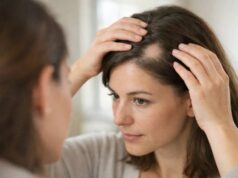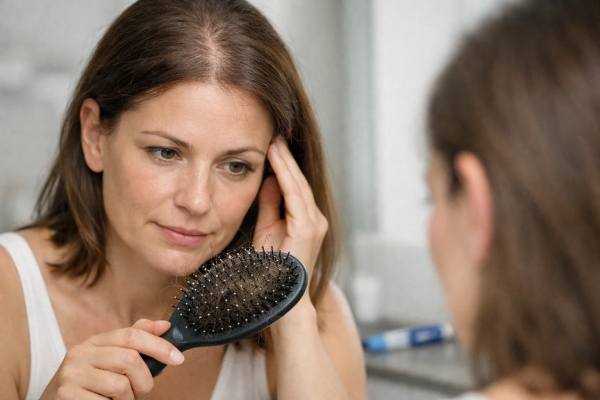
GLP-1 medications have changed weight management in a meaningful way. They can improve blood sugar control, reduce appetite, and help people lose far more weight than older drug options. But this same appetite drop can create a new problem that feels surprising and upsetting: more hair in the shower, more strands on the pillow, and a ponytail that suddenly feels smaller. For many people, the issue is not permanent hair loss in the classic sense. It is a stress response from rapid weight reduction, reduced protein intake, lower overall calories, or nutrient depletion that develops as eating patterns shift.
That distinction matters. Hair shedding during GLP-1 treatment is often manageable when it is recognized early and handled with the same care as any other medication side effect. The most useful approach is not panic, and it is not a random stack of supplements. It is a structured plan: protect protein intake, watch for iron and vitamin shortfalls, slow down patterns of under-eating, and look closely at whether the shedding fits telogen effluvium, unmasks underlying pattern thinning, or points to something else entirely.
Core Points
- Hair shedding during GLP-1 treatment is often tied to rapid weight loss, lower calorie intake, and reduced protein or micronutrient intake rather than proven permanent follicle damage.
- Protein is one of the most practical levers to protect recovery, with many clinicians using about 1.2 to 1.6 g/kg/day during active weight loss when appropriate.
- Iron, ferritin, vitamin B12, folate, zinc, and vitamin D become more relevant when food intake falls sharply or nausea limits variety.
- Hair supplements are not a substitute for adequate food intake, resistance training, and correction of documented deficiencies.
- If shedding accelerates while calories are very low or eating becomes difficult, reassessing intake within weeks is more helpful than waiting for obvious thinning.
Table of Contents
- Why GLP-1 treatment can trigger shedding
- Medication effect or weight loss effect
- Protein targets that matter most
- Nutrient gaps worth checking
- What actually helps hair recover
- When to test and escalate care
Why GLP-1 treatment can trigger shedding
When hair shedding starts during GLP-1 treatment, many people assume the drug is directly toxic to the hair follicle. That is possible in theory, but it is not the explanation most specialists reach for first. The more common model is indirect: appetite falls, calories fall, food variety shrinks, protein becomes harder to hit, and the body interprets rapid weight change as a metabolic stress. That stress can push more follicles into the resting phase of the hair cycle, which leads to diffuse shedding.
This pattern fits telogen effluvium more than scarring loss or classic patchy alopecia. The shedding is usually spread across the scalp rather than sharply localized. People often describe handfuls of hair during washing, more strands on clothing, and a general drop in volume rather than a bald spot. The emotional impact can be large because it often appears after the person has finally found a treatment that is helping weight, blood sugar, or both.
The mechanism is usually layered rather than single-cause. Several changes can happen at once:
- Energy intake drops sharply.
- Protein intake slips below what active weight loss demands.
- Nausea, vomiting, constipation, or food aversion make meals less balanced.
- Iron, zinc, B vitamins, and vitamin D intake may become inconsistent.
- A fast pace of weight loss acts as a physiologic trigger.
That is why the question is rarely just, “Does semaglutide cause hair loss?” A better question is, “What changed in the body after treatment started?” In many patients, the answer is not simply the molecule. It is the cascade that follows reduced intake and rapid loss. This is similar to what is seen in other weight-loss settings, including bariatric surgery, restrictive diets, and episodes of illness-related under-eating.
A key point is that more shedding does not always mean permanent loss. Telogen effluvium is often self-limited once the trigger settles, which is why a discussion of rapid weight loss and diffuse shedding is so relevant here. But temporary does not mean trivial. If the shedding continues for months, if intake stays poor, or if the medication unmasks pre-existing androgen-sensitive thinning, recovery can feel slower and less complete.
This is also why people on GLP-1 drugs should not be told to “just wait it out” without looking at nutrition. The same medicine that improves metabolic health can make it surprisingly easy to under-eat. Hair is often one of the first tissues to reveal that mismatch. In that sense, shedding is not just a cosmetic nuisance. It can be an early warning that the weight-loss plan is outpacing the body’s ability to support recovery.
Medication effect or weight loss effect
Separating a medication effect from a weight-loss effect is one of the most useful parts of the evaluation. In real life, the two often overlap, but they do not mean the same thing. A true medication-specific effect would mean the drug itself is driving shedding independent of calorie intake, protein, or speed of weight loss. A weight-loss effect means the drug is part of the story mainly because it changed appetite, food tolerance, and body composition so quickly.
The second explanation is often more convincing. GLP-1 therapy can cut appetite enough that meals become smaller, later, and less structured. Some people stop feeling hungry until late afternoon. Others start skipping protein first because meat, eggs, and heavier foods become less appealing. The result is not just fewer calories. It is lower nutrient density at exactly the time the body is adapting to fast weight change.
A few clues favor the weight-loss and nutrition model:
- Shedding appears after meaningful weight loss rather than immediately after the first injection.
- Food intake has narrowed to a short list of tolerated foods.
- Protein intake is clearly low or inconsistent.
- Nausea, vomiting, reflux, or strong food aversion are present.
- The pattern is diffuse rather than patchy or scar-like.
A few clues suggest the picture may be more complicated:
- Shedding starts without much weight loss at all.
- Hair loss is patchy, painful, inflamed, or involves eyebrows.
- There is a family history of patterned thinning and the part line is widening.
- The person already had low ferritin, thyroid disease, or chronic shedding before treatment began.
Another important point is timing. GLP-1 therapy may not “cause” hair loss in the direct sense, but it can reveal a fragility that was already there. Someone with borderline protein intake, low iron stores, or unrecognized female pattern thinning may look stable until rapid weight reduction pushes the system harder. Then the shedding becomes noticeable, and the drug gets blamed for a vulnerability that had been quietly building.
This is why a simple yes-or-no answer usually misses the mark. In most cases, the more accurate explanation is mixed: the medication changed appetite and pace of loss, the reduced intake created nutritional pressure, and the hair cycle responded. For some patients, there may also be a real signal tied to specific GLP-1 drugs, but that evidence is still developing and is not strong enough to treat every episode of shedding as a direct drug injury.
The practical takeaway is that the solution is usually broader than switching brands. Before assuming the medication must be stopped, it is smarter to review rate of weight loss, current food intake, GI side effects, baseline hair history, and whether the picture looks like sudden shedding from an internal trigger. That approach gives the hair problem a real explanation instead of a guess, and it often opens more options than abandoning a treatment that is otherwise helping.
Protein targets that matter most
If there is one nutrition priority that deserves attention early during GLP-1 treatment, it is protein. Appetite suppression makes it easy to meet neither calorie needs nor protein needs, and hair usually suffers when that pattern lasts. Protein does not only support muscle. It also supports keratin production, wound repair, immune function, and the general metabolic stability that helps hair recovery after a stress event.
The usual adult protein recommendation of 0.8 g/kg/day is a minimum designed for general health, not for preserving lean tissue during active weight loss. During GLP-1 treatment, many clinicians and obesity specialists aim higher. A practical target is often around 1.2 to 1.6 g/kg/day during active weight reduction, individualized to body size, age, kidney status, exercise pattern, and how body weight is being calculated. When weight-based math feels confusing, an absolute target such as 80 to 120 g/day can be easier to follow and often works better in daily life.
That range matters because many GLP-1 users do not get close to it. Common reasons include:
- early fullness after a few bites,
- aversion to dense protein foods,
- nausea that makes breakfast difficult,
- reliance on crackers, fruit, or liquids instead of mixed meals,
- fear that eating more protein will worsen GI symptoms.
A better strategy is usually not “eat huge protein meals.” It is smarter meal design. The most successful patterns are often simple:
- Put protein first at each meal.
- Use lower-volume protein foods that are easy to tolerate.
- Spread intake across the day instead of trying to rescue it at dinner.
- Add a liquid protein option when solid food is difficult.
- Pair protein with resistance training when possible to protect lean mass.
In practice, that can look like Greek yogurt, cottage cheese, eggs, tofu, fish, chicken, edamame, protein-enriched oatmeal, or a well-tolerated shake. A person who cannot tolerate a large lunch may still manage 20 to 30 grams at breakfast, 25 grams from a shake in the afternoon, and a smaller protein-forward dinner. That kind of distribution is often more realistic than aiming for one perfect meal.
Protein is not a magic cure for GLP-1 hair shedding, but it is one of the few interventions that addresses both the hair problem and the broader health problem at the same time. It helps support lean mass, may improve satiety quality without large meal volume, and reduces the chance that weight loss becomes nutritionally thin. For readers trying to build a practical plan, a guide to how much protein supports hair growth can make the numbers easier to apply.
A final nuance matters here: protein goals should be individualized in people with kidney disease, severe nausea, or a history of disordered eating. But for most otherwise healthy adults using GLP-1 therapy, the hair conversation becomes more productive the moment protein is treated as a daily target rather than an afterthought.
Nutrient gaps worth checking
Protein deserves first place, but it is not the only nutritional issue that can show up during GLP-1 treatment. When appetite is low and total intake falls fast, the body does not just lose calories. It can lose coverage across iron, zinc, vitamins, essential fats, and overall food variety. Hair follicles are sensitive to that shift, especially when it happens on top of menstruation, prior dieting, recent illness, or existing borderline lab values.
The most useful nutrient review is targeted. It should focus on the deficits most likely to matter for diffuse shedding and those most likely to become low when intake shrinks. In practice, that often means paying attention to:
- Ferritin and iron: especially in menstruating women, frequent blood donors, and anyone eating very little red meat or fortified foods.
- Vitamin B12 and folate: more relevant when intake is very low, variety is poor, or there is a history of digestive issues.
- Vitamin D: common to miss in general, and not always food-driven, but worth knowing if shedding is prolonged.
- Zinc: can fall with low food intake or very repetitive eating patterns.
- Overall calories and fat intake: because hair problems do not come only from named vitamins. Chronic under-eating itself is a trigger.
Iron deserves special attention because low iron stores can quietly amplify shedding. A person may be told the CBC is normal and still have low ferritin that slows recovery. That is one reason an article on ferritin targets and testing for hair growth is so often relevant to GLP-1 users who develop diffuse thinning.
Not everyone needs a giant supplement panel. Testing should follow the story. A person with heavy periods, fatigue, shortness of breath, and diffuse shedding deserves a closer look at iron. A person eating very little animal protein and feeling numbness or unusual fatigue may need B12 checked. Someone with chronic vomiting, diarrhea, or bowel disease may need a broader workup because reduced intake is only part of the problem; poor absorption may be involved too.
This section is also where supplement culture can go wrong. It is tempting to respond to hair shedding with a multivitamin, biotin gummies, collagen powders, iron, zinc, and anything labeled “hair support.” That approach can create more confusion than progress. Too much zinc can worsen copper balance. Too much vitamin A can itself contribute to shedding. Iron should not be taken in high doses without a reason. Hair regrowth depends more on fixing the real gap than on taking the largest number of capsules.
A practical rule is to get as much of the baseline right through food as possible, then use testing to guide the rest. Nutrient-dense eating during GLP-1 therapy often means smaller, more strategic meals rather than perfect eating. If intake is consistently low, iron-rich foods, fortified dairy or alternatives, eggs, fish, legumes, and targeted supplements can all help, but only when the plan matches the actual deficit. Hair responds best when the body stops being asked to do more with less.
What actually helps hair recover
When hair shedding starts, most people want a fast fix. The hard truth is that hair recovery usually improves when the overall system improves, not when one product is added. For GLP-1-associated shedding, the most helpful interventions are the ones that reduce ongoing metabolic stress and rebuild the inputs that the follicle has been missing.
The first step is often to slow the intensity of under-eating. That does not always mean stopping the medication. It may mean reviewing dose escalation, nausea management, constipation treatment, meal timing, and whether the current dose is pushing food intake too low to be sustainable. In some patients, a slightly gentler pace produces better long-term results for both weight and hair.
The second step is to restore structure:
- Eat protein early in the day, not only at dinner.
- Build three intentional eating points even if portions stay small.
- Use easy, nutrient-dense foods when appetite is unreliable.
- Correct documented deficiencies instead of guessing.
- Add resistance training to support lean mass retention.
Resistance training matters because hair shedding during weight loss often happens in the setting of broader tissue stress. Preserving muscle does not directly “grow hair,” but it helps keep the weight-loss process from becoming overly catabolic. That makes the internal environment less harsh.
A third step is choosing the right hair-specific support. If the picture looks like temporary telogen effluvium alone, nutrition and time may be enough. If the GLP-1 treatment appears to have uncovered female or male pattern thinning, then topical minoxidil or other hair-loss therapy may make sense. If there is obvious scalp inflammation, scale, pain, or patchiness, the plan needs to shift toward diagnosis rather than defaulting to nutrition alone.
What usually does not help much:
- changing supplements every week,
- taking large doses of biotin without a deficiency,
- relying on collagen while missing total protein,
- crash dieting harder to “finish faster,”
- ignoring severe nausea or repeated vomiting.
It is also worth being realistic about hair supplements. Some people do benefit from targeted supplementation, especially if low iron, zinc, or vitamin D is documented. But a supplement cannot compensate for a pattern of chronic low intake. A person eating 700 to 900 calories most days with very little protein will not out-supplement that problem.
This is where food quality matters as much as totals. Lower-volume, nutrient-dense meals often work best on GLP-1 therapy. Eggs, yogurt, fish, lentils, lean poultry, tofu, protein shakes, nut butters, and fortified foods can all make the difference between continued depletion and steady recovery. For people rebuilding from reduced intake, guidance on iron-rich foods that support hair growth can fit well alongside a protein-focused plan.
Hair recovery is rarely instant. But the combination of steadier intake, enough protein, correction of true deficiencies, and patience usually does more than any single “hair booster.” The follicle is often waiting for the body to signal that the stress phase is ending.
When to test and escalate care
Not every person on a GLP-1 medication needs lab work for mild shedding, but many benefit from it sooner than they think. The right time to test is when the hair change is more than brief and trivial, when eating has clearly narrowed, or when the symptoms suggest a nutritional shortfall rather than a simple cosmetic fluctuation.
Testing is especially reasonable when any of the following are true:
- shedding is persistent or clearly increasing,
- weight loss has been rapid,
- calories appear very low,
- nausea or vomiting are limiting intake,
- menstruation is heavy,
- fatigue, dizziness, weakness, or brittle nails are present,
- there is a history of bariatric surgery, bowel disease, or frequent blood donation.
A practical lab discussion often includes CBC and ferritin first, with B12, folate, vitamin D, zinc, and thyroid studies added when the history supports them. The point is not to order everything on day one. The point is to match the testing to the risk. A person on GLP-1 therapy whose intake has dropped below roughly 1200 calories a day for women or 1800 for men is more likely to run into nutrient insufficiency, especially if food variety is poor.
Escalation also depends on the hair pattern. Diffuse shedding with a normal-looking scalp often fits telogen effluvium. But some findings deserve faster specialist review:
- patchy hair loss,
- scalp pain, burning, or marked itching,
- scaling or redness,
- eyebrow or eyelash loss,
- obvious widening of the part that continues despite better nutrition,
- shedding that does not improve after the weight-loss pace and intake are corrected.
Those features raise the possibility of alopecia areata, inflammatory scalp disease, or underlying patterned thinning that needs different treatment. That is why persistent symptoms should not be filed under “GLP-1 side effect” forever. Hair shedding can start with the medication context and still end with a different diagnosis.
There is also a point where the weight-loss plan itself needs review. If the medication is producing such strong food aversion that protein and micronutrient targets are repeatedly missed, the solution may include nutrition counseling, dose adjustment, slower escalation, or a re-evaluation of whether the current regimen fits the patient. Good obesity care is not just about the scale moving down. It is about the body tolerating the journey.
For readers wondering when to stop self-monitoring and get direct help, a good guide is which hair-growth promises are red flags. If the answer to shedding is turning into expensive powders, online quizzes, and guesswork, it is probably time for more formal evaluation.
The best outcomes usually come when shedding is recognized early, intake is corrected before deficiencies deepen, and the clinician treats the hair change as useful information rather than a side note. GLP-1 therapy can still be the right medication. It just works best when nutrition, lean mass preservation, and scalp health are treated as part of the same plan.
References
- Risk of New-Onset Hair Loss with Semaglutide and Tirzepatide: A TriNetX Cohort Study 2026 (Cohort Study)
- Effects of GLP-1 Receptor Agonists on Hair Loss and Regrowth: A Systematic Review 2025 (Systematic Review)
- Nutritional Priorities to Support GLP-1 Therapy for Obesity: A Joint Advisory From the American College of Lifestyle Medicine, the American Society for Nutrition, the Obesity Medicine Association, and the Obesity Society 2025 (Advisory)
- Investigating nutrient intake during use of glucagon-like peptide-1 receptor agonist: a cross-sectional study 2025 (Cross-Sectional Study)
- Telogen Effluvium Associated With Weight Loss: A Single Center Retrospective Study 2024 (Retrospective Study)
Disclaimer
This article is for educational purposes only and is not a substitute for medical advice, diagnosis, or treatment. Hair shedding during GLP-1 therapy can reflect reduced intake, rapid weight loss, medication side effects, a nutrient deficiency, or a separate hair disorder that was already developing. Decisions about lab testing, supplements, dose changes, or prescription hair treatments should be made with a qualified clinician, especially if you have persistent vomiting, very low food intake, heavy menstrual bleeding, patchy hair loss, or symptoms of anemia or malnutrition.
If this article was helpful, please share it on Facebook, X, or your preferred platform so others navigating GLP-1 treatment and unexpected hair shedding can find clear, practical guidance.