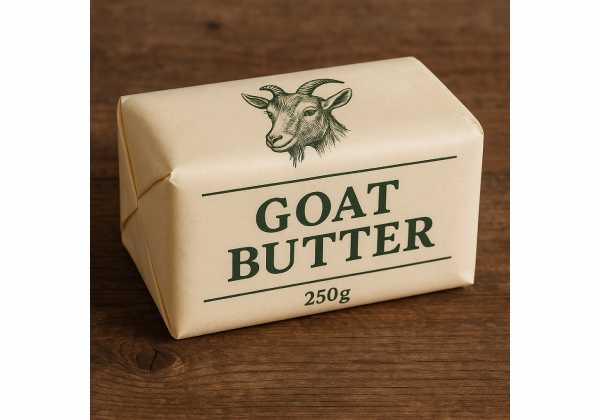
Goat butter is a richly flavored dairy fat churned from goat cream. It spreads silkily at room temperature and melts cleanly in a hot pan, bringing gentle tang and notes of hay or caramel depending on the season and feed. Cooks reach for it to finish sauces, enrich pastries, and give everyday vegetables a restaurant gloss. Compared with cow butter, goat butter typically carries more short- and medium-chain fatty acids that contribute to its aroma and quick melt. Nutritionally, it is almost pure fat, supplying energy and fat-soluble vitamins with virtually no carbohydrates or protein. That also means it is high in saturated fat and should be used mindfully. For people who struggle with lactose, the near-zero carb profile may be an advantage, though goat butter is still a milk product and contains trace proteins that can trigger allergy. This guide explains what makes goat butter distinct, how to choose and store it, the most useful ways to cook with it, and where it fits in a balanced diet.
Quick Overview
- Delivers concentrated flavor and vitamin A with virtually 0 g carbs per 100 g.
- Typical serving is 1 tablespoon (14 g), enjoyed a few times per week within overall fat goals.
- Contains milk proteins; avoid if you have a cow or goat milk allergy.
- Suits lactose-limited diets better than milk; ghee from goat butter has even less lactose and casein.
- Best for finishing, baking, and low-to-moderate heat sautéing; clarify to raise heat tolerance.
Table of Contents
- Goat Butter: Detailed Overview
- Goat Butter Nutrition Profile
- Evidence-Based Benefits of Goat Butter
- Risks, Allergies and Interactions
- Selecting, Quality, Sustainability and Storage
- Preparation, Cooking and Nutrient Retention
- Portions, Comparisons and FAQs
Goat Butter: Detailed Overview
Goat butter is made by churning pasteurized goat cream until butterfat separates from buttermilk. Like other butters, its final composition is roughly 80–86% fat with the remaining mass mostly water. The fat portion includes a mix of triglycerides rich in short- and medium-chain fatty acids (notably caproic C6:0, caprylic C8:0, and capric C10:0) that lend a delicate tang and a fast-melting mouthfeel. These compounds are more prominent in goat dairy than in cow dairy and help explain the butter’s aromatic, “goaty” signature. The milk fat globules in goat milk tend to be smaller on average than in cow milk, which can influence texture and how quickly butter softens.
Color ranges from pale ivory to sunshine-yellow depending on season and feed, since carotenoid content in cream shifts with fresh pasture. Salted goat butter offers longer room-temperature tolerance and a savory snap; unsalted is preferred in baking and sauces where seasoning and water activity must be controlled precisely.
Culinary uses mirror those of cow butter. In baking, goat butter can be substituted one-for-one by weight. Its slightly softer texture and different melting profile can yield tender crumb in shortbreads and laminated doughs. In savory applications, it shines as a finishing fat—whisked into pan sauces for gloss, melted over roast vegetables, tossed with steamed greens, or spread on warm bread. Because milk solids brown readily, goat butter encourages flavorful browning in low-to-moderate heat cooking. For higher heat tasks, many cooks clarify it (making goat ghee) to remove the milk solids that scorch.
From a nutrition perspective, goat butter is calorie-dense, provides fat-soluble vitamins (especially vitamin A), and contains almost no carbohydrate or protein. For those monitoring saturated fat, portions matter. For those limiting lactose, its near-zero carbohydrate content is helpful. But for people with a milk protein allergy, even trace casein or whey residues make regular goat butter unsuitable; clarified goat butter may reduce but not completely remove risk.
Finally, goat butter often comes from smaller dairies. That can mean seasonal availability, a short ingredient list, and noticeable batch-to-batch character—qualities many home cooks appreciate when chasing flavor and provenance.
Goat Butter Nutrition Profile
The figures below reflect typical values for salted, pasteurized goat butter. Nutrients are shown per 100 g with % Daily Value (%DV) where applicable. Actual values vary by brand, salt level, and season.
Macros & Electrolytes (per 100 g)
| Nutrient | Amount | %DV |
|---|---|---|
| Energy (kcal) | 786 | — |
| Water (g) | 14.3 | — |
| Total Fat (g) | 85.7 | 110% |
| Saturated Fat (g) | 57.1 | 286% |
| Trans Fat (g) | 0.0 | — |
| Protein (g) | 0.0 | 0% |
| Total Carbohydrate (g) | 0.0 | 0% |
| Total Sugars (g) | 0.0 | — |
| Fiber (g) | 0.0 | 0% |
| Cholesterol (mg) | 286 | 95% |
| Sodium (mg)* | 286 | 12% |
*Sodium varies widely by salted vs unsalted styles.
Fats & Fatty Acids (per 100 g)
| Category | Detail | Amount |
|---|---|---|
| Saturated fatty acids | Predominant (includes C4:0–C18:0) | 57.1 g |
| Monounsaturated fatty acids | Mainly oleic (C18:1 n-9) | — |
| Polyunsaturated fatty acids | Small amounts (linoleic, alpha-linolenic) | — |
| Short/medium-chain fraction | Caproic C6:0, caprylic C8:0, capric C10:0 | Present (brand-dependent) |
| Conjugated linoleic acid (CLA) | Naturally occurring in ruminant fat | Present (trace–low) |
Vitamins & Minerals (per 100 g)
| Nutrient | Amount | %DV |
|---|---|---|
| Vitamin A (µg RAE)** | ~1,071 | 119% |
| Vitamin D (µg) | — | — |
| Vitamin E (mg) | — | — |
| Vitamin K (µg) | — | — |
| Calcium (mg) | 0 | 0% |
| Iron (mg) | 0 | 0% |
| Potassium (mg) | — | — |
**Converted from label vitamin A IU using 1 IU retinol ≈ 0.3 µg RAE; actual vitamin A varies with feed and season.
Allergens & Intolerance Markers
- Lactose: typically negligible (carbohydrate 0.0 g/100 g on brand labels), but trace amounts may remain.
- Milk proteins: trace casein and whey residues can persist; amounts vary and matter for allergy risk.
Additives & Fortification
- Common ingredients: pasteurized goat cream, salt; occasionally “natural flavor.” Goat butter is rarely fortified.
Glycemic & Acid–Base Metrics
- Glycemic impact: essentially none (0 g carbohydrate).
- PRAL (acid load): not routinely reported for butter; dietary impact driven more by overall meal composition.
How to use the numbers
- One tablespoon (14 g) supplies ~110 kcal, ~12 g fat, ~8 g saturated fat, and ~40 mg cholesterol.
- If you aim to keep saturated fat near recommended limits, budget other foods accordingly on days you use butter liberally.
Evidence-Based Benefits of Goat Butter
Concentrated vitamin A in a small portion. Grass-fed dairy fats provide vitamin A in retinol form—the form your body can use directly. Per 100 g, goat butter can deliver roughly a day’s requirement for vitamin A; even a standard tablespoon contributes meaningfully. Adequate vitamin A supports normal vision, immune function, and epithelial (skin and mucosal) integrity. Because butter is fat-based, this vitamin is well absorbed when consumed with meals.
Distinct lipid profile and easy melting. Goat milk fat contains a higher proportion of short- and medium-chain fatty acids than cow milk fat. These shorter chains melt at lower temperatures and disperse quickly, so goat butter softens fast and coats the palate evenly. In the kitchen, that translates to effortless emulsions and a smooth finish for sauces. From a digestion standpoint, shorter chains are absorbed more directly than long-chain fats; while this doesn’t make goat butter “light,” it helps explain why some people perceive it as easier on the stomach.
Flavor and culinary performance. Goat butter’s milk solids brown readily, creating toasty, butterscotch notes that lift simple foods—brown-butter carrots, seared mushrooms, or a quick spoon over steamed asparagus. In baking, it can produce delicate, tender crumbs and vivid butter flavor at modest quantities. The aroma compounds associated with caproic, caprylic, and capric acids bring character without heaviness.
Lactose-friendly for many (not all). With carbohydrates near zero, goat butter is typically well tolerated by people sensitive to lactose. This doesn’t mean it’s safe for milk allergy (see next section), but for those who simply limit milk sugar, goat butter can fit into meals more comfortably than yogurt or fluid milk.
A flexible “finishing fat.” Because a small knob delivers pronounced flavor and sheen, cooks can often use less than they would of neutral oils to achieve the same sensory result in finishing dishes. That’s useful when you want maximal flavor for minimal quantity.
Realistic perspective on health. Goat butter is not a “health food”; it’s a concentrated fat that’s best used as a seasoning. Modern dietary guidance emphasizes limiting saturated fat and replacing part of it with unsaturated fats. Goat butter fits best in that framework as a flavor tool you measure.
Risks, Allergies and Interactions
High saturated fat. Goat butter is rich in saturated fatty acids. Diets high in saturated fat can raise LDL cholesterol in many people. For most adults, it’s prudent to keep saturated fat to a minority of total fat intake and emphasize unsaturated fats (olive oil, nuts, seeds, fish) across the week. If you have high LDL cholesterol, established cardiovascular disease, diabetes, or a strong family history, work with a clinician or dietitian on specific targets.
Milk allergy and cross-reactivity. Milk proteins in goat dairy are similar to those in cow dairy. People with IgE-mediated milk allergy (to cow or goat) should avoid goat butter because trace casein and whey can remain even after churning. Severe allergy can lead to reactions at very small exposures. Clarified goat butter (goat ghee) reduces, but does not guarantee removal of, milk proteins; those with a history of anaphylaxis should not rely on it.
Lactose intolerance. Most lactose-intolerant people tolerate the small, often negligible lactose in butter. Individual tolerance varies, and some very sensitive individuals may prefer clarified butter, which typically contains even less lactose and casein.
Food safety. Always choose goat butter made from pasteurized cream, especially if you are pregnant, immunocompromised, older than 65, or serving young children. Unpasteurized dairy can harbor harmful bacteria and is best avoided by higher-risk groups. At home, store butter cold to limit microbial growth and oxidative rancidity.
Medication considerations. There are no notable direct drug interactions. However, large amounts of fat can change the absorption of some medications or supplements. If you take fat-soluble agents (for example, certain vitamins or lipophilic drugs), be consistent with meal fat and follow label or clinician guidance.
Weight management. Butter is energy-dense. If you’re managing weight, account for the calories from “hidden” butter added to breads, sauces, and vegetables. A scant teaspoon can be enough to finish a serving attractively without overshooting goals.
Selecting, Quality, Sustainability and Storage
How to choose.
- Salted vs unsalted: Use unsalted for baking and sauces; salted for everyday spreading and finishing. Salt content can range widely—read labels if you’re monitoring sodium.
- Cultured vs sweet cream: Cultured goat butter is made from fermented cream and tastes tangier, with complex, yogurt-like notes; sweet-cream butter is milder.
- Pasteurized cream: Look for “pasteurized” on the label. For vulnerable groups, avoid products from raw milk.
- Ingredient list: The gold standard is short: goat cream and salt. Some brands add “natural flavor”—acceptable but not necessary.
- Freshness cues: Butter should smell clean and pleasantly creamy. A soapy, fishy, or paint-like aroma suggests oxidation (rancidity).
Sourcing and sustainability.
- Seasonality: Small dairies producing goat butter often follow lactation cycles, so flavor and availability can shift with the seasons.
- Production scale: Goats can thrive on browse and marginal land where cattle struggle, which can be an advantage in certain landscapes. Sustainability depends more on local practices (feed, pasture, waste management, energy use) than species alone; look for certified practices or transparent farm communications.
- Packaging: Opaque paper or foil protects against light-driven oxidation. Resealable inner wraps help limit oxygen exposure.
Storage and shelf life.
- Refrigerator: Keep tightly wrapped at ≤4°C (≤40°F). Typical best-by dates run several weeks to a couple of months from production, but aroma is the best freshness guide.
- Freezer: For longer storage, freeze in airtight packaging for 6–9 months. Portion into sticks or half-sticks to minimize repeated thaw cycles.
- Room temperature: For spreadability, a small covered amount can sit at cool room temperature for short periods if kitchen temperatures are moderate. Use a butter bell/crock with fresh, cool water and change the water daily. Return bulk butter to the fridge.
- Rancidity prevention: Light, oxygen, and warmth accelerate oxidation. Keep wrapped between uses, minimize air exposure, and avoid storing near aromatic foods (onions, fish), which butter readily absorbs.
Buying tips.
- Start with a single stick to test brand flavor and salt level.
- If baking, compare unsalted goat butter in a familiar recipe to judge texture and water content (it may be slightly lower than cow butter in some brands).
Preparation, Cooking and Nutrient Retention
Best uses in the pan. Goat butter excels at gentle sautéing, basting, and finishing. Use low-to-moderate heat to develop toasted flavors without scorching the milk solids. If you need more heat tolerance, combine equal parts goat butter and a high-oleic oil (like high-oleic sunflower) or clarify the butter.
Clarifying (making goat ghee). Melt goat butter slowly. Skim foam as it rises, then continue to simmer gently until the milk solids sink and turn golden. Strain through a fine cloth or coffee filter. The result is clear, aromatic fat with fewer milk solids, better for high-heat searing and for people who want to minimize lactose and casein exposure. Store clarified butter tightly sealed; it keeps longer than whole butter because water and proteins are largely removed.
Sauces and emulsions. For pan sauces, reduce wine or stock, whisk in cold cubes of goat butter off heat, and season. The emulsifiers naturally present in butter help sauces thicken and sheen. Because goat butter softens quickly, it integrates fast; add in small pieces to avoid breaking.
Baking with goat butter. Substitute by weight for cow butter in cookies, cakes, muffins, and laminated doughs. Expect slightly faster melt and a tender crumb. For laminated doughs, work a little cooler and chill between turns to keep layers distinct. In shortbreads, goat butter can amplify butter flavor without adding more sugar or salt.
Roasting and finishing. Toss steamed or roasted vegetables with a small knob of goat butter and herbs, or brush warm bread and grilled meats to boost aroma and gloss without heavy saucing. A teaspoon or two is often enough to finish a dish for two.
Nutrient retention and handling. Vitamin A is light-sensitive and can degrade with prolonged exposure. Keep butter wrapped and away from direct light. Typical cooking times don’t destroy fat-soluble vitamins outright, but repeated heating and cooling can accelerate oxidation and off-flavors—another reason to finish with fresh butter near the end of cooking.
Smart pairing ideas.
- Brown-butter drizzle over roasted squash or carrots.
- Goat butter and lemon zest whisked into hot pasta with herbs.
- Compound butter: mash goat butter with chives, parsley, and a pinch of salt; chill and slice to top fish or steak.
Portions, Comparisons and FAQs
How much is a reasonable portion?
For most adults, one tablespoon (14 g) is a practical portion for finishing or spreading. That serving provides ~110 kcal, ~12 g fat (~8 g saturated), and ~40 mg cholesterol. Used a few times per week, it can fit into many eating patterns—especially when most other fats come from unsaturated sources.
How does goat butter compare to cow butter?
Nutrition is broadly similar—both are almost pure fat, rich in saturated fatty acids, and supply vitamin A. Goat butter tends to soften faster and can taste more aromatic due to short- and medium-chain fatty acids. Color is often paler. If you’re baking, substitute one-for-one by weight and adjust salt to taste.
Goat butter vs goat ghee (clarified goat butter).
Clarification removes most milk solids and water. Goat ghee tolerates higher heat and usually contains even less lactose and casein than whole butter. Flavor shifts from creamy to nutty. If you have a milk protein allergy, do not assume ghee is safe—trace proteins can remain.
Is goat butter suitable for lactose intolerance?
Often yes, because lactose is negligible. Individual responses vary. People with lactose intolerance usually tolerate small amounts of butter better than milk or yogurt. Clarified butter (ghee) further reduces lactose and casein.
Pregnancy and immunocompromised states?
Choose products made from pasteurized cream and store cold. Avoid unpasteurized dairy due to pathogen risk. In recipes that hold butter at room temperature (butter bells), switch the portion frequently and keep the kitchen cool.
Can children eat goat butter?
In small amounts as part of balanced meals, yes. For infants under one year, butter is not a primary food; discuss introduction of dairy fats with a pediatric clinician, especially if there is a family history of allergy.
What about cholesterol and heart health?
Butter (from any species) is high in saturated fat. Many people will see higher LDL cholesterol with frequent, generous butter use. Emphasize olive oil, nuts, seeds, fish, and other unsaturated fats day-to-day, and enjoy goat butter as a flavor accent.
Storage quick answers.
- Refrigerate bulk, freeze extras, keep a small amount covered for spreadability.
- Keep wrapped and away from light and strong odors.
- If it smells “painty,” soapy, or fishy, discard—it’s oxidized.
Budget tips.
- Because flavor is concentrated, a little goes a long way. Use measured pats. Try cultured butter for bolder taste without larger quantities.
References
- Saturated fatty acid and trans-fatty acid intake for adults and children: WHO guideline 2023 (Guideline)
- The Dangers of Raw Milk: Unpasteurized Milk Can Pose a Serious Health Risk 2024 (Guidance)
- Comparison of the Lipid Composition of Milk Fat Globules in Goat (Capra hircus) Milk during Different Lactations and Human Milk 2024 (Research)
- Goat Milk Allergy and a Potential Role for Goat Milk in Cow’s Milk Allergy 2024 (Review)
- Nutrition Facts for Jackson-Mitchell Inc. – Meyenberg Goat Milk Butter 2024 (Database)
Disclaimer
This article is for general education and is not a substitute for personalized medical advice, diagnosis, or treatment. Dietary needs and risks vary widely based on medical history, medications, and health goals. If you have cardiovascular disease, high cholesterol, diabetes, or any food allergy, consult a qualified healthcare professional before changing your diet or relying on any food discussed here.
If you found this guide useful, please consider sharing it with friends and colleagues on Facebook, X (formerly Twitter), or your favorite platform. Your support helps us continue creating clear, high-quality nutrition content.