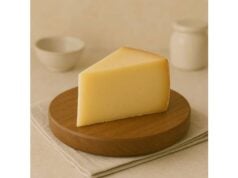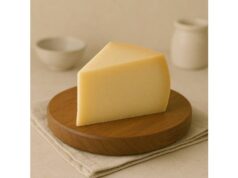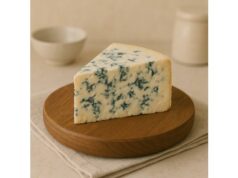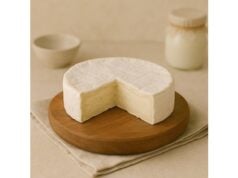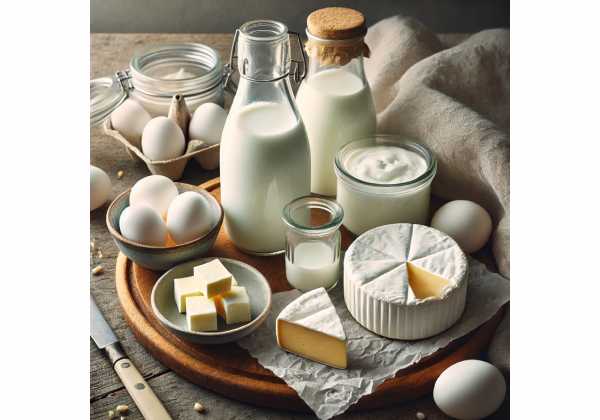
Goat milk has a clean, lightly tangy flavor, a naturally creamy mouthfeel, and an impressive ability to fit into many eating patterns. Its small fat globules and distinctive protein profile give it a smooth texture for sipping, frothing, baking, or culturing into yogurt and cheese. Nutritionally, plain pasteurized goat milk delivers complete protein, bioavailable calcium and phosphorus, potassium, and B vitamins in modest calories per glass. It is not a cure-all for dairy sensitivity—lactose and milk proteins remain—but many people appreciate how well it performs in the kitchen and how easily it pairs with both savory and sweet foods. From morning coffee to soups and sauces, goat milk can replace cow milk in most recipes without complicated adjustments. This guide covers what matters most: how goat milk is produced and handled, what the numbers look like per 100 g, where the evidence for benefits is strongest, who should limit or avoid it, and practical ways to buy, store, and cook with it for peak quality and safety.
Key Takeaways
- Per 100 g, goat milk typically provides ~69 kcal, ~3.6 g protein, and ~10% Daily Value calcium.
- Choose pasteurized goat milk; raw milk carries preventable infection risks.
- A practical serving is 240 ml (1 cup) daily or a few times per week, adjusted to energy needs.
- Avoid goat milk for confirmed cow’s milk protein allergy unless an allergy specialist advises otherwise.
Table of Contents
- Goat Milk: Detailed Overview
- Goat Milk Nutrition Profile
- Evidence-Based Health Benefits of Goat Milk
- Risks, Allergies and Interactions
- Selecting, Quality, Sustainability and Storage
- Preparation, Cooking and Nutrient Retention
- Portions, Comparisons and FAQs
Goat Milk: Detailed Overview
Goat milk is whole milk produced by domesticated goats, filtered and cooled immediately after milking to protect flavor and safety. Most retail products are pasteurized and homogenized; some are ultra-high-temperature (UHT) processed for shelf stability. The milk’s culinary appeal comes from its small fat globules and a slightly different casein profile than typical cow milk. These characteristics create a smooth mouthfeel and a clean, lightly grassy aroma that holds up whether you drink it cold, steam it for coffee, or use it in cooking and baking.
How goat milk differs from cow milk (practical points):
- Texture and flavor: Many tasters describe goat milk as subtly tangy and “fresh.” The smaller fat globules and natural homogenization tendencies reduce creaming separation and can feel silkier on the palate.
- Protein pattern: Goat milk tends to have more A2-type beta-casein and generally less alpha-S1-casein than standard cow milk; however, this is breed- and herd-dependent and does not remove allergy risk.
- Fat composition: Goat milk fat has a relatively higher proportion of short- and medium-chain fatty acids (caproic, caprylic, capric), which influence aroma and are readily oxidized for energy, but total saturated fat remains a meaningful fraction.
Culinary versatility:
- Hot applications: Creamy soups, béchamel, custards, chai, and frothing for cappuccino.
- Cold applications: Smoothies, overnight oats, chia puddings, and simple drinks with cocoa or fruit purée.
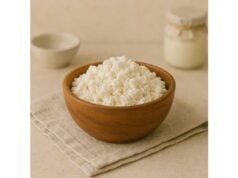
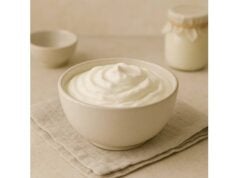
- Fermented products: Goat yogurt, kefir, and soft cheeses (chèvre, feta-style) all begin with quality milk.
What goat milk isn’t:
- A guaranteed solution for “dairy sensitivity.” Lactose remains ~4–5 g per 100 g, and proteins are highly cross-reactive with cow milk in many people with allergy.
- A sole food for infants. Non-formula goat milk lacks appropriate iron, folate, and specific fatty acids for infant needs and should not replace breast milk or properly formulated infant formula.
Bottom line: If you enjoy dairy and want a slightly different flavor and texture, pasteurized goat milk is a nutrient-dense staple that works in nearly any cow-milk recipe with minimal changes. Emphasize quality sourcing, pasteurization, and cold-chain care.
Goat Milk Nutrition Profile
Values below reflect plain, unsweetened, whole goat milk per 100 g. Actual numbers vary with breed, diet, season, and processing. % Daily Value (%DV) uses current adult DVs: total fat 78 g; saturated fat 20 g; cholesterol 300 mg; carbohydrate 275 g; sodium 2300 mg; potassium 4700 mg; calcium 1300 mg; phosphorus 1250 mg; magnesium 420 mg; zinc 11 mg; selenium 55 µg; iodine 150 µg; vitamin A 900 µg RAE; riboflavin 1.3 mg; vitamin B12 2.4 µg; vitamin D 20 µg; choline 550 mg.
Macros and Electrolytes (per 100 g)
| Nutrient | Amount | %DV |
|---|---|---|
| Energy | 69 kcal | — |
| Protein | 3.6 g | 7%* |
| Total Fat | 4.1 g | 5% |
| Saturated Fat | 2.6 g | 13% |
| Carbohydrate (total) | 4.5 g | 2% |
| Total Sugars (lactose) | 4.5 g | — |
| Dietary Fiber | 0 g | 0% |
| Cholesterol | 11 mg | 4% |
| Sodium | 44 mg | 2% |
| Potassium | 204 mg | 4% |
| Water | ~87.7 g | — |
*Protein %DV displayed for context (labeling may omit).
Fats and Fatty Acids (typical, per 100 g)
| Component | Amount |
|---|---|
| Monounsaturated Fat | ~1.1 g |
| Polyunsaturated Fat | ~0.1–0.2 g |
| Short/Medium-Chain (C6:0–C10:0) | ~0.4–0.6 g (combined) |
| Oleic Acid (18:1) | ~0.9–1.2 g |
| Palmitic Acid (16:0) | ~1.0–1.2 g |
| Stearic Acid (18:0) | ~0.15–0.25 g |
Vitamins (per 100 g)
| Vitamin | Amount | %DV |
|---|---|---|
| Vitamin A (RAE) | ~57 µg | 6% |
| Riboflavin (B2) | ~0.14 mg | 11% |
| Vitamin B12 | ~0.07 µg | 3% |
| Vitamin B6 | ~0.05 mg | 3% |
| Niacin (B3) | ~0.28 mg | 2% |
| Pantothenic Acid (B5) | ~0.31 mg | 6% |
| Folate (DFE) | ~1 µg | 0% |
| Vitamin D | 0 µg (unless fortified) | — |
| Choline | ~14 mg | 3% |
Minerals (per 100 g)
| Mineral | Amount | %DV |
|---|---|---|
| Calcium | ~134 mg | 10% |
| Phosphorus | ~111 mg | 9% |
| Magnesium | ~14 mg | 3% |
| Zinc | ~0.3 mg | 3% |
| Selenium | ~1–2 µg | 2–4% |
| Iodine† | ~30 µg (highly variable) | ~20% |
†Iodine in milk fluctuates widely with feed, season, and sanitation practices; individual products may be lower or higher.
Carbohydrates
- Primary carbohydrate is lactose (~4–5 g/100 g). Fermentation (e.g., yogurt, kefir) reduces effective lactose per serving.
Protein and Amino Acids
- Goat milk supplies complete protein (casein and whey). Casein type skews toward A2 beta-casein in many herds, but composition varies and does not ensure tolerance for allergy.
Bioactives
- Naturally occurring milk oligosaccharides (trace levels), casein-derived peptides formed during fermentation, and short/medium-chain fatty acids contribute to functionality and flavor.
Allergens and Intolerance Markers
- Contains milk proteins (caseins, whey) and lactose. Not suitable for dairy allergy. Individual tolerance in lactose maldigestion varies by portion and meal context.
Additives and Fortification
- Plain milk typically includes no additives. Some markets fortify vitamin D; check the label. Ultra-filtered and lactose-free variants alter macronutrients.
Glycemic and Acid–Base Metrics
- Glycemic index: low to moderate for milk; plain milk has a low glycemic load per typical serving due to modest sugars and protein/fat matrix.
- PRAL (acid load): slightly acid-forming to near neutral (about −0.2 per 100 g reported for some datasets).
Evidence-Based Health Benefits of Goat Milk
1) Meaningful calcium and phosphorus in everyday portions. Calcium and phosphorus in milk are highly bioavailable thanks to the dairy matrix (casein micelles, lactose, and minerals acting together). A standard 240 ml glass of goat milk provides roughly 320 mg calcium (≈25% DV) and ≈265 mg phosphorus (≈21% DV), supporting bone and tooth mineralization, especially when intake is distributed across the day and paired with vitamin D sources or fortification.
2) Complete protein that’s easy to use. One cup supplies about 8–9 g of complete protein with all essential amino acids. Protein helps regulate appetite, preserve lean mass, and support recovery after activity. In practical terms, adding a glass of milk to a grain- and vegetable-heavy meal raises protein quality and overall satiety without complex preparation.
3) Potassium and hydration support. Goat milk offers ~490 mg potassium per cup in addition to water and electrolytes, making it a useful component of hydration (particularly when combined with salty or protein-rich foods after exercise). While it is not a sports drink, the mix of fluid, electrolytes, and protein can support post-exercise recovery snacks.
4) Fermentation amplifies advantages. When cultured into yogurt or kefir, goat milk delivers live bacteria that can aid lactose digestion and contribute bioactive peptides that may modestly influence digestive comfort and cardiometabolic markers within an overall healthy diet. Many people who cannot tolerate a glass of milk do fine with a cup of plain yogurt because of microbial lactase activity and lower effective lactose.
5) Flexible fat choices. Whole goat milk is creamy and satisfying, but low-fat versions reduce saturated fat while preserving protein and minerals. If heart health is a priority, using low-fat goat milk in smoothies, overnight oats, or sauces provides nutrients with fewer saturated fats, leaving room for unsaturated fats (olive oil, nuts, seeds) elsewhere in the day.
6) Kitchen utility encourages better meals. Goat milk’s smooth texture and mild flavor help build vegetable-forward and grain-based meals that feel complete—creamy soups without heavy cream, lighter custards, and sauces that coat without greasiness. When a nourishing ingredient makes wholesome foods taste better, it’s easier to maintain a high-quality dietary pattern.
What the evidence does not show. Goat milk is not a treatment for milk allergy, lactose intolerance, or gastrointestinal disease. Claims that A2 beta-casein “fixes” dairy intolerance are overstated; tolerance is individual, and allergic cross-reactivity is common. Likewise, goat milk is not superior to cow milk across all outcomes—choice should reflect taste, availability, sustainability, and personal tolerance.
Practical takeaways: For most healthy adults, pasteurized goat milk is a nutrient-dense option that slots easily into meals. Emphasize portion awareness, choose low-fat if saturated fat is a concern, and remember that cultured goat milk (plain yogurt, kefir) often improves comfort for those with lactose maldigestion.
Risks, Allergies and Interactions
Milk-protein allergy: Goat milk proteins are structurally similar to cow milk proteins, and cross-reactivity is common. For infants, children, or adults with confirmed cow’s milk protein allergy (IgE- or non-IgE-mediated), goat milk is not a safe replacement unless an allergy specialist specifically confirms tolerance. Formulas are a separate clinical decision and should follow pediatric guidance.
Lactose intolerance: Goat milk contains ~12 g lactose per 240 ml serving. Many people with lactose maldigestion tolerate small portions (e.g., 120–180 ml) better, particularly with meals. Fermented goat milk (plain yogurt/kefir) often sits more comfortably than fresh milk because of microbial lactase and lower effective lactose, but responses vary.
Raw milk hazards: Unpasteurized milk can carry pathogens such as Salmonella, E. coli, Campylobacter, and Listeria, posing high risks for severe illness—especially in pregnancy, for older adults, very young children, and immunocompromised individuals. Choose pasteurized goat milk and maintain the cold chain from store to home.
Infant nutrition cautions: Unmodified goat milk should not be used as a primary drink for infants; it lacks the iron, folate, and tailored nutrient ratios required for normal growth. Use only breast milk or appropriately formulated infant formula under pediatric guidance.
Biogenic amines and histamine sensitivity: Fermented dairy (yogurt, aged cheeses) can contain low levels of histamine/tyramine. Individuals with histamine intolerance may need to limit fermented products or choose very fresh items and small portions.
Iodine variability: Goat milk can contribute iodine to the diet, but levels vary widely depending on feed and farming practices. If you must follow a low-iodine diet prior to certain thyroid procedures, coordinate dairy choices with your clinical team and read labels on iodized additives.
Antibiotic residues and contaminants: Responsible producers test milk and exclude treated animals until withdrawal periods clear. In regions with less oversight, residues or contaminants (e.g., aflatoxin M1 from contaminated feed) have been reported. Buying from reputable brands with quality assurance programs reduces risk.
Drug–nutrient interactions: There are no common direct interactions at normal intakes. If you take tetracycline or fluoroquinolone antibiotics, separate doses from dairy by a few hours to avoid reduced absorption.
Who should avoid or limit:
- People with confirmed milk-protein allergy (unless an allergy specialist provides a plan).
- Individuals at high risk of severe infection should avoid raw milk entirely.
- Those on low-lactose or low-FODMAP plans should trial small portions and monitor symptoms.
- People advised to limit saturated fat should prefer low-fat goat milk.
Selecting, Quality, Sustainability and Storage
How to read the label
- Pasteurization: Look for “pasteurized.” UHT options are shelf-stable until opened; they taste slightly “cooked” and are handy for storage.
- Fat level: Whole (≈3–4% fat), 2% (reduced-fat), 1% (low-fat), or nonfat. Match to your saturated-fat targets and culinary use.
- Fortification: Vitamin D fortification varies by country and brand. If vitamin D is a priority, confirm on the label.
- Ultra-filtered/lactose-free: Ultra-filtered versions concentrate protein and calcium; lactose-free goat milk adds lactase enzyme to split lactose into glucose/galactose (sweeter taste).
Quality cues
- Freshness: Pleasantly clean, milky aroma with no sulfur, barnyard, or rancid notes.
- Appearance: Homogeneous white to faintly ivory; minimal creaming if homogenized; no flakes or clumps.
- Taste: Mildly sweet-lactic with a gentle tang; off-flavors (metallic, bitter) suggest oxidation or poor sanitation.
Sustainability notes
- Husbandry: Goats can thrive on browse and marginal lands, supporting diversified agriculture in hilly or arid regions. Impact depends on feed, manure management, and transport.
- Packaging: Larger containers reduce plastic per serving if you consume milk regularly. Recyclability varies locally; rinse and sort properly.
- Food waste reduction: Buy sizes you can finish within 5–7 days after opening; consider UHT cartons as a pantry backup rather than overbuying fresh.
Storage and handling
- Keep at ≤4°C (40°F).
- First in, first out: Place newly purchased milk behind older cartons in your fridge.
- Avoid temperature cycling from frequent door opening; store on an interior shelf.
- After opening, consume within 5–7 days (or by the printed date if sooner).
- If freezing for cooking, leave headspace for expansion and expect a slight texture change upon thawing.
Buying tips
- If flavor intensity is new to you, start with low-fat or blended products; whole goat milk is naturally richer.
- For frothing or coffee, whole milk steams best; for smoothies, low-fat provides creaminess with fewer calories.
Preparation, Cooking and Nutrient Retention
Everyday uses
- Hot drinks: Steam for cappuccino or lattes; goat milk microfoam is fine-grained and stable when fresh and cold before frothing.
- Breakfasts: Pour over oats or granola; blend into smoothies with fruit and peanut butter for a balanced carb-protein-fat mix.
- Cooking: Use in chowders, tomato cream soups (added off heat to avoid curdling), gratins, and sauces.
- Baking: Swap 1:1 for cow milk in muffins, quick breads, pancakes, and custards; its subtle tang brightens batters.
Technique tips to prevent curdling
- Temper with heat: In soups/sauces, remove the pot from direct heat before adding milk; bring back only to a bare simmer.
- Add acid thoughtfully: Lemon, wine, or tomatoes can cause separation. Stabilize with a light starch slurry (1–2 tsp cornstarch per cup of liquid) before adding milk.
- Use fresh milk: Older milk curdles more readily under heat and acid.
- For custards/puddings: Gently scald to 82–85°C (180–185°F) to denature proteins evenly, then cool slightly before combining with eggs.
Culturing and cheesemaking (home overview)
- Yogurt: Heat milk to ~85°C, cool to 42–45°C, add starter (2–3%), incubate 4–8 hours, then chill. Strain for Greek-style.
- Kefir: Inoculate with live grains at room temperature 12–24 hours, strain, and chill.
- Fresh cheese (chèvre-style): Use mesophilic culture and a small amount of rennet; drain curd in cheesecloth to desired texture and salt gently.
Nutrient retention
- Protein and minerals are robust to normal cooking heat.
- Vitamin B2 (riboflavin) and B12 tolerate modest heat but degrade with prolonged light exposure; store in opaque containers or dark fridge sections.
- Vitamin D is present only if fortified; protect fortified milk from light and prolonged high heat to minimize losses.
- Iodine is water-soluble; boiling and discarding cooking liquid reduces iodine contribution.
Flavor pairings
- Savory: Herbs (dill, mint, chives), warm spices (cumin, coriander), mushrooms, spinach, roasted peppers.
- Sweet: Citrus zest, honey, figs, berries, vanilla, cardamom, cocoa.
Safety checkpoints
- Use clean, dry utensils.
- Return unused milk to the fridge promptly.
- Discard if it smells sour/yeasty, tastes bitter, or shows curd particles unrelated to recipe design.
Portions, Comparisons and FAQs
How much goat milk is reasonable?
A 240 ml (1 cup) serving is a practical daily portion for most adults, delivering ~69 kcal per 100 g (≈165–170 kcal per cup), about 8–9 g protein, and ≈25% DV calcium. If you’re balancing saturated fat, select low-fat goat milk for routine use and reserve whole milk for recipes where richness matters.
How does goat milk compare to other milks?
- Cow milk (whole): Similar protein and calcium per cup; flavor is milder. Goat milk has slightly different fat-acid profile and may taste tangier.
- Sheep milk: Richer in fat and protein; creamier and sweeter; more calories per cup.
- Lactose-free dairy milk: Same nutrients as the base milk, but lactose is enzymatically split; sweeter taste.
- Plant-based milks: Wide variation. Fortified soy milk typically matches dairy for protein and calcium; many almond/oat milks are lower in protein. Always check added sugar and fortification.
Is goat milk easier to digest?
Some people report better comfort with goat milk, possibly due to small fat globules and breed-dependent casein patterns, but lactose and milk proteins remain. For lactose maldigestion, plain yogurt or kefir (goat or cow) is often better tolerated than fresh milk.
Does goat milk help with skin or respiratory allergies?
There is no good evidence that drinking goat milk treats eczema, asthma, or allergic rhinitis. For milk-protein allergy, goat milk is not a safe alternative without specialist guidance.
Is raw goat milk healthier?
Raw milk offers no proven advantage over pasteurized milk in nutrients that matter day to day, but it does increase the risk of foodborne illness. Choose pasteurized products.
Can children drink goat milk?
For children who tolerate dairy, pasteurized goat milk can be part of a balanced diet after age 1, alongside iron-rich foods. For infants, use only breast milk or properly formulated infant formula (not plain goat milk), and discuss any changes with a pediatric clinician.
Does goat milk contain vitamin D naturally?
Not in meaningful amounts. Availability depends on fortification or synthesis in animals exposed to sunlight; commercial products often require added vitamin D to help meet daily needs.
Budget and storage tips
- Buy sizes you can finish in 5–7 days after opening.
- Keep one UHT carton in the pantry for backup to reduce waste from overbuying fresh.
- If a recipe needs only a splash, freeze leftover milk in ice-cube trays for sauces and soups.
References
- The Dangers of Raw Milk: Unpasteurized Milk Can Pose a Serious Health Risk 2024 (Guidance)
- Raw Milk | Food Safety 2025 (Guidance)
- Saturated fatty acid and trans-fatty acid intake for adults and children: WHO guideline 2023 (Guideline)
- Goat Milk Allergy and a Potential Role for Goat Milk in Cow’s Milk Allergy 2024 (Review)
- Nutrition Facts for Goat Milk 2024 (Data Reference)
Disclaimer
This guide is educational and does not replace personalized medical advice, diagnosis, or treatment. Dairy tolerance and nutrient needs vary with age, health status, pregnancy, medications, and cultural or ethical preferences. Always consult a qualified healthcare professional or registered dietitian for guidance tailored to your situation. If you suspect foodborne illness or an allergic reaction, seek medical care promptly.
If this article was helpful, please consider sharing it on Facebook, X (formerly Twitter), or any platform you prefer. Your support helps us continue creating clear, evidence-based nutrition resources.