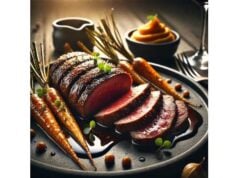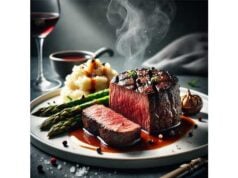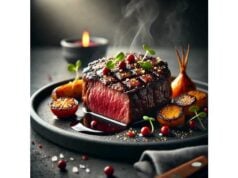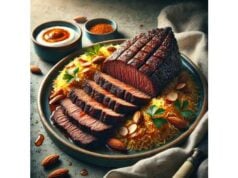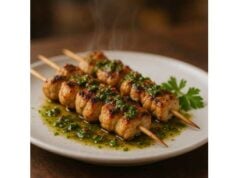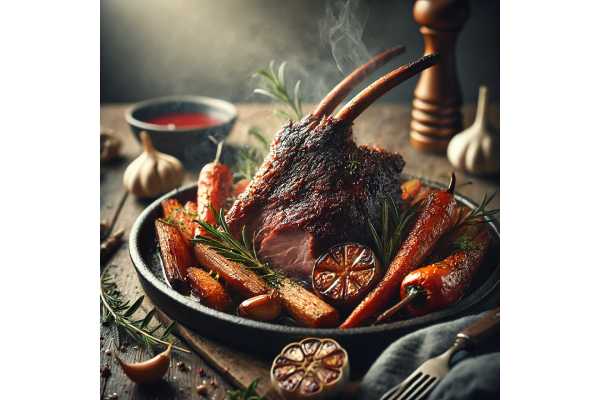
Lean, flavorful, and globally beloved, goat meat (often called chevon or cabrito) is one of the most widely eaten red meats in the world—yet it is underused in many home kitchens. Properly trimmed and cooked, goat offers high-quality protein with relatively little fat and no carbohydrates, along with notable minerals such as iron, zinc, and potassium, and B vitamins that support energy metabolism. Culinarily, it is adaptable: quick-seared chops, slow-braised shanks, aromatic curries, and smoky grills all bring out different sides of its character. Because goat is a working, leaner muscle, it rewards gentle heat, moisture, or patient marination more than aggressive high-heat cooking. As with any animal-sourced food, safe handling and doneness matter, and mindful choices—like trimming external fat and balancing plates with vegetables and whole grains—help goat fit comfortably into heart-conscious eating patterns. This guide brings together everything you need to know: detailed per-100-gram nutrition, realistic benefits and risks, smart shopping and storage, step-by-step cooking for tenderness and nutrient retention, and practical portion guidance for everyday meal planning.
Key Takeaways
- Naturally lean red meat: ≈143 kcal and ~27 g protein per 100 g cooked, roasted, with ~3 g fat.
- Safety: cook whole cuts to 63 °C/145 °F and rest 3 minutes; cook ground goat to 71 °C/160 °F.
- Typical serving: 85–120 g cooked per person, enjoyed 1–2 times weekly within a varied protein rotation.
- Those managing saturated fat, gout, or alpha-gal syndrome should limit or avoid and consult individualized guidance.
Table of Contents
- Goat Meat: Detailed Overview
- Goat Nutrition Profile (per 100 g)
- Evidence-Based Benefits of Goat
- Risks, Allergies and Interactions
- Selecting Goat: Quality, Sustainability and Storage
- Cooking Goat and Nutrient Retention
- Portions, Comparisons and FAQs
Goat Meat: Detailed Overview
Goat is a small-ruminant red meat with a distinct nutritional and culinary profile. Depending on age and feeding, you will see two common market names: cabrito (very young, tender, milder) and chevon (young adult, fuller flavor). Compared with beef or lamb, goat carcasses are leaner and carry more connective tissue relative to fat; the muscles work harder on pasture, which yields a firm texture and deeper mineral notes. Those structural realities shape how best to cook it: moist heat, lower temperatures, and sufficient time are your allies for tenderness.
Flavor varies by cut and method. Loin and rib chops suit quick searing when the meat is high quality and not overcooked. Shoulder and shank excel in braises, stews, and curries, where collagen converts to gelatin and bathes the fibers in moisture. Leg roasts can be marinated and slow-roasted for slicing, while neck and breast bring rich flavor to stocks, biryanis, tagines, and barbacoa-style preparations. Trim visible surface fat for a cleaner, less “lanolin-like” taste, especially on older animals.
Nutritionally, goat provides complete protein with all essential amino acids, heme iron for oxygen transport, zinc for immune support, and B vitamins (notably riboflavin and vitamin B12) for energy metabolism and nerve function. Its total fat content is generally lower than that of lamb or well-marbled beef. Because there is little intramuscular fat, goat dries out quickly if rushed over high heat; pairing techniques to the cut is the secret to keeping it juicy while preserving nutrients.
From a food-systems perspective, goats can thrive on diverse forages and browse shrubs and weeds that cattle ignore. That allows production on marginal lands where other livestock may struggle. Quality and welfare vary widely, so the shopper’s best tools are traceability and trusted suppliers who can answer questions about age class, feeding, and handling. For home cooks, goat rewards simple, aromatic seasoning—garlic, cumin, coriander, rosemary, thyme, cinnamon, cloves, chilies—and acids such as lemon, yogurt, or vinegar to tenderize and brighten.
Finally, safety practices are the same fundamentals you use for other red meats: keep raw meat chilled, segregate cutting boards, wash hands and tools, cook to safe temperatures, and chill leftovers promptly. With that baseline in place, goat becomes an approachable, nutrient-dense option to rotate with poultry, fish, legumes, and other meats through the week.
Goat Nutrition Profile (per 100 g)
Reference form: cooked, roasted goat meat, lean (edible portion). Values per 100 g with sensible rounding. % Daily Value (%DV) reflects current adult DVs where available.
Macros & Electrolytes (per 100 g)
| Nutrient | Amount | %DV |
|---|---|---|
| Energy | 143 kcal | — |
| Protein | 27.1 g | 54% |
| Total Fat | 3.1 g | 4% |
| Saturated Fat | 0.93 g | 5% |
| Carbohydrates | 0.0 g | 0% |
| Cholesterol | 75 mg | — |
| Sodium | 86 mg | 4% |
| Potassium | 405 mg | 9% |
| Water | ~69 g | — |
Fats & Fatty Acids (per 100 g)
| Fatty Acids | Amount |
|---|---|
| Monounsaturated fatty acids (MUFA) | ~1.36 g |
| Polyunsaturated fatty acids (PUFA) | ~0.23 g |
| Omega-3 fatty acids (total) | ~0.02 g |
| Omega-6 fatty acids (total) | ~0.13 g |
| Trans fat | 0 g (not detected) |
Protein & Amino Acids (per 100 g, select)
| Amino Acid | Amount |
|---|---|
| Leucine | ~2.26 g |
| Lysine | ~2.02 g |
| Isoleucine | ~1.37 g |
| Valine | ~1.45 g |
| Threonine | ~1.29 g |
| Methionine | ~0.73 g |
| Phenylalanine | ~0.94 g |
| Tryptophan | ~0.40 g |
Vitamins (per 100 g)
| Vitamin | Amount | %DV |
|---|---|---|
| Riboflavin (B2) | ~0.61 mg | 47% |
| Niacin (B3) | ~4.0 mg | 25% |
| Thiamin (B1) | ~0.09 mg | 8% |
| Vitamin B12 | ~1.18 µg | 49% |
| Folate (DFE) | ~5 µg | 1% |
| Choline (AI) | ~106 mg | — (AI) |
| Vitamin K | ~1.2 µg | 1% |
| Vitamin E | ~0.34 mg | 2% |
| Vitamin D | 0 µg | 0% |
Minerals (per 100 g)
| Mineral | Amount | %DV |
|---|---|---|
| Iron | ~3.8 mg | 21% |
| Zinc | ~5.3 mg | 48% |
| Selenium | ~11.8 µg | 21% |
| Phosphorus | ~201 mg | 16% |
| Potassium | ~405 mg | 9% |
| Sodium | ~86 mg | 4% |
| Calcium | ~17 mg | 1% |
| Copper | ~0.31 mg | 34% |
| Magnesium | — | — |
Glycemic & Acid–Base Metrics
- Carbohydrates: 0 g; sugars: 0 g; starch: 0 g; glycemic load: 0.
- Potential renal acid load (PRAL): positive (typical for meats).
Allergens & Intolerance Markers (context)
- Goat is a mammalian red meat; individuals with alpha-gal syndrome (tick-associated red-meat allergy) may react.
- Goat is naturally gluten-free; sodium content rises with brining, curing, or heavily seasoned mixes.
Notes
- Values reflect lean, cooked, roasted meat. Marbling is minimal in goat; external fat and cooking method affect totals.
- Cholesterol carries no current %DV on labels.
- Fortification is uncommon; plain cuts typically contain no additives.
Evidence-Based Benefits of Goat
1) High-quality protein with a lean profile
Per 100 g cooked, goat provides roughly 27 g of complete protein at about 143 kcal, making it one of the leaner red-meat choices. For many adults, a cooked serving of 85–120 g yields 23–32 g protein, a practical target for building and preserving lean mass, especially when combined with resistance activity and adequate total energy. The amino-acid pattern covers all essentials; leucine and lysine are present in amounts supportive of muscle protein synthesis and tissue repair after daily activity or sport.
2) Iron, zinc, and B-vitamin support
Goat supplies heme iron—more readily absorbed than non-heme iron from plants—plus zinc and vitamin B12, nutrients essential for oxygen transport, immune function, and neurological health. Per 100 g, typical cooked goat offers about 3.8 mg iron (≈21% DV), 5.3 mg zinc (≈48% DV), and roughly 1.18 µg vitamin B12 (≈49% DV). That combination helps individuals who limit other red meats but still benefit from concentrated micronutrients. Riboflavin and niacin add support for energy metabolism.
3) Fits heart-conscious patterns when prepared thoughtfully
Compared with fattier cuts of lamb or beef, trimmed goat is naturally lower in total and saturated fat. Choosing moist-heat methods (braising, stewing, pressure-cooking) or slow roasting with careful temperature control keeps fat additions modest. Substituting goat for richer red meats once or twice per week can help meet targets that limit saturated fat while maintaining culinary satisfaction. Building meals around vegetables, legumes, and whole grains alongside goat further improves the nutrient density of the plate.
4) Culinary versatility that supports adherence
Food enjoyment supports consistency. Goat’s mild-to-robust range adapts to many healthy patterns—Mediterranean tagines, Caribbean and West African stews, Middle Eastern grills, and South Asian curries. Acidic marinades (lemon, yogurt, vinegar) and spice blends (cumin-coriander, cinnamon-clove, garam masala, harissa) let you dial flavor without relying on heavy sugars or cream. Because goat readily absorbs aromatics, small amounts of oil go a long way, and salt can be used sparingly when layers of herbs and spices are present.
5) A smart “rotation” protein
Rotating protein sources distributes nutrient exposure and culinary variety. Adding goat to a weekly roster that includes fish, poultry, eggs, legumes, and occasional beef or pork expands taste and texture options while balancing micronutrient profiles. For athletes, goat can anchor post-training meals; for families, pressure-cooked shoulder or shanks can yield tender, reheatable portions for tacos, grain bowls, or soups across several days.
How to capture these benefits
- Favor lean cuts (leg, loin, trimmed shoulder) and moist-heat for tougher muscles.
- Keep portions around 85–120 g cooked, and pair with vegetables and whole grains.
- Use acidic marinades and aromatics to enhance tenderness and flavor while minimizing added sodium and fat.
Risks, Allergies and Interactions
Foodborne pathogens and safe temperatures
As with other meats, raw goat can harbor bacteria. Reduce risk by separating raw juices from ready-to-eat foods, sanitizing boards and knives, and cooking to safe internal temperatures: 63 °C/145 °F for whole cuts (then rest 3 minutes) and 71 °C/160 °F for ground goat. Chilled leftovers should be refrigerated within 2 hours and reheated to steaming hot throughout.
Undercooking and cross-contamination
Because many goat dishes are stewed or slow-roasted, it is easy to assume they are safe. Verify doneness with a thermometer in the thickest portion and avoid tasting undercooked meat. Use separate trays and tongs for raw and cooked items during grilling. Store raw packages on a tray on the lowest refrigerator shelf to prevent drips.
Allergic considerations
People with alpha-gal syndrome (a tick-associated sensitivity to the carbohydrate galactose-α-1,3-galactose) can react to mammalian meats, including goat. Symptoms range from hives to delayed anaphylaxis; medical diagnosis and tailored avoidance are essential. Allergies to goat milk do not always predict meat reactions, but those with severe cow or goat dairy allergies should exercise caution with cross-contact during butchery and cooking.
Saturated fat and sodium
Although goat is lean, saturated fat can rise in dishes that use substantial added ghee, butter, coconut milk, or fatty trimmings. Sodium can climb with salty marinades, bouillon cubes, or curing. If you are managing blood pressure or LDL cholesterol, trim external fat, measure oils, and favor herbs, spices, citrus, and yogurt-based marinades instead of heavy salt or cream sauces.
Gout and purines
Like other animal proteins, goat contains purines. Individuals with gout or hyperuricemia may benefit from modest portions, adequate hydration, and a dietary pattern emphasizing vegetables, whole grains, and low-fat dairy, alongside clinician-directed therapy.
Pregnancy, older adults, and immunocompromise
Vulnerable groups should avoid undercooked meats and ensure fast cold-chain handling. Choose freshly cooked dishes over long-held hot buffets. Reheat leftovers to steaming hot (≥74 °C/165 °F). Avoid raw-milk goat cheeses served alongside goat dishes unless they are clearly pasteurized.
Medication and condition notes
- Iron overload disorders: Goat is iron-rich; those with hemochromatosis require individualized guidance.
- Renal disease: Mind protein and phosphorus totals across the day as advised by your renal dietitian.
Selecting Goat: Quality, Sustainability and Storage
How to choose quality cuts
- Visuals and aroma: Look for firm, moist meat with a clean, neutral smell. Avoid sticky surfaces, excessive purge, or gray-brown discoloration.
- Age and cut: Younger animals yield milder flavor and finer texture. Leg, loin, and rack are tender; shoulder, neck, shank, and breast are flavorful but need time or moisture.
- Trimming matters: Ask the butcher to remove external fat and silverskin for a cleaner flavor and quicker cooking.
- Grinding: If buying ground goat, choose freshly ground from lean trim and plan to cook to 71 °C/160 °F the same day or freeze promptly.
Labeling and traceability
- Prefer sellers who specify country of origin, production system (pasture-raised, grain-supplemented), and harvest or pack date.
- When possible, buy from processors or farms with transparent handling and temperature controls. Age class (kid, yearling) and breed (e.g., Boer, Kiko, Nubian) can hint at expected tenderness and size.
Sustainability pointers
- Goats can utilize diverse forage and browse shrubs, reducing reliance on cultivated feeds. Managed well, they can help control brush and invasive species.
- Choose local or regional supply chains when available to reduce transport distance.
- Buy whole or half animals through a butcher to lower cost and waste; use a cut sheet to allocate roasts, chops, and stewing meat for your cooking style.
Storage and cold-chain
- Refrigeration: Keep raw goat at ≤4 °C/40 °F. Cook or freeze within 1–2 days for ground meat and 3–5 days for whole cuts, if vacuum-sealed and kept cold.
- Freezing: Wrap tightly to exclude air; store at −18 °C/0 °F. Whole cuts keep quality for 6–12 months, ground goat for 3–4 months.
- Thawing: Thaw in the refrigerator (best) or in cold water, changing water every 30 minutes; cook immediately after cold-water or microwave thawing.
- Leftovers: Cool in shallow containers; refrigerate promptly; consume within 3–4 days; reheat to steaming hot.
Budget savers
- Opt for shoulder, neck, and shank for stews and pressure-cooking; they deliver outstanding flavor at lower cost.
- Save bones for stock—a base for soups, pilafs, or braising grains and legumes.
Cooking Goat and Nutrient Retention
Prep fundamentals
- Trim and pat dry: Remove surface fat and silverskin; moisture control improves browning.
- Season early or marinate smartly: Salt 30–60 minutes ahead, or use acidic marinades (lemon, yogurt, vinegar) 1–12 hours depending on cut thickness. Yogurt’s lactic acid and enzymes tenderize without harshness.
- Spice strategy: Goat loves warm spices—cumin, coriander, cinnamon, cloves, paprika—and fresh notes like rosemary, thyme, mint, and citrus zest.
Core methods that protect texture and nutrients
- Low-and-slow braise (shoulder, shank, neck):
Brown lightly, then simmer covered at gentle heat in an aromatic liquid (stock, tomatoes, wine, or coconut-lightened broth). Target fork-tender; collagen transforms to gelatin, retaining moisture and soluble minerals in the sauce. Skim fat and season at the end. - Pressure-cook for speed:
For stews and curries, pressure-cooking reduces time while preserving B vitamins and minerals in the closed system. Use natural pressure release to avoid drying the fibers. - Roast leg or bone-in shoulder:
Roast at moderate temperatures (e.g., 160–170 °C / 325–340 °F) to the safe minimum 63 °C/145 °F for whole cuts; rest 10–15 minutes before carving. A lower-slower roast helps even doneness with less moisture loss. - Quick-cook tender cuts:
Loin or rib chops do well pan-seared or grilled over medium heat; high flames overcook exteriors before centers are safe. Finish in a low oven if thicker than 2.5 cm (1 in). - Ground goat:
Burgers or kebabs must reach 71 °C/160 °F internally. Mix with finely chopped vegetables or a spoon of yogurt or olive oil to maintain moisture while keeping saturated fat modest.
Retention and balance tips
- Use moist heat and keep cooking liquids in the dish to capture water-soluble B vitamins and minerals.
- Measure added fats; goat is lean and needs less oil than you think—1–2 teaspoons per portion often suffice.
- Mind sodium: Build layers with aromatics; finish with acid (lemon, vinegar) and fresh herbs to brighten without extra salt.
- Pair smartly: Serve with high-potassium vegetables (spinach, roasted carrots), legumes (chickpeas, lentils), and whole grains (bulgur, farro) for fiber and micronutrient balance.
- Food safety: Verify internal temperatures with a thermometer; keep hot foods ≥60 °C/140 °F and cold foods ≤4 °C/40 °F.
Flavor blueprints
- Mediterranean: Garlic, rosemary, lemon, and olive oil; finish with parsley-mint-capers.
- South Asian: Ginger-garlic paste, garam masala, coriander, cumin, turmeric; yogurt-based marinade.
- Caribbean: Green seasoning (scallion, thyme, cilantro), Scotch bonnet, allspice; slow braise to tenderness.
- North African: Ras el hanout, tomato, preserved lemon, olives; low-and-slow tagine.
Portions, Comparisons and FAQs
Practical portions and frequency
- Everyday portion: 85–120 g cooked per person (about 3–4 oz), delivering ~23–32 g protein.
- Active days or higher energy needs: Up to 150–180 g cooked, paired with generous vegetables and whole grains.
- Weekly rhythm: 1–2 goat meals per week fits many balanced patterns that also include fish, poultry, eggs, legumes, and occasional beef or pork.
How goat compares per ~100 g cooked (lean, typical values)
- Goat: ~143 kcal; 27 g protein; 3 g fat; iron ~3.8 mg; zinc ~5.3 mg; carbs 0 g.
- Lamb (lean leg, trimmed): ~206 kcal; ~25 g protein; ~9 g fat; iron ~1.8 mg.
- Beef (sirloin, lean): ~210–230 kcal; ~26 g protein; ~10–12 g fat; iron ~2.5 mg.
- Chicken breast (skinless): ~165 kcal; ~31 g protein; ~3.6 g fat; iron ~1 mg.
- Pork tenderloin: ~170 kcal; ~29 g protein; ~3–4 g fat; iron ~1 mg.
Budget and meal prep
- Buy shoulder or shank for value; batch-cook curry or stew and freeze in meal-size containers.
- Roast a bone-in leg, slice for dinners, then repurpose for wraps or grain bowls.
- Save the roasting juices; chill, lift the hardened fat, and use the gelatin-rich stock for soups.
Frequently asked questions
Is goat “gamey”?
Properly handled and trimmed goat is clean and gently mineral. Strong flavors usually come from older animals or excess exterior fat. Ask for younger cuts and trim surplus fat and silver skin.
Can goat fit into heart-healthy eating?
Yes—goat is naturally lean. Keep saturated fat low across the week, use olive oil sparingly, and serve with vegetables and legumes. Favor stews and braises over deep-frying.
Is goat suitable for low-carb or gluten-free diets?
Plain goat is carb-free and gluten-free. Watch for added sugars in sauces or gluten in breadings.
What internal temperatures are safe?
Whole cuts: 63 °C/145 °F plus a 3-minute rest. Ground goat: 71 °C/160 °F. These temperatures ensure safety while preserving juiciness.
Can I dry-age goat?
Dry-aging is less common due to smaller carcass size and leanness, but controlled short aging can improve tenderness and flavor. It requires strict refrigeration and airflow management by professionals.
Any special considerations for athletes?
Goat’s protein-density makes it a strong post-training option. Pair with potassium-rich vegetables and carbohydrate sources (e.g., rice, potatoes) to replenish glycogen and electrolytes.
References
- USDA FoodData Central 2025 (Database)
- Safe Minimum Internal Temperature Chart for Cooking 2024 (Guideline)
- Saturated Fatty Acid and Trans-Fatty Acid Intake for Adults and Children: WHO Guideline – NCBI Bookshelf 2023 (Guideline)
- Goat Meat: Production and Quality Attributes 2023 (Systematic Review)
- Prevalence of Campylobacter and Salmonella in African food animals and meat: a systematic review and meta-analysis 2020 (Systematic Review)
Disclaimer
This article is for general education and is not a substitute for personalized medical or dietary advice. Always consult your healthcare professional or a registered dietitian for guidance tailored to your health conditions, goals, medications, and allergies. Follow local food safety regulations, cook meats to safe internal temperatures, and purchase from reputable suppliers that maintain strict cold-chain handling.
If this guide helped you, please consider sharing it on Facebook, X (formerly Twitter), or any platform you prefer. Your support encourages us to keep creating accurate, practical nutrition resources.