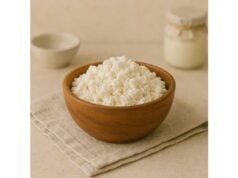
Goat yogurt brings together the gentle tang of fermentation with the distinctive character of goat’s milk. It’s naturally creamy, typically made with live and active cultures, and offers a compact package of calcium, high-quality protein, and B vitamins in a modest-calorie serving. Compared with many cow-milk yogurts, goat yogurt often has a slightly fresher aroma and a delicate tartness that works in both sweet and savory dishes. Many people find it easy to cook with because it holds its body in sauces and dressings and can be strained for a thick, “Greek-style” texture. While goat milk’s protein pattern (more A2-type beta-casein and generally lower alpha-S1-casein) is a talking point, it isn’t a cure-all for dairy sensitivity; lactose and milk proteins remain present. Still, for most healthy adults who enjoy fermented dairy, plain goat yogurt can be a wholesome, versatile staple—on its own, spooned over fruit, whisked into marinades, or blended into smoothies—so long as you choose pasteurized products and keep added sugars in check.
Quick Facts
- Provides about 4–5 g protein and 12% DV calcium per 100 g serving.
- Live cultures can aid lactose digestion and support a balanced gut.
- Typical serving: 170 g (¾ cup), enjoyed most days as part of a balanced diet.
- Contains milk proteins and lactose; avoid if you have dairy allergy or must follow strict lactose-free diets.
- Choose pasteurized goat yogurt; pregnant people and immunocompromised individuals should avoid raw-milk products.
Table of Contents
- Goat Yogurt at a Glance
- Nutrition Profile
- Evidence-Based Health Benefits
- Risks, Allergies and Interactions
- Selecting, Quality, Sustainability and Storage
- Preparation, Cooking and Nutrient Retention
- Portions, Comparisons and FAQs
Goat Yogurt at a Glance
Goat yogurt is made by fermenting goat’s milk with starter cultures—typically Streptococcus thermophilus and Lactobacillus delbrueckii subsp. bulgaricus. During fermentation, bacteria convert lactose into lactic acid, thickening the milk proteins into a soft gel and creating the characteristic tang. Many commercial brands also add additional strains—such as Lactobacillus acidophilus or Bifidobacterium species—to deliver a broader culture profile.
What sets goat yogurt apart is the source milk. Goat’s milk usually contains smaller fat globules and a protein pattern with more A2-type beta-casein and generally lower alpha-S1-casein than typical cow’s milk. This combination yields a naturally velvety mouthfeel and a clean, lightly grassy flavor. Despite popular chatter, goat yogurt is not lactose-free; it simply offers the same fermentation advantages as other plain yogurts, which can make it easier to tolerate for some people with lactose sensitivity.
In the kitchen, goat yogurt is nimble. Use it in breakfast bowls with berries and nuts, fold it into herbed dips (think dill, mint, garlic, olive oil), whisk it into vinaigrettes for a creamy backbone without mayonnaise, or swirl it into soups off the heat to add body without curdling. Strain it through a fine sieve or cheesecloth for several hours to make a thick, spoonable yogurt that stands up to roasting-pan sauces and grain salads. Its bright acidity complements roasted vegetables, grilled lamb, and citrus.
From a nutrition perspective, plain goat yogurt offers high-quality protein, calcium, phosphorus, potassium, and B vitamins (notably riboflavin and B12) with moderate calories. Fat and saturated fat vary by style (nonfat, low-fat, whole), while sugars reflect natural milk lactose rather than added sugars in plain varieties. As with all dairy foods, pasteurization and cold-chain handling are central to safety.
Bottom line: if you enjoy fermented dairy, plain goat yogurt is a flavorful, nutrient-dense option. Prioritize pasteurized, unsweetened products with live cultures and use it daily in small to moderate portions as part of an overall balanced diet.
Nutrition Profile
The following values are typical for plain, unsweetened, whole-milk goat yogurt and are presented per 100 g. Brand-to-brand differences are normal due to milk composition, fat level, and straining. % Daily Values (%DV) use standard adult reference intakes (e.g., calcium 1300 mg, potassium 4700 mg).
Macros and Electrolytes (per 100 g)
| Nutrient | Amount | %DV |
|---|---|---|
| Energy | 72 kcal | — |
| Protein | 4.7 g | — |
| Total Fat | 4.1 g | 5% |
| Saturated Fat | 2.6 g | 13% |
| Trans Fat | 0 g | — |
| Cholesterol | 10 mg | 3% |
| Carbohydrate | 4.7 g | 2% |
| Total Sugars (from lactose) | 4.7 g | — |
| Added Sugars | 0 g | 0% |
| Dietary Fiber | 0 g | 0% |
| Sodium | 50 mg | 2% |
| Potassium | 160 mg | 3% |
Vitamins (per 100 g)
| Vitamin | Amount | %DV |
|---|---|---|
| Vitamin B12 (Cobalamin) | 0.4 µg | 17% |
| Riboflavin (Vitamin B2) | 0.14 mg | 11% |
| Vitamin A (RAE) | 50 µg | 6% |
| Folate (DFE) | 12 µg | 3% |
| Vitamin D | 0 µg (varies if fortified) | — |
Minerals (per 100 g)
| Mineral | Amount | %DV |
|---|---|---|
| Calcium | 150 mg | 12% |
| Phosphorus | 120 mg | 10% |
| Magnesium | 12 mg | 3% |
| Zinc | 0.5 mg | 5% |
| Iodine | ~30 µg* | 20% |
*Iodine varies with animal diet and season.
Fats and Fatty Acids
- Predominantly milk triglycerides with a higher proportion of short- and medium-chain fatty acids (C6:0 caproic, C8:0 caprylic, C10:0 capric) relative to many cow-milk yogurts, contributing to aroma and rapid oxidation for energy.
- Saturated fat is the major fraction; choose low-fat styles if your diet limits saturated fat.
Protein and Amino Acids
- Complete protein with all essential amino acids; fermentation may improve digestibility and peptide bioavailability.
- Goat milk typically contains more A2-type beta-casein; however, this does not eliminate allergy risk.
Carbohydrates
- Naturally occurring lactose (~4–5 g/100 g). Fermentation reduces effective lactose load per serving versus milk and provides microbial beta-galactosidase (lactase) activity at the time of consumption.
Allergens and Intolerance Markers
| Item | Notes |
|---|---|
| Milk Proteins | Caseins (including alpha-S1-casein) and whey proteins (beta-lactoglobulin) present. Not suitable for milk-protein allergy. |
| Lactose | ~4–5 g/100 g; may be better tolerated than milk, but not lactose-free. |
| Histamine | Fermentation can introduce biogenic amines; sensitivity varies. |
Additives and Fortification
- Some brands add pectin, gelatin, or inulin for texture; others fortify with vitamin D. Check labels if you avoid specific additives or require vitamin D fortification.
Glycemic and Acid–Base Notes
- Plain yogurt typically has a low glycemic index; the acidic pH (~4.4–4.6) and protein/fat matrix slow glucose appearance. Sweetened yogurts can raise glycemic impact.
Evidence-Based Health Benefits
Supports lactose digestion and comfort. Live yogurt cultures supply microbial beta-galactosidase (lactase) and partially digest lactose during fermentation. As a result, many people with lactose maldigestion find plain yogurt more comfortable than milk at equivalent lactose doses. Goat yogurt shares this advantage with other unsweetened yogurts.
Nutrient density in moderate calories. A typical 170 g serving (~¾ cup) of whole-milk goat yogurt provides ~8 g of complete protein plus meaningful calcium (≈20% DV), phosphorus, riboflavin, and B12—all useful for bone health, energy metabolism, and red blood cell formation. If you prefer less saturated fat, low-fat versions preserve most minerals and protein with fewer calories.
Gut-friendly fermented dairy. Fermented milks—including yogurt—have been associated with favorable outcomes across digestive comfort and cardiometabolic markers in research examining both mechanistic pathways (microbial metabolites, peptides) and clinical end points. Benefits are most consistent for lactose digestion and modest improvements in certain risk markers when yogurt is part of an overall healthy pattern. Goat yogurt’s culture profile is comparable to cow yogurt, so similar mechanisms apply: lactic acid bacteria can modulate pH, produce bioactive peptides, and interact with the gut microbiota.
Potential cardiometabolic advantages when swapping for less healthy foods. Replacing refined desserts or sugary snacks with plain goat yogurt topped with fruit and nuts can reduce free sugars and increase protein and micronutrients. Observational analyses often link higher yogurt intake with healthier dietary patterns, lower weight gain over time, and improved blood pressure or glucose markers. Although these data cannot prove cause and effect, yogurt is a practical vehicle for nutrient-dense snacks and breakfasts.
Protein quality and satiety. Dairy proteins (whey and casein) trigger satiety signals. A snack of 170 g plain goat yogurt (~8 g protein) paired with fiber-rich fruit and a handful of nuts offers sustained fullness compared with a similar-calorie pastry.
Oral and dental context. The mildly acidic pH is buffered by the yogurt matrix; when eaten with meals, plain yogurt does not pose the same enamel risks as sugary beverages or sticky sweets. Sweetened yogurts, however, add fermentable sugars that can feed oral bacteria—another reason to favor plain.
What the evidence does not show. Goat yogurt is not a remedy for milk allergy, and A2 casein content does not make it hypoallergenic. It also is not inherently superior to cow yogurt for general health; choice should reflect taste, digestive comfort, and overall diet.
Practical takeaways: Choose plain, pasteurized goat yogurt with live cultures; keep portions moderate; and treat flavored products as desserts unless sugars are minimal. Pair with fruit, nuts, whole grains, and vegetables to magnify nutrient benefits.
Risks, Allergies and Interactions
Milk-protein allergy. Goat milk proteins share substantial similarity with cow milk proteins, and cross-reactivity is common. For infants, children, and adults with confirmed cow’s milk protein allergy (IgE- or non-IgE–mediated), goat milk and goat yogurt are not safe substitutes unless your allergy specialist advises otherwise. Formula and pediatric recommendations are separate and should be directed by a clinician.
Lactose intolerance. Even though fermentation reduces the effective lactose load, goat yogurt still contains lactose. Many people with lactose maldigestion tolerate a serving (e.g., 170 g) of plain yogurt, especially with meals, due to live-culture lactase activity. Tolerance varies—adjust portion size to your symptoms.
Raw-milk products. Yogurt made from unpasteurized milk can harbor pathogens, including Listeria monocytogenes, which is particularly dangerous during pregnancy, for older adults, and for immunocompromised individuals. Always select pasteurized goat yogurt and keep it refrigerated; discard at the “use by” date or if off-odors develop.
Biogenic amines. Some fermented foods can contain histamine and tyramine. Individuals with histamine intolerance may react to yogurt; symptoms can include flushing or headaches. If you’re sensitive, test small amounts, choose very fresh products, and avoid long-opened containers.
Medication considerations. There are no common direct drug–food interactions with goat yogurt. However, if you take antibiotics, they can temporarily reduce live-culture counts in your gut; spacing yogurt at least 2–3 hours away from antibiotic doses preserves more organisms. People on strict low-iodine diets before certain thyroid treatments should check dairy portions, as iodine content in milk and yogurt can be appreciable and variable.
Added sugar and sodium. Flavored goat yogurts can contain 10–20 g added sugars per serving. Excess added sugar undermines yogurt’s health value; sodium is generally modest but can rise in savory products.
Food safety and storage. Keep goat yogurt at or below 4°C (40°F), limit time at room temperature, use clean utensils, and seal promptly after opening. Discard if separation is excessive and sour/yeasty odors are strong.
Who should avoid or limit:
- Individuals with confirmed milk-protein allergy (unless medically supervised).
- People at higher risk of severe infection (pregnant, older adults, immunocompromised) should avoid raw-milk yogurts and choose only pasteurized products.
- Those with histamine intolerance may need to limit fermented foods, including yogurt.
- Those on low-lactose or low-FODMAP plans should trial small portions and assess tolerance.
Selecting, Quality, Sustainability and Storage
How to read the label
- Milk source: Look for “pasteurized goat milk.” If you want a thicker texture, choose “strained” or “Greek-style.”
- Cultures: Phrases like “live and active cultures” indicate viable bacteria at packaging. Some brands list individual strains beyond the starters.
- Ingredients: For the cleanest profile, choose plain yogurt with milk and cultures only. Texturizers like pectin or gelatin are optional; inulin or chicory root adds fiber but may bother sensitive guts.
- Fortification: Vitamin D fortification varies by brand. If you rely on yogurt for vitamin D, confirm on the label.
- Added sugars: Flavored products can be high in added sugars. Aim for ≤6–8 g added sugar per 170 g serving, or buy plain and sweeten lightly at home with fruit.
Signs of freshness and quality
- Tight seal, no whey flooding the surface on first open, clean milky aroma (tangy but not yeasty or cheesy), and a uniform, glossy curd. Slight whey separation after a few days is normal; stir back in or pour off for a thicker texture.
Sustainability notes
- Goat husbandry: Goats browse shrubs and marginal lands and can be well-suited to hilly or arid regions, potentially diversifying local agriculture. Environmental impact depends on feed, manure management, and transport.
- Packaging: Choose larger tubs if you consume yogurt frequently to reduce plastic per serving. Recyclability and local recycling rules vary; check caps and films.
- Food waste: Buy sizes you can finish in 5–7 days after opening; strain surplus to extend culinary uses (labneh-style spreads).
Storage and handling
- Keep sealed at ≤4°C (40°F).
- After opening, consume within 5–7 days for best flavor and culture viability.
- Avoid cross-contamination: spoon portions into a bowl rather than dipping used utensils into the tub.
Buying tips
- If you prefer milder flavor, choose low-fat or freshly made yogurt. For richer mouthfeel and cooking, pick whole-milk or strained.
- If you’re evaluating digestibility, start with plain, single-serve cups to assess tolerance before buying larger tubs.
Preparation, Cooking and Nutrient Retention
Using goat yogurt without losing the good stuff
- Heat gently (or not at all). Live cultures are heat-sensitive. Stir yogurt into hot dishes off the heat or right before serving to preserve bacteria activity.
- Stabilize for sauces. To prevent curdling in warm sauces, whisk yogurt with a little cornstarch or flour, temper with warm liquid, then add off heat.
- Strain for thickness. For Greek-style texture, line a sieve with cheesecloth over a bowl and refrigerate 4–12 hours. The drained whey can brighten soups or smoothies.
- Marinades and dressings. The acidity tenderizes proteins and the milk solids help emulsify vinaigrettes. Combine with lemon, garlic, herbs, and olive oil for chicken or vegetable marinades.
- Baking swaps. Replace part of butter or oil with yogurt in quick breads and muffins for moisture and light tang. Start with substituting ¼ cup yogurt per 1 cup fat and adjust texture.
- Breakfast and snacks. Build bowls with fruit, nuts, seeds, and a drizzle of honey if desired. For savory options, top with olive oil, cucumber, mint, and za’atar; serve with pita and tomatoes.
Home yogurt making (overview)
- Heat pasteurized goat milk to ~82–85°C (180–185°F) for 5–10 minutes to denature proteins (improves set).
- Cool to 42–45°C (108–113°F).
- Inoculate with 2–3% starter (a commercial starter or plain goat yogurt with live cultures).
- Incubate steady at 42–45°C for 4–8 hours until set and pleasantly tangy.
- Chill promptly to 4°C to stop fermentation and firm the gel.
- Store covered; use within 7 days.
Retaining nutrients
- Protein and minerals are heat-stable; vitamin B2 and B12 are relatively stable in yogurt.
- Vitamin D is only present if fortified; protect fortified products from prolonged light exposure.
- Added fruit or grains can enhance fiber and micronutrients; keep added sugars modest.
Flavor pairings
- Sweet: berries, cherries, citrus zest, figs, dates, toasted almonds, pistachios, cinnamon.
- Savory: cucumbers, dill, mint, garlic, lemon, roasted beets, olive oil, cumin, smoked paprika.
- Global inspirations: tzatziki-style dips; raitas; labneh drizzled with olive oil and sumac; yogurt-cucumber soups; marinades for lamb or chicken.
Portions, Comparisons and FAQs
How much should I eat?
A practical serving is 170 g (¾ cup) of plain goat yogurt once daily or a few times per week, adjusted to energy needs. Athletes or those emphasizing protein may use larger servings or choose strained varieties for more protein per gram.
How does goat yogurt compare to cow or sheep yogurt?
- Protein: Similar per 100 g; strained styles concentrate protein.
- Fat: Whole-milk goat yogurt resembles whole cow yogurt; sheep yogurt is often richer.
- Flavor: Goat is clean-tart and slightly grassy; cow is neutral; sheep is fuller and sweet-lactic.
- Digestive comfort: Many people with lactose sensitivity tolerate plain yogurt of any milk source better than milk; tolerance is individual.
- Allergy: Goat yogurt is not a safe alternative for cow’s milk allergy unless a clinician advises otherwise.
Is goat yogurt lower in lactose?
Per 100 g, lactose is similar to cow yogurt (roughly 4–5 g). The fermentation process and live cultures—not the animal species—drive the digestibility benefit for many.
What about A2 casein?
Goat milk generally contains more A2-type beta-casein, but this does not automatically translate to symptom relief for everyone. It does not remove allergy risk.
Best style for heart-conscious eaters?
Choose low-fat or strained low-fat plain yogurt to reduce saturated fat while keeping protein and minerals high. Add nuts, seeds, and fruit for a cardiometabolic-friendly snack.
For kids?
Plain, pasteurized goat yogurt can fit children’s diets when dairy is tolerated. Mix with fruit purée to avoid added sugars. Children with milk allergy should avoid goat yogurt unless the care team provides specific guidance.
Lactose intolerance tips
Start with ½ cup (85 g) of plain yogurt with a meal. If tolerated, increase gradually. Strained (Greek-style) yogurt often sits well due to higher solids and lower lactose per protein.
Storage FAQ
- Opened yogurt keeps best 5–7 days refrigerated.
- If it smells yeasty or cheesy, or if the lid bulges, discard.
- Freeze for cooking use (texture softens after thawing; cultures diminish).
Smart swaps
- Replace sour cream with goat yogurt in tacos and baked potatoes.
- Use goat yogurt in creamy salad dressings instead of mayonnaise.
- Make parfaits with whole fruit and nuts instead of flavored cups.
References
- Preventing Listeria Infection 2025 (Guidance)
- The Dangers of Raw Milk: Unpasteurized Milk Can Pose a Serious Health Risk 2024 (Guidance)
- Yogurt, cultured fermented milk, and health: a systematic review 2021 (Systematic Review)
- Beneficial Effects of Yoghurts and Probiotic Fermented Milks and Their Functional Food Potential 2022 (Systematic Review)
- Goat Milk Allergy and a Potential Role for Goat Milk in Cow’s Milk Allergy 2024 (Review)
Disclaimer
This article is for general education and is not a substitute for personalized medical advice, diagnosis, or treatment. Dietary choices—especially with allergies, intolerances, pregnancy, chronic conditions, or medications—should be discussed with your qualified healthcare professional. If you suspect a foodborne illness or an allergic reaction, seek medical care immediately.
If you found this guide useful, please consider sharing it on Facebook, X (formerly Twitter), or any platform you prefer to help others discover reliable, practical nutrition content. Your support helps us continue creating high-quality resources.