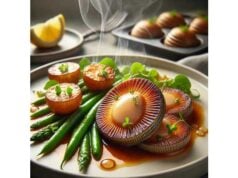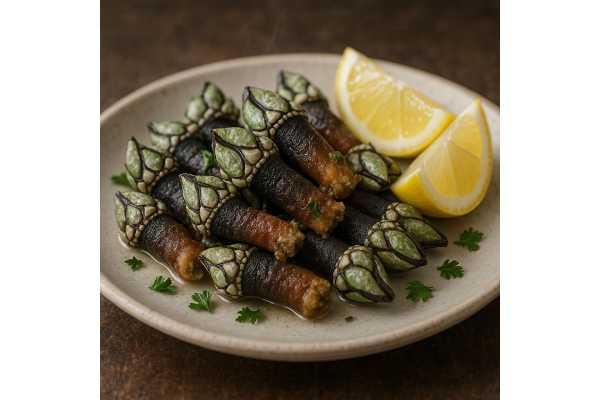
Goose barnacles—also called gooseneck barnacles or “percebes”—are a distinctive wild crustacean prized along rugged Atlantic coasts. Beneath their armored plates lies a tender peduncle (stalk) with a clean, oceany flavor and a pleasantly firm bite. As a food, goose barnacle meat is naturally lean, high in protein, and a notable source of select minerals and B vitamins—especially vitamin B12 and selenium. The catch is seasonal, highly regulated, and often hand-harvested from wave-swept rocks, which is part of why the ingredient is both sought-after and expensive. In the kitchen, the simplest preparations showcase its briny sweetness: a quick boil in seawater or salted water, a short steam, or a brief kiss on a hot griddle. This guide walks you through what matters most—nutritional value per 100 g, potential health benefits, allergen and safety considerations, how to select and store them, smart cooking methods that protect nutrients, and practical portions and comparisons.
Quick Overview
- Naturally lean, high-protein crustacean with significant vitamin B12 and selenium per 100 g.
- Shellfish allergen; buy from reputable sources to avoid marine biotoxin risks and always cook fully.
- Typical cooked serving: 100–150 g meat (about 400–600 g in shell) once or twice per week.
- People with shellfish allergy, gout prone to flare-ups, or during pregnancy if not fully cooked should avoid or be cautious.
Table of Contents
- Goose Barnacle Detailed Overview
- Goose Barnacle Nutrition Profile
- Evidence-Based Health Benefits
- Risks, Allergies and Interactions
- Selecting, Quality, Sustainability and Storage
- Preparation, Cooking and Nutrient Retention
- Portions, Comparisons and FAQs
Goose Barnacle Detailed Overview
Goose barnacles (most commonly Pollicipes pollicipes) are stalked barnacles that live attached to wave-battered rocks, often in tight clusters. Each animal has a leathery, edible peduncle (the “stalk”) capped by small, pale plates that protect the internal organs. The meat you eat is primarily from the peduncle, which delivers a delicate salinity, subtle sweetness, and a texture somewhere between clam and lobster.
Sourcing and availability. Goose barnacles are wild and strictly regulated in many regions. Licensed harvesters work narrow low-tide windows on hazardous shores, which keeps volumes low and prices high. In Spain and Portugal they’re treasured as winter delicacies; smaller fisheries also exist along parts of France and North Africa. Because stocks are localized and access is weather-dependent, availability fluctuates week to week.
Culinary uses. The classic method is minimalist: boil for 60–90 seconds in seawater or well-salted water, drain, and serve warm. The skin of the stalk slips off easily to reveal the meat. Other fast methods—steaming, plancha (flat-top griddle), or a brief sauté with garlic and parsley—work well. Goose barnacle meat is also chopped into seafood salads, folded into rice dishes, or served chilled with lemon.
Taste and texture. Expect a clean ocean aroma, a touch of sweetness, and an elastic, meaty bite. When properly cooked, the flesh is juicy and springy; overcooking makes it rubbery. Because the peduncle is pure muscle and connective tissue, it responds best to high heat for a very short time.
Nutrition at a glance. Per 100 g edible portion, goose barnacle meat is low in calories (~59 kcal), provides ~13.6 g protein, and virtually no carbohydrates or saturated fat. It contributes minerals like calcium, magnesium, phosphorus, potassium, and particularly selenium, and it’s outstanding for vitamin B12. Sodium is naturally low unless cooked or stored in brine.
Who it suits. It’s a good fit for protein-forward, lower-fat eating patterns and for people seeking marine-sourced micronutrients. As with all shellfish, it’s not appropriate for anyone with shellfish allergy; people prone to gout may wish to limit portions because crustaceans contain purines.
What this guide covers. You’ll find a detailed, per-100 g nutrition table with % Daily Value (%DV), current safety guidance (including biotoxin and mercury considerations), how to choose high-quality product and store it safely, and simple cooking techniques that protect texture and nutrients.
Goose Barnacle Nutrition Profile
Reference portion for the tables: 100 g edible meat (peduncle), cooked.
Daily Values (%DV): Based on adult DVs used on U.S. labels (energy in kcal; sodium DV 2,300 mg; potassium 4,700 mg; calcium 1,300 mg; iron 18 mg; iodine 150 µg; magnesium 420 mg; phosphorus 1,250 mg; zinc 11 mg; selenium 55 µg; thiamin 1.2 mg; riboflavin 1.3 mg; niacin 16 mg; vitamin B6 1.7 mg; folate 400 µg DFE; vitamin B12 2.4 µg; vitamin C 90 mg; vitamin A 900 µg RAE; vitamin D 20 µg; vitamin E 15 mg). Natural variation by habitat and season is expected.
Macros & Electrolytes (per 100 g)
| Nutrient | Amount | %DV |
|---|---|---|
| Energy | 59 kcal | — |
| Protein | 13.6 g | — |
| Total fat | 0.5 g | — |
| Saturated fat | 0.01 g | — |
| Carbohydrate | 0 g | — |
| Fiber | 0 g | — |
| Sodium | 18 mg | 0.8% |
| Potassium | 330 mg | 7% |
| Water | 85.9 g | — |
Protein & Amino Acids
- Quality: Marine crustacean proteins are complete, providing all essential amino acids. Goose barnacle meat is predominantly myofibrillar protein with minimal intramuscular fat, supporting satiety at low energy cost.
- Applications: Helpful in high-protein, calorie-controlled meal plans, and as a lean alternative to fattier shellfish.
Fats & Fatty Acids
- Total fat is very low (~0.5 g/100 g). The species contains beneficial long-chain omega-3 fatty acids (EPA and DHA) in small amounts relative to oily fish; the hepatopancreas (not typically consumed in goose barnacles) concentrates more fat-soluble nutrients.
Vitamins (per 100 g)
| Vitamin | Amount | %DV |
|---|---|---|
| Thiamin (B1) | 0.3 mg | 25% |
| Riboflavin (B2) | 0.6 mg | 46% |
| Niacin (B3) | 3.0 mg | 19% |
| Vitamin B6 | 0.22 mg | 13% |
| Folate | 7 µg | 2% |
| Vitamin B12 | 15 µg | 625% |
| Vitamin C | 0 mg | 0% |
| Vitamin A (RAE) | trace | 0% |
| Vitamin D | trace | 0% |
| Vitamin E | 0.85 mg | 6% |
Minerals (per 100 g)
| Mineral | Amount | %DV |
|---|---|---|
| Calcium | 126 mg | 10% |
| Magnesium | 94 mg | 22% |
| Phosphorus | 157 mg | 13% |
| Potassium | 330 mg | 7% |
| Zinc | 0.5 mg | 5% |
| Iron | 0.3 mg | 2% |
| Selenium | 28.8 µg | 52% |
| Iodine | 58 µg | 39% |
| Sodium | 18 mg | 0.8% |
Allergens & Intolerance Markers
- Allergen: Crustacean shellfish (tropomyosin and related proteins) can trigger IgE-mediated reactions. Cross-reactivity among crustaceans is common.
- Purines: Crustaceans contain purines that metabolize to uric acid; individuals with gout or hyperuricemia may need to moderate intake.
Contaminants/Residues
- Marine biotoxins: As filter feeders living in dynamic coastal zones, barnacles can accumulate algal toxins when conditions allow; commercial harvests are typically halted when monitoring detects risk.
- Heavy metals: Elemental profiles vary by harvest site; reputable fisheries monitor levels and comply with safety limits.
Footnote on fortification & additives: Values reflect the natural, unprocessed edible peduncle. Processed or brined products may contain added sodium; check labels if using jarred or canned forms.
Evidence-Based Health Benefits
1) High-quality protein with minimal calories. At roughly 13–14 g protein and only ~59 kcal per 100 g, goose barnacle meat delivers concentrated protein with very little fat or carbohydrate. This makes it useful in weight-management strategies where protein supports satiety and muscle maintenance without driving calorie intake. It’s also naturally low in saturated fat.
2) Exceptional vitamin B12 source. With about 15 µg B12 per 100 g (over six times the adult Daily Value), goose barnacles help correct or prevent B12 shortfalls—particularly relevant for older adults with reduced absorption and for people who consume little red meat. Vitamin B12 supports red-blood-cell formation and neurologic function.
3) Meaningful selenium and iodine. Selenium (about half the DV per 100 g) contributes to antioxidant enzymes (e.g., glutathione peroxidases) and supports thyroid hormone activation. Iodine (about 39% DV) is a structural component of thyroid hormones. Together, these nutrients help maintain normal metabolic rate and protect against oxidative stress.
4) Moderate minerals for muscle and nerve function. Magnesium (~22% DV) and potassium (~7% DV) support muscle contraction, nerve transmission, and electrolyte balance. Phosphorus (~13% DV) participates in bone mineralization and energy metabolism.
5) Omega-3s in a lean package. Even though total fat is low, marine crustaceans contribute small amounts of EPA and DHA. In mixed-seafood diets, these incremental omega-3s add up, contributing to cardiovascular and anti-inflammatory benefits seen with regular seafood intake.
6) Low natural sodium. Unsalted barnacle meat is naturally low in sodium (~18 mg/100 g). For people managing blood pressure, choosing fresh, unbrined product and salting cooking water lightly preserves this advantage.
7) Culinary versatility that supports adherence. Because they cook in under two minutes and pair with simple ingredients (lemon, olive oil, herbs), goose barnacles make it easier to keep seafood on the menu. Ease of preparation matters for long-term adherence to recommended seafood frequency.
How this fits into a weekly plan. General healthy-eating guidance favors at least two seafood servings per week from varied species. Goose barnacles can fill one of those servings when available, especially alongside oily fish (for omega-3 density) and bivalves (for iron and zinc), balancing the micronutrient profile across the week.
Risks, Allergies and Interactions
Shellfish allergy. Goose barnacles are crustaceans, and crustacean shellfish are among the most common triggers of IgE-mediated food allergy. Reactions can include hives, gastrointestinal symptoms, wheeze, and anaphylaxis. Cross-reactivity among crustaceans is frequent, so people allergic to shrimp, crab, or lobster should avoid goose barnacles unless specifically cleared by an allergy specialist. Anyone with a known shellfish allergy should carry prescribed emergency medication and follow their action plan.
Marine biotoxins and harvest closures. Harmful algal blooms can produce toxins (e.g., lipophilic shellfish toxins, domoic acid, paralytic shellfish toxins) that concentrate in certain shellfish. Regulatory agencies monitor coastal waters and close fisheries when thresholds are exceeded. Buy only from reputable sellers who follow local closures and testing. Home cooking does not reliably neutralize all marine biotoxins.
Microbial hazards. As with other seafood, handle and store goose barnacles cold (≤4 °C/40 °F) and cook thoroughly. Quick cooking to doneness minimizes bacterial risks while preserving texture.
Heavy metals and environmental contaminants. Element profiles depend on geography and local industrial inputs. Commercial monitoring programs reduce risk by tracking contaminants at the harvest level. If you forage privately, you assume those risks—know local advisories.
Purines and gout. Crustaceans contain purines; high-purine diets can exacerbate gout in susceptible individuals. If you’ve had gout attacks, keep portions modest and spread seafood intake across the week.
Pregnancy and vulnerable groups. Pregnant and breastfeeding individuals are encouraged to include a variety of low-mercury seafood weekly; goose barnacles are a lean option when fully cooked and sourced from safe waters. Avoid raw or undercooked shellfish to reduce the risk of foodborne illness.
Medication interactions. No direct drug–nutrient interactions are typical, but people on sodium-restricted diets should account for any added salt during cooking or brined products.
Who should limit or avoid.
- Anyone with a crustacean shellfish allergy.
- Individuals with a history of severe gout flares.
- People who cannot ensure safe, fully cooked preparation (e.g., high-risk immunocompromised groups).
- Foragers in unmonitored waters (biotoxin/contaminant risk).
Selecting, Quality, Sustainability and Storage
How to choose.
- Freshness cues: Look for firm, intact peduncles with tight, moist skin and clean, oceany aroma—never sour or ammonia-like. Plates (the white “nails”) should be unbroken and not slimy.
- Moisture and temperature: The product should be kept chilled on ice but not submerged in meltwater.
- Size: Smaller to medium stalks (about finger-thickness) often cook most evenly and stay tender. Very large peduncles can be tougher.
Sourcing and traceability.
- Licensed harvests: Favor sellers who can identify harvest area and date. Many regions assign tags or documents to legal catches.
- Closed seasons and limits: Choosing legally harvested product supports stock conservation and coastal livelihoods.
- Aquaculture: True aquaculture of goose barnacles is not yet common at scale; most product is wild.
Sustainability notes.
- Local management matters: Coastal authorities typically regulate size limits, catch quotas, and seasonal closures. Buying from reputable dealers who follow these rules helps protect fragile intertidal ecosystems.
- Bycatch and habitat: Harvest is manual and targeted, producing minimal bycatch; however, access is dangerous, and illegal collecting can damage rocky shore habitats. Responsible sourcing is essential.
Storage and shelf life.
- At home: Keep chilled as close to 0–4 °C (32–40 °F) as possible with good drainage. Plan to cook the same day or within 24 hours of purchase.
- After cooking: Cool quickly and refrigerate in a covered container; use within 1–2 days.
- Freezing: Quality declines when frozen; texture can toughen. If freezing, cook first, cool, and freeze the meat in airtight packaging for up to 2 months.
Yield and planning.
- Edible portion: Only a small fraction of total weight is edible meat. As a rule of thumb, 400–600 g in shell yields roughly 100–150 g meat, depending on size and water content. Plan purchases accordingly when serving guests.
Preparation, Cooking and Nutrient Retention
Core principle: High heat, very short time. The goal is just to heat through and pop the skin so it slips off easily while the meat stays juicy.
Quick-boil method (classic).
- Bring a pot of seawater or heavily salted water (about 30–35 g salt per liter) to a rolling boil.
- Add goose barnacles; cook 60–90 seconds (up to ~2 minutes for very large pieces).
- Drain immediately; rest 30 seconds.
- To eat, pinch the plate end, tug gently, and peel the skin from the peduncle to reveal the meat.
Steaming method (subtle salinity).
- Steam over vigorously boiling water for 2–3 minutes. This concentrates aroma and avoids water leaching. Season lightly after cooking.
Plancha or skillet.
- Heat a heavy pan until very hot. Add barnacles and a splash of water or white wine; cover for 60–90 seconds to steam-sear. Finish with olive oil, parsley, and lemon.
Flavor pairings.
- Lemon or vinegar mignonette; extra-virgin olive oil; parsley or chives; garlic rubbed on the warm shells; crushed red pepper; or a simple aioli for dipping.
Nutrient retention tips.
- Time and temperature: Overcooking squeezes out juices and can toughen protein without adding safety.
- Salt control: If watching sodium, steam or boil in lightly salted water and season at the table. The meat’s natural sodium is very low; avoid brined products.
- Serving with nutrient synergy: Pair with vitamin C–rich sides (citrus, tomatoes, peppers) to aid iron absorption, and include leafy greens or whole grains to round out folate and fiber.
Food safety checkpoints.
- Rinse briefly under cold running water to remove debris.
- Cook the same day, keep cold until cooking, and minimize time in the temperature danger zone (5–60 °C / 41–140 °F).
- Discard any pieces with off smells or visible spoilage.
Portions, Comparisons and FAQs
What’s a sensible portion?
- A practical cooked portion is 100–150 g meat per person (about 400–600 g in shell). Because they’re lean and mildly seasoned, this portion pairs well with olive-oil-based salads, crusty bread, or potatoes.
How often can I eat them?
- As part of a varied seafood pattern—aiming for 2+ seafood meals per week—goose barnacles can appear once or twice weekly when in season, balancing with oily fish (salmon, sardines) for omega-3 density and with bivalves (mussels, clams) for iron and zinc.
How do they compare with other shellfish?
- Versus shrimp: Similar protein but typically lower sodium when cooked unsalted; shrimp often have added brines.
- Versus mussels/clams: Goose barnacles are leaner and higher in B12 per 100 g, but mussels often provide more iron and omega-3s.
- Versus oysters: Oysters excel in zinc; goose barnacles excel in B12 and selenium while staying very low in fat and sodium.
Are they high in cholesterol?
- Cholesterol content is much lower than many other shellfish. For most people, dietary cholesterol has less impact on blood cholesterol than saturated fat intake and overall diet quality.
Can I eat them if I’m pregnant?
- Yes—fully cooked goose barnacles from reputable, monitored sources can fit into a pregnancy seafood plan. Avoid raw or undercooked shellfish.
Do they contain iodine?
- Yes. Expect ~58 µg iodine per 100 g (about 39% DV), contributing meaningfully to thyroid health when included in a varied seafood diet.
Why are they so expensive?
- Hazardous, labor-intensive harvests on exposed rocks, strict quotas, and short seasons keep supply limited. Responsible sourcing supports coastal communities and stock conservation.
Any etiquette or serving tips?
- Serve warm on a towel-lined platter to catch juices. Provide small bowls for skins, lemon wedges, and a gentle hand wash or moist towels—eating them is pleasantly hands-on.
References
- EAACI Guidelines on the Management of IgE-Mediated Food Allergy 2024 (Guideline)
- Advice about Eating Fish 2024 (Guideline)
- Ciguatoxins and other marine biotoxins 2023 (Guidance/Topic)
- Elemental Chemometrics as Tools to Depict Stalked Barnacle (Pollicipes pollicipes) Harvest Locations and Food Safety 2022 (Open-access study)
- Percebe 2018 (Composition sheet)
Disclaimer
This article provides general nutrition and safety information for educational purposes and is not a substitute for personalized medical advice, diagnosis, or treatment. Always consult a qualified healthcare professional regarding specific health conditions, allergies, medications, pregnancy, or dietary needs. If you suspect a food allergy or have had severe reactions, seek care from an allergy specialist and follow your prescribed emergency plan.
If you found this guide helpful, please consider sharing it on Facebook, X (formerly Twitter), or your preferred platform. Your support helps us continue creating clear, trustworthy nutrition content.