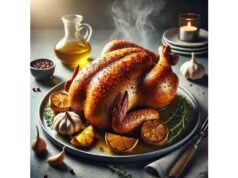
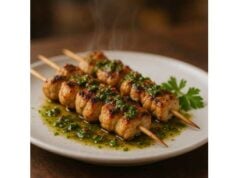
Goose is a richly flavored poultry prized for crisp skin, succulent meat, and a cooking fat that chefs treat like liquid gold. Beyond its reputation as a holiday centerpiece, goose can be a nutrient-dense choice when you manage the skin and preparation. Meat-only portions deliver high-quality protein with iron, zinc, and B vitamins; skin-on portions add calories and saturated fat along with prized monounsaturated fat (oleic acid). Goose excels in both European and Asian kitchens—think slow-roasted legs, rosy pan-seared breasts, aromatic soups, and confit that turns leftovers into weeknight luxuries. As with all poultry, safe temperatures and careful handling are essential. This guide distills the essentials: a clear per-100-gram nutrition profile, evidence-based benefits, realistic risks and allergies, sustainability and sourcing tips, practical storage timelines, and step-by-step cooking methods that protect tenderness and nutrients. You will also find portion guidance, comparisons with chicken, duck, and beef, and answers to common questions so you can place goose confidently—and deliciously—into your meal rotation.
Top Highlights
- Protein-rich: ~29 g protein per 100 g (meat only, roasted) with iron, zinc, and B vitamins.
- Safety first: cook all poultry to 74 °C/165 °F; avoid cross-contamination in the kitchen.
- Typical serving: 85–120 g cooked meat, 1–2 times weekly; trim skin to reduce saturated fat.
- Limit or avoid if managing saturated fat or with poultry allergy; be cautious with confit and cured products due to sodium.
Table of Contents
- Goose Meat: Detailed Overview
- Goose Nutrition Profile (per 100 g)
- Evidence-Based Benefits of Goose
- Risks, Allergies and Interactions
- Selecting Goose: Quality, Sustainability and Storage
- Cooking Goose and Nutrient Retention
- Portions, Comparisons and FAQs
Goose Meat: Detailed Overview
Goose is poultry, but it behaves more like red meat in the pan: darker color, higher myoglobin, and a robust, mineral-tinged flavor. Breeds and farming systems shape the experience. Domesticated goose—often Embden, Toulouse, or Chinese breeds—has a thick, renderable fat cap beneath the skin. Wild geese (e.g., Canada goose) are leaner and more muscular with a gamier profile. Cuts mirror duck and chicken but are larger: breasts (magret-style) for pan-searing or roasting to a juicy interior; legs and thighs for braising or confit; wings and neck for stocks and slow stews. Rendered goose fat behaves like a high-quality cooking medium with a clean, savory flavor and a predominance of monounsaturated fatty acids.
What sets goose apart nutritionally is the spread between meat-only and skin-on servings. Meat-only, cooked and trimmed, is a high-protein option with moderate fat; add skin and you add significant energy and saturated fat along with culinary pleasure. That means you can “dial” richness up or down by trimming, scoring, and rendering. In practice, many home cooks roast whole goose for celebrations, collect the rendered fat for later (potatoes, root veg, greens), and reserve leg meat for confit or next-day meals.
Flavor pairings reward acidity and aromatics: citrus, apple, sour cherry, and pomegranate balance richness; garlic, thyme, rosemary, juniper, five-spice, and star anise add complexity; bitter greens (endive, radicchio, mustard) cut through fat; grains and legumes provide satisfying ballast. Goose also plays well with smoke—grilling or roasting over hardwoods adds depth without heavy sauces.
From a safety perspective, treat goose as poultry: avoid cross-contamination, cook thoroughly, and refrigerate promptly. For best texture, render fat gradually (especially from skin-on breasts and whole birds) and give cooked goose a rest before slicing so juices redistribute. Finally, sustainability and ethics matter: favor producers who prioritize water, feed quality, and humane handling; if you choose wild goose, ensure legal, sustainable harvesting and proper field care to preserve quality and safety.
Goose Nutrition Profile (per 100 g)
Reference forms used below:
- Meat only, cooked, roasted, skinless (primary table).
- Meat and skin, cooked, roasted (contrast table).
Values per 100 g; sensible rounding shown. % Daily Value (%DV) uses current adult DVs where available.
Macros & Electrolytes — Meat Only (per 100 g)
| Nutrient | Amount | %DV |
|---|---|---|
| Energy | 238 kcal | — |
| Protein | 29.0 g | 58% |
| Total Fat | 12.7 g | 16% |
| Saturated Fat | 4.0 g | 20% |
| Carbohydrates | 0.0 g | 0% |
| Sodium | 80 mg | 3% |
| Potassium | 360 mg | 8% |
| Water | ~57 g | — |
| Cholesterol* | 89 mg | — |
*No current %DV established for cholesterol on labels.
Fats & Fatty Acids — Meat Only (per 100 g)
| Fatty Acids | Amount |
|---|---|
| Monounsaturated fatty acids (MUFA) | ~5.0 g |
| Polyunsaturated fatty acids (PUFA) | ~1.6 g |
| Omega-3 fatty acids (n-3) | ~0.15 g |
| Omega-6 fatty acids (n-6) | ~1.4 g |
| Trans fat | 0 g (not detected) |
Protein & Amino Acids — Meat Only (per 100 g, select)
| Amino Acid | Amount |
|---|---|
| Leucine | ~2.3 g |
| Lysine | ~2.4 g |
| Isoleucine | ~1.4 g |
| Valine | ~1.5 g |
| Threonine | ~1.2 g |
Vitamins — Meat Only (per 100 g)
| Vitamin | Amount | %DV |
|---|---|---|
| Thiamin (B1) | 0.13 mg | 11% |
| Riboflavin (B2) | 0.35 mg | 27% |
| Niacin (B3) | 5.5 mg | 34% |
| Vitamin B6 | 0.25 mg | 15% |
| Vitamin B12 | 0.60 µg | 25% |
| Vitamin E | 0.7 mg | 5% |
| Vitamin K | 3.5 µg | 3% |
| Folate | 12 µg | 3% |
| Vitamin D | 0.1 µg | 1% |
Minerals — Meat Only (per 100 g)
| Mineral | Amount | %DV |
|---|---|---|
| Iron | 2.9 mg | 16% |
| Zinc | 3.2 mg | 29% |
| Selenium | 20 µg | 36% |
| Phosphorus | 300 mg | 24% |
| Copper | 0.20 mg | 22% |
| Calcium | 15 mg | 1% |
| Magnesium | 22 mg | 5% |
Glycemic & Acid–Base Metrics
- Carbohydrates: 0 g; sugars: 0 g; starch: 0 g; glycemic load: 0.
- Potential renal acid load (PRAL): positive (typical for meats).
Contrast: Meat and Skin (per 100 g)
Useful for whole-roast servings with skin.
| Nutrient | Amount | %DV |
|---|---|---|
| Energy | ~305 kcal | — |
| Protein | ~25.2 g | 50% |
| Total Fat | ~21.9 g | 28% |
| Saturated Fat | ~6.9 g | 34% |
| Sodium | ~70 mg | 3% |
| Potassium | ~329 mg | 7% |
| Iron | ~2.8 mg | 16% |
Allergens & Intolerance Markers
- Goose is poultry; primary allergy is uncommon but documented. Cross-contact can occur in kitchens that also handle eggs or chicken.
Contaminants/Residues (context)
- As with other poultry, residues and microbial risks depend on husbandry, processing hygiene, and storage. Choosing reputable suppliers and following safe cooking temperatures mitigate risk.
Additives & Fortification
- Plain goose is not fortified. Sodium rises with brining, curing, or seasoned mixes.
Evidence-Based Benefits of Goose
1) High-quality protein with blood-building minerals
Meat-only goose portions deliver roughly 29 g protein per 100 g, covering all essential amino acids for muscle maintenance, tissue repair, and immune function. Compared with chicken breast, goose provides more heme iron, a well-absorbed form that supports hemoglobin formation, and meaningful zinc, which participates in hundreds of enzyme reactions. For many adults, an 85–120 g cooked serving supplies about 25–35 g protein with 14–20% of daily iron needs and a sizable share of zinc—useful for people who limit beef but still want concentrated micronutrients from animal foods.
2) Favorable culinary fat profile when managed wisely
Goose fat—especially from skin-on roasts—contains substantial monounsaturated fatty acids (MUFA), notably oleic acid, alongside some saturated fat and a modest amount of polyunsaturated fatty acids (PUFA). This composition, plus its clean taste and high utility in the kitchen, explains why rendered goose fat is prized for crisp, even browning. If you render and drain (or simply remove the skin at the table), you can enjoy goose meat’s flavor with less saturated fat. The fat you reserve can be used judiciously for vegetables and potatoes, where a spoonful goes a long way.
3) Versatility that supports healthier patterns
Goose adapts to many cuisines and cooking styles. Legs respond beautifully to low-and-slow braises with tomatoes, greens, or legumes (capturing minerals and B vitamins in the cooking liquid). Breasts shine with pan searing and a short roaster finish, paired with citrus or berry sauces that add acidity without heavy cream. This versatility makes it easier to meet nutrition goals—especially when you build plates with whole grains, beans, and a big salad to temper richness.
4) Useful rotation protein
Rotating proteins broadens nutrient coverage and reduces reliance on any single food. Alternating goose with fish, chicken, eggs, dairy, and plant proteins increases variety (and enjoyment) while distributing exposure to different fatty acid patterns. For endurance athletes or active individuals, goose offers a compact source of protein and iron that can anchor recovery meals after training.
5) Satisfaction and culinary tradition
Food enjoyment improves adherence to any healthy pattern. Goose connects to culinary traditions—from Central and Eastern European roasts to Cantonese preparations and French confit—bringing pleasure and social meaning to the table. Approached with sensible portions and smart technique, those traditions can fit comfortably into modern nutrition goals.
How to apply these benefits
- Choose meat-only or well-rendered servings when you want leaner plates.
- Pair goose with acidic sauces (orange, pomegranate, sour cherry) and fiber-rich sides to balance energy density.
- Save rendered fat for later and use measured amounts (a teaspoon per portion) to finish vegetables.
Risks, Allergies and Interactions
Foodborne pathogens and safe doneness
Treat goose like any poultry: avoid cross-contamination, keep raw juices away from ready-to-eat foods, and cook thoroughly. Use a thermometer and target 74 °C/165 °F in the thickest part of the breast or thigh (and in the center of any stuffing). Rest whole birds before carving so juices redistribute safely. Ground goose, if used, should also reach 74 °C/165 °F.
Campylobacter and kitchen hygiene
Campylobacter is among the most frequently reported foodborne illnesses in Europe and is commonly associated with poultry handling. Practical steps—separating raw and ready-to-eat items, sanitizing boards and knives, and thorough cooking—cut risk dramatically. Do not rinse raw goose; splashing can spread bacteria.
Saturated fat and sodium in classic preparations
Skin-on roasts, confit, and certain cured or smoked goose products can be high in saturated fat and sodium. If you manage LDL cholesterol or blood pressure, trim skin, render and drain fat, and balance the week with lean proteins and plenty of vegetables. Cured products are occasional treats; check labels for sodium per serving.
Allergies and intolerances
Primary poultry-meat allergy is uncommon but real; symptoms range from oral itching to hives and, rarely, anaphylaxis. Cross-contact is a practical concern in restaurants, especially where fryers are shared with breaded items. If you have severe food allergies, ask about dedicated equipment and preparation areas.
Special populations
Pregnant individuals, older adults, young children, and people with weakened immune systems should avoid undercooked goose and any chilled, ready-to-eat dishes made from it. For these groups, reheat leftovers to steaming hot and keep refrigerator temperatures at or below 4 °C/40 °F.
Gout and purines
As an animal protein, goose contributes purines. Those with gout or hyperuricemia may benefit from modest portions, good hydration, and physician-guided dietary plans emphasizing vegetables, whole grains, and low-fat dairy.
Medication/condition notes
- Iron overload (hemochromatosis): Goose meat contains heme iron; follow individualized guidance.
- Sodium-sensitive hypertension: Choose unbrined birds; season with spices, citrus, and herbs instead of heavy salt.
- Lipid management: Favor meat-only servings and reserve rendered fat for small finishing amounts.
Selecting Goose: Quality, Sustainability and Storage
How to choose a quality goose or cut
- Whole birds: Look for intact, pale-to-golden skin without tears; minimal purge in packaging; and a clean, neutral aroma. Weight for home roasting commonly ranges from 3.0–5.0 kg (6.5–11 lb).
- Breasts (magret style): Thick fat cap with uniform thickness, smooth surface, and deep red meat.
- Legs and thighs: Well-marbled under the skin, ideal for braising or confit.
- Ground goose: Less common; ensure it is freshly ground and cook to 74 °C/165 °F.
Labels and traceability
- Favor producers who disclose country of origin, harvest or pack date, feed and water management, and animal-welfare practices. If you prefer to avoid force-feeding, do not buy foie gras products and verify that your cut is standard goose, not liver-derived.
Sustainability considerations
- Geese can graze and clip grasses, sometimes integrated with orchard or vineyard systems that recycle nutrients and manage weeds. Seek out farms that highlight water stewardship, feed sourcing, and humane handling. Local or regional supply chains reduce transport and can improve freshness. Wild goose, where legal, requires ethical harvest and quick chilling to preserve quality.
Smart storage
- Refrigeration: Keep raw goose at ≤4 °C/40 °F. Cook or freeze whole birds within 1–2 days of purchase if fresh; vacuum-packed birds can last per label guidance.
- Freezing: Wrap tightly (or keep vacuum-sealed) and freeze at −18 °C/0 °F. Whole birds maintain best quality for 6–12 months; parts for 6–9 months.
- Thawing: Thaw in the refrigerator (best), or submerge sealed packaging in cold water, changing the water every 30 minutes; cook immediately after rapid thawing. Avoid room-temperature thawing.
- Leftovers: Cool quickly in shallow containers; refrigerate within 2 hours; use within 3–4 days; reheat to steaming hot.
Budget and planning
- Buy whole birds for holidays, then render and save the fat, debone cooked legs for next-day meals, and use carcasses for stock. If buying parts, legs and thighs often cost less than breasts and deliver exceptional flavor with patient cooking.
Cooking Goose and Nutrient Retention
Prep fundamentals
- Score the skin in a shallow crosshatch (do not cut into the meat) to encourage even rendering.
- Dry the surface thoroughly before cooking for maximum browning.
- Salt early (up to 24 hours for whole birds) and let the skin air-dry uncovered in the fridge for crisper results.
- Aromatics—garlic, citrus zest, rosemary, thyme, juniper, five-spice—add complexity with minimal sodium.
- Save rendered fat by straining through a fine mesh or coffee filter; store chilled in a clean jar.
Core methods
- Pan-seared goose breast (restaurant style)
Start skin-side down in a cold heavy pan; set heat to medium. As the fat renders, skin crisps and browns without scorching. Spoon off and reserve fat as it accumulates. Flip briefly to brown the meat side. For household safety and simplicity, finish to 74 °C/165 °F in a moderate oven and rest before slicing. (“Rosy” lower-end temperatures are a chef’s choice but carry higher risk, especially for vulnerable groups.) - Roasted whole goose
Dry-brine the bird, stuff the cavity loosely with citrus and herbs (not bread stuffing if you prefer even cooking), prick thicker skin areas, and roast on a rack over a pan so fat can drip away. Rotate for even browning. Finish glazes (orange, pomegranate) in the final 10 minutes to avoid burning. - Braised legs and thighs
Brown lightly and braise low-and-slow with stock, tomatoes, wine, or aromatics until fork-tender. This converts collagen to gelatin, keeping meat moist and capturing water-soluble B vitamins and minerals in the sauce. - Confit (occasional treat)
Salt legs with spices, then cook submerged in fat at low heat until tender. Before serving, crisp the skin under a broiler or in a hot pan. Delicious but rich in saturated fat and sodium—serve small portions with a large salad or bitter greens. - Soups and noodle bowls
Poach or simmer shredded cooked goose with ginger, scallions, and greens; finish with acid (lime, vinegar) and herbs. Moist heat protects delicate vitamins compared with prolonged high-heat frying.
Retention and balance tips
- Render and drain to reduce saturated fat while preserving flavor.
- Keep sauces and braising liquids—they carry minerals and B vitamins.
- Measure added fats (often 1–2 teaspoons per serving suffice).
- Use acidity and freshness (citrus, vinegars, herbs) to brighten dishes without extra salt.
- Temperature discipline reduces overcooking, keeping meat juicier and more nutrient-dense.
Flavor pairings that work hard
- Classic: orange zest and juice, thyme, black pepper.
- Central/Eastern European: apples, sauerkraut, caraway seeds.
- Cantonese-inspired: five-spice, honey-soy glaze, rice vinegar.
- Modern: pomegranate molasses, charred radicchio, pistachio gremolata.
Portions, Comparisons and FAQs
Practical portions and frequency
- Everyday portion (meat only): 85–120 g cooked, ~25–35 g protein.
- Celebration or higher-energy meals: 150–180 g cooked, balanced with plenty of vegetables and whole grains.
- Weekly rhythm: 1–2 goose meals fit many balanced patterns that also include fish, legumes, lean poultry, and occasional red meat.
How goose compares (per ~100 g cooked)
- Goose, meat only: ~238 kcal; 29 g protein; 12.7 g fat; iron ~2.9 mg; zinc ~3.2 mg; carbs 0 g.
- Goose, meat and skin: ~305 kcal; 25 g protein; 21.9 g fat; iron ~2.8 mg; higher MUFA from rendered fat.
- Duck, meat only: ~201 kcal; 23–24 g protein; ~11 g fat; iron ~2.7 mg.
- Chicken breast (skinless): ~165 kcal; ~31 g protein; ~3.6 g fat; iron ~1 mg.
- Beef sirloin (lean): ~210–230 kcal; ~26 g protein; ~10–12 g fat; iron ~2.5 mg.
Budget and meal planning
- Stretch value by cooking one whole goose, then portioning: crispy breast for day one; braised legs for day two; stock from the carcass for soups; rendered fat for vegetables all week. If buying parts, legs/thighs deliver exceptional flavor per euro.
Frequently asked questions
Is goose “red meat” or “white meat”?
Poultry by definition, but nutritionally closer to duck: darker meat, more myoglobin, and a richer taste than chicken or turkey.
Can I serve goose breast pink?
Some restaurant traditions do, but at home the safest approach is 74 °C/165 °F. Vulnerable groups should avoid undercooked poultry.
Is goose fat “healthy”?
It is monounsaturated-rich and excellent for cooking, but still energy-dense with some saturated fat. Use modest amounts and keep weekly saturated-fat intake within recommended limits.
Does goose fit low-carb or gluten-free eating?
Yes—plain goose contains 0 g carbohydrates. Watch breadings, sauces, and glazes for added sugars or gluten.
What wine or beverages pair well?
Acid-forward reds (Pinot Noir, Gamay) or aromatic whites (Riesling, Gewürztraminer) cut richness. Non-alcoholic options include tart cherry spritzers or citrus-herb iced teas.
Any tips for crisp skin?
Dry thoroughly, score very shallowly, start skin-side down in a cold pan for breasts, and finish at high heat. Rest before slicing.
References
- Safe Minimum Internal Temperature Chart 2024 (Guideline)
- Saturated Fatty Acid and Trans-Fatty Acid Intake for Adults and Children: WHO Guideline 2023 (Guideline)
- Fatty acid composition of goose meat depending on genotype and sex 2018 (Study)
- Fatty acid profile and health lipid indicies of goose meat in relation to its culinary preparation 2021 (Study)
- Campylobacter 2023 (Guidance/Overview)
Disclaimer
This guide is for general education and does not replace personalized medical or dietary advice. Always consult your healthcare professional or a registered dietitian for guidance tailored to your health conditions, goals, medications, and allergies. Follow local food safety regulations, cook poultry to safe temperatures, and purchase from reputable suppliers that maintain strict cold-chain handling.
If this article was helpful, please consider sharing it on Facebook, X (formerly Twitter), or any platform you prefer. Your support helps us continue producing accurate, practical nutrition content—thank you.