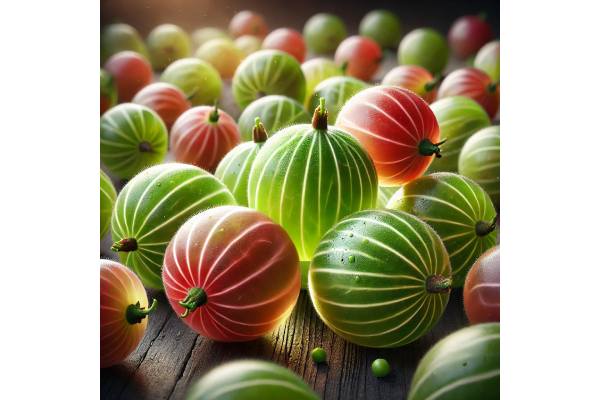
Gooseberries are the tart, jewel-like fruits of the Ribes genus, prized in Northern Europe and parts of North America for their bright flavor and versatility. Whether stewed into a classic crumble, stirred into chutneys, or eaten fresh from the punnet, gooseberries deliver notable vitamin C, gentle sweetness, and refreshing acidity at a very low calorie cost. Their soft skins and seeds contribute fiber, while their green-to-blush hues signal polyphenols such as phenolic acids and small amounts of anthocyanins in red varieties. Compared with many berries, gooseberries are less sugary per bite yet hold up well in both sweet and savory cooking, from mackerel sauces to jam. They also freeze well, making off-season use easy. This guide explains what’s inside a 100-gram serving, the best evidence on benefits and risks, how to buy and store for peak quality, and how to cook them without losing nutrients. You’ll also learn how gooseberries compare with currants and similar fruits, and how to portion them as part of a balanced diet.
Fast Facts
- Provides about 28 mg vitamin C per 100 g and ~4.3 g fiber; supports immune function and digestive regularity.
- Watch for sulfite use in some processed products (e.g., certain wines, preserves) if you’re sensitive.
- A practical serving is ¾–1 cup (110–150 g), 3–5 times per week in season or from frozen.
- People with known lipid transfer protein (LTP) fruit allergy or aspirin/salicylate sensitivity should exercise caution.
Table of Contents
- Gooseberry at a Glance: Detailed Overview
- Gooseberry Nutrition Profile (Per 100 g)
- Evidence-Based Health Benefits
- Risks, Allergies and Interactions
- Selecting, Quality, Sustainability and Storage
- Preparation, Cooking and Nutrient Retention
- Portions, Comparisons and FAQs
Gooseberry at a Glance: Detailed Overview
Gooseberries (Ribes uva-crispa and related Ribes species) are small, thin-skinned berries that range from pale green to golden, pink, or red as different cultivars ripen. Their flavor profile spans briskly tart to pleasantly sweet-tart depending on variety and maturity. Culinary traditions across the UK, Ireland, Scandinavia, the Baltic region, and parts of North America spotlight gooseberries in compotes, pies, fools (fruit folded into whipped dairy), chutneys, savory sauces for oily fish, and lightly sweetened preserves. Red cultivars bring a deeper berry note and more pigment, while green cultivars deliver sharper acidity ideal for cooking.
Nutritionally, gooseberries are notable for delivering vitamin C with low sugars and modest calories. Their skins and tiny edible seeds supply fiber, and the fruit contains phenolic compounds (for example, phenolic acids and flavonols such as quercetin or rutin in small amounts) that contribute to antioxidant capacity. Compared with currants (also Ribes) and blueberries, gooseberries tend to be milder in anthocyanins unless you select red varieties. For people watching carbohydrate load, gooseberries’ balance of fiber to available carbohydrate makes them a smart in-season fruit choice.
It’s common to see “gooseberry” used online to describe amla (Indian gooseberry, Emblica officinalis/Phyllanthus emblica), which is botanically unrelated and much more astringent, often sold as a supplement. This article focuses on culinary gooseberries of the Ribes genus (sometimes labeled European or American gooseberries). The two foods overlap in some uses (jams, chutneys) but differ substantially in sensory profile and composition.
As a fresh ingredient, gooseberries are delicate: they bruise easily, continue to soften after harvest, and lose firmness quickly at room temperature. Quality depends on how they were picked (slightly under-ripe “culinary” fruit for cooking vs fully ripe for fresh eating) and how they were handled post-harvest. Fortunately, they freeze exceptionally well, preserving flavor and vitamin C, and work beautifully in smoothies, sauces, and bakes outside the short season.
Gooseberry Nutrition Profile (Per 100 g)
How to read this section: All values are per 100 g raw gooseberries. Percent Daily Values (%DV) use standard adult DVs (2,000 kcal diet). If a DV is not established (e.g., total carbohydrate), only grams are shown. Where ranges exist across cultivars, typical midpoints are shown to keep the table scannable.
Macros & Electrolytes
| Nutrient | Amount (per 100 g) | %DV |
|---|---|---|
| Energy | 44 kcal | — |
| Water | ~88 g | — |
| Protein | 0.9 g | — |
| Total fat | 0.6 g | — |
| Carbohydrate | 10.2 g | — |
| Dietary fiber | 4.3 g | 15% |
| Sodium | 1 mg | 0% |
| Potassium | 198 mg | 4% |
Carbohydrates
| Nutrient | Amount | %DV |
|---|---|---|
| Total carbohydrate | 10.2 g | — |
| Dietary fiber | 4.3 g | 15% |
| Total sugars* | ~5–7 g (varies by cultivar) | — |
*Sugars vary with ripeness and variety; red cultivars tend to be slightly sweeter than green culinary types.
Fats & Fatty Acids
| Nutrient | Amount | %DV |
|---|---|---|
| Saturated fat | 0.04 g | 0% |
| Monounsaturated fat | 0.05 g | — |
| Polyunsaturated fat | 0.32 g | — |
| Omega-3 (ALA) | ~0.05 g | — |
| Omega-6 (LA) | ~0.27 g | — |
Vitamins
| Vitamin | Amount | %DV |
|---|---|---|
| Vitamin C (ascorbic acid) | 27.7 mg | 31% |
| Vitamin A (RAE) | 15 µg | 2% |
| Vitamin E (alpha-tocopherol) | 0.37 mg | 2% |
| Thiamin (B1) | 0.04 mg | 3% |
| Riboflavin (B2) | 0.03 mg | 2% |
| Niacin (B3) | 0.30 mg | 2% |
| Pantothenic acid (B5) | 0.29 mg | 6% |
| Vitamin B6 | 0.08 mg | 5% |
| Folate (B9) | 6 µg | 2% |
Minerals
| Mineral | Amount | %DV |
|---|---|---|
| Calcium | 25 mg | 2% |
| Iron | 0.31 mg | 2% |
| Magnesium | 10 mg | 2% |
| Phosphorus | 27 mg | 2% |
| Zinc | 0.12 mg | 1% |
| Copper | 0.07 mg | 8% |
| Manganese | 0.15 mg | 6% |
Bioactives/Phytonutrients (qualitative)
- Phenolic acids (e.g., gallic, caffeic, p-coumaric), small amounts of flavonols (quercetin, rutin).
- Anthocyanins (notably cyanidin-3-glucoside) present in red cultivars; minimal in green.
- Organic acids: malic and citric dominate, driving the tart profile.
Glycemic & Acid–Base Metrics
- Low glycemic impact per 100 g owing to modest available carbohydrate and fiber.
- Slightly alkaline-forming PRAL (often negative single digits) in nutrient databases.
Allergens & Intolerance Markers
- Naturally free of the eight major allergens; however, Ribes fruits belong to a group that can cross-react with lipid transfer protein (LTP)–mediated fruit allergies in susceptible individuals.
- Salicylates are present in many berries; those with aspirin/salicylate sensitivity may notice symptoms.
Additives & Fortification
- Fresh fruit contains no additives. Some processed products (wines, certain preserves) may include sulfites for preservation—check labels if sensitive.
Contaminants/Residues
- As with other soft fruits, residue levels depend on agricultural practice and region. EU surveillance reports routinely assess gooseberries within “small fruits and berries”; compliance is generally high, but residues are detectable across fruit categories.
Evidence-Based Health Benefits
1) Vitamin C–driven antioxidant support
A 100 g portion provides roughly one-third of the daily value for vitamin C. This contributes to normal immune function, collagen synthesis for skin and connective tissues, and acts as a water-soluble antioxidant. In comparative reviews of red fruits, gooseberries sit in the mid-range for vitamin C, below blackcurrants but above many stone fruits. Red cultivars often carry slightly more vitamin C than green, though cultivar and ripeness can shift values.
2) Fiber for digestive regularity and glycemic steadiness
Gooseberries deliver ~4.3 g fiber per 100 g—impressive for a low-calorie fruit. The mix of soluble and insoluble fibers supports softer stools, a healthier gut environment, and steadier post-meal blood glucose responses when gooseberries replace refined desserts or snacks. For adults targeting 28 g fiber per day, a full cup (150 g) contributes nearly a quarter of daily fiber needs.
3) Polyphenols that complement vitamin C
Phenolic acids and flavonols (for example, quercetin and rutin in small amounts) appear across Ribes species. While gooseberries are not the most anthocyanin-dense berries unless you choose red types, their overall polyphenol profile still augments antioxidant capacity. These compounds may help curb lipid oxidation and support vascular function. As with most fruit polyphenols, effects are modest and cumulative within a plant-forward pattern, not “magic bullet” outcomes from a single food.
4) Weight-friendly, nutrient-dense snacking
At about 44 kcal per 100 g, gooseberries offer bright flavor and satisfying texture for very few calories. Substituting sweetened desserts with lightly stewed gooseberries or folding a handful into yogurt can help reduce added sugars while increasing fiber and vitamin C—two shortfall nutrients in many diets.
5) Culinary acids that boost satisfaction and reduce added sugar
Gooseberries’ natural tartness comes from malic and citric acids, which heighten perceived sweetness and complexity in sauces, fools, and jams. Using acidity strategically lets cooks dial back added sugar without sacrificing flavor. This “acid instead of sugar” approach is a practical public-health strategy for improving dessert quality at home.
6) Potential cardio-metabolic support within a dietary pattern
Observational and mechanistic evidence across red fruits links regular intake of polyphenol-rich berries with healthier lipid oxidation markers and endothelial function. Gooseberries contribute to that pattern, especially when used to replace high-sugar desserts and refined snacks. Effects are modest and depend on the whole diet, activity, and overall lifestyle.
What to expect, realistically
Gooseberries can help you meet daily vitamin C and fiber targets, add phytonutrients, and displace less healthy sweets. Benefits are incremental—think “consistently better choices,” not “cure-all.” If you’re already eating fruit daily, rotating gooseberries in season expands variety and micronutrient breadth.
Risks, Allergies and Interactions
Allergy and cross-reactivity
Ribes fruits (currants and gooseberries) are rarely reported triggers compared with peach or hazelnut, but they belong to a wider cluster of plant foods that can provoke reactions in people sensitized to non-specific lipid transfer proteins (LTPs). Symptoms range from oral itching to, rarely, systemic reactions. Anyone with a known LTP-mediated allergy, or a prior systemic reaction to berries, should discuss testing and individualized advice with an allergist before adding new Ribes fruits.
Salicylates and histamine concerns
Like many berries, gooseberries contain natural salicylates. Most people tolerate them well, but aspirin-sensitive individuals may experience hives, nasal symptoms, or wheeze with higher intakes. Fresh gooseberries are not high-histamine themselves, but fermented or long-stored preparations can accumulate biogenic amines; if you follow a low-histamine diet, start with small amounts and note your response.
Medication considerations
- Warfarin and vitamin K: Gooseberries are relatively low in vitamin K; typical servings are unlikely to meaningfully affect INR when intake is consistent. The key is steady, predictable amounts rather than sudden large swings in any vitamin-K-containing foods.
- Iron, levothyroxine, and certain antibiotics: High-fiber meals can transiently reduce absorption if taken at the same time. To be prudent, separate medications that have known food–absorption issues from high-fiber fruit by a couple of hours unless your clinician advises otherwise.
- Sulfite sensitivity: Check labels for sulfites in processed gooseberry products (e.g., some wines and preserved items). Sensitive individuals may experience respiratory or skin reactions.
Food safety and contaminants
Soft fruits can carry surface microbes; rinse gently under running water and drain before eating. Pesticide residues in berries are monitored by regulatory programs; wash thoroughly and consider sourcing from growers who follow integrated pest management. Peeling is unnecessary and would remove fiber and antioxidants; a good rinse is sufficient for most consumers.
Who should limit or avoid
- Individuals with confirmed LTP-mediated fruit allergy or a history of anaphylaxis to related fruits.
- Aspirin/salicylate-sensitive individuals who react to other berries.
- Those on medically prescribed low-fiber diets during acute gastrointestinal flares.
Selecting, Quality, Sustainability and Storage
How to choose
- Color & ripeness: Green culinary gooseberries should look plump with a slight translucence and firm texture; red or blush cultivars deepen in color and soften when fully ripe. Avoid berries that are split, weeping, or dull.
- Size & uniformity: Even sizing cooks more evenly in compotes and bakes. Larger berries often have thicker skins, which hold shape better in pies.
- Aroma & bloom: A light fruity scent and a natural matte “bloom” on the surface are signs of freshness. Sticky or heavily wet fruit signals damage.
Sustainability pointers
- Local, in-season: Gooseberries have a short season and ship poorly. Buying locally when available reduces transport emissions and improves quality.
- IPM and organic options: Look for growers using integrated pest management; both conventional and organic berries can meet strict residue standards when grown responsibly.
- Minimal waste: Gooseberries freeze extremely well; surplus fruit can be stemmed, washed, patted dry, and frozen in a single layer, then transferred to bags for use throughout the year.
Storage
- Refrigeration: Keep unwashed in a breathable container (paper-towel-lined box) at 0–4 °C. Use within 3–5 days for best texture and vitamin C retention.
- Freezing: Wash, destalk (“top and tail”) if desired, pat dry, freeze spread out on a tray, then store in airtight bags for up to 10–12 months.
- Shelf life cues: Surface dullness and soft spots indicate declining quality; use softer fruit for cooked applications.
Minimizing loss
Vitamin C is sensitive to heat, oxygen, and long storage. Quick refrigeration, gentle washing just before use, and minimal exposure to air after cutting help preserve nutrients.
Preparation, Cooking and Nutrient Retention
Prep basics
- Rinse gently under cool running water in a colander.
- Drain thoroughly and pat dry.
- “Top and tail” (snip papery blossom and stem ends) if appearance matters for your dish; they’re edible but can be chewy.
Cooking methods and what they do
- Light stewing (5–8 minutes): Softens skins, balances tartness with a modest amount of sugar or maple, and preserves a good share of vitamin C if kept brief. Add a pinch of salt to amplify fruitiness without extra sugar.
- Roasting (200 °C, 10–15 minutes): Concentrates flavor via water loss and light browning; pair with oily fish or fold into salads. Expect some vitamin C loss but robust flavor.
- Microwaving (short bursts): Efficient for small batches; the brief heat exposure can preserve more vitamin C than prolonged simmering.
- No-cook maceration: Toss with a teaspoon of sugar or honey and a squeeze of citrus; rest 15–30 minutes to draw out juices for fools or yogurt swirls—excellent for vitamin C retention.
Sugar-smart ideas
- Use acidity strategically: combine gooseberries with naturally sweeter fruits (strawberries, peaches) and aromatic herbs (lemon balm, mint) so you can cut added sugar by 25–50%.
- Add texture and fat to improve satisfaction: toasted oats, seeds, or a dollop of strained yogurt can reduce the need for sweetening.
Retention tips
- Cook covered and briefly with minimal water to reduce oxygen and heat exposure.
- Add fruit toward the end in porridge or compotes to limit simmer time.
- Freeze surplus at peak ripeness; thaw overnight in the fridge to minimize drip loss.
Culinary pairings
- Savory: mackerel, salmon, roast chicken, pork, goat’s cheese, fennel, dill, mustard.
- Sweet: vanilla, elderflower, ginger, lemon zest, cardamom, almond.
- Textures: crunchy granola, toasted nuts, crisp meringues to contrast the soft pulp.
Portions, Comparisons and FAQs
Practical portions
- Everyday use: ¾–1 cup (110–150 g) fresh or frozen, 3–5 times per week in season as part of your total fruit intake.
- For children: ½ cup (75 g) alongside protein or dairy for balance.
- Athletes: pair 1 cup with yogurt or kefir after training to rehydrate, add protein, and replenish vitamin C.
How gooseberries compare
- Versus currants: Blackcurrants trump gooseberries in vitamin C and anthocyanins; gooseberries are milder, less seedy, and more versatile for sauces where strong blackcurrant flavor can dominate.
- Versus blueberries: Blueberries typically have more anthocyanins; gooseberries are sharper, lower in natural sugars per 100 g, and provide similar fiber.
- Green vs red gooseberries: Red types contribute small amounts of anthocyanins and can taste sweeter at equal ripeness; green culinary types have firmer texture and higher perceived acidity—useful for cooking.
Buying on a budget
- Choose frozen when fresh is out of season; nutrient differences are small, and frozen berries are often picked at peak ripeness.
- Buy in bulk from local growers during glut weeks and freeze at home.
FAQs
Are gooseberries low FODMAP?
A ½-cup (75 g) portion is generally well tolerated for many people; tolerance varies. Increase gradually and monitor symptoms if you follow a structured plan with a clinician.
Do I need to peel gooseberries?
No. Skins supply fiber and phytonutrients. For ultra-smooth sauces, pass stewed fruit through a food mill instead of peeling.
Can I eat them raw?
Yes—especially fully ripe berries. Underripe green culinary berries are best lightly cooked or sweetened.
What about jam and syrup?
Delicious, but watch added sugar. Try “compote strength” (fruit cooked with a small amount of sugar) or use chia to thicken with less sugar.
Any sports or recovery edge?
Gooseberries offer vitamin C and fluid; pair with protein for tissue repair. They’re not a substitute for balanced post-exercise fueling.
References
- Nutrition Facts for Gooseberries 2024.
- Red Fruits Composition and Their Health Benefits—A Review 2022 (Systematic Review).
- The 2023 European Union report on pesticide residues in food 2025 (Scientific Report).
- Contribution of phenolic compounds, ascorbic acid and vitamin E to antioxidant activity of currant (Ribes L.) and gooseberry (Ribes uva-crispa L.) fruits 2019.
- Non-specific lipid-transfer proteins: Allergen structure and clinical relevance 2021 (Review).
Disclaimer
This article is for general information and education. It does not replace personalized medical advice, diagnosis, or treatment. If you have food allergies, are pregnant, take prescription medicines (especially those with food–drug interactions), or manage a medical condition, consult a qualified healthcare professional before changing your diet. If you suspect an allergic reaction after eating gooseberries, seek medical help promptly.
If you found this guide useful, please consider sharing it with friends or colleagues on Facebook, X (formerly Twitter), or any platform you prefer. Your support helps us keep creating practical, evidence-based nutrition content.