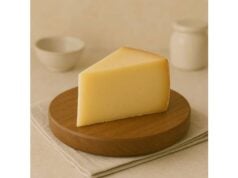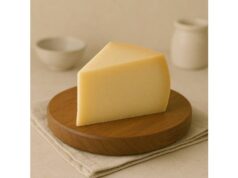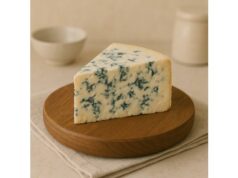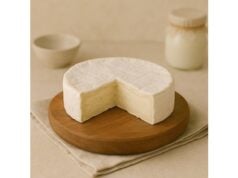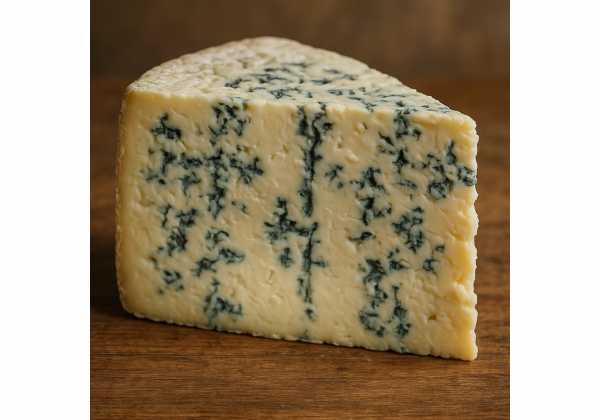
Gorgonzola is Italy’s iconic blue-veined cow’s milk cheese—bold, creamy, and wonderfully aromatic. It comes in two styles: Dolce (mild, spreadable, buttery) and Piccante (firmer, more savory, and peppery). Thanks to careful aging with selected molds, Gorgonzola develops marbled blue-green veining and a complex flavor that can transform a dish with just a small amount. Nutritionally, it is dense: a concentrated source of high-quality protein, bioavailable calcium, phosphorus, vitamin A, vitamin B12, and zinc. Like many aged cheeses, it is naturally very low in carbohydrates. The main trade-offs are sodium and saturated fat, which call for smart portions and balanced pairings. In the kitchen, Gorgonzola is one of the most versatile blues: it melts into luxurious sauces, perfumes risotto, lifts salads, and anchors cheese boards. With safe handling—especially for higher-risk groups—and thoughtful serving sizes, Gorgonzola can be both a culinary highlight and a nutrient contributor within an overall balanced eating pattern.
Nutrition Snapshot
- Delivers calcium (~528 mg/100 g), protein (~21 g/100 g), and vitamin B12 (~1.25 µg/100 g).
- High in sodium and saturated fat; enjoy small portions and pair with produce and whole grains.
- Typical serving: 30 g (about 1 oz) once to several times weekly, adjusted to your goals.
- Avoid if you have an allergy to cow’s milk proteins; those on MAOI therapy should limit aged cheeses due to tyramine.
Table of Contents
- Detailed Overview
- Nutrition Profile
- Evidence-Based Health Benefits
- Risks, Allergies and Interactions
- Selecting, Quality, Sustainability and Storage
- Preparation, Cooking and Nutrient Retention
- Portions, Comparisons and FAQs
Gorgonzola: Detailed Overview
What it is. Gorgonzola is a protected-designation (PDO) blue cheese made from cow’s milk in specific regions of northern Italy. Two classic styles reach the market: Dolce (aged roughly 50–150 days) with a custardy, spreadable paste and gentle tang; and Piccante (aged about 80–270 days) with a tighter, more crumbly texture and bolder, peppery notes. In both, cheesemakers pierce the wheel during maturation to admit oxygen, allowing the characteristic blue-green veining to bloom along internal channels.
How it tastes. Expect a spectrum: Dolce tends toward buttermilk sweetness, fresh cream, and mild mushroom. Piccante deepens into toasted nuts, spice, cellar, and a sharper finish. Salt is noticeable in both, which helps Gorgonzola carry in sauces and dressings even at modest doses. Because the cheese is rich, a little goes a long way—especially when balanced with fruit, bitter greens, or whole grains.
How it is made. The curd is set, cut, drained, and salted, then inoculated with selected Penicillium cultures. During aging at cool, humid conditions, the molds and enzymes break down fats (lipolysis) and proteins (proteolysis), building aroma, softening the paste, and generating the savory “blue” character. Most PDO Gorgonzola is made from pasteurized cow’s milk, though style, aging time, and moisture vary by producer.
Why cooks love it. Gorgonzola melts smoothly into cream or stock, making quick pan sauces for steak or mushrooms. It enriches risotto, gnocchi, and polenta; crumbles into salads; and anchors bruschetta with pears or figs. Because it is so aromatic, you can use less cheese without losing impact. That intensity also means it plays well with acidity (lemon, vinegar), sweetness (honey, roasted squash), and texture (toasted nuts, crisp apples).
Where it fits nutritionally. Like other aged cheeses, Gorgonzola concentrates protein, calcium, phosphorus, vitamin B12, vitamin A, zinc, and selenium. It is very low in carbohydrates and naturally lactose-light. The main nutritional watchouts are sodium and saturated fat; prudent portions and balanced plates are the levers for everyday eating.
Gorgonzola Nutrition Profile
Reference basis: typical blue-veined cow’s milk cheese, per 100 g (values vary by style and brand).
Macros and Electrolytes
| Nutrient | Amount (per 100 g) | %DV |
|---|---|---|
| Energy | 353 kcal | — |
| Protein | 21.4 g | 43% |
| Total Fat | 28.7 g | 37% |
| Saturated Fat | 18.7 g | 93% |
| Carbohydrate | 2.3 g | 1% |
| Sugars | 0.5 g | — |
| Sodium | ~1,160 mg | 50% |
| Potassium | ~256 mg | 5% |
| Water | ~45 g | — |
Fats and Fatty Acids
| Nutrient | Amount (per 100 g) | Notes |
|---|---|---|
| Monounsaturated fatty acids | ~7.9 g | Predominantly oleic acid |
| Polyunsaturated fatty acids | ~0.8 g | Includes linoleic acid |
| Omega-3 (total) | ~0.27 g | Small contribution |
| Omega-6 (total) | ~0.54 g | |
| Cholesterol | ~75 mg |
Protein and Key Amino Acids (selected)
| Amino Acid | Amount (per 100 g) |
|---|---|
| Leucine | ~1.95 g |
| Lysine | ~1.88 g |
| Valine | ~1.58 g |
| Isoleucine | ~1.14 g |
| Threonine | ~0.80 g |
| Phenylalanine | ~1.10 g |
| Tryptophan | ~0.32 g |
| Histidine | ~0.77 g |
Vitamins
| Vitamin | Amount (per 100 g) | %DV |
|---|---|---|
| Vitamin A (RAE) | ~198 µg | 22% |
| Vitamin B12 (cobalamin) | ~1.25 µg | 52% |
| Riboflavin (B2) | ~0.39 mg | 30% |
| Pantothenic acid (B5) | ~1.75 mg | 35% |
| Folate (DFE) | ~36 µg | 9% |
| Vitamin D | ~0.5 µg | 3% |
| Vitamin K | ~2.4 µg | 2% |
Minerals
| Mineral | Amount (per 100 g) | %DV |
|---|---|---|
| Calcium | ~528 mg | 41% |
| Phosphorus | ~392 mg | 31% |
| Zinc | ~2.7 mg | 25% |
| Selenium | ~14.6 µg | 27% |
| Potassium | ~256 mg | 5% |
| Iron | ~0.31 mg | 2% |
| Magnesium | ~23 mg | 5% |
Allergens and Intolerance Markers
- Allergen: cow’s milk proteins (casein, whey).
- Lactose: naturally low after aging; individual tolerance varies.
- Histamine and tyramine: may be significant in aged, blue-veined cheeses; see safety section.
Notes: Values represent typical blue cheese analyses. Actual Gorgonzola (Dolce vs Piccante) will vary with milk composition, salt, moisture, and age. %DV is for healthy adults and uses current labeling DVs.
Evidence-Based Health Benefits
1) Dense, high-quality protein. Per 100 g, Gorgonzola provides roughly 21 g of complete protein with a robust essential amino acid profile (notably leucine and lysine). Protein supports satiety, tissue repair, and maintenance of lean mass—especially helpful for active adults and older individuals working to preserve strength. Because the cheese is strongly flavored, smaller portions can meaningfully contribute to protein intake when combined with legumes, grains, or lean meats.
2) Bone and dental support from calcium and phosphorus. A standard 30 g portion delivers around 160–180 mg calcium and 115–120 mg phosphorus, helping meet daily needs for skeletal maintenance and tooth integrity. Calcium from dairy foods is well absorbed, and phosphorus partners with calcium to mineralize bone. People with lower dairy intake can use small amounts of Gorgonzola as a flavorful way to boost calcium across the week.
3) Micronutrients with functional roles. Vitamin B12 in cheese supports red blood cell formation and neurological function; vitamin A contributes to epithelial health and vision. Zinc and selenium participate in antioxidant defenses and enzyme systems. While Gorgonzola isn’t a vitamin D standout, it adds a little, and it carries fat-soluble vitamins efficiently within mixed meals.
4) Low carbohydrate, easy to fit into many patterns. With only about 2–3 g carbohydrate per 100 g, Gorgonzola fits low-carb and gluten-free approaches. The practical strategy for balance is to pair modest amounts of cheese with high-fiber foods (whole grains, beans, vegetables, fruit) to support blood sugar control and digestive health.
5) Culinary leverage: more flavor from less. Strong cheeses can enable portion-savvy cooking. A teaspoon or two of crumbled Gorgonzola can replace a much larger amount of a milder cheese while delivering more aroma and satisfaction, which can help control total calories and limit sodium per dish. In salads and grain bowls, blending a small amount of Gorgonzola with yogurt in a dressing can stretch flavor while lowering saturated fat.
6) Fermentation-derived complexity. The Penicillium cultures used to ripen Gorgonzola generate unique aroma compounds and texture through proteolysis and lipolysis. These microbes create the characteristic veining and savory complexity prized by cooks. While ripened cheeses may contain live cultures, they are not interchangeable with probiotic supplements; focus on taste, culinary function, and nutrient contribution rather than probiotic claims.
Bottom line: Within an overall dietary pattern rich in vegetables, fruits, legumes, whole grains, and unsaturated fats, small portions of Gorgonzola can contribute high-quality protein, calcium, vitamins A and B12, and zinc—with big culinary payoff that encourages mindful quantities.
Risks, Allergies and Interactions
Sodium and saturated fat. Gorgonzola is salty by design and contains substantial saturated fat. Regularly large portions can challenge blood pressure and LDL-cholesterol goals. Practical steps: keep portions to about 30 g in everyday meals; balance plates with potassium- and fiber-rich foods (leafy greens, beans, whole grains, fruit); and use olive oil or nuts—not extra butter or cream—when building sauces or salads.
Foodborne illness considerations. Soft and blue-veined cheeses can pose a Listeria risk, particularly when made from unpasteurized milk or handled poorly. People who are pregnant, older adults, and those with weakened immunity should avoid raw-milk soft cheeses and should only eat thoroughly heated dishes if cheese is used. Most PDO Gorgonzola is pasteurized, but risk from post-processing contamination still exists; safe storage and timely consumption are essential.
Allergy and intolerance.
- Milk allergy: Avoid entirely if you have an allergy to cow’s milk proteins (casein or whey).
- Lactose intolerance: Aging reduces lactose, and many people tolerate modest portions; test your own tolerance cautiously.
- Histamine and tyramine: Aged cheeses may contain biogenic amines. These compounds can provoke headaches or flushing in sensitive individuals and are contraindicated with MAOI medications due to risk of hypertensive crisis. If you take an MAOI, follow a low-tyramine diet and avoid aged cheeses unless specifically cleared by your clinician.
Medications and labs.
- MAOIs: As above, aged cheeses (including Gorgonzola) are typically restricted.
- Antihypertensives/diuretics: High-sodium foods can blunt blood-pressure control; mind overall sodium.
- No routine lab interferences are associated with cheese itself.
Storage hygiene. Keep cheese cold (≤4°C/≤40°F), wrapped to minimize moisture loss and cross-contamination, and use clean knives. Discard if you observe unusual colors (pink/orange slime), strong ammonia, or rancid odors. On a cheese board, limit room-temperature time to about 2 hours (or 1 hour in hot weather); refrigerate leftovers promptly.
Who should limit or avoid?
- Anyone with milk allergy.
- People on MAOI therapy (avoid aged cheeses).
- People who are pregnant, older, or immunocompromised should avoid raw-milk soft cheeses and should only eat cheese that is pasteurized and cooked until steaming hot in mixed dishes.
Selecting, Quality, Sustainability and Storage
Choosing the right wedge.
- Style and age: Pick Dolce if you prefer mild, creamy, and spreadable; choose Piccante for a firmer, bolder, more peppery bite.
- Look and smell: Seek even blue-green veining, a moist but not wet rind, and aromas that read as milky, mushroomy, or savory—not ammonia or harsh barn.
- PDO and producer: Authenticity marks and producer details indicate traceability. For pre-crumbled Gorgonzola, check the sell-by date and avoid packages with pooled moisture or strong odors.
Practical buying tips.
- For salads and finishing: Dolce crumbles softly and spreads well; it’s great for dressings and quick melts.
- For sauces and cooking: Piccante holds structure and brings deeper savoriness to risotto, polenta, steaks, and mushrooms.
- Portion planning: Buy smaller wedges if you use cheese occasionally; freshness is better than bulk savings for soft blues.
Sustainability notes. Gorgonzola production is geographically defined (PDO), and most makers use pasteurized cow’s milk from nearby herds. Consider producers who communicate animal welfare, energy use, and packaging practices. From a household perspective, the biggest wins are food-waste reduction—buy what you can finish, store correctly, and repurpose leftovers (crumbles into omelets, grain bowls, and soups).
Storage and shelf life.
- Unopened wedge: Refrigerated at ≤4°C, follow the date; generally 3–4 weeks from purchase is typical for peak quality.
- After opening: Rewrap in parchment or cheese paper, then a loose outer layer of foil; place in a breathable container. Use within 7–10 days for best texture.
- Freezing: Possible but not ideal (texture becomes crumbly). If needed, portion into small pieces, wrap well, and freeze up to 2 months; use in cooked dishes straight from frozen.
- At service: Bring to room temperature for 30–45 minutes before serving to enhance aroma and spreadability.
Freshness troubleshooting. Light surface dryness and a little blue on the cut face are normal. Discard the wedge if you see pink/orange growth, sticky slime, or detect strong ammonia or rancid odors. When in doubt, err on the side of safety.
Preparation, Cooking and Nutrient Retention
Portion-smart cooking. Because Gorgonzola is flavorful and salty, modest amounts go far. For balanced meals, aim for 15–30 g per serving. In sauces, combine a small crumble with broth, milk, or unsweetened yogurt to extend creaminess while lowering saturated fat per portion.
Melting behavior and technique.
- Gentle heat: Add Gorgonzola off the boil; high heat can cause splitting. Finish pasta or risotto by stirring in cubes with a ladle of hot cooking liquid to create a glossy emulsion.
- Creamy sauces: For a quick pan sauce, deglaze with stock or wine, reduce, whisk in a spoonful of cream or milk, then melt in Gorgonzola to taste.
- Baking: Dot over roasted squash, cauliflower, or beets during the final 5–10 minutes.
- Grilling: For burgers or portobellos, add Gorgonzola near the end and cover to melt.
Flavor pairing playbook.
- Bright and fresh: Pears, apples, grapes, figs; arugula, endive, radicchio.
- Earthy: Mushrooms, walnuts, hazelnuts; roasted beets or sweet potatoes.
- Grains and legumes: Farro, barley, lentils, chickpeas.
- Acidity and spice: Balsamic, lemon, grain mustard, chili flake.
- Herbs: Thyme, rosemary, chives, parsley.
Nutrient retention and balance.
- Stretch with yogurt or ricotta to lower saturated fat in dressings and dips.
- Leverage potassium-rich sides (beans, potatoes, greens) to counterbalance sodium.
- Mind added salt: Taste before salting—Gorgonzola brings plenty.
- Portion the plate: Center meals on vegetables and whole grains; let Gorgonzola be the accent.
Kitchen safety. Keep hot dishes at ≥60°C (≥140°F) or refrigerate promptly at ≤4°C (≤40°F). Reheat creamy sauces gently to avoid separation. For higher-risk individuals (pregnant, older, immunocompromised), ensure dishes with Gorgonzola are heated until steaming before eating.
Portions, Comparisons and FAQs
Right-sized servings.
- Everyday: ~30 g (1 oz) on a salad, grain bowl, or pizza.
- Cooking: 15–30 g per serving in sauces or risotto is usually enough for full flavor.
- Cheese board: Plan 20–30 g per person when several cheeses are offered.
How Gorgonzola compares (per 100 g, typical values).
- Gorgonzola vs Roquefort: Both are blue-veined; Gorgonzola is cow’s milk, often creamier in Dolce; Roquefort is sheep’s milk, generally sharper and saltier.
- Gorgonzola vs Stilton: Stilton (cow’s milk) is firmer and drier with a more crumbly paste and a nutty tang; sodium often comparable.
- Gorgonzola vs Brie/Camembert: Gorgonzola brings stronger aroma and more salt; Brie is lower in sodium but similar in saturated fat.
- Gorgonzola vs Feta: Feta is salty, tangy, and much leaner; Gorgonzola is richer and more aromatic with higher saturated fat per 100 g.
FAQs
Is Gorgonzola always safe in pregnancy? Only if it is made from pasteurized milk and cooked until steaming hot in a mixed dish. Avoid raw-milk soft or blue-veined cheeses and cheeses eaten cold if you’re at higher risk for Listeria.
What about lactose intolerance? Most people with lactose intolerance tolerate small portions of aged cheeses. Start with 10–15 g and assess your response.
I take an MAOI—can I eat Gorgonzola? Generally no; aged cheeses are high-tyramine foods and are typically restricted on MAOI therapy. Follow your prescriber’s diet guidance.
Can I eat the rind? Gorgonzola is commonly wrapped rather than finished with a thick natural rind. Trim any dry edges; otherwise, the paste is what you eat.
How long does it keep once opened? Properly wrapped in the fridge, use within 7–10 days for best quality. If off odors or unusual colors appear, discard.
What wines or beverages pair well? Try lightly sweet whites (Moscato d’Asti), aromatic dry whites (Gewürztraminer), or malty beers. For non-alcoholic options, pair with sparkling water and lemon or tart apple cider.
References
- Nutrition Facts for Blue Cheese 2024.
- How Listeria Spread: Soft Cheeses and Raw Milk 2025.
- MAOI (Monoamine Oxidase Inhibitors) Diet Sheet 2022.
- Secondary Metabolites Produced by the Blue-Cheese Ripening Mold Penicillium roqueforti; Biosynthesis and Regulation Mechanisms 2023.
- The Gorgonzola – Gorgonzola DOP 2025.
Disclaimer
This guide is educational and is not a substitute for professional medical advice, diagnosis, or treatment. If you have a medical condition—such as high blood pressure, elevated LDL cholesterol, milk allergy, pregnancy, or are taking MAOI medication—speak with your healthcare professional or a registered dietitian about whether and how to include Gorgonzola in your diet. If you experience symptoms of allergy or foodborne illness, seek medical care promptly.
If this article was helpful, please consider sharing it on Facebook, X (formerly Twitter), or any platform you prefer. Your support helps us continue producing carefully researched, people-first nutrition content.