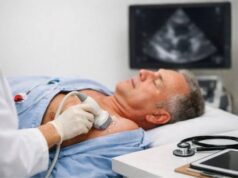
Graft arteriosclerosis is a slow, progressive narrowing of blood vessels inside a transplanted organ. It is one of the main reasons a transplant that works well in the first year can gradually lose function years later. The process often starts silently, as the vessel lining becomes irritated and thickens over time. In a heart transplant, this is commonly called cardiac allograft vasculopathy; in other organs, it may be described as transplant vasculopathy or chronic vascular rejection.
What makes graft arteriosclerosis different from “regular” artery disease is its pattern: it can affect long stretches of vessels and small branches, not just a few focal plaques. Because symptoms may be subtle—or absent—many transplant programs rely on planned screening, not just “wait and see.” The good news is that early detection, steady risk-factor control, and the right immunosuppression strategy can slow progression and protect long-term graft health.
Table of Contents
- What it is and how it damages the graft
- What causes graft arteriosclerosis?
- Symptoms and complications by organ
- How it’s diagnosed and monitored
- Treatment options and what to expect
- Long-term management and when to seek care
What it is and how it damages the graft
Graft arteriosclerosis is a form of chronic blood-vessel injury that develops in transplanted organs. The core feature is progressive thickening of the inner vessel layer (often called intimal thickening), which gradually narrows the channel where blood flows. Unlike typical atherosclerosis—where fatty plaques can form in scattered “hot spots”—graft arteriosclerosis is often diffuse and concentric, meaning it can involve long segments and encircle the vessel wall. This matters because even modest narrowing throughout many branches can reduce overall blood supply.
Why it happens in transplants
A transplant lives at the intersection of two powerful forces:
- The immune system’s job is to detect “non-self.”
- The transplanted organ depends on delicate blood vessels to deliver oxygen and nutrients.
When immune cells repeatedly activate against the graft, they can damage the vessel lining (the endothelium). The body then tries to “repair” the injury. In graft arteriosclerosis, that repair becomes overactive: smooth muscle–like cells and matrix build up in the vessel wall, making it thicker and less flexible. Over time, the vessel becomes a stiff, narrow tube.
How it affects organ function
Reduced blood flow does not always cause sudden symptoms. More often, the graft experiences chronic under-perfusion:
- In a heart transplant, diffuse narrowing can cause silent ischemia (reduced oxygen delivery) because the transplanted heart may not feel pain normally. The first sign may be reduced exercise tolerance, arrhythmia, or heart failure.
- In a kidney transplant, gradual narrowing can contribute to worsening kidney function, higher blood pressure, and protein leakage in urine.
- In a lung transplant, vascular changes may worsen oxygen exchange and contribute to chronic graft dysfunction alongside airway-related processes.
- In a liver transplant, vascular injury can affect bile ducts and small vessels, sometimes presenting as cholestasis or graft dysfunction.
Why “early” matters even when you feel fine
Graft arteriosclerosis often begins before symptoms. Once extensive scarring and narrowing develop, reversing it is difficult. That is why many transplant teams emphasize planned surveillance and prevention strategies early—sometimes within the first year—especially in higher-risk patients.
A practical way to think about it is this: graft arteriosclerosis is not a single event; it is a long-term remodeling problem. The earlier it is recognized, the more options you have to slow it down and protect the graft.
What causes graft arteriosclerosis?
Graft arteriosclerosis is usually caused by repeated, low-grade injury to graft vessels over time. The injury is often immune-driven, but non-immune factors can accelerate it. Most patients develop the condition because multiple risks stack together rather than from one single trigger.
Immune causes: the “chronic irritation” model
The immune system can injure graft vessels in several ways:
- T-cell–mediated injury: T cells recognize donor antigens and release signals that inflame the vessel lining and promote wall thickening.
- Antibody-mediated injury: Donor-specific antibodies can bind to vascular targets and activate inflammation pathways, sometimes with complement involvement.
- Rejection episodes: Even when treated successfully, episodes of acute rejection can leave behind vascular “scars” and increase future risk.
- Infection-immune interactions: Certain viral infections (classically cytomegalovirus) can amplify immune activation and endothelial stress, raising risk in vulnerable patients.
The end result is persistent endothelial dysfunction—meaning the vessel lining loses its normal protective behavior (smooth blood flow regulation, anti-clot signaling, and barrier stability).
Non-immune causes: the accelerators
Transplant recipients often face non-immune factors that push vessels toward narrowing:
- Donor and graft factors: older donor age, prolonged ischemia time, and ischemia-reperfusion injury at transplant
- Traditional cardiovascular risks: high LDL cholesterol, hypertension, diabetes, smoking exposure, obesity, and sedentary lifestyle
- Medication effects: some immunosuppressants can worsen blood pressure, lipids, and glucose control, indirectly accelerating vascular injury
- Chronic inflammation: ongoing low-level inflammation from infections, kidney dysfunction, or metabolic syndrome can worsen endothelial health
These factors matter because graft arteriosclerosis behaves like a “two-hit” process: immune injury sets the stage, and metabolic/hemodynamic stress can speed the remodeling.
Risk factors that commonly predict faster progression
While risk varies by organ and patient, clinicians often watch more closely when one or more of these are present:
- Multiple or severe rejection episodes
- Donor-specific antibodies that persist or rise over time
- Poorly controlled LDL cholesterol or blood pressure
- Diabetes or insulin resistance after transplant
- Chronic kidney disease (even in non-kidney recipients), which is strongly linked to vascular disease
- Evidence of early disease on surveillance imaging (for example, early intimal thickening in heart recipients)
What patients can take from this
It can help to separate causes into what you can and cannot control:
- You cannot change donor age or ischemia time after the fact.
- You can influence immune stability (medication adherence, timely evaluation of symptoms, infection prevention).
- You can strongly influence metabolic drivers (lipids, blood pressure, glucose, exercise, and smoking avoidance).
This is why prevention plans are not “generic healthy living.” In transplant care, these steps directly target a major pathway of long-term graft loss.
Symptoms and complications by organ
Graft arteriosclerosis can be difficult because symptoms often appear late. Many people feel well while the vessel narrowing quietly progresses, especially if the transplant program is managing medications and risk factors closely. When symptoms do show up, they usually reflect reduced blood flow to the transplanted organ or downstream tissue damage.
Heart transplant: often silent until advanced
In heart transplantation, graft arteriosclerosis is commonly called cardiac allograft vasculopathy (CAV). Symptoms can be subtle because the transplanted heart may have reduced pain sensation. Possible presentations include:
- Reduced exercise tolerance or “getting tired faster”
- Shortness of breath with exertion
- Fluid retention, swelling, or weight gain from heart failure
- Arrhythmias (palpitations, fainting, near-fainting)
- Sudden events (heart attack–like presentations or sudden cardiac death), especially in advanced disease
Because warning pain may be absent, routine surveillance is often more reliable than symptom-based detection.
Kidney transplant: gradual decline and pressure rise
In kidney recipients, vascular changes may contribute to chronic graft injury. Symptoms are often indirect:
- Rising creatinine on labs (often before you feel different)
- Worsening blood pressure or need for more medications
- Protein in the urine (sometimes noticed as foamy urine)
- Swelling in legs or around eyes when kidney function declines
These signs overlap with other causes of chronic graft dysfunction, which is why biopsy and careful evaluation are often needed.
Lung and liver transplants: less specific signals
In lung transplantation, chronic graft dysfunction is frequently driven by airway-related processes, but vascular narrowing can contribute to:
- Reduced stamina and increased breathlessness
- Declining lung function tests over time
- Worsening oxygen levels in advanced cases
In liver transplantation, vascular injury can affect bile duct blood supply and small-vessel health, sometimes showing up as:
- Abnormal liver tests (especially cholestatic patterns)
- Fatigue, itching, or jaundice in more advanced scenarios
- Episodes of graft dysfunction that require imaging and specialist review
Complications that matter most
Across organs, the major complications include:
- Chronic graft ischemia: long-term low oxygen delivery causing scarring and reduced function
- Graft failure: the need for re-listing, re-transplantation, or alternative long-term support
- Interventions and their risks: angioplasty/stenting in focal lesions, surgical bypass in selected cases, or higher-intensity immunosuppression that raises infection and cancer risk
- Quality-of-life impact: repeated testing, medication side effects, fatigue, and anxiety from uncertainty
When symptoms are urgent
Seek urgent care for:
- Chest pressure, new severe shortness of breath, fainting, or rapid irregular heartbeat
- Sudden major swelling, rapid weight gain over days, or inability to breathe lying flat
- Markedly reduced urine output, confusion, or severe weakness
- Fever with significant illness symptoms (because infection can destabilize graft function quickly)
The safest mindset is to assume symptoms can be “non-classic” after transplant. New or fast-changing symptoms deserve prompt evaluation even if they do not match textbook descriptions.
How it’s diagnosed and monitored
Diagnosing graft arteriosclerosis requires a balance: clinicians want to detect disease early, but they also want to avoid unnecessary invasive testing. The monitoring plan depends on the transplanted organ, the patient’s risk profile, and how long it has been since transplant. In many cases, planned surveillance is the reason the condition is caught before symptoms appear.
Heart transplant surveillance: imaging is central
For heart recipients, diagnosis commonly relies on coronary assessment because disease can be diffuse and silent:
- Coronary angiography: often used as a standard surveillance tool. It can identify advanced or focal narrowing but may miss early diffuse changes.
- Intravascular imaging (IVUS or OCT): these tools look inside the vessel wall and can detect early thickening before major narrowing is visible on angiography.
- Noninvasive stress testing or perfusion imaging: may help assess blood-flow limitation, including microvascular disease, but sensitivity varies and protocols differ by center.
- Functional assessment: exercise capacity trends, echocardiography changes, and arrhythmia monitoring add context to imaging findings.
A key point is that “normal angiography” does not always mean “no early disease,” which is why some programs pair angiography with intravascular imaging in selected patients.
Kidney transplant evaluation: labs plus targeted testing
Kidney graft arteriosclerosis can be suspected when there is a slow decline in function, but confirmation often requires ruling out other causes:
- Trend-based labs: creatinine trajectory, proteinuria measurement, and blood pressure patterns
- Ultrasound with Doppler: can assess blood flow and detect large-vessel issues, though it may not capture small-vessel arteriosclerosis well
- Kidney biopsy: often the most informative test for chronic graft injury patterns, including vascular and microcirculation changes, scarring, and immune injury markers
- Antibody testing: donor-specific antibodies and related immune markers can guide whether antibody-mediated injury is contributing
Because multiple processes can coexist (medication toxicity, recurrent disease, chronic rejection), diagnosis is often about building a coherent picture rather than relying on one test.
Monitoring across organ types: what clinicians track
Many transplant teams routinely track:
- Medication levels and adherence barriers
- Lipids, blood pressure, glucose control, weight trends
- Signs of infection and immune activation
- Organ-specific function tests and symptom changes
- Evidence of rejection (biopsy or blood-based monitoring depending on organ and center)
Why staging and trend matter
Graft arteriosclerosis is best managed when clinicians can answer two questions clearly:
- How much disease is present now? (extent, location, severity)
- How fast is it changing? (stable, slowly progressive, or accelerating)
That “trajectory” guides intensity of therapy. A mild early change may call for tighter risk-factor control and immunosuppression optimization, while rapid progression may require more aggressive interventions and closer follow-up.
Treatment options and what to expect
Treatment of graft arteriosclerosis focuses on slowing progression, preventing complications, and preserving graft function. Because the process is driven by both immune and non-immune forces, the strongest plans usually combine immunosuppression strategy with aggressive cardiovascular risk management. Expectations matter: the goal is often stabilization, not a complete reversal of established diffuse disease.
Risk-factor control: not optional in transplant care
Most programs treat cardiovascular risk reduction as a core therapy:
- Statin therapy is commonly used after heart transplant and often considered even when cholesterol is not dramatically elevated, because benefits may extend beyond LDL lowering.
- Blood pressure control reduces vessel-wall stress; many clinicians aim for tight control (often around <130/80 mmHg when tolerated), individualized to kidney function and side effects.
- Diabetes management is crucial because high glucose accelerates vascular injury; post-transplant diabetes should be treated promptly.
- Smoking avoidance (including secondhand smoke exposure) is one of the highest-impact behavioral steps for vascular health.
Immunosuppression adjustments: reducing immune-driven injury
When graft arteriosclerosis is detected or progressing, clinicians may consider:
- Optimizing baseline immunosuppression to reduce ongoing endothelial injury
- Treating active rejection aggressively when present, because repeated immune hits accelerate vascular remodeling
- In selected patients, using or switching to agents with antiproliferative effects on vessel-wall cells (for example, mTOR inhibitors), balancing benefits against side effects such as poor wound healing, mouth ulcers, lipid changes, swelling, or proteinuria in some kidney patients
These decisions are individualized; the same drug choice may be helpful in one patient and poorly tolerated in another.
Antiplatelet and lipid-intensification strategies
Depending on organ type and bleeding risk, clinicians may use:
- Antiplatelet therapy (such as aspirin) in selected heart recipients
- More intensive LDL lowering for patients with early vascular changes or high overall risk, sometimes adding medications beyond statins
It is important to understand that lowering LDL is necessary but may not be sufficient by itself, because graft arteriosclerosis also has an immune-driven component.
Procedures: helpful for focal disease, limited for diffuse disease
If narrowing is focal and technically suitable, options may include:
- Percutaneous coronary intervention (PCI) in heart recipients for treatable lesions
- Surgical revascularization in carefully selected cases, recognizing that outcomes can be limited by diffuse vessel involvement
- Re-transplantation for advanced graft failure when other options are exhausted and the patient is an appropriate candidate
When disease is diffuse, procedures may offer symptom relief in selected settings but may not change the underlying biology without concurrent medical management.
What to expect over time
Many patients experience one of three courses:
- Slow progression that responds well to prevention-focused tightening
- Periods of stability interrupted by stepwise progression after immune events (rejection, infection)
- Faster progression requiring escalation and repeated reassessment
The most useful metric is often not a single test result, but whether the disease trajectory has slowed and graft function is being preserved.
Long-term management and when to seek care
Living with graft arteriosclerosis—whether confirmed or simply a long-term risk—means building routines that protect the graft and reduce avoidable triggers. The strongest long-term plans emphasize consistency: consistent medication use, consistent monitoring, and consistent control of blood pressure, lipids, and glucose. Small lapses repeated over time can matter more than one bad day.
Daily management that protects the graft
Practical, high-yield habits include:
- Medication adherence with a system: pill organizers, phone reminders, refill planning, and a written list of all medications and doses
- Interaction awareness: some foods and supplements can change immunosuppressant levels; always check before adding supplements or “natural” products
- Infection prevention: vaccines as recommended by the transplant team, hand hygiene, and prompt evaluation of fever or significant respiratory symptoms
- Structured activity: aim for regular aerobic activity and strength work as cleared by your transplant team (a common target is about 150 minutes/week of moderate activity, adjusted for fitness and organ status)
- Heart-healthy, kidney-appropriate nutrition: sodium reduction, balanced protein as advised, and a pattern that supports lipid and glucose control
Monitoring: what to track at home
Many transplant clinicians encourage patients to track:
- Weight (daily in heart recipients if fluid shifts are a concern)
- Blood pressure (a few times per week or as advised)
- Blood sugar if diabetic or at risk
- Symptoms and exercise tolerance trends (not just “good/bad,” but what has changed)
Bring these trends to appointments; they can reveal early decompensation or medication side effects before labs catch up.
Appointments and testing: staying ahead of “silent” disease
Long-term management often involves:
- Scheduled surveillance testing (especially in heart transplant recipients)
- Regular lab monitoring for organ function and medication safety
- Periodic review of risk-factor targets (LDL, blood pressure, A1c when relevant)
- Reassessment after infections or rejection episodes, because these can accelerate vascular injury
A useful mindset is that the transplant journey is not linear: after major immune events, the monitoring plan may need to temporarily intensify.
When to seek urgent evaluation
Seek urgent care for:
- New or worsening shortness of breath, fainting, or rapid irregular heartbeat
- Chest pressure or unexplained sweating/nausea (even if pain is mild)
- Rapid weight gain over 2–3 days, new swelling, or inability to lie flat comfortably
- Markedly reduced urine output, severe flank pain, or sudden confusion
- Fever with significant weakness, shaking chills, or a feeling of being seriously unwell
- Any sudden neurologic symptoms (weakness, facial droop, speech difficulty)
Long-term outlook: what “success” looks like
In graft arteriosclerosis, success usually means slowing progression enough that graft function remains stable and quality of life stays strong. That often requires a realistic partnership: the medical team handles surveillance and therapy adjustments, while the patient focuses on adherence, early symptom reporting, and steady risk-factor control. Over years, those fundamentals can make the difference between a slowly aging graft and an avoidable early failure.
References
- ISHLT Guidelines for the Care of Heart Transplant Recipients | ISHLT 2022 (Guideline)
- Randomized Trial of Cholesterol Lowering With Evolocumab for Cardiac Allograft Vasculopathy in Heart Transplant Recipients – PubMed 2024 (RCT)
- Cardiac Allograft Vasculopathy: A Focus on Advances in Diagnosis and Management – PMC 2025 (Review)
- Chronic Rejection After Kidney Transplantation – PMC 2024 (Review)
Disclaimer
This article is for educational purposes only and does not provide medical advice, diagnosis, or treatment. Graft arteriosclerosis is a complex, transplant-specific condition that can progress without obvious symptoms and may require organ-specific surveillance and individualized treatment decisions. Do not change immunosuppression, antiplatelet therapy, or cholesterol medications without guidance from your transplant team. If you develop sudden shortness of breath, fainting, chest pressure, new neurologic symptoms, markedly reduced urine output, or high fever with severe illness symptoms, seek urgent medical care.
If you found this article helpful, please share it on Facebook, X (formerly Twitter), or any platform you prefer, and follow us on social media. Your support through sharing helps our team continue producing quality health content.