A heart transplant can feel like a second chance—more time, more energy, and a return to daily life. But transplanted hearts face a unique long-term threat called cardiac allograft vasculopathy (CAV)—narrowing of blood vessels in a transplanted heart. It often develops quietly, without the classic “crushing chest pain” many people expect from heart artery disease, because the transplanted heart’s nerves are different. Over time, CAV can limit blood flow, weaken the heart muscle, trigger rhythm problems, and become a leading reason for late graft failure.
The good news is that careful surveillance, strong risk-factor control, and the right mix of medicines can slow progression—especially when changes are found early. This guide explains what CAV is, why it happens, how it’s detected, and what patients and clinicians do to protect the transplant for the long run.
Table of Contents
- What it is and why it matters
- What causes it and who is at risk
- Early signs, symptoms, and complications
- How doctors diagnose and stage CAV
- Treatments that slow progression
- Day-to-day management and when to seek care
What it is and why it matters
Graft coronary vasculopathy—more commonly called cardiac allograft vasculopathy (CAV)—is a form of long-term blood vessel disease that affects the coronary arteries of a transplanted heart. Unlike “typical” coronary artery disease, which often forms a few focal blockages from cholesterol plaques, CAV tends to be diffuse (spread out) and can involve:
- The large surface coronary arteries
- Smaller branch vessels
- The microvasculature (tiny vessels that can’t be stented)
This pattern matters because even a modest, widespread narrowing can reduce blood flow during exercise or illness. Over time, the heart muscle may become stiff or weak, leading to heart failure symptoms, dangerous arrhythmias, or sudden cardiac events.
Why CAV behaves differently from regular coronary disease
CAV is tightly linked to the transplant environment. The inner lining of the vessels (the endothelium) is repeatedly stressed by immune activity, inflammation, infections, and metabolic side effects of immunosuppressive drugs. The vessel wall responds by thickening—often in a smooth, concentric way—rather than forming a single “culprit” lesion.
Why symptoms can be subtle
Many transplanted hearts have reduced nerve supply (denervation), especially early after transplant. That means classic angina may be absent even when blood flow is limited. This is why routine screening is central to CAV care: clinicians look for disease before it announces itself.
Why early detection changes outcomes
CAV is often most treatable when discovered early. Early findings can prompt targeted changes such as tighter cholesterol control, blood pressure optimization, diabetes management, and adjustments to immunosuppression (for example, selecting regimens that may slow vessel thickening in appropriate patients). Even when CAV can’t be reversed, its pace can often be slowed—preserving graft function and quality of life.
What causes it and who is at risk
CAV rarely has a single cause. Think of it as the result of two forces acting together: transplant-related immune injury and traditional cardiovascular risk factors. The more these forces stack up, the higher the chance of developing CAV earlier and more aggressively.
Transplant-related drivers
These are factors unique to transplantation that can injure vessel lining and accelerate remodeling:
- Immune activation and rejection history: Even treated episodes can leave “vascular scars.” Repeated or severe rejection is linked with higher CAV risk.
- Antibody-mediated injury: Antibodies directed against donor tissue can damage vessel lining and promote chronic inflammation.
- Donor and organ factors: Older donor age, donor coronary disease, prolonged ischemic time (time the heart is without blood supply during transport), and early graft dysfunction can raise risk.
- Infections and inflammation: Certain viral infections and chronic inflammatory states can intensify endothelial injury.
Traditional cardiovascular risk factors that still matter
After transplant, many patients develop risk factors partly because of immunosuppressive medications and lifestyle disruption during recovery. The usual suspects remain powerful:
- High LDL cholesterol and triglycerides
- High blood pressure
- Diabetes or insulin resistance
- Kidney disease
- Smoking exposure (active or secondhand)
- Obesity and inactivity
- Family history of early cardiovascular disease
Medication side effects that indirectly raise risk
Some immunosuppressants can worsen blood pressure, lipids, kidney function, or blood sugar. This does not mean the medicines are “bad”—they are essential for preventing rejection—but it does mean clinicians often treat risk factors more aggressively than in non-transplant patients.
A practical “risk snapshot”
Many transplant teams informally think of risk in layers:
- Baseline risk: donor age/health, early graft function
- Immune risk: rejection episodes, antibody patterns, medication adherence
- Metabolic risk: LDL, A1c/glucose, blood pressure, kidney function
- Lifestyle and exposures: smoking, activity level, diet, sleep, infection prevention
If two or three layers are elevated, surveillance is usually tighter and prevention strategies are intensified earlier—because CAV can progress even when patients feel well.
Early signs, symptoms, and complications
CAV can be present for years before it causes noticeable symptoms. That can feel unsettling, but it’s also why transplant follow-up is built around scheduled testing rather than waiting for warning signs.
Early signs patients may notice
When symptoms appear, they are often non-specific and easy to attribute to stress, deconditioning, anemia, or medication effects. Common early clues include:
- Shortness of breath with exertion that is new or steadily worsening
- Unusual fatigue or reduced exercise tolerance
- Lightheadedness, near-fainting, or fainting
- Palpitations or episodes of a racing heartbeat
- Swelling in the legs or abdominal bloating (fluid retention)
- Unexplained nausea, sweating, or discomfort in the chest, jaw, back, or arm
Because classic angina may be absent, many clinicians treat any of the above—especially if progressive—as a reason to evaluate promptly.
Complications clinicians watch for
CAV can affect both large and small vessels, so complications range from subtle to severe:
- Silent ischemia: reduced blood flow without pain
- Heart failure: the transplanted heart becomes stiff or weak
- Arrhythmias: atrial arrhythmias, ventricular arrhythmias, or conduction disease
- Myocardial infarction: may present atypically (or be missed without testing)
- Sudden cardiac death: risk rises with advanced disease and arrhythmias
- Need for revascularization: angioplasty/stenting can help selected lesions, but diffuse disease limits options
- Retransplantation consideration: in advanced, refractory disease
What “worsening” looks like over weeks to months
A useful rule of thumb is to take seriously any trend rather than a single bad day. Examples include:
- You can walk fewer blocks than you could a month ago
- You need more pillows to sleep comfortably
- Your resting heart rate is persistently higher than usual
- You are gaining fluid weight despite usual diet and medications
When symptoms are an emergency
Seek urgent care (or emergency services) for:
- Severe shortness of breath at rest
- Fainting, severe dizziness, or new confusion
- Sustained palpitations with chest discomfort or breathlessness
- New chest pressure or unexplained sweating and nausea
- Sudden weakness, speech trouble, or one-sided numbness
In transplant patients, clinicians prefer to “rule out” serious causes early rather than wait.
How doctors diagnose and stage CAV
Diagnosis is usually a combination of routine surveillance and targeted testing when symptoms or biomarkers suggest a problem. Because CAV can be diffuse and silent, transplant centers often follow a structured pathway rather than a one-time test.
Core diagnostic tools
Most programs rely on a mix of invasive and noninvasive testing:
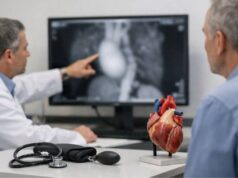
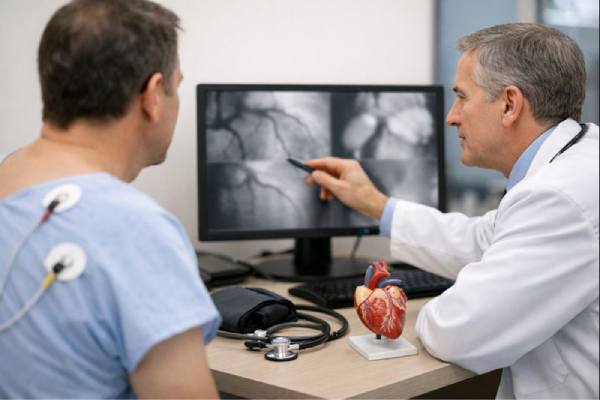
- Coronary angiography: a catheter-based dye test that maps vessel narrowing. It’s a cornerstone test but may miss early, diffuse wall thickening because it mainly shows the lumen (the hollow channel).
- Intravascular ultrasound (IVUS) or optical coherence tomography (OCT): catheter-based imaging inside the vessel that can detect early thickening of the vessel wall. This is especially helpful when angiography looks “normal” but disease is developing.
- Physiologic assessment: measures of blood flow and resistance can reveal microvascular dysfunction—important because small-vessel disease can cause symptoms and outcomes even when large vessels look mild.
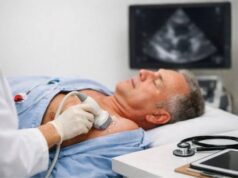
- Noninvasive imaging: stress tests, perfusion imaging, and newer approaches (such as advanced CT or PET-based flow quantification where available) may help monitor selected patients or reduce invasive testing in specific situations.
How CAV is staged
Clinicians often describe CAV by severity and distribution—mild, moderate, or severe—and by how much it affects function. A practical staging approach usually considers:
- How many vessels are involved
- Whether disease is focal (stentable) or diffuse
- Whether small-vessel disease is present
- Evidence of impaired graft function (echo findings, symptoms, hemodynamics)
The key clinical question is not just “Is CAV present?” but “Is it progressing, and is it affecting perfusion or function?”
What patients can expect around testing
For many heart transplant recipients, early post-transplant years include scheduled surveillance. While protocols vary by center, the pattern often looks like:
- A baseline coronary assessment after transplant recovery
- Periodic follow-up imaging—more frequent in the first years or in higher-risk patients
- Intensified testing when there are new symptoms, rejection events, or significant risk-factor changes
Questions worth asking your team
To stay engaged without becoming overwhelmed, focus on a few concrete questions:
- What is my current CAV stage (if any), and how confident is that classification?
- Are we seeing progression compared with last year’s test?
- Do findings suggest large-vessel disease, small-vessel disease, or both?
- What change are we making now to reduce risk over the next 12 months?
This turns surveillance into action—so results lead to a plan rather than anxiety.
Treatments that slow progression
There is no single cure for CAV, but treatment can meaningfully slow progression, reduce events, and preserve graft function. The most effective approach is usually layered: protect the vessels, control metabolic risks, and tailor immunosuppression when appropriate.
Foundation: risk-factor control (often more aggressive than usual)
Because the stakes are high, transplant teams often pursue tighter targets and earlier intervention:
- Statins: commonly used in most heart transplant recipients unless contraindicated. Benefits extend beyond cholesterol lowering, including anti-inflammatory effects that may help the vessel lining.
- Blood pressure control: often requires more than one medication. Stable blood pressure reduces ongoing vessel stress and protects kidney function.
- Diabetes management: steroid exposure and calcineurin inhibitors can worsen glucose control. Managing A1c and avoiding large glucose swings helps protect vessels.
- Kidney protection: dose adjustments and medication choices may reduce long-term vascular and renal damage.
- Smoking avoidance: complete avoidance is critical; “cutting down” is not enough for vascular protection.
Immunosuppression strategies
Immunosuppressive therapy is individualized. In some patients—especially those with early or progressive CAV—clinicians may consider regimen changes that balance rejection prevention with vascular protection. This can include:
- Optimizing calcineurin inhibitor exposure
- Considering agents that may reduce vascular smooth muscle proliferation in selected patients
- Tightening adherence supports (simpler schedules, reminders, side-effect management)
Any change must be carefully supervised because preventing rejection remains essential.
Revascularization when anatomy allows
When CAV produces discrete, treatable lesions, percutaneous coronary intervention (PCI) with stenting may improve blood flow and symptoms. Limits include:
- Diffuse narrowing that extends beyond stentable segments
- Small-vessel or microvascular disease
- Higher rates of restenosis compared with non-transplant coronary disease in some settings
In carefully selected cases, surgical bypass has been considered, but it is typically reserved for very specific anatomy and patient profiles.
Advanced disease options
If CAV becomes severe and graft function declines despite maximal therapy, teams may discuss:
- Advanced heart failure therapies
- Mechanical circulatory support in selected scenarios
- Retransplantation evaluation for eligible candidates
What “success” looks like in practice
Because reversal is uncommon, success is usually defined as:
- Stable imaging findings year-over-year
- Stable heart function on echocardiogram
- No new heart failure symptoms
- Fewer arrhythmia episodes
- Controlled LDL, blood pressure, kidney function, and glucose
That combination can add meaningful years of durable graft function.
Day-to-day management and when to seek care
Living with a transplanted heart means doing many small things consistently. For CAV, daily management is less about a single “magic” behavior and more about building routines that protect blood vessels, prevent infection-related inflammation, and keep medications working as intended.
A realistic weekly checklist
These habits tend to have the best payoff:
- Medication consistency: take immunosuppressants at the same times daily; avoid missed doses and avoid “doubling up” unless your team instructs it.
- Home monitoring: track blood pressure, weight, and (if recommended) blood sugar. A 2–3 kg (about 4–7 lb) rise over a few days can signal fluid retention.
- Movement: aim for steady aerobic activity most days of the week, adjusted to your capacity and rehab plan. Even 20–30 minutes of brisk walking can improve blood pressure, insulin sensitivity, and mood.
- Heart-healthy eating pattern: prioritize vegetables, legumes, whole grains, lean proteins, and unsalted nuts; limit processed foods and sugary drinks that drive triglycerides and glucose spikes.
- Infection prevention: stay current with recommended vaccines and practice practical precautions during high-risk seasons, because infections can trigger inflammatory stress on vessels.
- Sleep and stress: poor sleep and chronic stress can worsen blood pressure and glucose control; address sleep apnea, insomnia, or anxiety early rather than “pushing through.”
Medication and supplement safety
A key CAV-protection step is avoiding interactions that destabilize immunosuppression levels. As a rule:
- Do not start herbal products, high-dose supplements, or new over-the-counter medicines without checking with your transplant pharmacist or physician.
- Report side effects early—nausea, tremor, swelling, or muscle pain—because small adjustments can improve adherence and safety.
When to call your transplant team (same day)
Contact your transplant team promptly for:
- New or worsening shortness of breath, swelling, or rapid weight gain
- Persistent palpitations or a new irregular heartbeat
- New exercise intolerance that lasts more than a few days
- Fever or signs of infection (especially early after transplant or during high immunosuppression periods)
- Medication access problems or missed immunosuppression doses
When to seek emergency care
Go to urgent/emergency care for:
- Severe breathlessness at rest
- Fainting or near-fainting
- Chest pressure or unexplained sweating/nausea with weakness
- Signs of stroke (face droop, arm weakness, speech trouble)
- Rapid heart rhythm with dizziness or severe fatigue
The long game
CAV prevention is a long-term partnership. The strongest predictor of good outcomes is often not a single test result, but sustained follow-up: showing up, sharing symptoms early, and steadily controlling the risk factors that are actually modifiable.
References
- The International Society for Heart and Lung Transplantation (ISHLT) guidelines for the care of heart transplant recipients 2023 (Guideline)
- Cardiac Allograft Vasculopathy: A Focus on Advances in Diagnosis and Management 2025 (Review)
- Cardiac Allograft Vasculopathy: Challenges and Advances in Invasive and Non-Invasive Diagnostic Modalities 2024 (Review)
- Cardiac Allograft Vasculopathy Inhibition With Alirocumab: The CAVIAR Trial 2026 (RCT)
Disclaimer
This article is for educational purposes and does not replace personalized medical care. Graft coronary vasculopathy can be serious and may present without typical chest pain after heart transplantation. If you have a transplant and develop new shortness of breath, fainting, palpitations, chest discomfort, rapid weight gain, or signs of infection, contact your transplant team promptly or seek emergency care when symptoms are severe. Never change immunosuppressive medications, heart medicines, or supplements without guidance from your transplant clinicians.
If you found this article helpful, please consider sharing it on Facebook, X (formerly Twitter), or any platform you prefer—and follow us on social media. Your shares help support our team in creating clear, reliable health content for more readers.