Graft thrombosis means a blood clot forms inside a surgical graft and blocks flow. A “graft” can be a bypass vessel placed to carry blood around a blockage, a dialysis access graft used for hemodialysis, or a transplanted organ’s blood supply connection. When a clot narrows or closes that pathway, the tissues downstream can be starved of oxygen—sometimes slowly, sometimes within hours.
What makes graft thrombosis challenging is how quickly the stakes change. A blocked leg bypass can threaten a limb; a thrombosed dialysis access can interrupt treatments; a clot in a transplanted kidney’s vein can threaten the organ itself. The most helpful approach is to understand the common triggers, recognize early warning signs, and know what evaluation and treatment typically look like—so action is fast and prevention is steady.
Table of Contents
- What graft thrombosis is and why it happens
- Common causes and risk factors
- Early symptoms and what can go wrong
- How it is diagnosed quickly and safely
- Treatments and what to expect afterward
- Prevention, daily management, and when to seek help
What graft thrombosis is and why it happens
Graft thrombosis is the formation of a clot within (or at the connection points of) a graft that was placed to restore or enable blood flow. The clot can partially block flow (causing “low-flow” symptoms) or fully occlude the graft (often an emergency). It occurs when the conditions favor clotting more than smooth blood movement—what many clinicians think of as a balance between flow, vessel lining health, and blood clotting tendency.
Common graft types where thrombosis matters
- Arterial bypass grafts: used in the heart (coronary bypass) or limbs (peripheral bypass). A clot can cause chest symptoms, heart muscle injury, or acute limb ischemia (sudden loss of blood to the leg or arm).
- Dialysis access grafts: an arteriovenous graft (AVG) connects an artery to a vein for reliable dialysis access. Thrombosis is a leading cause of access failure and missed dialysis sessions.
- Stent grafts: fabric-lined stents used for aneurysms or vessel repairs; thrombosis can occur if flow is poor or a limb of the device kinks.
- Transplant vascular connections: clots in a transplanted organ’s artery or vein (kidney, liver, pancreas) can rapidly damage the graft if not addressed promptly.
Why clots form in a graft
Most graft thrombosis is not “random.” It often starts with a narrowing (stenosis) that reduces flow and creates turbulence. Low, sluggish flow allows platelets and clotting proteins to accumulate. Over time, the narrowed segment becomes a choke point where a clot can suddenly form—sometimes triggered by dehydration, low blood pressure, infection, missed antiplatelet/anticoagulant doses, or a new heart rhythm problem (like atrial fibrillation).
A helpful way to picture it: many grafts fail from “plumbing plus biology.” The plumbing is the graft shape, kinks, and narrowing at connection sites. The biology is inflammation, blood thickness, platelet activation, and individual clotting risk. Effective care usually addresses both, not just one.
Common causes and risk factors
Graft thrombosis typically results from a local flow problem plus a systemic tendency to clot. The risk profile depends on graft type, timing after surgery, and the patient’s overall health.
Local causes: problems in or near the graft
- Stenosis at an anastomosis (the surgical connection): a common trigger in bypass grafts and dialysis grafts.
- Intimal hyperplasia: thickening of the vessel lining near the graft, often developing over months.
- Kinking, twisting, or compression: more likely when grafts cross joints or when swelling/positioning changes.
- Poor runoff: downstream vessels are severely diseased, so even a patent graft has limited forward flow.
- Technical issues early after surgery: narrowing from suture lines, size mismatch, or spasm; these tend to present in the first days to weeks.
Systemic causes: “blood and body” factors
- Dehydration or low blood pressure: reduces flow through the graft, especially in marginal circulation.
- Infection or inflammation: can temporarily raise clotting activity and thicken blood.
- Smoking: increases platelet activation and damages vessel lining.
- Diabetes: associated with smaller-vessel disease and higher clotting risk.
- High cholesterol and uncontrolled blood pressure: accelerate vessel disease that harms inflow and runoff.
- Kidney disease: shifts platelet and clotting balance; dialysis access patients often have repeated vessel injury from cannulation.
- Atrial fibrillation or other embolic sources: can send clots into grafts, particularly arterial grafts.
- Cancer, estrogen therapy, pregnancy/postpartum state, or inherited thrombophilia: increase clot risk in selected patients.
Timing clues: early versus late thrombosis
- Early thrombosis (hours to weeks) more often points to technical issues, severe spasm, very low blood pressure, or an unrecognized clotting disorder.
- Late thrombosis (months to years) often reflects progressive stenosis, worsening native-vessel disease, medication nonadherence, or repeated trauma (common in dialysis access).
A practical takeaway: if a graft clots, clinicians usually hunt for a correctable narrowing. Treating the clot without fixing the underlying stenosis often leads to repeat thrombosis—sometimes within days or weeks.
Early symptoms and what can go wrong
Symptoms depend on which graft is involved and how quickly flow drops. The most important pattern to recognize is sudden change—a fast shift from “working fine” to “clearly not right.”
Arterial bypass graft thrombosis (leg or arm)
A blocked limb bypass can cause acute limb ischemia. Classic warning signs include:
- Sudden severe pain in the limb
- Coldness or color change (pale, bluish, mottled)
- Numbness or tingling
- Weakness or inability to move the foot/hand normally
- Loss of pulses below the graft site
Clinicians often describe “6 P’s” (pain, pallor, pulselessness, paresthesia, paralysis, poikilothermia/coldness). Not every patient has all six, but rapid progression is a red flag. The main complication is tissue death, which can threaten the limb if revascularization is delayed.
Dialysis access graft thrombosis
Many people notice access thrombosis through changes at the graft site:
- The usual thrill (vibration) is weaker or absent
- The graft feels firmer, swollen, or tender
- Dialysis staff cannot achieve adequate blood flow rates
- Alarms on the dialysis machine occur more often
- The arm may swell if there is central venous stenosis upstream
The consequences are practical and medical: missed dialysis, need for temporary catheters, higher infection risk, and repeated procedures that can exhaust access options over time.
Coronary bypass graft thrombosis
Symptoms can mimic heart ischemia but may be subtle in some patients (especially older adults and people with diabetes):
- Chest pressure, shortness of breath, sweating, nausea
- Unusual fatigue with exertion
- New rhythm symptoms (palpitations, faintness)
Complications include myocardial infarction, heart failure worsening, and dangerous arrhythmias.
Transplant graft vascular thrombosis
When a transplanted organ’s blood supply clots, the situation is often urgent. Warning signs vary by organ, but for kidney transplants can include:
- Sudden drop in urine output
- Pain or swelling near the graft site
- Rising creatinine on labs
The main risk is rapid graft injury, sometimes irreversible if not treated quickly.
How it is diagnosed quickly and safely
Diagnosis focuses on two goals: confirm whether the graft is blocked and identify why it happened (so it can be prevented from recurring). Because graft thrombosis can be time-sensitive, clinicians often run evaluation and treatment steps in parallel.
Step 1: targeted history and exam
Teams look for the details that change urgency and treatment choice:
- When symptoms began (minutes, hours, days)
- Whether symptoms are worsening
- Medication adherence (antiplatelet/anticoagulant doses missed)
- Recent dehydration, infection, surgery, or low blood pressure episodes
- For dialysis access: whether the thrill has changed and when dialysis last succeeded
A focused physical exam checks temperature, color, capillary refill, motor/sensation, and pulses (or graft thrill/bruit for dialysis access). These findings help estimate limb or graft viability.
Step 2: imaging that matches the graft
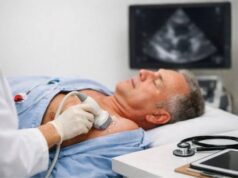
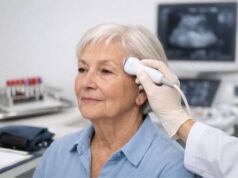
- Duplex ultrasound is often first-line for peripheral bypass grafts, dialysis access grafts, and transplant vessel evaluation. It can detect clot, stenosis, and flow direction and can be repeated without radiation.
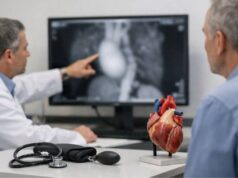
- CT angiography (CTA) provides a fast map of arteries and graft anatomy, helpful in limb ischemia or complex bypass/stent graft situations.
- MR angiography (MRA) may be used in selected patients, particularly when iodinated contrast is risky.
- Catheter angiography can diagnose and treat in the same session (thrombolysis, thrombectomy, angioplasty, stenting). It is commonly used when intervention is likely.
Labs and monitoring: helpful but rarely decisive alone
Blood tests may assess anemia, kidney function, infection, and baseline clotting parameters before anticoagulation or procedures. However, there is no single blood test that definitively confirms graft thrombosis. In transplant settings, teams also track organ-specific labs (for example, creatinine and urine output for kidney grafts).
Staging urgency: the question clinicians answer first
Before choosing a treatment, clinicians determine whether the situation is:
- Threatened but salvageable (requires urgent revascularization)
- Stable occlusion with collateral flow (may allow planned intervention)
- Nonviable tissue/graft (focus shifts to preventing systemic complications and planning next steps)
That triage—based on exam plus imaging—guides everything that follows.
Treatments and what to expect afterward
Treatment depends on graft type, location, how long it has been blocked, and whether the tissue downstream is threatened. In many arterial graft cases, management begins with rapid assessment and early anticoagulation under clinician supervision, while planning definitive clot removal and correction of the underlying cause.
Core goals of treatment
- Restore flow (when possible and beneficial)
- Remove or dissolve clot safely
- Fix the trigger (usually a stenosis or mechanical problem)
- Reduce the chance of repeat thrombosis with a tailored prevention plan
Endovascular options (minimally invasive)
These are common for limb bypass grafts, stent graft issues, and dialysis access:
- Mechanical thrombectomy: devices remove clot through a catheter.
- Catheter-directed thrombolysis: medication is delivered directly into the clot over hours to dissolve it, used when bleeding risk is acceptable and tissue is not already severely compromised.
- Balloon angioplasty and/or stenting: treats the underlying narrowing that caused low flow in the first place.
- Adjunctive techniques: aspiration, cutting balloons, or treatment of central venous stenosis in dialysis patients.
For dialysis access thrombosis, success is strongly linked to correcting the stenosis driving the clot—often at the venous anastomosis or in central veins.
Surgical options
Surgery is more likely when the graft has a clear mechanical issue, thrombolysis is unsafe, or the limb is immediately threatened:
- Open thrombectomy (clot extraction)
- Patch angioplasty or graft revision at narrowed segments
- New bypass or jump graft if the existing graft cannot be salvaged
- Transplant exploration in vascular thrombosis threatening a transplanted organ
Medications after revascularization
Post-treatment plans vary, but often include:
- Antiplatelet therapy (commonly aspirin, sometimes combined therapy depending on graft type and bleeding risk)
- Anticoagulation in selected patients (for example, atrial fibrillation, proven hypercoagulable states, or certain graft scenarios)
- Intensive control of blood pressure, lipids, and diabetes to preserve inflow and runoff
Because bleeding risk differs widely, dosing and duration should be individualized rather than copied from a friend’s plan.
What follow-up usually looks like
Many teams schedule surveillance—often with duplex ultrasound or access flow monitoring—to catch restenosis early. A strong follow-up plan is not “extra”; it is the difference between a one-time event and repeated thrombosis.
Prevention, daily management, and when to seek help
Preventing graft thrombosis is usually a long-term routine built from small, consistent actions. The best prevention strategy depends on the graft, but most plans share the same pillars: keep flow strong, protect the vessel lining, and reduce the body’s tendency to clot.
Daily and weekly habits that protect graft flow
- Take antiplatelet/anticoagulant therapy exactly as prescribed. Missed doses are a common, preventable trigger. If cost or side effects are barriers, tell the team early—alternatives often exist.
- Stay adequately hydrated unless you have a fluid restriction. Dehydration can lower graft flow, especially during illness or hot weather.
- Do not smoke. Even occasional smoking increases clot risk and damages vessel lining.
- Keep blood pressure, diabetes, and cholesterol controlled. These are not “background issues”—they shape whether the graft stays open over years.
- Protect the graft area from compression and injury. This is especially important for dialysis access and grafts that cross joints.
Dialysis access–specific protection
If you have an AVG (or fistula), routine self-checks are powerful:
- Feel for the thrill daily; learn your baseline.
- Watch for swelling, prolonged bleeding after needle removal, or new pain.
- Rotate cannulation sites if instructed, and follow your dialysis unit’s access-care plan.
A sudden change in thrill or repeated “low flow” during dialysis deserves prompt evaluation, because stenosis can often be treated before thrombosis occurs.
Surveillance: catching stenosis before it clots
Many vascular and dialysis programs use periodic duplex ultrasound or access monitoring to detect narrowing early. The practical value is simple: treating a stenosis electively is usually easier, safer, and more durable than rescuing a fully clotted graft.
When to seek urgent or emergency care
Seek emergency care now for:
- Sudden cold, painful, numb, or weak limb
- New inability to move fingers/toes normally
- Severe shortness of breath, chest pressure, fainting, or severe palpitations
- Signs of transplant graft distress as instructed by your transplant team (for example, sudden anuria in a kidney transplant)
Contact your specialist team promptly (same day) for:
- Loss or major change in dialysis access thrill
- Increasing swelling of the access arm
- New exercise intolerance, leg pain at rest, or rapidly worsening claudication
- A missed dose pattern or inability to obtain medications
The guiding idea is speed with judgment: it is better to be evaluated and reassured than to wait until tissue injury becomes harder to reverse.
References
- 2024 ACC/AHA/AACVPR/APMA/ABC/SCAI/SVM/SVN/SVS/SIR/VESS Guideline for the Management of Lower Extremity Peripheral Artery Disease: A Report of the American College of Cardiology/American Heart Association Joint Committee on Clinical Practice Guidelines 2024 (Guideline)
- 2024 ESC Guidelines for the management of peripheral arterial and aortic diseases 2024 (Guideline)
- Interventions for thrombosed haemodialysis arteriovenous fistulas and grafts 2024 (Systematic Review)
- Management and Outcome After Early Renal Transplant Vein Thrombosis: A French Multicentre Observational Study of Real-Life Practice Over 24 Years 2023 (Observational Study)
Disclaimer
This article is for educational purposes and does not replace medical advice, diagnosis, or treatment. Graft thrombosis can be an emergency, and symptoms vary by graft type and location. If you develop sudden limb pain or coldness, new weakness or numbness, severe shortness of breath, chest pressure, fainting, or a sudden change in dialysis access function (such as loss of thrill), seek urgent medical care or contact your specialist team right away. Never start, stop, or change antiplatelet or anticoagulant medications without guidance from your clinician, as both clotting and bleeding risks must be balanced for your situation.
If you found this article useful, please consider sharing it on Facebook, X (formerly Twitter), or any platform you prefer—and follow us on social media. Your support through sharing helps our team continue producing clear, reliable health information.