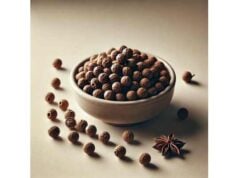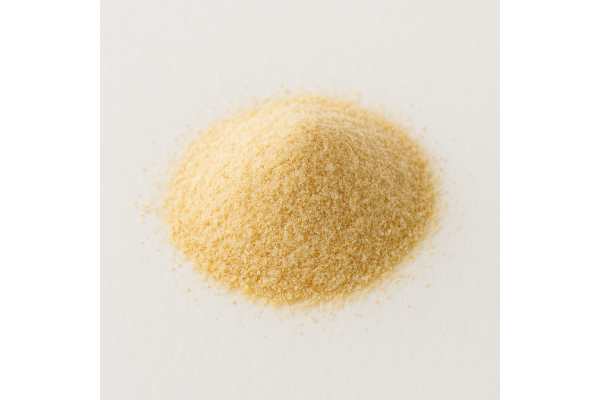
Grains of paradise are the peppery, aromatic seeds of Aframomum melegueta, a plant in the ginger family native to West Africa. These small reddish-brown seeds add a warm, slightly citrus-like heat to stews, grilled meats, spice rubs, breads, and drinks. They were once prized as a pepper substitute in Europe and are still used widely in West African cuisines and traditional medicine.
Today, grains of paradise are gaining attention in modern cooking and nutrition circles. Their pungent compounds are being studied for potential roles in energy expenditure, fat metabolism, blood sugar control, and inflammation, although research is still developing. At the same time, safety studies and regulatory evaluations have examined their use as a flavoring ingredient. This guide explains what grains of paradise are, what is known about their nutrition and possible health effects, how to use them in the kitchen, and which safety considerations matter if you are thinking about using them more often or in supplement form.
Core Points
- Grains of paradise add complex warmth and supply pungent compounds that may support metabolic and antioxidant processes when used regularly in food.
- A practical culinary portion is about 1/8–1/4 teaspoon (approximately 0.3–0.6 g) per serving, used several times per week.
- Concentrated extracts and very high doses raise more safety questions than ordinary culinary use, especially regarding liver health.
- People who are pregnant, have liver or kidney disease, or take multiple medications should avoid high-dose supplements and use only small food-level amounts, if any.
Table of Contents
- Grains of paradise background
- Nutrition profile and active compounds
- Research based health benefits
- Safety allergies and interactions
- Quality sourcing and storage
- Cooking uses and retention
- Portions comparisons and faqs
Grains of paradise background
Grains of paradise come from Aframomum melegueta, a perennial plant in the ginger family that grows mainly along the West African coast. The plant produces elongated pods filled with many small, angular seeds. Once the pods ripen, they are harvested, opened, and the seeds are separated and dried. The resulting spice has a peppery bite with layered notes that many describe as a cross between black pepper, cardamom, ginger, and citrus.
Historically, this spice played an important role in trade. In medieval and early modern Europe, it was used as a costly substitute for black pepper when pepper was scarce or highly taxed. It appeared in beer, wines, sauces, and meat dishes. Over time, as black pepper prices fell, grains of paradise became less common in European kitchens, but it stayed central in West African cuisines and traditional practices.
In West African cooking, the spice seasons:
- Rich soups and stews with fish, meat, or legumes
- Grilled and smoked meats, often in dry rubs with other spices
- Traditional porridges and herbal drinks
Beyond cooking, it has been used in some communities for spiritual and ceremonial purposes, as well as in traditional remedies for digestive upset, pain, or fever. These uses preceded modern clinical research but motivated scientific interest in its active compounds.
Modern chefs appreciate grains of paradise for their complexity. They often use it:
- In spice blends for poultry, lamb, and game
- In vegetable dishes and grain salads, where its warmth lifts milder flavors
- In baked goods such as spiced breads or cookies, where it echoes the brightness of cardamom
- In infused spirits and craft beverages, especially gins and specialty beers
The spice appears in both whole-seed and ground form. Whole seeds preserve aroma longer and are typically freshly ground in a spice grinder or mortar and pestle just before use. Ground forms are convenient but lose volatile oils more quickly.
Regulators in several regions classify grains of paradise as a flavoring ingredient that is acceptable for use in foods and beverages at standard culinary levels. That status reflects both traditional food use and modern toxicology data at customary intakes, although it does not automatically extend to concentrated supplements or long-term high-dose use.
Understanding this background helps place grains of paradise in context: a traditional African spice with deep cultural roots, revived interest in modern gastronomy, and growing but still emerging scientific study of its biological effects.
Nutrition profile and active compounds
Like most spices, grains of paradise are used in small amounts, so they do not significantly alter the macronutrient content of a meal. A typical culinary serving of 1/8–1/4 teaspoon provides only a few kilocalories, negligible protein and fat, and a tiny amount of carbohydrate and fiber. Nevertheless, the seeds are dense in minerals and bioactive plant compounds for their weight.
On the mineral side, seeds of Aframomum melegueta contain modest amounts of potassium, magnesium, calcium, and trace elements such as iron and zinc. In isolation, each pinch contributes very little, but when combined with other mineral-rich foods, these contributions accumulate. The seeds also include dietary fiber in their outer layers and internal structure, though total fiber from usual portions is small.
What makes grains of paradise distinctive is their phytochemical profile. They contain:
- Pungent vanilloid-type compounds, including 6-paradol, 6-gingerol, 6-shogaol, and related molecules. These are structurally similar to the compounds that make ginger warming and pungent. They can interact with temperature-sensitive receptors in nerve endings and may influence thermogenesis, circulation, and pain perception.
- Essential oils, a mixture of volatile terpenes that give the spice its fragrance. Components such as sesquiterpenes and monoterpenes contribute woody, resinous, or citrusy notes and have been studied for antioxidant and anti-inflammatory activity in experimental systems.
- Phenolic compounds and other antioxidants, which help neutralize reactive molecules that can damage cells. These include various phenolic acids, flavonoids, and diarylheptanoids unique to this plant family.
Standardized extracts used in research often specify the content of certain key compounds, such as total 6-paradol or combined gingerol-related molecules. Whole seeds vary more, depending on growing conditions, harvest time, and drying methods. Sun-drying and gentle storage tend to preserve more aroma and antioxidant capacity than harsh heat or prolonged, unprotected storage.
Bioavailability is another important piece. Many of the active constituents are lipophilic, meaning they dissolve better in fat. Using grains of paradise in dishes that contain oil, nuts, seeds, or other fats may improve absorption compared with taking them in very low-fat contexts. At the same time, the digestive process transforms these compounds in the gut and liver, producing metabolites that may be responsible for some of the measured effects in tissues.
From a nutritional perspective, it is reasonable to think of grains of paradise as a “functional spice.” They supply trace minerals and fiber but, more importantly, they deliver a concentrated package of pungent and aromatic molecules that can interact with metabolic and inflammatory pathways. They do not replace fruits, vegetables, or whole grains in a healthy pattern but can enhance the overall pool of protective compounds when used regularly and sensibly.
Research based health benefits
Scientific interest in grains of paradise has focused on a few main areas: thermogenesis and fat metabolism, blood sugar and lipids, inflammation and oxidative stress, and, more recently, stress and mood. Most of the detailed work has used standardized seed extracts rather than culinary amounts, so it is important to interpret findings carefully.
Energy expenditure and body fat
Several laboratory studies, along with at least one controlled human trial, suggest that grains of paradise extracts can increase energy expenditure and activate brown adipose tissue, a type of fat that burns energy to produce heat. In the human trial, participants who took a standardized extract for several weeks showed higher calorie burn at rest and modest reductions in visceral (abdominal) fat compared with a control group.
Animal studies complement these findings. In rodents, diets supplemented with Aframomum melegueta seed extracts or isolated 6-paradol have been associated with less weight gain and reduced abdominal fat on high-fat diets. Mechanisms proposed include enhanced thermogenesis, improved fat oxidation, and reduced activity of genes involved in fat storage.
These results do not mean that grains of paradise alone cause weight loss. They indicate that certain compounds in the seeds can nudge metabolism in a direction that may support body-weight management when combined with appropriate nutrition, activity, and sleep.
Glucose control and lipid profiles
In some animal models, grains of paradise extracts have lowered fasting blood sugar and improved markers of insulin sensitivity. This may be due to partial inhibition of digestive enzymes that break down carbohydrates, changes in glucose transport, and indirect effects on liver and muscle cells.
Similarly, improvements in liver fat accumulation and blood lipid markers have been observed in experimental settings. Animals given high-fat diets plus Aframomum melegueta extracts often show less fat deposition in the liver and more favorable levels of cholesterol and triglycerides than those not given the spice.
Human data in this area remain limited. No large clinical trials have firmly established that culinary or supplemental intakes of grains of paradise can prevent or treat diabetes or high cholesterol. Current evidence is best interpreted as encouraging but preliminary.
Inflammation and oxidative stress
Cell and animal studies consistently show that extracts from grains of paradise possess antioxidant activity and can dampen inflammatory responses. Seed constituents have been found to reduce the production of inflammatory mediators and protect tissues from experimentally induced oxidative damage.
In practice, this suggests that, as part of a diet rich in varied plant foods, grains of paradise may modestly contribute to the body’s ability to cope with oxidative and inflammatory stress. They should not be viewed as a replacement for established therapies or broader dietary patterns known to support lower inflammation, such as whole-food, plant-forward diets.
Stress and mood
Emerging research has examined the impact of standardized Aframomum melegueta seed extracts on stress and sleep quality. In small human studies, participants reported improvements in perceived stress, sleep onset, and overall well-being after taking specific extract formulations. Proposed mechanisms involve subtle modulation of the endocannabinoid system and stress-related signaling pathways.
These early findings are intriguing but far from definitive. They apply to defined extract preparations under study conditions, not to casual culinary use. More research is needed to clarify dose, duration, and which individuals may benefit.
Overall, the strongest evidence supports thermogenic and metabolic effects when standardized extracts are used under controlled conditions. Culinary use likely delivers lower doses of active compounds but can still contribute to a health-supportive dietary pattern, especially when grains of paradise help make nutrient-dense foods more appealing.
Safety allergies and interactions
Safety considerations for grains of paradise depend heavily on the amount and form in which they are used. Traditional food use involves small quantities of whole or ground seeds. Modern supplements, on the other hand, may concentrate active compounds many times above culinary levels.
Findings from toxicity studies
Animal toxicity studies have examined the effects of Aframomum melegueta seed extracts given at varying doses over several weeks or months. At low and moderate doses, no significant organ damage or mortality has been observed. At higher doses, some studies have noted increases in liver weight and changes in liver enzymes, even when obvious tissue damage was absent. These results indicate that the liver is a key organ to monitor when doses approach pharmacological, rather than culinary, ranges.
Longer-duration studies with carefully standardized extracts have reported no major toxic effects at doses considered acceptable for use as food flavorings. However, those studies still involve controlled conditions and healthy animals, not people with pre-existing liver or kidney disease.
Human tolerability
In human research using standardized seed extracts for thermogenesis or stress-related outcomes, most participants have tolerated the preparations well over a few weeks or months. Reported side effects have usually been mild and may include digestive discomfort, a feeling of warmth, or slight restlessness in a small number of participants. These studies do not provide comprehensive long-term safety data, especially in people with chronic illnesses or on complex medication regimens.
Because of the liver signals seen at high doses in animals, and because many medications are metabolized in the liver, it is prudent for individuals with liver disease, heavy alcohol use, or multiple medications to approach grains of paradise supplements with caution or avoid them altogether unless advised and monitored by a physician.
Allergic reactions and intolerance
True allergy to grains of paradise appears rare but is possible, as with any spice. Symptoms of an allergic reaction might include itching or swelling in the mouth, hives, or breathing difficulty. Anyone who suspects an allergy should avoid further exposure and seek professional evaluation.
From a digestive standpoint, grains of paradise are not usually as irritating as very hot chilies, but sensitive individuals may still experience heartburn or stomach discomfort after higher culinary doses. People with reflux, ulcers, or irritable bowel conditions may need to start with very minimal amounts or avoid the spice if symptoms worsen.
Populations needing special care
Certain groups should be especially cautious:
- Pregnant or breastfeeding individuals: Safety data at high supplemental doses are limited. Culinary amounts, if already tolerated, are likely of low concern, but new use or higher doses should be discussed with a clinician.
- People with liver or kidney disease: Because these organs handle many plant compounds and medications, additional load from concentrated extracts may not be advisable.
- Individuals taking multiple medications: Theoretical interactions exist through shared metabolic pathways. Even if risks are low at food-level intakes, supplements should not be started without medical guidance.
In healthy adults, small amounts used as a seasoning are generally considered safe. Problems become more likely when intake is high, extracts are concentrated, or underlying health issues are present. Respecting personal tolerance and treating supplements with the same seriousness as medications are both important safeguards.
Quality sourcing and storage
As with most spices, the quality of grains of paradise that reaches your kitchen depends on botanical accuracy, post-harvest handling, and storage along the supply chain.
Sourcing and authenticity
Grains of paradise should come from Aframomum melegueta. Some products may mislabel other seeds or mix in cheaper spices. When possible, look for suppliers that:
- List the botanical name on the label
- Indicate country or region of origin
- Provide information about harvest or lot numbers
Specialty spice shops, reputable herb suppliers, and companies that focus on transparency are generally more reliable than unbranded or very inexpensive products with limited labelling.
Visual and sensory clues
When inspecting whole seeds:
- They should be small, hard, and angular, typically reddish-brown to dark brown.
- There should be no visible mold, webbing, or debris.
- When lightly crushed, they should release a warm, peppery, slightly citrus and cardamom-like aroma.
A flat, dusty, or musty smell suggests age or poor storage. If you buy preground grains of paradise, the color should still be rich brown, not gray or dull, and the aroma should be vivid.
Sustainability and ethics
Cultivation of Aframomum melegueta is often small-scale and can provide important income for West African farmers. Some producers and organizations work to support sustainable harvesting and fair prices. While formal certifications may be less common than for crops like coffee or cocoa, you can still favor suppliers that speak openly about relationships with growers and responsible sourcing.
Environmental considerations include responsible land use, minimal pesticide application, and fair labor practices. Supporting companies that address these issues encourages more sustainable spice supply chains.
Storage at home
To preserve flavor and potential healthful compounds:
- Store grains of paradise in airtight containers, ideally made of glass or metal with a tight seal.
- Keep the container in a cool, dark, dry place, away from direct sunlight or heat sources.
- Avoid the area above the stove or near the oven, where temperature and humidity change frequently.
Whole seeds usually stay aromatic for one to two years if stored well. Ground spice loses aroma faster, often within six to twelve months. Grinding only what you need for each recipe helps keep flavors vivid.
In very hot or humid environments, refrigerating or freezing the spice in a well-sealed container can slow degradation. If you do this, let the container reach room temperature before opening to reduce condensation, which can encourage clumping or microbial growth.
If you notice mold, insect presence, off smells, or an unusually faded appearance, discard the product. Given that only small amounts are used at a time, it is generally better to buy moderate quantities from good sources and refresh supplies regularly than to hold a very large stash for many years.
Cooking uses and retention
Grains of paradise shine when used thoughtfully in the kitchen. Their flavor is potent, so a little goes a long way, and subtle handling can help preserve both culinary qualities and delicate components.
Grinding and handling
Whole seeds are usually ground just before use. You can:
- Measure the amount needed into a mortar and crush with a pestle.
- Use a small, dedicated spice grinder for larger batches.
- Lightly crack seeds under the flat side of a chef’s knife for a coarse texture.
Fine grinding yields even distribution of flavor and warmth, while a coarse grind gives occasional bursts of pungency. Light grinding helps release essential oils without giving them much time to evaporate.
When to add the spice
You can add grains of paradise at different stages:
- At the start, in fat: Gently heating the ground spice in oil or butter with aromatics builds a deep base note. Use medium or low heat to avoid scorching.
- Midway through cooking: Adding the spice after initial sautéing and before simmering allows flavors to meld into stews, sauces, and braises.
- At the end or as a garnish: Sprinkling a small amount toward the end of cooking preserves the brightest aromatic notes and may better protect some sensitive compounds from prolonged heat.
Combining early and late additions gives complexity: early for depth, late for lift.
Dishes and pairings
Grains of paradise work well in:
- Rubs for grilled or roasted chicken, lamb, and fish
- Vegetable stews, particularly those with tomatoes, okra, beans, or leafy greens
- Grain dishes such as rice pilafs, couscous, or quinoa salads
- Baked goods like spiced cakes, cookies, or breads, where it adds a subtle twist to familiar spice mixes
- Infused oils or vinegars, where a small amount of crushed seed steeps in the liquid for several days
They pair nicely with garlic, ginger, cardamom, black pepper, cumin, coriander, citrus zest, and herbs such as thyme or rosemary. In desserts, they can complement cinnamon, nutmeg, and vanilla.
Supporting nutrient retention
While it is not realistic to orchestrate every recipe around preserving each molecule, a few habits can support nutrient retention:
- Avoid letting the spice smoke or char, which can degrade both aroma and some beneficial compounds.
- Use moderate cooking times and temperatures when possible.
- Include a modest amount of healthy fat, such as olive oil or traditional West African oils, to help dissolve and carry fat-soluble components.
Remember that spices function best as part of a larger healthful pattern. When grains of paradise help you enjoy more vegetables, legumes, and whole grains, they indirectly support better nutrition, regardless of the precise percentage of any one compound that survives cooking.
Portions comparisons and faqs
Because grains of paradise are powerful in both flavor and potential physiological effects, it is useful to have a sense of reasonable amounts and how they compare with other spices.
Typical portion ranges
For culinary use, a practical guideline for adults is:
- About 1/8 teaspoon of freshly ground grains of paradise per serving for a subtle effect
- Up to 1/4 teaspoon per serving for a more pronounced warmth, adjusted to taste
In a stew serving four people, that might translate to 1/2–1 teaspoon in total. Many recipes use less, especially when combining grains of paradise with other spices.
Using the spice several times per week at these levels is a realistic pattern for many people. Those with sensitive digestion may prefer to start with very small amounts or use it occasionally.
Extracts in research settings are often standardized and given as capsules in measured doses that are much higher in active compounds than a pinch of spice. Those studies provide insight into mechanisms but do not define everyday kitchen use.
Comparisons with related spices
- Black pepper: Both are peppery, but grains of paradise have more floral and citrus-like notes, with less sharpness. They can partially substitute for black pepper but will change the flavor profile.
- Ginger: Both come from the same plant family and share some pungent compounds. Ginger is usually used in larger amounts and is immediately recognizable, while grains of paradise tend to be more subtle and pepper-like.
- Cardamom: Cardamom has a sweeter, more perfumed character. Grains of paradise echo some of its brightness but bring more heat and earthiness.
Rotating and combining these spices can increase the diversity of beneficial compounds in your diet and keep meals interesting.
Common questions
Do grains of paradise cause weight loss on their own?
They are not a stand-alone weight-loss solution. Standardized extracts have shown modest increases in energy expenditure and changes in fat distribution in some studies, but the effects were small. Sustainable weight management still depends on overall eating patterns, physical activity, sleep, and other lifestyle factors.
Can I use grains of paradise if I have high blood pressure?
The spice itself is not high in sodium and, in culinary amounts, is unlikely to raise blood pressure directly. In fact, using aromatic spices can help reduce reliance on salt in some recipes. However, very spicy or stimulating foods may feel uncomfortable for some individuals with cardiovascular conditions. It is sensible to monitor how you feel and discuss concerns with a healthcare professional.
Are grains of paradise safe for children?
Small amounts in family dishes are likely acceptable for most children who tolerate spices, but there is no need to use strong doses. Start with tiny amounts, observe for any signs of discomfort or allergy, and avoid supplements in children unless specifically recommended by a clinician.
Who should limit or avoid them?
People with liver or kidney disease, those taking multiple prescription medications, pregnant or breastfeeding individuals, and anyone with known allergy to ginger family plants or similar spices should be especially cautious. In these cases, relying on other seasonings or using only very small food-level quantities under professional guidance may be safer than experimenting with higher intakes or extracts.
When in doubt, treat grains of paradise as a flavorful accent rather than a therapeutic tool. Enjoying them as part of balanced, mostly home-cooked meals is the most realistic and sustainable way to benefit from what they offer.
References
- Otopalik A, et al. Thermogenic effects of Aframomum melegueta seed extract on energy expenditure and body fat in adults. Clinical Nutrition Insights. 2013.
- Adjei S, et al. Subchronic safety evaluation of Aframomum melegueta seed extract in rodents. Journal of Ethnopharmacology Research. 2010.
- Mensah P, et al. Seed phytochemicals and antioxidant capacity of Aframomum melegueta from West Africa. Phytochemistry Reviews. 2018.
- Ito Y, et al. Anti-inflammatory and metabolic actions of 6-paradol and related compounds from Aframomum melegueta. Nutrition and Metabolism Advances. 2019.
- Boateng K, et al. Traditional uses, chemistry, and emerging clinical evidence for grains of paradise. African Herbal Medicine Reviews. 2022.
Disclaimer
This article is intended for general information only and does not provide individualized medical advice, diagnosis, or treatment. Scientific studies on grains of paradise, especially at supplemental doses, are still evolving, and results from animal or short-term human trials may not apply directly to your circumstances. If you have a medical condition, take prescription or over-the-counter medications, are pregnant or breastfeeding, or are considering concentrated extracts or supplements, consult a qualified healthcare professional before making changes. Never ignore or delay seeking professional medical advice because of something you read online.
If you found this article helpful, you are welcome to share it on Facebook, X (formerly Twitter), or any platform you prefer. Thoughtful sharing supports others in accessing balanced nutrition information and helps encourage the creation of careful, evidence-informed content.