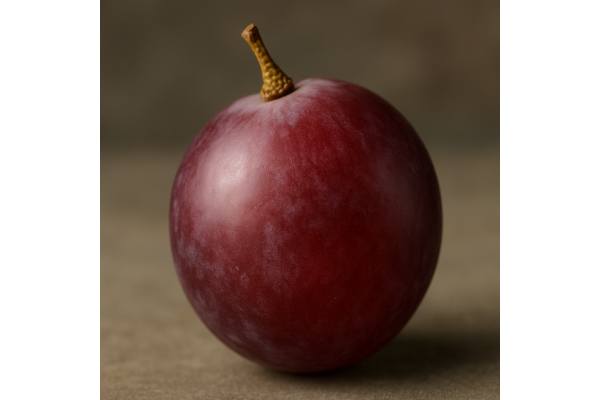
Grapes are one of the world’s most versatile fruits—snackable out of hand, beautiful on a cheese board, and foundational to juices, jellies, and wine. Beyond sweetness, they bring water, potassium, and a family of polyphenols (including resveratrol, catechins, and anthocyanins in darker varieties) linked with heart and eye support. A 100 g portion provides just 69 kcal, so grapes fit easily into balanced eating patterns from Mediterranean to plant-forward diets. Texture varies from crisp green seedless to fragrant red and black varieties; seeded grapes can offer slightly bolder flavor. In the kitchen, they roast into jammy, savory-sweet sides, brighten salads, and freeze into refreshing mini “sorbet” bites. For everyday health, their biggest advantages are hydration, convenient fiber, and antioxidant diversity—especially when you eat the skins. This guide explains what’s in grapes, how they may help, how to choose and store them, and the few caveats to know so you can enjoy them confidently and often.
Top Highlights
- Hydrating fruit (≈81 g water/100 g) with potassium and diverse polyphenols that support heart and eye health.
- Typical serving: 1 cup (≈150 g) fresh grapes, enjoyed 3–7 times per week within your fruit allowance.
- Safety note: rare allergies occur, often linked to lipid transfer proteins in the skin; seek care if symptoms appear.
- Who may limit: people advised to moderate quickly absorbed sugars, and those with confirmed grape or wine-sulfite sensitivity.
Table of Contents
- Grape at a Glance: Detailed Overview
- Grape Nutrition Profile (per 100 g)
- Evidence-Based Health Benefits
- Risks, Allergies and Interactions
- Selecting, Quality, Sustainability and Storage
- Preparation, Cooking and Nutrient Retention
- Portions, Comparisons and FAQs
Grape at a Glance: Detailed Overview
Grapes (genus Vitis) have been cultivated for millennia across the Mediterranean, Caucasus, and Near East, spreading worldwide with hundreds of cultivars. Broadly, table grapes are bred for thin skins, crisp texture, and sweetness; wine grapes tend to have thicker skins and more concentrated acids and tannins. Seedless types dominate produce aisles, while seeded varieties can deliver deeper, sometimes floral flavors. Color signals unique phytonutrient profiles: green (white) grapes lean on flavonols; red and black grapes add anthocyanins concentrated in their skins.
Nutritionally, grapes are mostly water with modest carbohydrates and trace fat and protein. Their micronutrient standouts include potassium, copper, and vitamin K, with small amounts of vitamin C and B vitamins. What makes grapes special is their polyphenol mix—compounds like resveratrol, quercetin, and catechins that participate in antioxidant and cell-signaling activities. Although amounts vary by cultivar, growing conditions, and storage, eating the skin maximizes exposure to these compounds.
Flavor and culinary range are wide. Fresh grapes bring crunchy-sweet relief in lunchboxes and snack plates. Roasted at high heat, they blister and caramelize, pairing beautifully with poultry, pork, fish, grains, and soft cheeses. Halved in salads, they contrast with bitter greens, toasted nuts, and whole-grain croutons. Frozen grape halves become a two-ingredient dessert when dusted with citrus zest. For preserving, grapes play well in quick chutneys with onion, vinegar, and warm spices or simmer into reduced sauces for savory mains.
From a health perspective, grapes are an easy way to add fruit diversity and hydration. Their sugars arrive in a watery matrix, and a cup (~150 g) contributes roughly 10% of a day’s potassium target with minimal sodium, supporting blood pressure goals when part of an overall healthy pattern. Because grapes are portable and ready to eat, they can help you hit the two-cups-of-fruit-a-day mark recommended in many dietary guidelines without prep barriers.
Finally, grapes are accessible nearly year-round thanks to global production and cold-chain logistics. To eat sustainably, favor in-season regional supply when available, and handle them gently—grapes bruise easily, and crushed skins accelerate spoilage. The following sections detail the nutrition numbers, what the best evidence says about potential benefits, and how to choose, store, and prepare grapes to get more value from every bunch.
Grape Nutrition Profile (per 100 g)
Serving reference: Data below reflect raw, unfortified table grapes, per 100 g edible portion. % Daily Values (%DV) use adult reference DVs.
Macros and Electrolytes
| Nutrient | Amount (per 100 g) | %DV |
|---|---|---|
| Energy | 69 kcal | — |
| Water | ~80.9 g | — |
| Carbohydrate | 18.1 g | 7% |
| Dietary Fiber | 0.9 g | 3% |
| Total Sugars | 15.5 g | — |
| Protein | 0.72 g | 1% |
| Total Fat | 0.16 g | 0% |
| Potassium | 191 mg | 4% |
| Sodium | 2 mg | 0% |
| Magnesium | 7 mg | 2% |
| Phosphorus | 20 mg | 2% |
Carbohydrates
| Component | Amount | Notes |
|---|---|---|
| Starch | 0 g | Grapes store carbs largely as simple sugars. |
| Intrinsic Sugars | 15.5 g | Mainly glucose and fructose in a high-water matrix. |
Fats and Fatty Acids
| Component | Amount | %DV |
|---|---|---|
| Saturated Fat | 0.05 g | 0% |
| Monounsaturated Fat | ~0.01 g | — |
| Polyunsaturated Fat | ~0.05 g | — |
| Omega-3/Omega-6 | trace | From seeds and skins; nutritionally minor in fresh grapes. |
Protein and Amino Acids
| Component | Amount | Notes |
|---|---|---|
| Protein | 0.72 g | Low overall; quality not a major dietary contributor. |
Vitamins
| Vitamin | Amount | %DV |
|---|---|---|
| Vitamin C (Ascorbic Acid) | 3.2 mg | 4% |
| Vitamin K (Phylloquinone) | 14.6 µg | 12% |
| Thiamin (B1) | 0.069 mg | 6% |
| Riboflavin (B2) | ~0.07 mg | 5% |
| Vitamin B6 | 0.086 mg | 5% |
| Folate (DFE) | ~2 µg | 1% |
| Vitamin A (RAE) | ~3 µg | 0% |
Minerals
| Mineral | Amount | %DV |
|---|---|---|
| Calcium | 10 mg | 1% |
| Iron | 0.36 mg | 2% |
| Zinc | 0.07 mg | 1% |
| Copper | 0.127 mg | 14% |
| Manganese | 0.071 mg | 3% |
Bioactives / Phytonutrients
- Polyphenols: resveratrol (skin; typically higher in red/black cultivars), anthocyanins (color pigments), catechins, quercetin. Levels vary widely by cultivar, sunlight, and handling.
- Organic acids: tartaric and malic acids contribute bright flavor and may aid palatability and perceived sweetness.
Allergens and Intolerance Markers
- Non-specific lipid transfer proteins (nsLTPs) reside in skins and can trigger IgE-mediated reactions in sensitized individuals.
- Sulfites: fresh grapes are naturally low; however, dried grapes (e.g., some raisins) and wineries may use sulfur dioxide as a preservative—relevant to sulfite-sensitive people.
Glycemic and Acid–Base Notes
- Grapes deliver intrinsic sugars in a high-water matrix, yielding a moderate glycemic impact per typical serving.
- Slightly alkaline-forming overall due to potassium and organic acids.
Footnote: Values reflect raw table grapes and standard DVs (adults). Fortified or processed products (juice, jelly, wine, some dried fruit) differ markedly in sugars and additives.
Evidence-Based Health Benefits
Cardiovascular support (modest but meaningful in context). Randomized controlled trials pooled in recent meta-analyses suggest that whole grape products—notably raisins and grape powder—produce a small average reduction in systolic blood pressure (on the order of a few mmHg) without consistent effects on diastolic pressure. For many people, shaving a few points off systolic pressure contributes incrementally to risk reduction when combined with other habits (weight management, exercise, sodium/potassium balance). Grape potassium helps counter dietary sodium, while polyphenols may influence endothelial function and oxidative balance. Grape juice, by contrast, appears less consistent in studies, likely reflecting higher free sugars, shorter exposure of skins, and processing differences.
Ocular health signals are emerging. In older adults, a controlled human trial using a daily portion of freeze-dried table grape powder for 16 weeks reported increases in macular pigment optical density—a marker associated with retinal resilience. While this is not proof of disease prevention, it aligns with mechanistic expectations: grape polyphenols can modulate oxidative stress and advanced glycation end-products, both relevant to retinal tissues. For practical eating, it means habitual intake of whole grapes with skins may be a simple, palatable way to diversify the diet’s antioxidant portfolio that benefits the eyes alongside leafy greens and other carotenoid-rich foods.
Lipid profile and vascular function (mixed but encouraging). Trials of grape-derived products, especially grape seed extract (GSE), have shown modest improvements in some cardiometabolic markers—for example, small reductions in LDL cholesterol or inflammatory markers in certain analyses—though findings vary with dose, duration, and population. Because extracts concentrate seed polyphenols, they are not nutritionally equivalent to fresh grapes; however, their results support a broader theme: grape polyphenols can influence vascular and oxidative pathways. When choosing foods, whole grapes offer these compounds naturally, alongside water, potassium, and fiber.
Hydration and weight-management friendly. With ~81% water and ~69 kcal per 100 g, grapes provide a high “food volume per calorie” ratio. Replacing denser sweets with a cup of grapes can satisfy a sweet craving at a lower calorie cost and with greater hydration. In mixed meals, halved grapes add sweetness and texture that can reduce added sugars in sauces and salads.
Exercise recovery convenience. The intrinsic glucose–fructose mix quickly tops up glycogen after activity, while the fluids and potassium assist rehydration. Pairing grapes with a protein source (e.g., yogurt, cottage cheese, or nuts) creates a compact recovery snack.
Practical bottom line: Grapes contribute to heart and eye-supportive patterns when eaten regularly as whole fruit—skins included—without relying on juice. Benefits appear small to moderate and are best understood as additive with other healthful habits.
Risks, Allergies and Interactions
Allergy (rare but real). Grapes can trigger IgE-mediated reactions in sensitized individuals, often linked to non-specific lipid transfer proteins (nsLTPs) found in the skin. Symptoms may include oral itching, urticaria, wheezing, or anaphylaxis in severe cases. People with known LTP sensitization (commonly associated with peach, apricot, and some Mediterranean botanicals) should use caution. Diagnosis and management require evaluation by an allergy specialist; self-testing is unsafe if severe reactions have occurred.
Sulfite sensitivity (mainly with processed products). Fresh table grapes themselves are not significant sulfite sources, but some dried grapes (e.g., sulfured golden raisins) and wine can contain sulfur dioxide as a preservative. Sulfites can provoke bronchospasm in a subset of people with asthma and cause hives or flushing in sensitive individuals. If you react to wine or sulfured dried fruit, choose unsulfured raisins, fresh grapes, or products labeled “no sulfites added.”
Blood sugar considerations. Grapes contain intrinsic sugars. For people with diabetes or those closely managing post-meal glucose, portion awareness and meal pairing (with protein, fiber, and fats) matter. A cup of fresh grapes (~150 g) typically fits within a balanced snack or dessert, especially when paired (e.g., with cheese, Greek yogurt, or nuts). Whole fruit generally produces a lower glycemic response than juice, thanks to water, intact structure, and fiber.
Medication and interactions. Grapes do not share the clinically important medication interactions associated with grapefruit (which inhibits CYP3A4). Standard table grapes are not known to cause significant pharmacokinetic interactions with common medications when eaten in customary amounts. If you use warfarin or other vitamin K–sensitive therapies, note that grapes contribute a modest amount of vitamin K; consistent intake patterns are prudent even though grapes are far below leafy greens in vitamin K content.
Choking hazard in young children. Whole grapes are a top choking risk for toddlers and preschoolers due to their slippery, round shape. Always halve or quarter grapes lengthwise for children under 5 and supervise eating.
Gastrointestinal tolerance. Most people tolerate grapes well. Large portions may cause bloating in some due to fructose load; dividing servings and pairing with other foods often helps. If you have fructose malabsorption or are following a specialty plan (e.g., low FODMAP under clinical guidance), individual tolerance testing with your clinician or dietitian is best.
Food safety. Grapes are consumed raw and travel far; rinse thoroughly under running water and drain before refrigerating. Handle gently to avoid splitting skins. Discard clusters with visible mold or fermentation aromas.
Selecting, Quality, Sustainability and Storage
Selecting at the market
- Look for bloom. A silvery “bloom” on skins is a natural wax that signals minimal handling and helps retain freshness.
- Check the stem. Green, flexible stems indicate freshness; dry, brown stems suggest age.
- Test weight and firmness. Heavier bunches with firm, taut grapes are juicier. Avoid sticky bags, which can signal crushed fruit or leakage.
- Color cues. Green grapes should be bright with a golden blush, not pale and translucent. Red and black grapes should be richly colored without browning around the stem.
- Seeded vs seedless. Seeded varieties often taste more aromatic; seedless are convenient. If using in salads or for kids, seedless is easiest.
Sustainable choices
- Season and source. Favor in-season regional supply when possible to reduce transport emissions and improve texture and flavor.
- Packaging. Choose recyclable clamshells or bags and reuse them when you can.
- Food waste reduction. Freeze surplus grapes for smoothies or sauces, roast soft clusters to extend life, and trim only spoiled berries rather than discarding the whole bunch.
Storage basics
- Refrigerate unwashed. Store in their ventilated bag or an open container in the coldest part of the fridge. Wash just before eating to avoid moisture damage.
- Shelf life. Typically 5–7 days refrigerated. Firmer, thicker-skinned varieties may last longer.
- Freezing. Wash, dry, destem, and spread on a tray to freeze individually before transferring to a container. Frozen grapes keep up to 8–10 months for smoothies or snacks.
- Reviving texture. Limp grapes can be roasted (200–220°C) for 10–15 minutes to concentrate flavor, then folded into grains, salads, or served with roast meats and cheeses.
Quality troubleshooting
- Brown spots near the stem: age or temperature abuse; eat soon or cook.
- Fermented smell or sticky juice: early spoilage—compost or discard.
- Split skins: trim away and use remaining fruit in cooking where texture matters less.
Kitchen uses to maximize value
- Sweet–savory balance: halve grapes into kale or arugula salads with nuts and salty cheese.
- Pan sauces: deglaze with vinegar, add grapes and a knob of butter, reduce, and spoon over chicken or pork.
- Sheet-pan roasts: toss grapes with olive oil, shallot, and thyme alongside salmon or sausages.
- Quick condiments: simmer grapes with mustard seed and chili for a lively chutney.
Preparation, Cooking and Nutrient Retention
Wash right before eating. To limit moisture damage and mold, rinse under cool running water just before serving, then drain well. A gentle swish loosens dust from the bloom without stripping skins. Pat dry if packing for later.
Keep the skins on. Many grape polyphenols live in skins; discarding skins reduces exposure to anthocyanins and resveratrol. When a recipe calls for peeled grapes (rare for table use), consider halving and briefly blanching only if absolutely necessary.
Heat: pros and cons.
- Losses: Vitamin C is heat-sensitive; high temperatures and long cooking reduce it.
- Gains: Roasting concentrates flavor and can increase extractability of some polyphenols from plant matrices. For balance, use short, hot roasts (10–15 minutes) that caramelize sugars without prolonged heat.
- Stews/sauces: When simmering, keep skins in the pot and serve the sauce rather than straining; this preserves more phytonutrients.
Cutting and crushing. Halving exposes surfaces, speeding browning and moisture loss. For salads, cut just before serving; for sauces, crush or cook promptly. If prepping ahead, store cut grapes in a sealed container and use within a day.
Freezing and nutrients. Freezing preserves vitamins well for months. Texture becomes pleasantly icy; nutrients remain largely stable if you minimize thaw-and-refreeze cycles.
Sugar management strategies. If you’re moderating carbohydrate load, pair grapes with protein and fat:
- Cottage cheese or strained yogurt + grapes + walnuts.
- Short cheese board: grapes, almonds, whole-grain crackers.
- Grain bowls: farro or quinoa with roasted grapes, chicken, and greens.
Food safety when batch-prepping.
- Use clean colanders and boards.
- Keep cut grapes chilled below 5°C and eat within 24 hours.
- Discard grapes with mold or fermentation smell; washing cannot reverse spoilage.
Three quick, nutrient-savvy ideas
- Roasted Grape and Ricotta Toast: Roast grapes with olive oil and thyme; spread whole-grain toast with ricotta, top with warm grapes, black pepper, and a squeeze of lemon.
- Chicken, Grape, and Farro Salad: Fold halved grapes, celery, herbs, and toasted pecans into warm farro; dress with olive oil and vinegar.
- Frozen Citrus Grapes: Toss halved grapes with lemon zest; freeze and serve as a two-ingredient dessert.
Portions, Comparisons and FAQs
How much is a portion, and how often?
- Standard portion: 1 cup fresh grapes (~150 g)—about 22–30 seedless grapes depending on size.
- Weekly rhythm: Enjoy 3–7 times per week within your fruit target, adjusting for your caloric and carbohydrate needs. Athletes may use larger portions post-exercise.
Grapes vs. grape juice vs. raisins
- Whole grapes: Highest water, lowest calorie density; offer fiber and intact plant cell structure for a gentler glycemic response.
- Grape juice: Removes fiber; sugars are more rapidly absorbed. Reserve for occasional use or small portions, and pair with meals.
- Raisins: Nutrient-dense but calorie-dense; watch portions (e.g., 2 tablespoons). Some are sulfured (see sensitivity note). Great in trail mixes and baking.
Red vs. green vs. black grapes
- Nutritionally similar in macros and minerals. Darker varieties deliver more anthocyanins and often more resveratrol, while flavor varies from crisp-tart (green) to jammy (black). Pick what you enjoy and can eat consistently.
Can people with diabetes eat grapes?
Yes—portion size and pairing matter most. A cup of grapes fits well as a snack with protein/fat (e.g., a small handful of nuts) or as a dessert after a meal. Whole fruit patterns are associated with better glycemic outcomes than fruit juice patterns.
Are grapes good for kids?
They’re hydrating and convenient, but always halve or quarter lengthwise for children under 5 to reduce choking risk. Store cut grapes chilled and serve promptly.
What about supplements like grape seed extract (GSE)?
Some trials report modest improvements in vascular markers and diastolic blood pressure with GSE. Supplements are not substitutes for whole fruit and may interact with medications. If you’re considering GSE, consult your clinician, especially if you take anticoagulants or have scheduled surgery.
Any tips to keep calories in check?
Use grapes as a swap for higher-calorie sweets and to stretch small amounts of richer foods. In salads and bowls, ½ cup goes far when paired with crunchy vegetables and nuts.
When are grapes freshest?
In the Northern Hemisphere, late summer to early autumn is peak for many varieties, though modern supply chains provide quality fruit most of the year. Local, in-season grapes often have superior texture and aroma.
References
- FoodData Central 2025
- The effect of whole grape products on blood pressure and vascular function: A systematic review and meta-analysis of randomized controlled trials 2023 (Systematic Review)
- Impacts of regular consumption of grapes on macular pigment accumulation in Singapore older adults: a randomized controlled trial 2023 (RCT)
- The effect of grape (Vitis vinifera) seed extract supplementation on flow-mediated dilation, blood pressure, and heart rate: A systematic review and meta-analysis of controlled trials with duration- and dose-response analysis 2022 (Systematic Review)
- Severe immediate allergic reactions to grapes: part of a lipid transfer protein sensitization syndrome 2007
Disclaimer
This article is for general information and education. It does not replace personalized medical advice, diagnosis, or treatment. If you have a health condition (such as diabetes, food allergies, or cardiovascular disease) or take prescription medications, speak with your healthcare professional or a registered dietitian for guidance tailored to you. If you suspect an allergic reaction to grapes, seek urgent medical care.
If you found this guide helpful, please consider sharing it on Facebook, X (formerly Twitter), or your favorite platform. Your support helps us continue creating high-quality, reader-first nutrition articles.