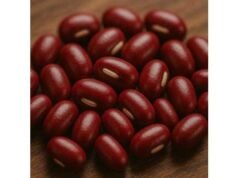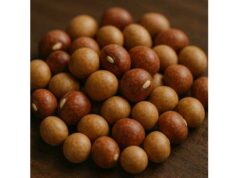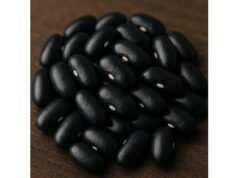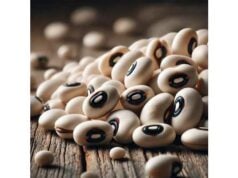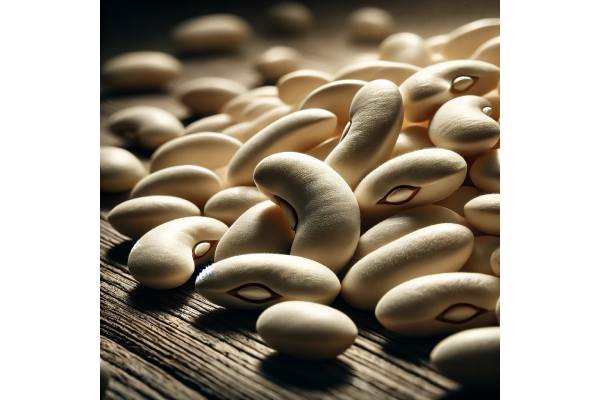
Great Northern beans are mild, creamy white beans prized for their ability to take on flavors and deliver steady, plant-based nutrition. They’re part of the common bean family (Phaseolus vulgaris) alongside navy and cannellini, but Great Northern beans hold their own: they cook up tender without falling apart, work in everything from Tuscan soups to Southwestern stews, and offer a budget-friendly source of protein and fiber. Per 100 grams cooked, they typically provide around 9–10 g of protein, 6+ g of fiber, and meaningful amounts of folate, iron, magnesium, and potassium. Their slow-digesting carbohydrates support even energy and help you feel full, while the low fat content keeps calories modest. From pantry-staple cans to bags of dried beans that store for months, they’re easy to keep on hand for quick weeknight meals or big-batch cooking. Below, you’ll find a clear look at nutrients, evidence-backed health effects, risks and cooking safety, and practical guidance to select, store, and prepare Great Northern beans for maximum flavor and benefit.
At a Glance
- 100 g cooked provides ~9–10 g protein, ~6.3 g fiber, and key minerals (iron, magnesium, potassium).
- Low glycemic, high-fiber beans that support steady blood sugar and fullness.
- Soak and fully boil dried beans (avoid slow-cooking from dry) to neutralize natural lectins.
- Typical portion: ½–1 cup cooked (90–180 g), enjoyed 3–5 times per week within a varied diet.
- Limit or avoid if you have unresolved FODMAP intolerance, severe CKD needing potassium restriction, or a confirmed legume allergy.
Table of Contents
- Great Northern beans: detailed overview
- Great Northern beans nutrition profile (per 100 g)
- Evidence-based health benefits
- Risks, allergies and interactions
- Selecting, quality, sustainability and storage
- Preparation, cooking and nutrient retention
- Portions, comparisons and FAQs
Great Northern beans: detailed overview
Great Northern beans are medium-sized white beans known for a delicate, nutty flavor and a creamy yet intact bite. They belong to Phaseolus vulgaris, the same species as navy, cannellini, and pinto beans, but their shape and texture make them especially versatile. In the kitchen, they readily absorb aromatics, herbs, and cooking liquids, which is why you’ll find them in minestrone, cassoulet-style bakes, chili, bean salads with lemon and olive oil, and blended into velvety purées for dips or dairy-free “creams.” Unlike very small navy beans that can break down, Great Northern beans tend to hold their form in soups and braises—ideal if you want visible, tender beans rather than a thickened base.
From a nutrition standpoint, Great Northern beans punch above their price: they offer plant protein with complementary amino acids when paired with grains; substantial fiber (including fermentable types that feed a healthy gut microbiome); and a notable suite of minerals (iron, magnesium, potassium, zinc) and B vitamins (especially folate). They’re naturally low in fat and sodium when cooked from dry. Compared with animal protein, they come with negligible saturated fat and no cholesterol, contributing to heart-smart patterns like Mediterranean and DASH-style eating.
They’re also pantry heroes. Dried beans are shelf-stable for a year or longer when kept cool and dry, and canned versions are pre-cooked for speed. With either form, you can scale recipes easily for meal prep: one pot on Sunday becomes burrito bowls, soup, and a quick salad protein through the week. Economically, beans deliver some of the most affordable protein per serving. Environmentally, pulses—including Great Northern beans—generally have a low greenhouse gas footprint compared with many animal-based proteins, and they improve soil health by fixing nitrogen, which can reduce the need for synthetic fertilizer in rotations.
Who benefits most? Anyone seeking steady energy, higher fiber intake, or budget-friendly protein. They’re helpful for people building plant-forward diets, for athletes looking to diversify protein sources, and for families who want nutritious meals that stretch. As with all legumes, thoughtful preparation matters: soaking and thorough boiling optimize digestibility and safety (more on that below). With a few practical tips, Great Northern beans become one of the most reliable, wholesome staples in your kitchen.
Great Northern beans nutrition profile (per 100 g)
Reference form: cooked, boiled, without added salt. Values below reflect typical cooked white/common bean data; actual amounts vary slightly by variety, origin, and processing. %DV uses current adult Daily Values.
Macros & Electrolytes
| Nutrient | Amount (per 100 g) | %DV |
|---|---|---|
| Energy | 139 kcal | — |
| Protein | 9.7 g | 19% |
| Total carbohydrate | 25.0 g | 9% |
| Dietary fiber | 6.3 g | 23% |
| Total sugars | 0.3 g | — |
| Total fat | 0.4 g | 1% |
| Saturated fat | 0.1 g | 1% |
| Sodium (no-salt cook) | 3 mg | 0% |
| Potassium | 561 mg | 12% |
Carbohydrates
| Component | Amount | Notes |
|---|---|---|
| Starch | ~18–20 g | Slowly digested; contributes to low GI. |
| Resistant starch | Small amount | Increases with cooling/chilling. |
| Soluble/fermentable fibers | Present | Includes galacto-oligosaccharides (GOS). |
Fats & Fatty Acids
| Component | Amount | %DV |
|---|---|---|
| Total polyunsaturated fat | ~0.2 g | — |
| Total monounsaturated fat | ~0.0–0.1 g | — |
| Omega-3 (ALA) | trace | — |
| Omega-6 (LA) | ~0.1 g | — |
Vitamins
| Vitamin | Amount | %DV |
|---|---|---|
| Folate (DFE) | 140 µg | 35% |
| Thiamin (B1) | 0.18 mg | 15% |
| Niacin (B3) | 0.4 mg | 3% |
| Vitamin B6 | 0.07 mg | 4% |
| Vitamin K | 4 µg | 3% |
| Choline | ~44 mg | 8% |
Minerals
| Mineral | Amount | %DV |
|---|---|---|
| Iron | 3.7 mg | 21% |
| Magnesium | 63 mg | 15% |
| Phosphorus | 113 mg | 9% |
| Zinc | 1.4 mg | 13% |
| Copper | 0.29 mg | 32% |
| Manganese | 0.64 mg | 28% |
| Calcium | 90 mg | 7% |
| Selenium | 2.8 µg | 5% |
Protein & Amino Acids (overview)
Great Northern beans provide ~9–10 g protein per 100 g cooked. Like most legumes, they’re relatively rich in lysine and lower in sulfur amino acids; pairing with grains (e.g., rice, farro, whole-wheat bread) improves overall amino acid completeness over the course of the day.
Glycemic & Acid–Base Metrics
- Glycemic index (GI): typically low for cooked beans, often around 25–40 depending on recipe and doneness.
- Glycemic load (GL): low per 100 g (~8–12), supporting steady post-meal glucose.
- PRAL (acid–base): near neutral to slightly acid-forming; overall diet pattern matters more than single foods.
Anti-nutrients & Bioactives
- Lectins: naturally present; fully inactivated by soaking and boiling.
- Phytates and tannins: modest levels; soaking/boiling reduce them and improve mineral bioavailability.
- Polyphenols: small amounts contribute to antioxidant capacity.
Allergens & Intolerance Markers
- Legume allergies exist but are less common than peanut/soy.
- GOS fibers can provoke gas in sensitive individuals; gradual intake and proper cooking help.
Footnote: Canned beans may include added salt or calcium chloride; always check labels. Drained-and-rinsed canned beans are nutritionally comparable to home-cooked beans, aside from sodium differences.
Evidence-based health benefits
Steady glycemic response
Great Northern beans offer slowly digested carbohydrates and meaningful fiber, factors consistently linked with improved post-meal glucose control. Clinical trial syntheses of pulses (the group that includes dried beans) indicate that eating pulses can blunt acute postprandial glucose excursions and, when incorporated regularly, improve long-term markers such as fasting glucose and HbA1c in adults with and without type 2 diabetes. Mechanistically, viscous and fermentable fibers slow starch digestion, while protein and resistant starch further reduce glycemic impact. In everyday terms, a bowl of bean-and-vegetable chili with whole grains tends to generate a smaller, slower rise in blood sugar than an equal-carbohydrate meal built from refined starch alone.
Cardiometabolic support
Legume-rich dietary patterns are associated with healthier lipid profiles and blood pressure. Across controlled feeding trials and cohort syntheses, replacing some refined carbohydrates or red/processed meat with pulses can translate into modest reductions in LDL cholesterol and systolic blood pressure. Even when risk reductions in large population studies are small or neutral overall—often due to generally low baseline legume intakes—pulses remain a key component of heart-healthy patterns (Mediterranean, DASH) because they supply protein with minimal saturated fat and add potassium, magnesium, and fiber that favor vascular function. For someone aiming to support heart health, trading a few weekly meat-based lunches for bean-based bowls is a practical, evidence-aligned step.
Gut health and satiety
Each 100 g cooked serving delivers ~6.3 g of fiber, including fermentable types (GOS and resistant starch) that feed beneficial microbes. Over time, this fermentation produces short-chain fatty acids (SCFAs) such as butyrate that help maintain the gut lining and support metabolic health. Fiber also adds bulk and slows gastric emptying, contributing to fullness—useful for weight management when Great Northern beans are part of balanced, calorie-appropriate meals.
Micronutrient density on a budget
Beans supply iron (about 21% DV per 100 g), folate (35% DV), magnesium (15% DV), zinc (13% DV), and potassium (12% DV) with very little saturated fat and at a low cost per gram of protein. From a “nutrients per dollar” lens, pulses are standouts, and their low greenhouse gas footprint strengthens the case to feature them more often.
Practical applications
- For steadier energy: Build lunches around ½–1 cup cooked beans plus whole grains and vegetables.
- For lipid goals: Swap beans in for some red/processed meats; keep portions controlled and sodium reasonable.
- For iron and folate: Pair beans with vitamin C–rich foods (citrus, peppers) to improve non-heme iron absorption.
- For weight management: Use beans to add satisfaction to salads, soups, and burrito bowls without heavy sauces.
Bottom line: Regularly including Great Northern beans can contribute to healthier glycemic responses, better diet quality, and budget-friendly nutrient density within varied, minimally processed eating patterns.
Risks, allergies and interactions
Undercooking and natural lectins
Like other common beans, Great Northern beans contain lectins that are neutralized by proper soaking and boiling. Eating raw or improperly cooked beans can cause acute gastrointestinal illness (nausea, vomiting, diarrhea). To stay safe: soak dried beans in plenty of water for at least 5 hours (overnight is common), discard the soaking water, and then boil in fresh water long enough to fully cook the beans through. Avoid using a slow cooker from dry; most slow cookers don’t reliably reach temperatures high enough to inactivate lectins early in cooking. Canned beans are fully cooked and safe to eat after rinsing and heating.
Gas, bloating, and FODMAPs
Beans’ galacto-oligosaccharides (GOS) can cause gas or discomfort in sensitive individuals (including some people with IBS). Strategies that help:
- Soak and rinse thoroughly; consider a longer soak (12–24 hours) with one or two water changes.
- Cook completely until creamy at the center.
- Start with small portions (¼–½ cup) and increase slowly.
- Try pressure cooking; it often improves digestibility.
- Use digestive aids (e.g., alpha-galactosidase enzyme) if needed after consulting a clinician.
Mineral interactions
Phytates can reduce absorption of certain minerals (iron, zinc). Soaking, sprouting, pressure cooking, and pairing beans with vitamin C–rich foods mitigate this. If you have iron deficiency, consider these preparation tweaks and talk with your clinician; supplements should be individualized.
Kidney disease, potassium, and sodium
For people with advanced chronic kidney disease who need potassium or phosphorus restriction, portion size and preparation matter. Rinsing canned beans and choosing low-sodium versions reduces sodium significantly. Some renal diet plans may limit or portion beans carefully; follow individualized guidance.
Allergy and cross-reactivity
Allergy to Great Northern beans is uncommon, but legume allergies do occur. Peanut or soy allergy does not automatically imply an allergy to other beans, though cross-reactivity is possible. Anyone with a known legume allergy should consult an allergist before adding new legumes.
Medication considerations
- Anticoagulants (warfarin): Beans contain modest vitamin K (about 4 µg/100 g), far below leafy greens. The key is consistency; avoid large swings in vitamin K intake.
- Sodium-sensitive hypertension: Home-cooked beans are very low in sodium; choose low-sodium canned beans and rinse well if you’re watching salt.
Food safety storage
Refrigerate cooked beans within 2 hours in shallow containers. Use within 3–4 days or freeze for 2–3 months. Reheat to steaming hot.
Net takeaway: cook thoroughly, scale portions to your tolerance and medical needs, and store safely; for most people, Great Northern beans are a safe, nutrient-dense food.
Selecting, quality, sustainability and storage
Choosing dried beans
Look for evenly sized, intact beans in well-sealed bags. Avoid packages with split or discolored beans, pinholes (insect damage), or visible moisture. Harvest year matters: newer-crop beans usually cook more evenly and faster; if labels indicate the crop year or “new crop,” that’s a plus.
Choosing canned beans
Prioritize:
- Low- or no-salt added: This keeps sodium manageable.
- Short ingredient list: Beans, water, and maybe salt or calcium chloride for firmness.
- Can integrity: No dents along seams, bulging, or rust.
- Packaging: Cans or cartons from reputable brands; many are now BPA-NI (bisphenol-A non-intent). If sensitive, check brand statements.
Sustainability notes
Pulses have a favorable sustainability profile: low greenhouse gas emissions per gram of protein, efficient water use, and benefits to soil health through nitrogen fixation. Crop rotations that include pulses can reduce synthetic nitrogen fertilizer needs and may improve biodiversity at the field level. Selecting beans as a routine protein source is an accessible way for households to reduce diet-related emissions without sacrificing nutrient density.
Cost and convenience
- Dried: Lowest cost per serving; requires time but scales well for batch cooking.
- Canned: Higher cost per serving but saves hours; great for quick meals and reliable texture.
Storage
- Dried beans: Store up to 12 months in a cool, dark, dry place, ideally in airtight containers to prevent moisture and pantry pests. Older beans can still be cooked, but they may require longer simmering and never soften completely if very old—consider using them for soups where blending is acceptable.
- Canned beans: Keep in a cool pantry; use by “best by” date for peak texture. After opening, transfer leftovers with liquid to a covered container; refrigerate up to 3–4 days or freeze portions for later.
Smart pantry strategy
Keep both dried and canned Great Northern beans. Use canned for weeknight speed—rinsed and tossed into salads, sautés, and quick soups. Use dried for weekend batch cooking to stock freezer portions you can drop into meals for instant protein and fiber.
Quality cues when cooked
Properly cooked Great Northern beans are tender to the center with a thin, delicate skin that doesn’t peel excessively. If skins burst widely, heat may have been too vigorous; if centers remain chalky after long cooking, beans may be old or cooking water may be very hard (try a pinch of baking soda next time).
Preparation, cooking and nutrient retention
1) Sort and rinse
Spread beans on a tray to remove debris or stones. Rinse under cool water until it runs clear.
2) Soak for digestibility and even cooking
While soaking isn’t strictly required for all beans, it improves digestibility and reduces cook time. Aim for at least 5 hours; overnight (8–12 hours) is common. Discard soaking water, rinse beans, and add fresh water to the pot. A brine soak (about 1 tablespoon kosher salt per liter of soaking water) can help beans soften more evenly; rinse before cooking to manage sodium.
3) Boil for safety, then simmer until tender
Bring to a strong boil in fresh water, then continue cooking until beans are creamy at the core. Avoid slow cookers from dry because they may not hit temperatures needed early in cooking to neutralize natural lectins. If you want to use a slow cooker, pre-boil beans vigorously on the stovetop before transferring to the slow cooker. Pressure cookers are excellent for quicker, consistent results and also help with lectin inactivation and softening.
4) Seasoning and acids
Salt the cooking water modestly from the start or midway; modern tests show reasonable salting doesn’t toughen skins and improves flavor. Aromatics (onion, garlic, bay, rosemary) infuse beautifully. Add acidic ingredients (tomato, vinegar, wine) once beans are nearly tender; acid too early can slow softening.
5) Minerals and water hardness
Very hard water can hinder softening. If beans remain firm after lengthy cooking, try filtered water, a pinch of baking soda (¼ teaspoon per liter), or a no-acid environment until beans are soft.
6) Nutrient retention tips
- Use the cooking liquid: it contains soluble nutrients and flavor; it enriches soups and stews.
- Avoid overcooking and excessive stirring to preserve texture.
- If you’re managing sodium, cook from dry without added salt or rinse canned beans under running water before use.
- Cooling cooked beans increases resistant starch slightly; reheating later preserves much of that benefit while retaining overall nutrients.
7) Texture targets by method
- Stovetop simmer: 45–90 minutes after soaking, depending on bean age.
- Pressure cooker: 15–30 minutes at pressure (pre-soaked), often 30–40 minutes from dry, then natural release.
- Canned (rinsed): Ready to heat 5–10 minutes; ideal for quick sautés and salads.
8) Flavor builders
Finish with olive oil, lemon zest, fresh herbs, chili flakes, or a spoonful of pesto. For creamy purées, blend cooked beans with garlic, lemon, and broth; for a hearty bowl, combine with farro, roasted vegetables, and a tangy vinaigrette.
Portions, comparisons and FAQs
Typical portion and frequency
A practical serving is ½–1 cup cooked (about 90–180 g). Many adults do well enjoying beans 3–5 times per week as part of varied meals. If you’re new to beans or have a sensitive gut, start with ¼–½ cup and build up gradually.
How do Great Northern beans compare with other white beans?
- Navy beans: smaller and creamier; they break down more readily and are often used to thicken soups. Nutrition is similar per 100 g, with small differences in fiber and minerals.
- Cannellini (white kidney): larger with a silkier bite; slightly higher in some minerals. Great Northern beans are a touch firmer and hold shape better in brothy soups.
- Chickpeas: higher in total carbohydrate and often in calories per 100 g; texture is firmer and nuttier.
Functionally, all deliver fiber, plant protein, and low glycemic impact; choose based on texture and recipe.
Are canned beans as healthy as home-cooked?
Yes, broadly. Canned beans are cooked and convenient. Rinsing reduces sodium substantially. If you want the lowest sodium and most control over texture and flavor, cook from dry.
Will beans spike blood sugar?
Great Northern beans are low glycemic. Pairing them with whole grains and vegetables creates balanced meals that typically produce steady post-meal glucose compared with refined starch meals of equal carbohydrate.
What if beans cause gas?
Soak and rinse thoroughly, cook until fully tender, and start with small portions. Consider pressure cooking, trying digestive enzymes when appropriate, and seasoning with carminative herbs (bay, fennel, cumin). Consistent small intakes often improve tolerance over 1–2 weeks.
Are beans gluten-free?
Naturally, yes. If you’re highly sensitive to gluten, check packaged products for cross-contact statements.
Best ways to store and reheat?
Refrigerate cooked beans with some cooking liquid in a covered container and use within 3–4 days, or freeze for 2–3 months. Reheat gently to avoid splitting; add a splash of water or broth to loosen.
Simple serving ideas
- Lemon-herb bean salad with arugula and shaved Parmesan.
- Tuscan soup with kale, tomato, and Great Northern beans.
- Bean purée on toast with roasted mushrooms and thyme.
- Sheet-pan sausages (or plant sausages) with peppers, onions, and beans tossed at the end.
Who should be cautious?
People with severe CKD requiring low potassium, those with confirmed legume allergy, and individuals with active FODMAP intolerance should tailor portions and preparations with a clinician or dietitian.
References
- Pulse consumption improves indices of glycemic control in adults with and without type 2 diabetes: a systematic review and meta-analysis of acute and long-term randomized controlled trials 2021 (Systematic Review)
- Legume consumption in adults and risk of cardiovascular disease and type 2 diabetes: a systematic review and meta-analysis 2023 (Systematic Review)
- Natural Toxins in Food 2024 (Guidance)
- Pulse crops: nutrient density, affordability, and environmental impact 2024 (Review)
- USDA National Nutrient Database-Total Dietary Fiber 2019 (Reference Table)
Disclaimer
This article is for general education and is not a substitute for personalized medical advice, diagnosis, or treatment. Nutrition and portion guidance should be tailored to your health status, medications, and goals. If you have a medical condition (e.g., diabetes, chronic kidney disease, food allergies) or take prescription drugs, consult a qualified healthcare professional or registered dietitian before making significant dietary changes.
If you found this guide helpful, please consider sharing it with friends or on Facebook or X. Your support helps us continue creating clear, trustworthy nutrition resources.