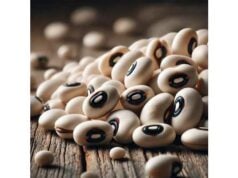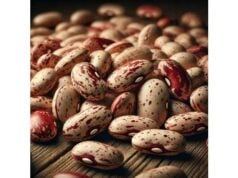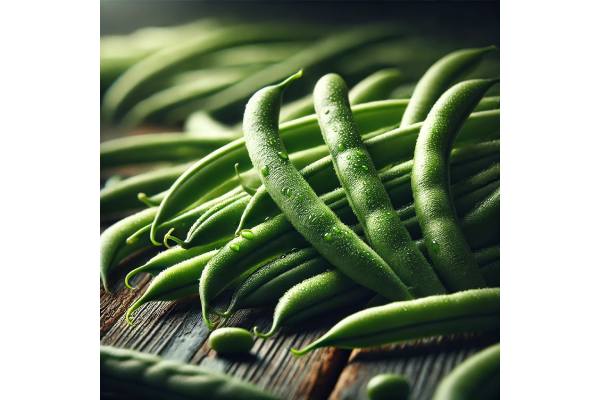
Crisp, tender, and quick to cook, green beans (also called snap beans or string beans) deliver bright flavor with everyday nutrition. Unlike mature dry beans, these are the young pods of common bean plants, harvested before seeds fully develop. That makes them naturally low in calories and carbohydrates but still a source of fiber, vitamin C, vitamin K, folate, and potassium. Their mild taste and slender shape fit weeknight habits—steam and toss with olive oil and lemon, blister in a skillet with garlic, or fold into grain bowls, stir-fries, and pasta. Fresh or frozen, green beans cook in minutes and hold texture when handled gently. They also travel well from garden to table, and they’re widely available year-round. This guide takes you beyond quick tips to help you use green beans with more confidence: a detailed look at nutrients per 100 grams, evidence-based benefits, smart shopping and storage, safety and allergy notes, and kitchen-tested methods that keep their color, snap, and nutrients intact.
Quick Overview
- 100 g cooked provides ~35 kcal, ~3.2 g fiber, vitamin C (~12 mg) and vitamin K (~14 µg).
- Non-starchy vegetable with very low glycemic impact and useful fullness per calorie.
- Enjoy ¾–1 cup cooked (90–125 g) per serving, about 3–5 times weekly within varied meals.
- Wash well and cook lightly; those with legume allergy, warfarin therapy (keep vitamin K intake consistent), or IBS may need individualized guidance.
Table of Contents
- Green beans: detailed overview
- Green beans nutrition profile (per 100 g)
- Evidence-based health benefits
- Risks, allergies and interactions
- Selecting, quality, sustainability and storage
- Preparation, cooking and nutrient retention
- Portions, comparisons and FAQs
Green beans: detailed overview
Green beans are immature pods from the common bean plant (Phaseolus vulgaris). Because they’re harvested before the seeds dry out, their composition differs from dry pulses: lower in starch and calories, modest in fiber, and rich in water and heat-sensitive vitamins like vitamin C and folate. You’ll see them sold as standard snap beans (often Blue Lake types), slender French-style beans (haricots verts), broad flat romano beans, or purple-skinned varieties that turn green as they cook. All belong to the same culinary family and can be used interchangeably with minor adjustments for thickness.
Culinarily, green beans are quick and forgiving when you control heat and moisture. Gentle steaming, microwaving, or sautéing keeps them crisp-tender and bright, while high heat roasting or skillet “blistering” brings charred notes and concentrated sweetness. Their mild flavor pairs well with lemon, garlic, shallot, toasted nuts, sesame oil, soy sauce, tahini, pesto, or brown butter. Because they’re lean and delicate, a finishing fat (olive oil, butter, or nut oil) and a splash of acid amplify flavor without heavy sauces.
Nutritionally, green beans offer a favorable “nutrient density per calorie” profile for everyday eating. Per 100 grams cooked, you typically get about 35 kcal, ~1.9 g protein, ~3.2 g fiber, and small but meaningful amounts of iron, magnesium, potassium, and zinc, plus vitamins C and K. Their non-starchy carbohydrate and fiber matrix contribute to a very low glycemic impact, especially when eaten alongside proteins and whole grains. Compared with peas or corn, green beans are lighter in energy and starch; compared with leafy greens, they’re sturdier and more versatile in mixed dishes.
From a practical standpoint, green beans are available fresh, frozen, and canned. Fresh beans cook in 4–7 minutes depending on thickness; frozen options are pre-blanched, making them weeknight-ready. Canned beans are the softest and most convenient for casseroles or purées. All three can be part of a healthy diet; technique matters most for taste and texture.
Sustainability is another plus. Like other legumes, beans can improve soil health through nitrogen-fixing symbiosis. While green beans are not dried pulses, diversified farms may include them in rotations that help reduce synthetic nitrogen inputs. For households, these are a low-waste vegetable: trim ends, cook the pods whole, and repurpose leftovers into salads or quick sautés.
Green beans nutrition profile (per 100 g)
Reference form: cooked, boiled, drained, without added salt. Actual values vary by cultivar and preparation. %DV uses current adult Daily Values.
Macros & Electrolytes
| Nutrient | Amount (per 100 g) | %DV |
|---|---|---|
| Energy | 35 kcal | — |
| Protein | 1.9 g | 4% |
| Total carbohydrate | 7.9 g | 3% |
| Dietary fiber | 3.2 g | 11% |
| Total sugars | 3.6 g | — |
| Total fat | 0.3 g | 0% |
| Saturated fat | 0.05 g | 0% |
| Sodium | 1 mg | 0% |
| Potassium | 150 mg | 3% |
Carbohydrates
| Component | Amount | Notes |
|---|---|---|
| Starch | ~2–3 g | Low; contributes to gentle glycemic effect. |
| Soluble/fermentable fiber | Present | Supports fullness and gut microbiota. |
| Resistant starch | Trace | Rises slightly after chilling and reheating. |
Vitamins
| Vitamin | Amount | %DV |
|---|---|---|
| Vitamin C | 12 mg | 13% |
| Vitamin K (phylloquinone) | 14 µg | 12% |
| Folate (DFE) | ~33 µg | 8% |
| Vitamin A (RAE) | 35 µg | 4% |
| Vitamin B6 | ~0.1 mg | 6% |
| Thiamin (B1) | ~0.08 mg | 7% |
Minerals
| Mineral | Amount | %DV |
|---|---|---|
| Calcium | 44 mg | 3% |
| Iron | 0.65 mg | 4% |
| Magnesium | 18 mg | 4% |
| Phosphorus | 29 mg | 2% |
| Zinc | 0.25 mg | 2% |
| Copper | 0.06 mg | 6% |
| Manganese | 0.29 mg | 13% |
| Selenium | 0.2 µg | 0% |
Bioactives/Phytonutrients
- Carotenoids (lutein, beta-carotene) and chlorophyll support color and antioxidant capacity.
- Polyphenols in the skins contribute to mild antioxidant activity (generally lower than in beans with darker pods).
Allergens & Intolerance Markers
- Green beans are legumes; allergy is uncommon but possible.
- Fermentable carbohydrates are modest; most people tolerate standard portions well.
Anti-nutrients
- Lectins occur at low levels compared with mature dry beans and are reduced by blanching, steaming, and boiling.
Glycemic & Acid–Base Metrics
- Very low glycemic load per 100 g; non-starchy vegetable suitable for balanced meals.
- Slightly alkaline-forming overall in mixed diets.
Footnote: Frozen beans are typically blanched; canned beans may include salt or firming agents. Rinsing canned beans lowers sodium substantially.
Evidence-based health benefits
Supports cardiometabolic health within plant-forward patterns
Green beans contribute fiber, potassium, magnesium, and carotenoids while adding very little sodium or saturated fat when prepared simply. Higher fiber intake is consistently linked with improved markers such as LDL cholesterol and blood pressure, and with reduced risk of major cardiometabolic outcomes in large cohorts and trial syntheses. While a single vegetable can’t drive outcomes alone, replacing refined side dishes with non-starchy vegetables like green beans is a practical way to meet daily fiber targets and improve overall carbohydrate quality.
Helps steady post-meal glucose
Because green beans are low in starch and rich in water and fiber, they have a gentle effect on blood sugar compared with refined starch sides. When you build meals around non-starchy vegetables plus protein and whole-grain carbohydrates, the fiber and structure slow gastric emptying and carbohydrate absorption. For example, grilled fish or tofu with a generous portion of green beans and a small serving of brown rice typically produces a smaller and slower glucose rise than the same calories of white rice or pasta with minimal vegetables.
Volume and satiety per calorie
At roughly 35 kcal per 100 g cooked, green beans add plate volume and texture for minimal calories. Fiber and chew contribute to fullness, and the beans take well to flavor-dense but modest amounts of fats (olive oil, toasted nuts), which can further improve satiety without large energy loads when portions are measured. For weight-conscious eaters, swapping a cup of green beans for a cup of higher-calorie sides helps manage energy intake with little sacrifice in satisfaction.
Micronutrient contributions
A routine serving supplies vitamin C for collagen formation and iron absorption; vitamin K for normal blood clotting and bone health; manganese for enzymatic antioxidant activity; and small amounts of folate and magnesium. None of these are extreme “megadoses,” but steady inclusion supports dietary adequacy across the week.
Practical applications
- Build “half-the-plate” vegetables: pair green beans with tomatoes, peppers, or leafy greens.
- For heart-smart meals, season with olive oil, herbs, lemon, and nuts instead of heavy sauces.
- To support iron status from plant foods, include a vitamin C source (citrus, peppers) with bean-based meals.
- For blood sugar goals, replace a portion of refined starch with a double serving of green beans.
Bottom line: green beans are an easy, low-effort way to raise diet quality—more fiber and micronutrients, fewer empty calories—when they consistently replace refined sides.
Risks, allergies and interactions
Food safety and handling
Treat green beans like any raw produce. Rinse under running water and rub gently to remove soil; trim ends with a clean knife and board. Avoid soaps or detergents on produce. Refrigerate cooked beans within 2 hours, and eat within 3–4 days; freeze for longer storage.
Lectins and cooking
Lectins are natural proteins found in many plants, especially legumes. In mature dry beans (e.g., kidney beans), undercooking can cause acute gastrointestinal illness. Green beans contain much lower lectin activity than raw kidney beans, and their typical quick-cook methods (blanching, steaming, sautéing) reduce lectins to negligible levels. If you’re sensitive or serve them to young children, cook to crisp-tender rather than eating large portions raw.
Digestive tolerance
Compared with dry beans, green beans have fewer gas-forming oligosaccharides. Most people tolerate ¾–1 cup cooked without issues. If you have IBS or sensitive digestion, start with ½ cup cooked, chew well, and pair them with low-FODMAP sides. Pressure-steamed or well-blanched beans tend to be gentler than very crunchy raw pods.
Allergies and cross-reactivity
Legume allergy to green beans is uncommon but can occur. People with known legume allergies (e.g., peanut, soy) do not automatically react to other legumes, though cross-sensitization is possible. Seek individualized advice before introducing new legumes if you have a history of severe reactions.
Medication considerations
- Warfarin: Green beans contain modest vitamin K. The key is consistency—avoid large swings in weekly intake.
- Potassium management: A typical serving provides far less potassium than many vegetables, but people with advanced chronic kidney disease should follow personalized limits and preparation methods (e.g., boiling in excess water and draining to lower potassium).
- Sodium-sensitive hypertension: Choose fresh or frozen beans without added salt; if using canned, drain and rinse.
Contaminants and residues
Agricultural residues are monitored across the supply chain. Household steps still matter: rinse under running water, remove visible soil, and discard damaged pods. Peeling isn’t applicable; thorough washing and proper storage address most consumer-level risks.
In summary, handle with standard produce hygiene, cook lightly for digestibility and flavor, and tailor portions if you manage vitamin K or potassium intake.
Selecting, quality, sustainability and storage
How to choose quality beans
- Color and surface: Look for vivid green pods with a satiny surface and no dark spots, rust, or limpness.
- Snap test: A fresh bean should break cleanly with moisture at the break. Floppy pods are older.
- Size matters: Thinner, younger pods (including haricots verts) cook faster and stay tender; thicker romano or mature pods benefit from slightly longer cooking.
- Seasonality: Peak flavor often arrives in late spring through early fall locally, but refrigerated transport keeps quality steady most of the year.
Fresh vs frozen vs canned
- Fresh: Best texture and flavor when recently harvested; cook within 3–5 days.
- Frozen: Harvested at peak ripeness and blanched before freezing—excellent for convenience and consistent results; keep on hand for last-minute sides.
- Canned: Ultra-convenient and fully cooked; texture is soft. Choose low-sodium or no-salt-added varieties; drain and rinse to reduce sodium.
Storage tips
- Fresh: Keep unwashed in a breathable bag or container in the crisper drawer; high humidity helps but avoid trapped liquid. Use within 3–5 days for optimal snap.
- Prepped: Blanch and shock, drain well, and refrigerate for 3–4 days, or freeze in a single layer before packing into bags.
- Cooked leftovers: Store with minimal added liquid in a covered container; refrigerate up to 3–4 days; freeze for 2–3 months.
Sustainability notes
Legume production can enrich soils by supporting nitrogen-fixing bacteria. While green beans are not dry pulses, diversified farms often rotate them with other crops, improving soil structure and potentially reducing synthetic fertilizer use. For home cooks, minimizing waste—cooking the whole pod, freezing extras, and repurposing leftovers—amplifies their already small footprint.
Smart pantry moves
- Keep a bag of frozen beans for quick dinners.
- Batch-blanch fresh beans on shopping day for easy weeknight sautés.
- If canned beans are your standby, stock low-sodium options and season them yourself.
Preparation, cooking and nutrient retention
1) Wash, trim, and sort
Rinse under cool running water. Pat dry. Line up a handful and trim stem ends; leave tips on for presentation unless they’re fibrous.
2) Choose a method based on texture
- Blanch and shock: Boil in well-salted water 2–4 minutes until crisp-tender and bright green; plunge into ice water to stop cooking. This sets color and texture for salads and sautés.
- Steam: 4–6 minutes for thin beans, 6–8 minutes for thicker; preserves water-soluble nutrients better than prolonged boiling.
- Microwave: In a covered, microwave-safe bowl with a splash of water, 3–5 minutes, stirring halfway; great for small batches.
- Sauté or stir-fry: After blanching (optional for thicker beans), cook 3–5 minutes over medium-high heat with oil and aromatics.
- Roast or skillet-char: Toss with oil and roast at high heat (220°C/425°F) 12–15 minutes, or sear in a hot skillet for dark blisters and concentrated flavor.
3) Season for balance
Salt early but lightly; finish with acid (lemon, vinegar) and aromatic fats (olive oil, butter, nut oils). Add crunch with toasted almonds or sesame. Fresh herbs—dill, tarragon, basil—echo green flavors.
4) Protect color and nutrients
- Avoid long, uncovered boiling that dulls color and leaches vitamin C.
- Skip baking soda; while it keeps beans very green, it degrades texture and vitamins.
- Use minimal water and moderate heat; steaming or quick blanching conserves heat-sensitive vitamins.
5) Meal-prep strategies
Blanch a large batch, chill, and store dry. Reheat portions in 1–2 minutes by sautéing with garlic and olive oil or microwaving with a drizzle of broth. Toss into grain bowls, omelets, or pasta during reheating to tie meals together.
6) Flavor templates
- Mediterranean: Olive oil, lemon zest, garlic, parsley, toasted almonds.
- East Asian: Sesame oil, soy sauce or tamari, ginger, garlic, sesame seeds.
- Spicy-savory: Chili flakes, smoked paprika, a splash of sherry vinegar.
- Creamy herb: Yogurt, dill, chives, lemon; serve chilled as a side salad.
7) Special techniques
- Glazing: Reduce a small amount of stock with a knob of butter and a pinch of sugar until syrupy; toss beans to coat.
- Bean-and-tomato skillet: Sauté shallot and garlic, add halved cherry tomatoes and blanched beans, simmer briefly, finish with basil and olive oil.
- Make-ahead: Blanched beans keep their snap for packed lunches and potlucks better than many vegetables.
Portions, comparisons and FAQs
Typical portion and frequency
A practical serving is ¾–1 cup cooked (about 90–125 g). Enjoying green beans 3–5 times per week fits well within varied diets and helps close the fiber gap when combined with other vegetables, fruits, whole grains, and legumes.
How do green beans compare with other vegetables?
- Vs peas: Peas are higher in starch and protein; green beans are lighter and crisper with fewer calories per 100 g.
- Vs asparagus or broccoli: Similar “non-starchy” role; broccoli has more vitamin C per 100 g, asparagus more folate; green beans offer vitamin K with great versatility.
- Vs canned versions: Canned beans are softer and often salty; rinse and add bright flavors (lemon, herbs) to lift them.
Will green beans affect blood sugar?
Typical portions have a very low glycemic load. Pairing them with protein and whole grains further supports steady glucose responses.
Are green beans low FODMAP?
Many people with IBS tolerate modest portions of cooked green beans. Individual tolerance varies; start with ½ cup and adjust gradually based on comfort and advice from a clinician or dietitian.
What about vitamin K and medications?
Green beans provide modest vitamin K. If you take warfarin, keep your weekly intake steady rather than avoiding them altogether.
Do I need to worry about lectins?
Not if you cook them normally. Quick blanching, steaming, or sautéing reduces lectins to negligible levels. Avoid eating unusually large amounts of raw pods.
How long do they keep?
Fresh beans hold 3–5 days refrigerated before quality declines. Blanched and chilled beans keep 3–4 days; frozen beans keep several months.
Easy serving ideas
- Lemon-garlic green beans with toasted almonds.
- Skillet-charred beans with chili, lime, and sesame.
- Green bean, tomato, and farro salad with basil vinaigrette.
- Creamy yogurt-dill green bean salad for meal prep.
References
- Green Beans | SNAP-Ed Connection 2024 (Reference)
- Selecting and Serving Produce Safely 2024 (Guidance)
- Natural Toxins in Food 2024 (Guidance)
- Carbohydrate quality and human health: a series of systematic reviews and meta-analyses 2019 (Systematic Review)
- Relation of Different Fruit and Vegetable Sources With Incident Cardiovascular Outcomes: a Systematic Review and Meta-Analysis of Prospective Observational Studies 2020 (Systematic Review)
Disclaimer
This guide is educational and does not replace personalized medical advice, diagnosis, or treatment. Nutrition needs vary by health status, medications, and goals. If you have a medical condition (such as diabetes, chronic kidney disease, or food allergies) or take prescription drugs that interact with vitamin K or potassium, seek advice from a qualified healthcare professional or registered dietitian before changing your diet. If you found this useful, please consider sharing it with friends or on Facebook or X to support our ongoing work in producing clear, reliable nutrition resources.