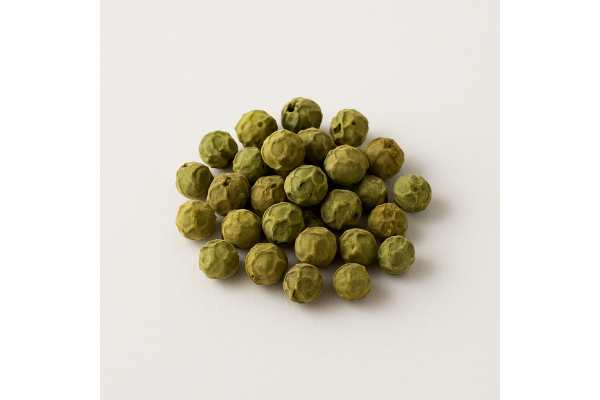
Green peppercorns look humble, but they play a surprisingly interesting role in both cooking and health. These soft, mildly spicy berries are the unripe fruit of the same plant that gives us black and white pepper. Picked early and quickly preserved, they keep a fresh, herbal aroma that works beautifully in creamy sauces, seafood, and many Southeast Asian dishes.
Although a serving is small, green peppercorns still contribute antioxidants, a small amount of minerals, and the bioactive compound piperine, which has been studied for its effects on digestion, metabolism, and nutrient absorption. Most of the research focuses on black pepper or isolated piperine, yet it provides useful clues for green peppercorns as well. At the same time, brined products can be surprisingly high in sodium, and concentrated extracts may interact with medicines.
This guide walks you through what green peppercorns are, their nutrition and active compounds, potential benefits, risks, and practical ways to use them safely and enjoyably at home.
Fast Facts on Green Peppercorns
- Provide flavor, antioxidants, and piperine that may support digestion and nutrient absorption when used regularly in cooking.
- Typical culinary portion is around 1 teaspoon (2–3 g) of drained green peppercorns per person, used up to once daily as part of varied meals.
- Brined green peppercorns can be high in sodium, so people with high blood pressure or kidney disease should use modest amounts and consider rinsing before cooking.
- Individuals with acid reflux, spice triggered digestive discomfort, or known pepper or spice allergy should limit or avoid green peppercorns.
- Supplements or extracts containing concentrated piperine should only be used under medical guidance, especially with prescription medications.
Table of Contents
- Green peppercorn basics and origins
- Green peppercorn nutrition and active compounds
- Green peppercorn health benefits review
- Risks, allergies and drug interactions
- Choosing and storing green peppercorns
- Cooking with green peppercorns effectively
- Serving sizes, comparisons and FAQs
Green peppercorn basics and origins
Green peppercorns are simply the unripe berries of the pepper vine, Piper nigrum, the same tropical plant that yields black and white pepper. The fruit is picked while still green and soft, before the outer skin darkens and wrinkles. How those green berries are processed determines the final product:
- Fresh green peppercorns: sold on the stem or loose in some producing regions; highly perishable.
- Brined or pickled green peppercorns: preserved in salt, vinegar, or both, which keeps them soft and bright.
- Dried or freeze dried green peppercorns: dehydrated while still green, giving a crunchy texture when dry and a softer bite when rehydrated.
In contrast, black peppercorns are the same fruit harvested slightly later and sun dried until the skin turns black and wrinkled, while white peppercorns are fully ripe berries with the outer skin removed. Green peppercorns therefore sit at the “freshest” end of the pepper maturity spectrum and tend to have a milder, greener aroma.
The flavor of green peppercorns is often described as:
- Gently spicy rather than sharply hot.
- Herbaceous, almost reminiscent of fresh herbs or green tea.
- Slightly fruity or citrusy in some varieties.
Because of this balance, chefs use them in dishes where the goal is to add pepper character without overwhelming heat: classic French green peppercorn sauces for steak or chicken, creamy pan sauces with brandy or stock, and Thai curries and stir fries where clusters of fresh green peppercorns bring both visual and aromatic impact.
From a global perspective, most peppercorns (including green forms) are cultivated in humid tropical regions. Vietnam currently leads world production of pepper, with Brazil, Indonesia, and India also major producers. Smallholder farmers often grow pepper alongside crops like coffee, and there is growing interest in organic and fair trade certified pepper due to sustainability and labor concerns.
In everyday cooking, you will usually encounter green peppercorns in one of two forms:
- Jars or cans of green peppercorns in brine (very common in supermarkets).
- Dried green peppercorns in spice jars, which can be cracked in a grinder or soaked briefly to soften.
For most home cooks, a single jar of brined green peppercorns can last through many meals, since only a teaspoon or two is needed to flavor a sauce for several portions.
Green peppercorn nutrition and active compounds
A standard culinary serving of green peppercorns is small, so they are not a major source of calories or macronutrients. However, they do contribute a modest amount of fiber and minerals and, more importantly, biologically active plant compounds.
Because they are botanically identical to black pepper but harvested earlier and often stored in brine, their exact nutritional profile varies by product. Data from dehydrated green peppercorns suggest roughly 75 kcal, 2 g protein, 2 g fat, about 7 g carbohydrate, and almost 10 g fiber per 100 g, with notable amounts of salt in some seasoned products. In practice, a typical teaspoon serving (2–3 g) is closer to 5 calories, with well under 1 g carbohydrate and fractional amounts of protein and fat.
Where peppercorns stand out is in their micronutrients and phytochemicals:
- Minerals: Pepper provides manganese, and smaller amounts of calcium, iron, magnesium, potassium, and trace selenium. Green peppercorns contain very similar minerals, but brined versions are diluted by water and salt, while dried green peppercorns are more concentrated.
- Sodium: Brined green peppercorns can be relatively high in sodium. Some commercial jars list several grams of salt per 100 g, meaning a heaped teaspoon of drained peppercorns may still contribute over 100 mg of sodium before any added cooking salt.
- Piperine and related alkaloids: Piperine is the main pungent compound in the fruits of Piper nigrum, often making up a few percent of the dry weight. It is responsible for much of pepper’s physiological activity.
- Phenolic compounds and flavonoids: Pepper pericarp and extracts contain total phenols and flavonoids, which contribute to antioxidant capacity.
- Essential oils: Volatile components, including sabinene, pinene, limonene, and beta caryophyllene, give green and black pepper their aroma and may have additional biological effects.
Fresh or brined green peppercorns will generally have:
- More water and therefore fewer nutrients per gram than dried black pepper.
- Slightly milder piperine content, particularly if processed at lower temperatures, but still enough to provide noticeable pungency.
- A different volatile oil balance, which explains the greener, fresher fragrance compared with fully dried black pepper.
In practical terms, a teaspoon of green peppercorns mainly adds flavor, a small amount of fiber, and trace minerals. The potential health impact comes primarily from repeated small exposures to piperine and antioxidant compounds across many meals, rather than from one large dose.
Green peppercorn health benefits review
There are relatively few studies on green peppercorns specifically, but there is a substantial body of research on black pepper and on piperine, the main active compound. Because green, black, and white peppercorns all come from the same plant, it is reasonable to assume that culinary amounts of green peppercorns share many of these properties, though the strength of effect may differ.
Digestive comfort and motility
Pepper has a long traditional use as a digestive aid. Experimental work suggests it may stimulate digestive secretions and enzymes and modulate gut motility. Animal research using extracts of black, green, and red pepper has shown that all three varieties can increase intestinal transit (the movement of food through the intestines) without significantly changing markers of gastric acid secretion.
For humans, a typical culinary portion of green peppercorns is small, so any laxative or motility effect is likely to be subtle. However, people who notice sluggish digestion may find that moderate use of pepper in meals makes heavy, rich dishes feel easier to tolerate, while those with very sensitive intestines may experience the opposite.
Antioxidant and anti inflammatory potential
Extracts of Piper nigrum fruit contain a mix of phenols, flavonoids, and piperine that show antioxidant and anti inflammatory activity in cell and animal models. These compounds help neutralize reactive oxygen species and modulate pathways related to inflammation, which may indirectly support cardiovascular, liver, and brain health over time.
Recent laboratory work has suggested that black pepper extracts can protect nerve cells from oxidative damage, reduce glycation (a process linked with aging and diabetes), and inhibit enzymes associated with neurodegenerative diseases, pointing to possible neuroprotective actions. While these findings are promising, they do not mean eating green peppercorn sauce will prevent dementia; they highlight mechanisms that may contribute to long term health as part of a balanced diet.
Metabolic and liver related outcomes
More direct human data come from trials of piperine supplements. In one randomized, double blind, placebo controlled study of adults with nonalcoholic fatty liver disease and early cirrhosis, 5 mg of piperine daily for several weeks improved liver enzyme levels and lowered cholesterol, triglycerides, and fasting blood sugar compared with placebo, without significant reported side effects. Other work in animals and small human studies suggests piperine may influence insulin sensitivity, lipid metabolism, and body weight regulation, although the evidence is still evolving.
For green peppercorns, the key point is scale: dishes flavored with a teaspoon or two of peppercorns provide milligram or sub milligram amounts of piperine, whereas trials typically use several milligrams per day in capsule form. Culinary use therefore should not be seen as a stand alone treatment for metabolic or liver conditions, but it can still be part of a flavor rich, lower sugar, higher fiber eating pattern that supports overall metabolic health.
Nutrient absorption and synergy with other foods
Piperine is well known for increasing the bioavailability of certain nutrients and phytochemicals, most famously curcumin from turmeric. Evidence from both laboratory and human data shows that piperine can enhance the absorption of several compounds, sometimes by several fold, by slowing their breakdown and altering transporters in the intestine and liver.
In practical terms, pairing green peppercorns or other pepper forms with turmeric, some herbal extracts, or fat soluble phytochemicals may modestly increase how much the body absorbs, though most clinical research uses standardized piperine supplements rather than culinary doses.
Overall, the evidence suggests that regularly using peppercorns, including green varieties, can:
- Contribute antioxidants and bioactive compounds.
- Support digestive function and motility in many people.
- Play a small complementary role in metabolic and liver health when part of a broader lifestyle pattern.
However, claims that green peppercorns alone “detoxify the liver,” “burn fat,” or “reverse disease” are not supported by current research and should be viewed with skepticism.
Risks, allergies and drug interactions
For most healthy adults, culinary amounts of green peppercorns are considered low risk. Still, there are several safety points to keep in mind, especially if you have digestive issues, use certain medications, or have food allergies.
Digestive irritation and reflux
The same pungent compounds that support digestion in some people can trigger discomfort in others. Pepper may increase gastric acid secretion and stimulate the lining of the digestive tract, which can aggravate:
- Gastroesophageal reflux disease (GERD).
- Peptic ulcers or active gastritis.
- Very sensitive irritable bowel symptoms.
Some individuals with reflux notice that heavily peppered foods worsen burning or regurgitation, while others tolerate small amounts well. If you live with GERD or frequent heartburn, use green peppercorns in modest quantities at first and avoid combining them with other known triggers such as high fat meals, alcohol, or late night eating.
Sodium load from brined products
Brined green peppercorns can add a surprising amount of salt to a dish. As noted earlier, some commercial products contain several grams of salt per 100 g. While you will use far less than this per meal, those with high blood pressure, heart failure, or chronic kidney disease need to consider every source of sodium.
Simple strategies to reduce sodium exposure include:
- Draining and briefly rinsing peppercorns before cooking.
- Reducing or omitting additional salt in recipes that already include brined peppercorns.
- Favoring dried or freeze dried green peppercorns in recipes where rinsing would dilute flavor too much.
Allergies and cross reactivity
Allergy to culinary peppercorns is rare, but documented cases exist for related spices and pepper fruits. Reports describe serious allergic reactions to green and red bell peppers in some individuals with latex fruit syndrome, as well as cross sensitization between pink peppercorns and tree nuts such as cashew and pistachio.
Although green peppercorns from Piper nigrum are botanically distinct from bell peppers and pink peppercorns, these findings underline that:
- Spice allergies, while uncommon, can be serious.
- People with a history of severe reactions to spices, pepper blends, or certain nuts should be cautious with mixed seasoning blends that may contain undisclosed pepper varieties.
- Anyone who develops itching in the mouth, swelling, wheezing, or hives after eating peppercorn containing foods should seek immediate medical care and allergy evaluation.
Medication interactions and high dose piperine
Piperine can alter the activity of several drug metabolizing enzymes and transporters in the liver and gut. Human and experimental data show that piperine can increase blood levels of some medications and nutrients by slowing their breakdown or altering absorption.
Culinary use is unlikely to have a major impact, but concentrated supplements or extracts may interact with:
- Anticoagulants and antiplatelet drugs.
- Antiepileptic medications.
- Some blood pressure medications.
- Certain chemotherapy agents and immunosuppressants.
If you are taking prescription medicines, especially with a narrow therapeutic window, do not start piperine containing supplements without medical supervision. People who are pregnant, breastfeeding, or managing complex chronic conditions should generally avoid high dose pepper extracts unless specifically advised otherwise.
In summary, most people can enjoy green peppercorns in food without concern, but the following groups should take extra care or avoid them:
- Individuals with severe spice or pepper allergies.
- Those with active ulcers, uncontrolled GERD, or very sensitive digestion.
- People who must follow strict low sodium diets.
- Anyone considering piperine supplements while on important medications.
Choosing and storing green peppercorns
Thoughtful selection and storage can improve both the flavor and safety profile of green peppercorns.
Types and how to choose
You will most often see three commercial forms:
- Green peppercorns in brine
- Best for creamy sauces, pan reductions, and recipes where you want soft, burst in the mouth texture.
- Look for jars where the brine is clear (not cloudy) and the peppercorns are uniformly green without grey or brown patches.
- Check the ingredient list: aim for simple formulations (peppercorns, water, salt, perhaps vinegar) rather than products with many additives.
- Dried or freeze dried green peppercorns
- Intense aroma when freshly cracked or briefly soaked.
- Choose tightly sealed containers, ideally in opaque packaging that protects from light.
- Prefer brands that specify origin and harvest or best before dates, as older peppercorns lose aroma more quickly.
- Fresh green peppercorn clusters (if available)
- Typically found in markets in producing countries or specialty Asian grocers.
- Look for firm, bright green berries still attached to flexible, healthy looking stems.
Quality and flavor cues
Good green peppercorns should smell clean and peppery with a green, almost floral note. Musty, dusty, or rancid odors suggest poor storage or age. When tasted, they should be pleasantly pungent, not harshly bitter or metallic.
Nutrition and safety wise, consider:
- Sodium content: compare labels, as salt levels vary widely between brined brands.
- Additives and colorants: while commonly used, they do not add health value; minimally processed options are preferable.
- Certifications: organic or fair trade labels can indicate more attention to pesticide use, soil health, and farmer livelihoods, although availability may depend on your region.
Sustainability and sourcing
Pepper is one of the most traded spices in the world and is predominantly grown by smallholder farmers in tropical regions. Vietnam, India, Indonesia, and Brazil are among the leading producers. At the same time, reports highlight challenges in parts of the pepper supply chain, including price volatility, environmental pressures from intensive cultivation, and social issues.
If you want your purchases to support more sustainable practices, you can:
- Choose products with recognized sustainability or fair trade certifications when available.
- Look for brands that share information about direct partnerships with growers or transparent sourcing.
- Buy only what you will use within a reasonable time, to avoid waste and unnecessary resource use.
Storage
To keep flavor and quality:
- Store brined green peppercorns refrigerated after opening. Use a clean utensil each time you remove some to avoid contamination.
- Store dried green peppercorns in an airtight container away from heat, light, and humidity. They typically maintain good aroma for about a year, but most vivid flavor is in the first several months after opening.
- If you buy fresh clusters, keep them refrigerated and use them within a few days, or preserve them in brine or by quick freezing.
Cooking with green peppercorns effectively
Green peppercorns are versatile, and a few simple techniques can help you enjoy their flavor while preserving as many beneficial compounds as practical.
Handling and basic preparation
- Brined peppercorns: Drain them well. For milder salt, briefly rinse under cool water. You can lightly crush them with the back of a spoon or in a mortar and pestle to release flavor before adding to sauces.
- Dried peppercorns: For sauces and stir fries, soak them in warm water for 10–15 minutes to soften, then drain and use as you would brined peppercorns. Alternatively, grind or crack them in a pepper mill for use as a finishing spice.
- Fresh clusters: Strip the berries from the stems or add whole clusters to braises and curries, removing stems before serving.
Classic culinary uses
Some tried and tested ways to cook with green peppercorns include:
- Creamy pan sauces: After searing steak, chicken, or firm tofu, deglaze the pan with stock, wine, or brandy, stir in a spoonful of crushed green peppercorns and a splash of cream, and reduce until thick enough to coat a spoon.
- Seafood dishes: Add whole or lightly crushed green peppercorns near the end of cooking to fish stews or mussel broths for gentle heat and aroma.
- Thai and other Southeast Asian recipes: Use fresh or rehydrated clusters in stir fries and curries with ingredients like basil, lemongrass, and chili, where the peppercorns provide pops of spicy, herbal flavor.
- Vegetarian sauces and gravies: Incorporate green peppercorns into mushroom gravies, lentil dishes, or creamy plant based sauces to create complexity without relying on meat.
Nutrient and flavor retention tips
Most beneficial compounds in pepper are relatively heat stable, but prolonged very high heat can drive off volatile oils and may degrade some phenolic compounds. Practical guidelines include:
- Add green peppercorns towards the middle or end of cooking rather than at the very beginning of a long simmer.
- Avoid deep frying peppercorns or exposing them to dry, scorching heat for extended periods; light sautéing or gentle simmering is usually sufficient.
- When using dried peppercorns, consider grinding or crushing them just before cooking to minimize exposure of the fresh surfaces to air and light.
Because piperine can modestly enhance the absorption of certain nutrients and phytochemicals, pairing green peppercorns with richly colored vegetables, herbs, and spices (for example, turmeric in a curry, or tomato and leafy greens in a stew) may add a small synergistic effect while also making the meal more enjoyable.
At the same time, remember that flavor comes first: green peppercorns are best used as one element in a balanced dish, not sprinkled in large quantities in an attempt to “boost” health.
Serving sizes, comparisons and FAQs
Green peppercorns are powerful in flavor, so you do not need much to season a dish. Understanding realistic portions and how they compare with other spices helps you use them confidently.
Reasonable portions and frequency
For most healthy adults, a practical guideline is:
- Around 1 teaspoon (2–3 g) of drained green peppercorns per person in a sauce or curry.
- Total pepper from all sources (green, black, white) roughly in the range of 1–2 teaspoons per day across meals, assuming no intolerance or interacting medications.
This amount is consistent with typical culinary use and is far below the piperine doses often used in clinical supplement trials. If you are new to green peppercorns or know you have a sensitive stomach, start with half this amount and increase gradually as tolerated.
Children, older adults, or people with digestive conditions may prefer smaller portions, such as ½ teaspoon in a shared family dish, and should build up slowly.
Green vs black vs white vs pink peppercorns
Although they look similar in the jar, these products differ in both plant origin and processing:
- Green peppercorns (Piper nigrum): unripe berries, preserved while still green. Mild, bright, herbal heat.
- Black peppercorns (Piper nigrum): nearly ripe berries, dried until black. Stronger heat, deeper aroma, somewhat higher concentration of piperine by weight.
- White peppercorns (Piper nigrum): fully ripe berries soaked to remove the dark outer skin. Earthier flavor and pungency, often used where black specks would be visually distracting.
- Pink peppercorns (usually Schinus species): unrelated botanically, with sweet, resinous flavor. They can cross react with cashew and pistachio allergies in some individuals.
In cooking, you can often substitute black pepper for green peppercorns by using slightly less, since black pepper is more intense and dry. The reverse substitution (green for black) will yield milder heat and a fresher aroma, which may suit creamy dishes.
Frequently asked questions
Are green peppercorns the same as green bell peppers?
No. Green peppercorns are small berries from a climbing vine, while green bell peppers are large fruits from a different plant family. Their flavors, nutrition, and allergy patterns are distinct, although both can be used to add color and interest to dishes.
Do green peppercorns cause weight loss?
No single spice causes meaningful weight loss on its own. Piperine has been studied for potential effects on metabolism and fat storage, mainly in animals and in supplement form, but culinary amounts of green peppercorns should be viewed as a flavor enhancer within an overall healthy eating pattern, not as a fat burning remedy.
Can people with high blood pressure eat green peppercorns?
Most can enjoy small amounts, but brined products contribute extra sodium, which can add up if you also eat processed foods. Choosing dried peppercorns, rinsing brined ones, and adjusting added salt in a recipe are simple ways to keep sodium more manageable.
Are green peppercorns safe during pregnancy?
Using normal culinary amounts in food is generally considered acceptable for most pregnant individuals who tolerate spices. However, high dose pepper or piperine supplements have not been well studied in pregnancy and should be avoided unless specifically recommended by a healthcare professional.
Can I use green peppercorns if I take medication?
Culinary use is unlikely to significantly change drug levels for most people, but concentrated piperine supplements can interact with various medicines. If you take critical medications or many drugs at once, it is wise to check with your doctor or pharmacist before using any supplement that contains piperine or pepper extract.
References
- Piperine-A Major Principle of Black Pepper: A Review of Its Bioactivity and Studies 2019 (Systematic Review)
- Black Pepper (Piper nigrum) Alleviates Oxidative Stress, Exerts Potential Anti-Glycation and Anti-AChE Activity: A Multitargeting Neuroprotective Agent against Neurodegenerative Diseases 2023 (Experimental Study)
- The impact of piperine on the metabolic conditions of patients with NAFLD and early cirrhosis: a randomized double-blind controlled trial 2024 (RCT)
- Effects of Red, Green and Black Pepper on Intestinal Motility and Post-Prandial Bicarbonate Concentration in Guinea Pigs 2025 (Animal Study)
- Cross-reactivity of pink peppercorn in cashew and pistachio allergic individuals 2019 (Allergy Cohort Study)
Disclaimer
The information in this article is intended for general educational purposes and does not replace personalized medical advice, diagnosis, or treatment. Nutrition and supplement needs vary widely based on your health status, medications, and medical history. Always consult a qualified healthcare professional before making significant changes to your diet, using high dose supplements, or managing any medical condition with herbs or spices, including green peppercorns and piperine containing products. Never ignore or delay seeking professional medical advice because of something you have read here.
If you found this article helpful, you are invited to share it with others on Facebook, X (formerly Twitter), or any platform you prefer. Thoughtful sharing helps more readers access reliable, evidence informed content and supports the continued creation of high quality articles like this one.