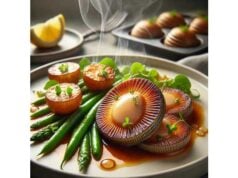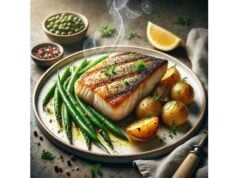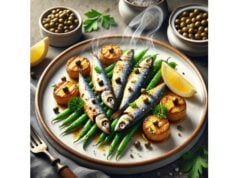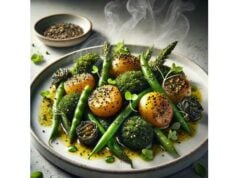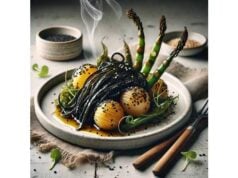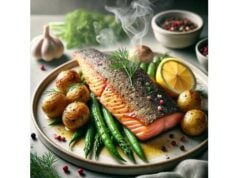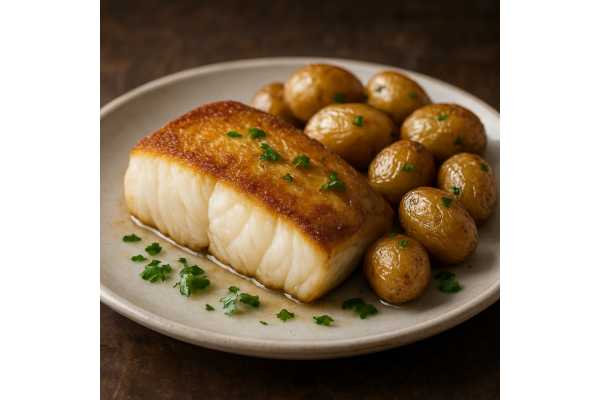
Grouper is a family of firm, mild, white-fleshed reef fish popular from the Caribbean to Southeast Asia. Home cooks love it for weeknight reliability—thick fillets that hold together on the grill, in the oven, or in a hot pan—while chefs prize its clean taste and versatility. Nutritionally, grouper is a lean, high-protein choice with meaningful amounts of selenium, phosphorus, potassium, and several B vitamins, especially vitamin B12 and vitamin B6. Like many reef fish, larger grouper can accumulate mercury and, in tropical regions, occasionally carry ciguatoxin, so smart sourcing is essential. This guide offers a practical, evidence-informed view: a detailed nutrition profile per 100 g with % Daily Value, how grouper fits into healthy eating patterns, known risks and who should be cautious, how to select sustainable, top-quality fish, and cooking techniques that protect texture and nutrients. Whether you’re planning a citrus-herb roast, spicy tacos, or a delicate steam with ginger and scallions, you’ll find everything you need to use grouper confidently and safely.
Top Highlights
- Lean, high-protein fish (about 20 g protein per 100 g) with selenium, potassium, and B vitamins.
- Reef species risk ciguatera in some tropical areas; select reputable sources and avoid very large specimens.
- Practical serving: 100–150 g cooked fillet (about a palm-sized piece) two times per week within diverse seafood choices.
- People who are pregnant, breastfeeding, or serving young children should prioritize lower-mercury grouper sources and moderate portion sizes.
Table of Contents
- Grouper Detailed Overview
- Grouper Nutrition Profile
- Evidence-Based Health Benefits
- Risks, Allergies and Interactions
- Selecting, Quality, Sustainability and Storage
- Preparation, Cooking and Nutrient Retention
- Portions, Comparisons and FAQs
Grouper Detailed Overview
What counts as “grouper”?
“Grouper” covers several genera—commonly Epinephelus, Mycteroperca, and Plectropomus—with well-known market names like red grouper, black grouper, gag, Nassau, and giant/Queensland grouper. Most sold in markets are reef-dwelling, long-lived predators with thick fillets, modest fat, and a mild, slightly sweet flavor. The flesh is white and firm when raw and flakes into large, juicy segments when cooked.
Culinary character.
Grouper behaves like a sturdier version of cod or halibut: it sears without falling apart, grills cleanly on grates, and bakes evenly without weeping excess moisture. Its neutral profile welcomes bold marinades (garlic, citrus, chili, miso), aromatic steams (ginger, scallion), or Mediterranean treatments (tomato, capers, olives). Skin-on portions crisp beautifully when the skin is well-dried and scored.
Nutrition at a glance.
Per 100 g raw or lightly cooked fillet, grouper delivers around 90–120 kcal, ~20 g protein, roughly 1 g total fat, and essentially zero carbohydrate. Micronutrients vary by species and diet, but lean reef fish like grouper typically provide selenium, potassium, phosphorus, and B vitamins (notably B12 and B6). Omega-3 content is present but modest compared with oily fish; pair grouper with one or two oily fish meals weekly for balance.
Availability and formats.
You’ll find fresh fillets or steaks during regional seasons, plus high-quality frozen fillets year-round. Vacuum-packed frozen portions are convenient and reduce waste—thaw overnight under refrigeration. If buying whole fish, look for clear, bulging eyes; bright red gills; and a briny, clean smell.
Quick flavor map.
- Grill/plancha: Smoky char complements its sweetness; finish with lemon and parsley.
- Roast/bake: Roasting with vegetables concentrates juices for a one-pan meal.
- Steam/poach: Preserves moisture and subtlety; ideal for delicate sauces.
- Curries/stews: Thick flakes withstand simmering without disintegrating.
Who it suits.
Grouper is a fit for high-protein, calorie-conscious eating and for diners who prefer mild fish. Those who are pregnant or feeding children should prioritize smaller, responsibly sourced fish and diversify seafood choices across the week.
Grouper Nutrition Profile
Reference for tables: 100 g edible portion, cooked plain (no breading or added fat).
Daily Values (%DV): Standard adult DVs (energy in kcal; sodium 2,300 mg; potassium 4,700 mg; calcium 1,300 mg; iron 18 mg; magnesium 420 mg; phosphorus 1,250 mg; zinc 11 mg; selenium 55 µg; iodine 150 µg; vitamin B1 1.2 mg; B2 1.3 mg; niacin 16 mg; vitamin B6 1.7 mg; folate 400 µg DFE; vitamin B12 2.4 µg; vitamin A 900 µg RAE; vitamin D 20 µg; vitamin E 15 mg). Natural variation by species and habitat is expected.
Macros & Electrolytes (per 100 g)
| Nutrient | Amount | %DV |
|---|---|---|
| Energy | 92 kcal | — |
| Protein | 19.4 g | — |
| Total fat | 1.0 g | — |
| Saturated fat | 0.25 g | — |
| Carbohydrate | 0 g | — |
| Fiber | 0 g | — |
| Sodium | 53 mg | 2% |
| Potassium | 320 mg | 7% |
| Water | 78 g | — |
Fats & Fatty Acids
| Component | Amount | Notes |
|---|---|---|
| Total omega-3 (EPA+DHA) | ~0.20–0.30 g | Modest; complement with oily fish weekly. |
| Monounsaturated fat | ~0.2 g | Minor contributor to calories. |
| Polyunsaturated fat | ~0.3 g | Includes long-chain omega-3s. |
| Cholesterol | ~37 mg | Dietary cholesterol has smaller impact than saturated fat for most people. |
Protein & Amino Acids
- Grouper provides complete, highly digestible protein with all essential amino acids.
- Myofibrillar proteins support satiety and muscle maintenance relative to calories.
- Typical serving (150 g cooked) yields ~29 g protein.
Vitamins (per 100 g)
| Vitamin | Amount | %DV |
|---|---|---|
| Thiamin (B1) | 0.05 mg | 4% |
| Riboflavin (B2) | 0.08 mg | 6% |
| Niacin (B3) | 2.3 mg | 14% |
| Vitamin B6 | 0.40 mg | 24% |
| Folate | 9 µg | 2% |
| Vitamin B12 | 1.0 µg | 42% |
| Vitamin A (RAE) | 10 µg | 1% |
| Vitamin D | 1–2 µg | 5–10% |
| Vitamin E (α-tocopherol) | 0.8 mg | 5% |
Minerals (per 100 g)
| Mineral | Amount | %DV |
|---|---|---|
| Selenium | 36 µg | 65% |
| Phosphorus | 180 mg | 14% |
| Potassium | 320 mg | 7% |
| Magnesium | 27 mg | 6% |
| Zinc | 0.6 mg | 5% |
| Iron | 0.3 mg | 2% |
| Calcium | 27 mg | 2% |
| Iodine | ~50 µg | 33% |
| Sodium | 53 mg | 2% |
Bioactives/Phytonutrients
- Fish muscle contains taurine and small amounts of carnosine and anserine; these may support cellular osmoregulation and acid–base balance during exercise. Quantities vary and are not typically listed on labels.
Allergens & Intolerance Markers
- Fish allergen (parvalbumin) can trigger IgE-mediated reactions. Cross-reactivity with other finfish is common; it is distinct from shellfish allergy.
Contaminants/Residues
- Mercury can be moderate in larger reef predators; select smaller fish, follow regional advisories, and keep portions moderate for sensitive groups.
- In tropical areas, reef fish (including some grouper) may carry ciguatoxin—see the safety section for sourcing and preparation guidance.
Additives & Fortification
- Values above reflect plain fish with no added brine or breading. Breaded or seasoned retail products often add sodium and fat—check labels.
Evidence-Based Health Benefits
1) High-quality protein for muscle and satiety.
A standard cooked portion of grouper (about 150 g) supplies ~29 g of complete protein for under 180 kcal. This protein density helps maintain lean mass in calorie-controlled plans and supports satiety, which can reduce between-meal snacking. For older adults, regular high-quality protein feeds muscle protein synthesis when coupled with resistance activity.
2) Selenium for antioxidant defense and thyroid function.
Grouper contributes roughly two-thirds of the Daily Value for selenium per 100 g. Selenium is a cofactor for glutathione peroxidases and iodothyronine deiodinases—enzymes essential for protecting cells from oxidative stress and for activating thyroid hormone (T3). In practical terms, adequate selenium supports metabolic rate and normal immune responses.
3) Potassium and magnesium for nerve and muscle health.
With ~320 mg potassium and ~27 mg magnesium per 100 g, grouper adds to daily electrolyte intake. Potassium assists blood pressure control when part of an overall dietary pattern rich in fruits and vegetables; magnesium contributes to muscle and nerve transmission and energy metabolism.
4) B vitamins for energy metabolism and neurologic function.
Vitamin B6 and vitamin B12 from fish help convert food to usable energy and maintain normal neurologic function. B12 insufficiency is common with aging; including fish two times per week can help maintain adequate levels alongside other animal or fortified foods.
5) Omega-3s in a lean package.
Although omega-3 content is modest compared with salmon or sardines, grouper does provide EPA and DHA—typically ~0.2–0.3 g per 100 g. Within a varied seafood pattern (including one or two oily fish meals weekly), these contributions support the cardiometabolic and neurocognitive benefits associated with regular seafood consumption.
6) Naturally low sodium and simple preparation.
Plain grouper is naturally low in sodium. Choosing fresh or minimally processed fillets and salting food at the table helps those managing blood pressure. Grouper’s forgiving texture and fast cook times lower the barrier to cooking seafood at home, which is linked with better diet quality.
Where it fits in a week.
Most guidance encourages at least two seafood meals weekly for general health. Use grouper as one of those meals when available and rotate with oily fish (salmon, mackerel, sardines) and bivalves (mussels, clams) to diversify nutrients and manage contaminant exposure.
Risks, Allergies and Interactions
Fish allergy (parvalbumin).
Finfish allergy can cause hives, swelling, wheeze, gastrointestinal symptoms, or anaphylaxis. Cross-reactivity among finfish is common, though it’s different from shellfish allergy. People with a known finfish allergy should avoid grouper unless cleared by an allergy specialist.
Ciguatera risk in reef fish.
Some reef-dwelling species—including certain grouper—can harbor ciguatoxins made by benthic dinoflagellates. Human illness (ciguatera fish poisoning) causes gastrointestinal symptoms and distinctive neurologic complaints (temperature reversal, tingling). Cooking, freezing, or marinating does not destroy ciguatoxins. Risk is highest with large, older reef predators from ciguatera-endemic tropical waters. Practical steps: buy from reputable vendors who follow local testing and advisories; avoid very large reef fish; and when traveling in tropical regions, ask locals or guides about current advisories.
Mercury and other contaminants.
Mercury accumulates with age and size in predatory fish. Larger grouper can have moderate mercury levels; small and mid-size fish generally carry less. Sensitive groups (people who are or may become pregnant, those who are breastfeeding, and young children) should moderate portions and prioritize lower-mercury choices while still meeting weekly seafood goals.
Microbial safety.
Handle raw fish like poultry: keep it cold (≤4 °C), avoid cross-contamination, and cook promptly. Parasites are controlled by proper freezing at the wholesale level for sushi-grade products; for home cooking, thorough heating until the flesh turns opaque and flakes easily is a reliable safety cue.
Medication and health considerations.
- Sodium: Plain grouper is low in sodium; brined or seasoned products may be high—check labels if on a sodium-restricted plan.
- Gout: Finfish contain purines; individuals with gout should spread portions across the week and monitor personal tolerance.
Who should limit or avoid.
- Anyone with a confirmed finfish allergy.
- People who are pregnant or breastfeeding and cannot verify low-mercury sources—choose smaller fish, moderate portions, and vary species.
- Travelers in ciguatera-endemic regions without reliable sourcing information.
Selecting, Quality, Sustainability and Storage
Buying tips for quality.
- Fresh fillets: Look for moist, translucent flesh with tight muscle fibers and no gapping. It should smell clean and oceany, not “fishy.”
- Whole fish: Eyes should be clear and convex; gills bright red; scales intact. Press the flesh—good fish springs back.
- Frozen fillets: Choose vacuum-sealed portions with no ice crystals or drying. Thaw overnight in the refrigerator on a rack over a tray.
Sustainability signals.
- Species matters: Red and gag grouper stocks in U.S. waters are actively managed with size limits, quotas, and seasonal closures. Other species and regions face heavier pressure. Choose fisheries with robust management and verified traceability.
- Size and age: Prefer smaller fish within legal limits; long-lived species are slower to rebound from overfishing.
- Capture method: Hand-line and hook-and-line methods target fish precisely and reduce habitat damage relative to some gears.
Traceability and labeling.
- Ask for the exact species (common and scientific name), catch area, and whether the fish was previously frozen. Reputable sellers can provide this; ambiguous labeling is a red flag.
Storage and handling at home.
- Short term: Keep refrigerated at 0–4 °C (32–40 °F) and cook within 24 hours of purchase for best quality.
- Freezing: Wrap tightly with minimal air and freeze at −18 °C (0 °F) for up to 3 months. For best texture, freeze raw fillets; thaw slowly under refrigeration.
- Leftovers: Cool quickly, refrigerate within 2 hours, and eat within 1–2 days.
Yield and portions.
- Boneless, skinless fillets have minimal trim loss. Whole, dressed fish yield roughly 45–55% edible portion depending on size and cut. For dinner, plan 150–170 g cooked fish per adult.
Budget and substitutions.
- If grouper is pricey or scarce, consider sablefish (buttery), mahi-mahi (firmer, slightly sweeter), or thick cuts of pollock/firm cod. These cook similarly and accept the same marinades and techniques.
Preparation, Cooking and Nutrient Retention
Core principles: dry the surface, season simply, and cook hot and just-to-done. Overcooking squeezes out moisture and toughens protein without improving safety.
Quick, reliable methods
- Pan-seared fillet (restaurant-style). Pat fillets dry; salt 15–30 minutes ahead. Heat a lightly oiled skillet until shimmering. Sear skin-side (or presentation side) 3–4 minutes; flip and cook 2–4 minutes more until just opaque and flaky. Finish with lemon and a dab of butter or olive oil.
- Oven roast (hands-off). Preheat to 220 °C (425 °F). Brush fillets with olive oil; season with salt, pepper, garlic, and paprika. Roast on a preheated sheet or cast-iron for 8–12 minutes depending on thickness.
- Grill (defined marks, smoky flavor). Oil grates well. Grill over medium-high, 3–4 minutes per side. If the fish sticks, wait—released proteins signal it’s ready to flip.
- Steam (maximum moisture). Season with ginger, scallion, light soy, and a thread of sesame oil. Steam 6–10 minutes until opaque; spoon over hot scallion-ginger oil.
- Broth and curries (gentle simmer). Add chunks in the last 5–7 minutes to avoid overcooking. The firm flakes stand up well in tomato-fennel broths, coconut curries, or Veracruz-style sauces.
Nutrient-savvy tweaks
- Fat quality: Choose olive oil for monounsaturated fats; limit deep-frying to protect calorie goals.
- Sodium control: Season with citrus, herbs, garlic, chili, or vinegars; salt lightly at the end.
- Iron uptake: Pair with vitamin C–rich sides (citrus salad, peppers, tomatoes) to enhance non-heme iron absorption from plant sides.
- Omega-3 balance: Enjoy grouper alongside one or two oily fish meals weekly to reach ~250–500 mg/day EPA+DHA on average.
Food safety checkpoints
- Cook to just opaque and flaky—thick fillets typically reach doneness near 60 °C (140 °F).
- Keep raw fish separate from ready-to-eat foods.
- If serving raw or undercooked preparations, use fish that has been properly frozen to parasite-kill standards from a trusted supplier.
Portions, Comparisons and FAQs
What is a practical portion?
- Adults: 100–150 g cooked fish (about a palm-sized fillet) suits most meals; athletes or larger appetites may prefer 170–200 g.
- Children: Adjust to appetite and age—roughly half to two-thirds of an adult portion.
How often should I eat grouper?
- As part of a varied seafood pattern, aim for two seafood meals per week. Rotate species for nutrient diversity and to manage mercury exposure. Include oily fish (salmon, sardines) for higher omega-3s.
How does grouper compare nutritionally?
- Versus cod: Similar protein; grouper has a slightly firmer texture and a touch more fat (still lean).
- Versus salmon: Salmon is richer in omega-3s and vitamin D; grouper is leaner in calories with a milder flavor.
- Versus mahi-mahi: Both are lean and firm; grouper tends to be juicier in thicker cuts.
Is grouper good for pregnancy?
- Yes—when sourced from lower-mercury fisheries and eaten in moderate portions within a varied seafood plan. Choose smaller fish, avoid very large reef predators, and diversify species. Always cook thoroughly.
What about ciguatera?
- Risk is geographically specific. When traveling in tropical regions, prefer trusted restaurants and reputable fish markets, avoid very large reef fish, and follow local advisories. Ciguatoxin is heat-stable—cooking does not remove risk.
Can I cook from frozen?
- You can roast or steam from frozen if fillets are individually quick frozen (IQF). Increase cook time by ~50% and season halfway through. For best texture, thaw overnight in the refrigerator.
Any quick flavor ideas?
- Mediterranean: Cherry tomatoes, olives, capers, oregano, and a splash of white wine.
- Latin: Chili-lime rub, cumin, and cilantro; serve with cabbage slaw.
- Asian: Miso-ginger glaze, sesame, and scallions with steamed rice and greens.
References
- Advice about Eating Fish 2024 (Guideline)
- Ciguatoxins and other marine biotoxins 2023 (Guidance)
- Red Grouper 2024 (Species Profile)
- Ciguatera Toxicity 2024 (Review/Clinical resource)
- Ciguatera Fish Poisoning in the Caribbean Sea and Atlantic Ocean: Reconciling the Multiplicity of Ciguatoxins and Analytical Chemistry Approach for Public Health Safety 2023 (Systematic Review)
Disclaimer
This guide is for general education and is not a substitute for personalized medical advice, diagnosis, or treatment. Speak with a qualified healthcare professional about specific conditions, allergies, medications, pregnancy, or feeding young children. If you suspect a fish allergy or experience symptoms consistent with ciguatera or foodborne illness, seek medical care promptly.
If this article helped you, please consider sharing it on Facebook, X (formerly Twitter), or your preferred platform. Your support helps us continue creating clear, trustworthy nutrition resources.