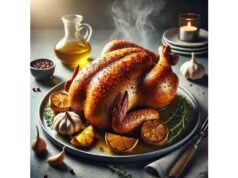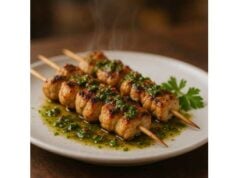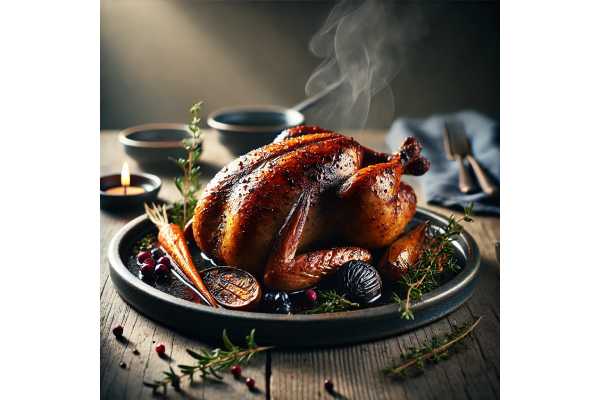
Grouse is a wild game bird with lean, deeply flavored meat that rewards careful cooking and thoughtful sourcing. Whether you come across ruffed grouse in North America or red grouse and ptarmigan in northern Europe, you are getting a protein-dense, very low-fat food with virtually zero carbohydrates. Because grouse forage on wild plants, berries, and shoots, its meat tends to be darker and more mineral-leaning than chicken, with a savory aroma that pairs well with herbs, juniper, and citrus. It’s also a practical choice for balanced eating: 100 grams of raw skinless breast offers around 26 grams of protein with modest sodium and respectable B-vitamin content. As with all game, safety matters—cook to the right temperature, chill quickly, and be aware of the unique considerations that come with wild-shot birds. This guide distills the essentials: a precise nutrition profile per 100 grams, evidence-based benefits, realistic risks (including ammunition-derived lead), sustainable selection tips, storage timelines, and step-by-step cooking methods that protect tenderness and nutrients while honoring grouse’s distinctive flavor.
Essential Insights
- High-protein and very lean: ~26 g protein and ~0.9 g fat per 100 g raw breast.
- Safety caveat: cook poultry to 74 °C/165 °F; avoid cross-contamination and handle wild game hygienically.
- Typical serving: 85–120 g cooked (one small breast), 1–2 times weekly within a varied protein rotation.
- People who should limit or avoid: those with poultry allergy, frequent consumers of wild-shot game who cannot access non-lead ammunition, and anyone in high-risk groups sensitive to foodborne illness.
Table of Contents
- Grouse at a Glance: Detailed Overview
- Grouse Nutrition Profile (per 100 g)
- Evidence-Based Benefits of Grouse
- Risks, Allergies and Interactions
- Selecting, Quality, Sustainability and Storage
- Cooking Grouse and Nutrient Retention
- Portions, Comparisons and FAQs
Grouse at a Glance: Detailed Overview
Grouse refers to several wild game birds, including ruffed grouse (North America), red grouse (Britain and Ireland), hazel grouse, black grouse, capercaillie, and ptarmigan (Europe and subarctic regions). Compared with domestic chicken, grouse is smaller, darker, and leaner, with denser fibers and higher myoglobin. The meat tastes wild and woodsy—think hints of heather, spruce tips, herbs, and berries—because these birds browse diverse plant foods rather than commercial feed. That diet contributes to a micronutrient profile rich in B vitamins and minerals, while the near-zero carbohydrate content fits low-carb or gluten-free menus by default.
Cuts are similar to other birds: boneless breasts (very lean, quick-cooking), bone-in legs and thighs (more connective tissue, ideal for moist heat), and whole birds (best for gentle roasting with attentive basting). Because grouse is lean, overcooking quickly dries it out; the path to tenderness is either fast, controlled heat for breasts or low and slow braise for legs. If you prefer a richer experience, a smear of good fat (grouse skin if present, or neutral oil) can help browning without deep frying. Aromatics that work: juniper, thyme, rosemary, black pepper, citrus zest, garlic, game stock, mushrooms, cabbage, and tart fruits like lingonberry or sour cherry to bring acidity.
Sourcing varies. In many regions, grouse is a seasonal, regulated harvest with strict limits. Hunters should cool and eviscerate promptly, avoid rupturing intestines, and keep the bird cold and clean. If you purchase from a specialty butcher, ask about species, harvest location, cold-chain handling, and whether non-lead ammunition was used. When in doubt, trim liberally around the wound channel and discard visibly damaged tissue.
From a nutrition standpoint, grouse is unusual: 100 grams of raw skinless breast delivers about 112 kcal, roughly 26 grams of complete protein, under 1 gram of fat, and no carbohydrates. It provides notable niacin (vitamin B3), vitamin B6, vitamin B12, phosphorus, magnesium, and potassium—nutrients that support energy metabolism, red blood cell formation, and nerve-muscle function. This lean profile gives you room to build meals with whole grains, legumes, and vegetables, or to finish with a flavorful pan sauce without overshooting daily energy goals.
Grouse Nutrition Profile (per 100 g)
Reference form: Ruffed grouse, breast meat, skinless, raw. Values rounded sensibly; % Daily Value (%DV) shown where applicable for adults.
Macros & Electrolytes (per 100 g)
| Nutrient | Amount | %DV |
|---|---|---|
| Energy | 112 kcal | — |
| Protein | 25.9 g | 52% |
| Total Fat | 0.9 g | 1% |
| Saturated Fat | 0.13 g | 1% |
| Carbohydrates | 0 g | 0% |
| Sodium | 50 mg | 2% |
| Potassium | 312 mg | 7% |
| Water | ~73 g | — |
| Cholesterol* | ~40 mg | — |
*No established %DV for cholesterol on labels.
Fats & Fatty Acids (per 100 g)
| Fatty Acids | Amount |
|---|---|
| Monounsaturated fatty acids (MUFA) | ~0.04 g |
| Polyunsaturated fatty acids (PUFA) | ~0.13 g |
| Omega-3 fatty acids (n-3, total) | ~0.01 g |
| Omega-6 fatty acids (n-6, total) | ~0.07 g |
| Trans fat | 0 g (not detected) |
Protein & Amino Acids
- Complete protein source with all essential amino acids; particularly rich in leucine and lysine relative to its very low fat content (typical for lean game birds).
Vitamins (per 100 g)
| Vitamin | Amount | %DV |
|---|---|---|
| Thiamin (B1) | 0.04 mg | 3% |
| Riboflavin (B2) | 0.28 mg | 22% |
| Niacin (B3) | 11.6 mg | 73% |
| Vitamin B6 | 1.24 mg | 73% |
| Vitamin B12 | 2.9 µg | 122% |
| Vitamin E | 0.7 mg | 5% |
| Vitamin A (RAE) | 5 µg | 1% |
| Vitamin C | 0 mg | 0% |
Minerals (per 100 g)
| Mineral | Amount | %DV |
|---|---|---|
| Phosphorus | 230 mg | 18% |
| Magnesium | 32 mg | 8% |
| Potassium | 312 mg | 7% |
| Zinc | 0.5 mg | 5% |
| Iron | 0.6 mg | 3% |
| Calcium | 5 mg | 0% |
| Sodium | 50 mg | 2% |
Glycemic & Acid–Base Metrics
- Carbohydrates: 0 g; sugars: 0 g; starch: 0 g; glycemic load: 0.
- Potential renal acid load (PRAL): positive (protein-rich animal foods).
Allergens & Intolerance Markers
- Grouse is poultry; primary meat allergy is uncommon but possible. Cross-contact with eggs or wheat can occur via breading or shared equipment in restaurants.
Contaminants/Residues & Notes
- Wild-shot birds may contain ammunition-derived metal fragments (commonly lead unless non-lead alternatives were used). Trimming and careful sourcing reduce risk.
- Sodium rises with brining or cured products; base values above assume plain, raw meat.
- Nutrient values vary by species, season, diet, and post-harvest care; the table reflects a representative, skinless breast baseline.
Evidence-Based Benefits of Grouse
1) High-quality protein with minimal fat
Per 100 grams, raw skinless grouse breast offers about 26 grams of complete protein with under 1 gram of fat and zero carbohydrates. That exceptional protein-to-fat ratio supports lean mass maintenance during weight control, athletic training, and metabolic health plans. Because grouse is naturally flavorful, modest portions still feel satisfying, which helps with calorie awareness.
2) Strong B-vitamin support for energy metabolism
Grouse is a reliable source of niacin (B3) and vitamin B6, delivering ~70% of daily needs per 100 grams. These vitamins feed coenzyme systems that convert food into ATP, assist in neurotransmitter synthesis, and support immune function. If you reduce red meat for lipid reasons but still want robust B vitamins, grouse can fill the gap without bringing much saturated fat.
3) Meaningful vitamin B12 in a small package
A 100-gram serving can exceed the daily value for vitamin B12, which is vital for red blood cell formation and neurological function. Many poultry options provide far less B12 per calorie; grouse’s density here is useful for people who rarely eat beef, shellfish, or organ meats.
4) Practical for glucose management
With 0 grams of carbohydrate and a glycemic load of 0, grouse anchors low-carb, gluten-free, and diabetes-conscious meals without post-meal glycemic spikes. Pair it with fiber-rich sides (brassicas, leafy greens, legumes if tolerated) to improve satiety, micronutrient diversity, and gut health.
5) Culinary versatility that supports healthier patterns
Lean does not have to mean bland. Quick-seared breasts pair well with vinaigrettes, citrus reductions, or berry glazes that provide acidity instead of cream. Legs excel in moist-heat methods—braising with mushrooms, cabbage, and root vegetables—capturing water-soluble vitamins and minerals in the sauce. This flexibility makes it easier to assemble balanced plates you’ll actually enjoy.
6) Useful rotation protein for omnivores
Rotating among poultry, fish, eggs, dairy, legumes, and occasional red meat broadens your nutrient intake and helps avoid monotony. For people who hunt or buy seasonal game, grouse offers a way to diversify protein sources while engaging with sustainable, local food systems—provided harvest regulations and cold-chain practices are respected.
7) Nutrient density per calorie
Relative to energy, grouse delivers protein, B vitamins, phosphorus, magnesium, and potassium—nutrients many adults underconsume—without added sugars or refined starches. That makes grouse a strong anchor for calorie-conscious, nutrient-forward eating, especially when combined with vegetables and whole grains.
How to apply these benefits
- Keep portions 85–120 g cooked to build plate balance.
- Use acidic, herb-forward sauces and broth-based cooking to limit added fats.
- Save richer accompaniments (butter, cream) for special meals; opt for olive oil, citrus, and fresh herbs most days.
Risks, Allergies and Interactions
Foodborne illness risks and safe temperatures
Treat grouse as poultry: store cold (≤4 °C/40 °F), avoid cross-contamination, and cook to 74 °C/165 °F in the thickest part of the meat. Use a thermometer rather than color cues. Ground meat and boned, stuffed preparations should also hit 74 °C/165 °F. Cool leftovers quickly and reheat to steaming hot.
Campylobacter and handling
Campylobacter is one of the most frequently reported foodborne illnesses in Europe and is strongly linked to poultry handling. Practical steps—keeping raw and ready-to-eat items separate, sanitizing boards and knives, handwashing, and thorough cooking—lower risk dramatically. Do not rinse raw birds; splashes spread bacteria.
Ammunition-derived metals (lead in particular)
Small game birds are often harvested with shotgun pellets. Traditional lead shot can fragment into many tiny pieces, some too small to see or feel. These particles may lodge in nearby tissue and, if consumed, contribute to dietary lead exposure—especially among frequent consumers (hunters, families, communities relying on donated game). Trimming away the wound channel and choosing suppliers or hunting methods that use non-lead ammunition are the most effective mitigations. Acidic marinades can increase lead bioavailability; if you cannot confirm non-lead harvesting, avoid marinating meat from near the shot path and discard all visibly damaged tissue.
Allergies and sensitivities
Primary poultry-meat allergy is uncommon but documented. Symptoms range from oral itching and hives to rare anaphylaxis. Cross-contact is a realistic concern in restaurant or camp kitchens where the same equipment is used for breaded foods or eggs. Those with severe allergies should confirm dedicated equipment or prepare grouse at home.
Special populations
Pregnant individuals, young children, older adults, and people with weakened immune systems should be especially careful: no undercooked poultry, prompt chilling, and reheating leftovers to piping hot. For anyone with iron overload (hemochromatosis), even lean game still contributes heme iron; tailor intake with your clinician. People managing gout may also want modest portions and robust hydration.
Sodium and cured items
Fresh, plain grouse is naturally low in sodium; brined, smoked, or cured grouse can be high. Read labels if purchasing specialty products, and balance intake with lower-sodium meals on the same day.
Medication notes
There are no common, direct drug–nutrient interactions specific to grouse. Standard guidance applies: if you’re on anticoagulants or have medical nutrition therapy in place, keep your overall diet consistent and consult your clinician before major changes.
Selecting, Quality, Sustainability and Storage
How to choose quality grouse
- Whole birds: Look for intact skin, mild aroma, and firm, springy flesh. Weight varies by species; expect a small bird that typically yields one modest meal per person.
- Breasts vs. legs: Breasts are lean and quick-cooking; legs have more connective tissue and shine with braising.
- Color and purge: Darker meat is normal. Minimal liquid in packaging suggests good handling.
- Ask key questions: Species, harvest location, field dressing time, chilling method, and whether non-lead ammunition was used.
Sustainability and ethics
- Respect closed seasons and bag limits. In many regions, grouse populations fluctuate with habitat quality and weather; sustainable harvest depends on adherence to local regulations and ethical field practices.
- Favor local processors who maintain cold chain and transparent hygiene. If buying, choose vendors who can document handling and storage times.
Field care for hunters (quick checklist)
- Dress promptly; avoid puncturing intestines.
- Keep the carcass clean and cool (insulated cooler with ice packs works well).
- Identify and trim the wound channel generously; discard visibly damaged tissue.
- If lead shot was used and non-lead alternatives aren’t available, consider pressure-washing the cavity before final trimming in a sanitary environment.
Storage basics
- Refrigeration: 0–2 days for fresh, raw birds or parts at ≤4 °C/40 °F.
- Freezing: Wrap tightly or vacuum-seal; store at −18 °C/0 °F. Quality holds 6–9 months for parts and up to a year for whole birds.
- Thawing: Refrigerator thawing is safest. For a faster method, submerge sealed packages in cold water, changing water every 30 minutes; cook immediately. Avoid room-temperature thawing.
- Leftovers: Chill within 2 hours of cooking in shallow containers; use within 3–4 days; reheat until steaming throughout.
Budget and planning
- Cook one or two birds and plan several meals: quick seared breast with a sharp salad on day one; braised legs with mushrooms and cabbage on day two; stock from bones for soup or grains; and a small jar of pan drippings to enrich vegetables during the week.
- If you purchase, legs and thighs are often more economical than boneless breasts and deliver exceptional flavor when braised.
Cooking Grouse and Nutrient Retention
Prep fundamentals
- Pat dry thoroughly to encourage browning.
- Salt in advance (up to 12–24 hours for whole birds) and hold uncovered in the refrigerator to dry the skin.
- Trim wisely: remove any visibly bloodshot or pellet-damaged tissue; if lead shot may have been used, trim extra around the wound path.
- Use a thermometer: aim for 74 °C/165 °F in the thickest part; pull just shy and rest to carryover if your method runs hot.
Core methods
- Pan-seared grouse breast
Bring to cool room temperature. Lightly oil. Sear in a hot pan 2–3 minutes per side, then finish in a moderate oven until 74 °C/165 °F. Rest 5 minutes. Sauce options: orange and thyme; juniper and blackberry; shallot and vinegar pan reduction. Keep sauces light to respect the lean character. - Roasted whole grouse (weeknight method)
Tie legs loosely. Rub with a little oil, salt, pepper, and crushed juniper. Roast on high heat to jump-start browning, then reduce to moderate heat and finish to 74 °C/165 °F. Rest 10 minutes. Roast roots in the same pan to capture drippings. - Braise for legs and older birds
Brown lightly, then braise with mushrooms, cabbage, or sauerkraut and a splash of stock or dry wine. Low-and-slow converts collagen to gelatin, yielding tenderness and capturing B vitamins and minerals in the broth—so serve with the juices. - Soup or noodle bowls
Poach shredded breast briefly in stock with ginger, garlic, scallions, and greens; finish with lemon or vinegar. Poaching protects delicate vitamins and minimizes added fat. - Marinades and safety
Acidic marinades can boost flavor, but if there’s any chance the bird was harvested with lead shot, avoid marinating meat from near the wound channel, as acid can increase the bioavailability of any microscopic lead particles. Keep marinades under control: 30–60 minutes is plenty for thin cuts.
Retention and balance tips
- Measure added fats—1–2 teaspoons per serving goes a long way.
- Keep cooking liquids; they carry water-soluble nutrients.
- Use fresh herbs, citrus, and vinegar to brighten without extra salt.
- Rest cooked meat before slicing to retain juices.
Flavor pairings that help you eat more vegetables
- Herbal and tart: thyme, rosemary, juniper, black pepper, lemon zest.
- Forest notes: mushrooms, cabbage, kale, roasted roots.
- Berry accents: lingonberry, cranberry, blackberry, sour cherry.
- Grain partners: whole barley, buckwheat, farro—hearty and fiber-rich.
Portions, Comparisons and FAQs
Practical portions and weekly rhythm
- Everyday portion (cooked): 85–120 g per person (about one small breast), often enough protein for a main meal when combined with vegetables and grains.
- Active days: up to 150–170 g cooked may support higher protein targets; balance with fiber-rich sides.
- Frequency: 1–2 grouse meals per week fits many balanced patterns that also include fish, legumes, eggs, and occasional red meat.
How grouse compares (per ~100 g, raw or cooked as noted)
- Grouse breast, raw, skinless: ~112 kcal; ~26 g protein; ~0.9 g fat; carbs 0 g.
- Chicken breast, skinless, cooked: ~165 kcal; ~31 g protein; ~3.6 g fat; carbs 0 g.
- Duck breast, cooked, skinless: ~200–205 kcal; ~24 g protein; ~11 g fat.
- Pheasant breast, cooked, skinless: typically lean like grouse but slightly higher fat depending on method.
- Beef sirloin, lean, cooked: ~210–230 kcal; ~26 g protein; ~10–12 g fat.
Budget and meal planning
- One small grouse serves one person with vegetables and grains; two birds serve two with leftovers if you braise legs. Save bones for stock and freeze in 500 ml portions. Drippings or pan fond provide flavor for brassicas, beans, or roasted potatoes (use measured amounts).
Frequently asked questions
Is grouse “red” or “white” meat?
It’s poultry, but the meat is darker and more myoglobin-rich than chicken. Treat it like very lean red meat in cooking—hot, fast sear or slow braise.
Can I serve grouse breast slightly pink?
For household safety and simplicity, finish all poultry to 74 °C/165 °F. Restaurants may take different approaches, but vulnerable groups should avoid undercooked poultry.
How do I reduce possible lead exposure?
Prefer non-lead ammunition sources, trim generously around the wound channel, and discard tissue that looks bloodshot or pellet-damaged. Avoid acidic marinades on meat from near the shot path.
Does grouse fit low-carb or gluten-free plans?
Yes. The meat contains 0 g carbohydrates. Check sauces and breadings for added sugars or gluten.
Best wine or beverage pairings?
Try Pinot Noir, Gamay, or a dry Riesling. Non-alcoholic options: tart cherry spritzers, lemon-herb iced tea, or juniper–citrus tonics.
References
- Safe Minimum Internal Temperature Chart 2024 (Guideline)
- The European Union One Health 2023 Zoonoses report 2024 (Report)
- Marination increases the bioavailability of lead in game meat shot with lead ammunition 2021 (Study)
- How contaminated with ammunition-derived lead is meat from European small game animals? Assessing and reducing risks to human health 2022 (Systematic Review)
- Nutrition Facts for Ruffed Grouse, breast meat, skinless, raw 2024 (Database)
Disclaimer
This article is for general education and is not a substitute for professional medical advice, diagnosis, or treatment. Always consult your healthcare professional or a registered dietitian for guidance tailored to your health status, medications, and goals. Follow local hunting laws and food safety regulations. If you consume wild-shot game frequently, prefer non-lead ammunition sources and trim generously around wound channels to reduce potential exposure.
If you found this guide useful, please consider sharing it on Facebook, X (formerly Twitter), or any platform you prefer. Your support helps us continue creating clear, evidence-based nutrition articles. Thank you.