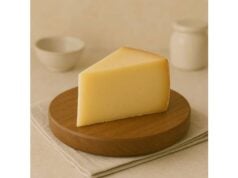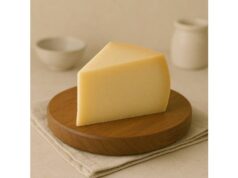
Gruyère is a celebrated Alpine cheese from Switzerland, known for its bronze rind, pale straw paste, and a nutty-sweet flavor that deepens as it ages. Cooks love it because it melts smoothly without turning oily, lending richness to fondue, gratins, and croque-monsieur. Nutritionally, it is energy-dense and protein-rich, delivering substantial calcium, phosphorus, and vitamin B12 in a small serving. Lactose is naturally very low thanks to fermentation and aging, so many people with lactose intolerance tolerate aged Gruyère in modest amounts. Like most aged cheeses, it does contain notable saturated fat and sodium, so portion control matters. If you enjoy bold, savory foods, Gruyère offers both culinary flexibility and concentrated nutrients: shave it over soups, whisk it into sauces, or feature it on a cheese board alongside apples, nuts, and rye bread. Below, you will find a practical, people-first guide to Gruyère—what it offers nutritionally, how it may support health, when to be cautious, and smart ways to buy, store, and cook it for the best flavor and value.
Top Highlights
- Rich in complete protein (≈30 g/100 g) and calcium (≈1,025 mg/100 g).
- Very low in lactose due to aging; often tolerated in small portions.
- Typical serving: 28 g (1 oz) once daily or a few times per week within a balanced diet.
- Safety note: aged cheeses are high in tyramine; avoid with MAOI medications.
- People who should limit: those managing sodium, saturated fat, or strict pregnancy guidance (choose pasteurized and cook thoroughly).
Table of Contents
- Gruyère: Detailed Overview
- Gruyère Nutrition Profile (per 100 g)
- Evidence-Based Health Benefits of Gruyère
- Gruyère Risks, Allergies and Interactions
- Selecting Gruyère: Quality, Sustainability and Storage
- Cooking Gruyère and Nutrient Retention
- Gruyère Portions, Comparisons and FAQs
Gruyère: Detailed Overview
Gruyère originates from the Fribourg region of Switzerland and nearby Alpine valleys, where cool pastures and raw cow’s milk produce a cheese with depth and balance. Young wheels (5–6 months) tend to be creamier and slightly sweet; older wheels (10–18 months or more) bring brittle crystals, toasty notes, and a long finish. While styles vary by producer and aging cellar, classic Gruyère shows minimal “eyes” (holes), a firm yet pliant paste, and aromas that hint at roasted hazelnuts, browned butter, and cured ham. The hallmark is its superb meltability: it becomes smooth and cohesive when heated, making it a staple for fondue moitié–moitié (often blended with Vacherin Fribourgeois), French onion soup, quiches, cordon bleu, and gratins.
From a nutrition perspective, Gruyère concentrates the building blocks of milk—protein, fat, minerals, and fat-soluble vitamins—because most of the water and lactose are removed during cheese making and further reduced during aging. That concentration yields more protein per gram than milk and a particularly high calcium-to-volume ratio, which is useful when dietary calcium from other sources is modest. Its carbohydrate content is negligible, and lactose is very low, because starter bacteria consume lactose and transform it into lactic acid; with prolonged aging, residual lactose drops to trace amounts.
Flavor and texture depend on both milk quality and affinage (aging). Alpine raw-milk wheels capture seasonal pasture character; pasteurized versions are common in some markets and can be excellent when properly matured. Longer aging draws out moisture, compacts proteins, encourages amino acid crystallization, and develops savory peptides—key reasons older Gruyère tastes more intense and feels slightly granular. Salt is rubbed or brined into the rind early in production to control microbes, support rind development, and bring savory balance.
Culinary swaps and pairing ideas are numerous. If you cannot find Gruyère, consider Comté, Emmentaler, Appenzeller, or Jarlsberg for melting applications. For a board, pair with tart fruits (apple, pear), pickled onions, mustard, and coarse rye or sourdough. Wine pairings often lean toward Alpine whites (Chasselas, Fendant), dry Riesling, or light reds (Gamay, Pinot Noir). If you prefer beer, helles lager or märzen complements its toasty, nutty profile.
Finally, although Gruyère is nutrient-dense, it is also rich in saturated fat and sodium. A mindful approach is to treat it as a flavorful accent: let a little do a lot by grating it finely, whisking a small amount into sauces, or shaving it over hot vegetables where its aroma blooms.
Gruyère Nutrition Profile (per 100 g)
Below are evidence-based values per 100 g of Gruyère cheese, with % Daily Value (%DV) based on current U.S. DVs for adults and children ≥4 years. Values vary by producer and age; treat these as typical ranges.
Macros & Electrolytes (per 100 g)
| Nutrient | Amount | %DV |
|---|---|---|
| Energy | 419 kcal | — |
| Protein | 30.4 g | 61% |
| Total Fat | 32.9 g | 42% |
| Saturated Fat | 19.3 g | 96% |
| Trans Fat | 0 g | — |
| Carbohydrate | 0.4 g | 0% |
| Total Sugars | 0.1 g | — |
| Dietary Fiber | 0 g | 0% |
| Sodium | 724 mg | 31% |
| Potassium | 82 mg | 2% |
| Water | 34.7 g | — |
Fats & Fatty Acids
| Nutrient | Amount | %DV |
|---|---|---|
| Monounsaturated Fat | ~9–10 g | — |
| Polyunsaturated Fat | ~0.9 g | — |
| Omega-3 Fatty Acids | ~0.2 g | — |
| Omega-6 Fatty Acids | ~0.6–0.7 g | — |
| Cholesterol | ~111 mg | —* |
*No current FDA %DV established for cholesterol.
Protein & Amino Acids
| Item | Insight |
|---|---|
| Protein quality | Complete protein with all essential amino acids. |
| Leucine (per 100 g, est.) | ~2.4–2.7 g, supportive for muscle protein synthesis. |
| Bioactive peptides | Aging produces savory peptides that may influence flavor and digestibility. |
Vitamins (per 100 g)
| Vitamin | Amount | %DV |
|---|---|---|
| Vitamin A (RAE) | 275 µg | 31% |
| Vitamin B2 (Riboflavin) | 0.29 mg | 22% |
| Vitamin B12 (Cobalamin) | 1.6 µg | 67% |
| Pantothenic Acid (B5) | 0.57 mg | 11% |
| Vitamin D | 0.6 µg (≈24 IU) | 3% |
| Vitamin K (K1/K2 total, variable) | ~1 µg | — |
Minerals (per 100 g)
| Mineral | Amount | %DV |
|---|---|---|
| Calcium | 1,025 mg | 79% |
| Phosphorus | 614 mg | 49% |
| Zinc | 3.9 mg | 36% |
| Selenium | 14.6 µg | 27% |
| Magnesium | 36 mg | 9% |
| Iron | 0.18 mg | 1% |
| Iodine | variable | — |
Glycemic & Acid–Base Metrics
- Glycemic impact: negligible (≈0.4 g carbohydrate per 100 g).
- PRAL (acid load): positive (acid-forming), typical of hard cheeses.
- pH: acidic; increases slightly with age at the surface due to rind flora.
Allergens & Intolerance Markers
- Contains milk proteins (casein, whey) and milk fat: a major allergen.
- Lactose: very low due to fermentation and aging; many with lactose intolerance tolerate small portions, especially with meals.
- Biogenic amines (including tyramine and histamine) increase with age and storage.
Notes: Nutrient values can vary with milk source, season, and aging time. Artisanal raw-milk wheels and pasteurized industrial wheels may show small but meaningful differences in moisture, salt, and micronutrients.
Evidence-Based Health Benefits of Gruyère
Bone health and mineral density. Gruyère is a concentrated source of calcium and phosphorus, key structural minerals for bone. A 30 g (1 oz) serving typically contributes roughly a quarter of daily calcium needs and meaningful phosphorus, supporting remodeling throughout adulthood. While bone health depends on overall diet and vitamin D status, pairing Gruyère with vitamin D sources (eggs, salmon, fortified foods) or with sun exposure can help you make the most of its calcium.
High-quality protein for satiety and muscle. About 30 g of complete protein per 100 g makes Gruyère an efficient protein choice. In practice, 15–20 g added to a meal—say, grated over roasted vegetables or folded into an omelet—raises total meal protein to the 20–40 g range associated with muscle protein synthesis in adults. Cheese protein is rich in leucine, the amino acid that acts as a “signal” for muscle building, which may be useful when protein needs are higher (athletes, older adults, or people recovering from illness), assuming total calories and saturated fat are managed.
B12 and riboflavin for energy metabolism. Gruyère supplies vitamin B12 (cobalamin) and riboflavin (B2), both of which participate in red blood cell formation and mitochondrial energy pathways. For those limiting meat, modest amounts of aged cheese can help close B12 gaps, especially when combined with eggs or fortified foods. Because cheese also contains zinc and selenium—cofactors for antioxidant enzymes—Gruyère can contribute to overall micronutrient adequacy.
Very low lactose for many with intolerance. Fermentation depletes lactose, the milk sugar responsible for classic intolerance symptoms. This is why many people who cannot tolerate a glass of milk can enjoy small portions of aged cheeses like Gruyère without symptoms—particularly when eaten with other foods. Individual tolerance still varies; spacing portions and starting small are sensible strategies.
Culinary advantages that support healthy eating patterns. With intense umami and nuttiness, Gruyère can make vegetables, legumes, and whole grains more appealing. A teaspoon or two of finely grated Gruyère can transform a pan of steamed broccoli or a bowl of farro, helping you eat more fiber-rich foods. The idea is to use “a little for a lot of flavor,” rather than centering the plate on cheese.
Practical cardio-friendly use. Despite its saturated fat, Gruyère can fit a heart-conscious pattern when used judiciously. Strategies include smaller portions, choosing lean proteins elsewhere in the meal, and balancing with unsaturated fats (olive oil, nuts) and plenty of produce. For those following Mediterranean or DASH-style plans, think of Gruyère as a garnish or component rather than a main.
Digestibility with aging. Aging partially breaks down casein proteins into smaller peptides, which some people find easier to digest compared to fresh cheeses. This does not remove allergy risk (milk allergy is immune-mediated), but it can influence perceived digestibility among non-allergic eaters.
Bottom line: Gruyère can be a nutrient-dense, flavor-forward ingredient that supports bone health, protein intake, and dietary enjoyment—best leveraged in small, strategic amounts within an overall balanced pattern.
Gruyère Risks, Allergies and Interactions
Saturated fat and sodium. Per 100 g, Gruyère provides roughly 19 g saturated fat (near the daily limit) and ~724 mg sodium (about one-third of the daily limit). Large portions can nudge blood lipids and blood pressure in susceptible individuals. If you are managing cardiovascular risk, keep portions modest (10–30 g at a time), balance the rest of the meal with unsalted, high-fiber foods, and emphasize unsaturated fats elsewhere.
Milk allergy vs. lactose intolerance. Milk allergy is an immune reaction to milk proteins (casein, whey) and can cause hives, wheeze, GI symptoms, or anaphylaxis. Individuals with diagnosed milk allergy should avoid Gruyère entirely. Lactose intolerance is not an allergy; many people with intolerance tolerate aged cheeses in small servings because lactose is minimal. When testing tolerance, start with ~10–15 g and increase only if symptom-free.
Pregnancy considerations. During pregnancy, choose pasteurized versions and cook thoroughly when possible (e.g., in a bubbling hot gratin or soup). Hard aged cheeses generally pose lower listeria risk than soft, high-moisture cheeses, but safe handling still matters: buy from reputable sellers, avoid cross-contamination, and adhere to refrigeration guidance. When dining out, ask whether cheeses are pasteurized and whether dishes are cooked until steaming.
Hypertension and fluid balance. Because salt drives Gruyère’s flavor and preservation, sodium is inherent. If you have hypertension or kidney disease, prioritize smaller portions, pair with potassium-rich sides (leafy greens, beans, roast squash), and consider alternating with low-sodium cheeses or fresh dairy like part-skim ricotta.
MAOI medications and tyramine. Aged cheeses, including Gruyère, accumulate tyramine, which can trigger dangerous blood pressure spikes in people taking monoamine oxidase inhibitor (MAOI) antidepressants or certain anti-Parkinson agents. If you use an MAOI, avoid aged cheeses altogether and ask your clinician for a tyramine-restricted diet guide.
Histamine sensitivity and migraines. Biogenic amines (histamine, tyramine) rise with aging and warm storage. In histamine intolerance or migraine-prone individuals, aged cheese may act as a trigger. If suspected, monitor symptoms with a food-symptom diary, keep portions small, and choose fresher, lower-age cheeses or alternatives (e.g., fresh mozzarella, cottage cheese).
Food safety at home. Reseal or rewrap promptly after cutting, keep refrigerated, and discard if you notice surface slime, off odors, or unusual mold growth beneath the rind. Hard cheeses can be trimmed 2.5 cm (1 inch) around a small spot of non-black/green mold because the interior is dense; when in doubt, discard.
Drug–nutrient miscues beyond MAOIs. Salt-sensitive antihypertensive regimens (e.g., certain diuretics) may require tighter sodium budgeting. For those taking antibiotics that interact with divalent cations (like tetracyclines), separating doses from high-calcium meals can improve medication absorption—ask your pharmacist for specifics.
In short, most healthy adults can enjoy small amounts of Gruyère safely. People with milk allergy, those on MAOIs, and pregnant individuals who cannot verify pasteurization should avoid or take extra precautions.
Selecting Gruyère: Quality, Sustainability and Storage
Quality cues at purchase. Look for wheels or wedges with a dry, clean rind (light to medium brown) and a firm, slightly elastic paste without excessive cracking. Fresh-cut faces should smell nutty and sweet, not sharply ammoniated. Younger Gruyère (5–8 months) is creamy and melts effortlessly; reserve extra-aged wheels (12–18 months) for grating and bold flavor. Reputable cheese counters will display cut dates and store wedges in breathable paper, not suffocating plastic.
Protected origin and transparency. Authentic Swiss Gruyère carries regional certification and traceability back to the dairy. Some producers use raw milk and long aging to develop complexity; others use pasteurized milk with careful affinage. Outside of Switzerland, similar styles (domestic “Gruyère-type”) can be excellent—taste before you buy. If pregnancy or immune status is a concern, choose pasteurized milk versions and verify with the label or monger.
Sustainability considerations. Alpine systems often emphasize pasture-based milking and seasonal cycles, which can support biodiversity and animal welfare. If sustainability matters to you, ask about pasture access, winter feed sources, and whether the dairy participates in animal health and waste management programs. Buying from producers who invest in pasture management and energy efficiency can reduce your cheese’s footprint.
Smart storage at home.
- Wrap: Rewrap wedges in cheese paper or parchment plus a loose outer layer (reusable bag or foil) to balance moisture and airflow. Avoid tight plastic wrap on the cut face; it traps moisture and accelerates off flavors.
- Zone: Store in the vegetable or cheese drawer where humidity is higher and temperature is stable (≈1–4 °C / 34–39 °F).
- Timing: Unopened hard cheese keeps for months; once opened, plan to use within 3–4 weeks for best quality. Grated cheese loses aroma faster—store tightly sealed and use within 1–2 weeks.
- Freezing: You can freeze grated or thin slices for cooking; expect a drier, crumbly texture after thawing.
- Mold management: For a small patch of surface mold on a hard cheese, trim at least 2.5 cm (1 inch) around and below the spot. Discard if mold penetrates deeply, if you see black/green invasive growth, or if the cheese smells strongly of ammonia.
Food safety habits. Keep clean cutting tools dedicated for cheese to avoid cross-contamination from raw meats. Rewrap promptly after service, and limit time at room temperature on boards to a couple of hours in cool rooms; in hot weather, rotate smaller amounts more frequently.
Budget tips. Because Gruyère is potent, buy in small pieces (100–150 g), grate finely, and apply as a finishing accent. Ask for “end cuts” or rinds at the counter; they’re economical and ideal for simmering in soups and beans to add depth, then discarding before serving.
Cooking Gruyère and Nutrient Retention
Why it melts so beautifully. Gruyère’s meltability comes from its moisture-to-fat balance and well-developed protein network. Gentle heat causes casein bonds to loosen and fat to emulsify, creating a smooth, cohesive melt that resists oil slicks when handled properly. Combine with a splash of wine or stock and a small amount of starch (cornstarch or flour) to stabilize the emulsion in fondues and sauces.
Techniques that showcase flavor with less cheese.
- Micro-grating: Finely grate onto hot dishes (soups, vegetables, risotto) to maximize surface area and aroma, using 5–15 g per portion.
- Crusts and gratins: Sprinkle a thin layer with whole-grain breadcrumbs and herbs; a little browns into a deeply savory crust.
- Infusions: Simmer a rind in broth, tomato sauce, or beans for 20–30 minutes, then remove; you’ll capture aroma without adding much fat or sodium.
- Emulsified sauces: For mac and cheese, whisk 20–30 g per serving into a béchamel; balance with lower-sodium stock and mustard for brightness.
Retaining nutrients. Cheese vitamins and minerals are relatively heat-stable. Losses mainly occur through fat separation or excessive browning, which can drive off aromas and alter fats. To preserve quality:
- Use moderate heat and avoid prolonged high temperatures.
- Add cheese toward the end of cooking to minimize separation.
- Include starches or emulsifiers (e.g., roux, a cornstarch slurry, or sodium citrate if you use modernist methods) to keep fat bound and texture silky.
- Pair with vitamin D sources when possible to support calcium utilization.
Everyday recipes that scale.
- Vegetable gratin: Roast cauliflower or leeks, then finish with 10–20 g Gruyère per portion under a hot broiler.
- Eggs: A teaspoon or two per egg folded into a soft scramble or frittata.
- Soups: Classic French onion soup relies on Gruyère for the gratinéed top; you can halve the cheese and still get full aroma by micro-grating.
- Sandwiches: For croque-monsieur, spread a thin béchamel and use a modest sprinkle of cheese; the sauce carries flavor.
Dietary patterns and swaps. If you are watching saturated fat, combine smaller amounts of Gruyère with naturally low-fat, high-flavor foods (mushrooms, caramelized onions, roasted peppers). For sodium awareness, choose lower-salt accompaniments (unsalted nuts, fresh fruit) and avoid piling on cured meats.
Leftovers and reheating. Reheat gently (low heat, covered) to avoid oiling off. If a sauce breaks, whisk in a teaspoon of cold liquid and a pinch of starch, or blend briefly to re-emulsify.
Cooking take-home: Gentle heat, stabilizers, and strategic use elevate Gruyère’s flavor while keeping portions—and saturated fat and sodium—reasonable.
Gruyère Portions, Comparisons and FAQs
How much is a portion? For everyday eating, 28 g (1 oz, about a thin slice or small handful of shreds) is a practical portion. That serving provides roughly 8–9 g of protein, 9 g of fat (about 5 g saturated), and ~200 mg sodium. Many people enjoy 1–3 such portions across a week. If you are active or need more protein, you could use 15–30 g per meal as a flavor enhancer—a little goes far.
How does Gruyère compare with similar cheeses?
- Comté: Very similar in style; often a touch fruitier. Nutrition is comparable; sodium varies by producer.
- Emmentaler/Swiss: Slightly milder with larger eyes and a sweeter profile; typically a bit less salty.
- Jarlsberg: Buttery and mild; melts well; often slightly lower in sodium.
- Cheddar: Sharper acidity; meltability depends on age; nutrition is broadly similar but sodium can be higher.
- Parmesan/Grana: Drier, saltier, and more crystal-rich; use sparingly as a finishing cheese.
Is Gruyère lactose-free? Not completely, but aged Gruyère is very low in lactose. Many with lactose intolerance tolerate small servings, especially with meals. Individual tolerance differs—test cautiously.
Is the rind edible? Yes, the natural brushed rind is edible but firm and intensely flavored. If a rind is coated in protective materials or wax, it should be discarded; ask your cheesemonger if uncertain.
Weight management tips. Gruyère is energy-dense. Strategies include micro-grating, using as a garnish rather than the main component, pairing with high-fiber foods (greens, whole grains), and keeping cured meats off the same plate to moderate sodium.
Can children eat Gruyère? Yes, in age-appropriate portions, assuming no allergy. Because it is salty, limit amounts for toddlers and offer with fruit or vegetables.
What about calcium absorption? Cheese calcium is well absorbed. Pair with vitamin D sources (fatty fish, fortified foods, sunlight) and include resistance exercise for bone strength.
Is smoked Gruyère different? Smoked versions add phenolic aromas from smoke; nutrition is similar but may taste saltier. If smoke flavor seems harsh, blend half smoked with half regular in recipes.
Budget and storage FAQs
- Best value: Buy small wedges and use every gram: rinds for soup, ends for grated mixes.
- Shelf life after opening: About 3–4 weeks refrigerated when well wrapped; use your senses and discard if quality declines.
- Freezing: Acceptable for cooking uses (grated), but texture becomes crumbly for slicing.
Cheese board idea: pair thin shavings of aged Gruyère with crisp apple, cornichons, whole-grain mustard, toasted walnuts, and a handful of radishes—big flavor, modest cheese.
References
- Nutrition Facts for Gruyere Cheese 2025.
- Safer Food Choices for Pregnant Women | Food Safety | CDC 2025.
- Eating, Diet, & Nutrition for Lactose Intolerance – NIDDK 2025.
- MAOI (Monoamine Oxidase Inhibitors): food and drink advice 2022.
- A Comprehensive Review on the Biogenic Amines in Cheeses: Their Origin, Chemical Characteristics, Hazard and Reduction Strategies 2024.
Disclaimer
This article provides general nutrition and food safety information for educational purposes and is not a substitute for personalized medical advice, diagnosis, or treatment. Always consult your healthcare professional or a registered dietitian about your specific health needs, medications (including MAOIs), and dietary restrictions—especially during pregnancy, when immunocompromised, or when managing cardiovascular or kidney conditions.
If you found this guide useful, please consider sharing it with friends and colleagues on Facebook, X (formerly Twitter), or any platform you prefer. Your support helps us continue creating clear, balanced, and practical resources.