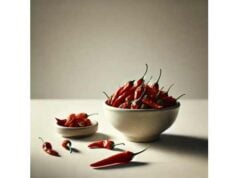
Guajillo chili is one of the workhorses of Mexican cooking, yet many people outside Latin America only know it by name on a sauce label. This dried, deep red pepper offers a gentle to moderate heat, a complex fruity flavor with hints of tea and dried berries, and a striking color that can transform a pot of beans, a mole, or a marinade.
Beyond its culinary personality, guajillo chili also provides fiber, vitamins, and a range of bioactive compounds, including capsaicin and carotenoids. These have been studied for their antioxidant, anti inflammatory, and potential cardio metabolic effects. At the same time, guajillo is still a chili: sensitive stomachs, people with reflux, or those unaccustomed to spicy foods may need to introduce it gradually.
This guide walks through what guajillo chili is, its nutrition and active components, possible benefits, safety considerations, and practical ways to choose, cook, and portion it in everyday meals.
Guajillo Chili at a Glance
- Dried guajillo chilies add mild to medium heat, deep red color, and fruity, tea like flavor to sauces, stews, and marinades.
- A typical culinary serving is about 2–5 g of dried guajillo chili per portion, used a few times per week within an otherwise balanced diet.
- Like other chilies, guajillo provides capsaicin and carotenoids that may support antioxidant defenses and aspects of metabolic and vascular health.
- People with gastroesophageal reflux, peptic ulcers, or very sensitive digestion may experience burning or discomfort and should use small amounts or avoid it.
- Very high capsaicin intakes, extreme hot sauces, and chili eating contests carry real risk and are not an appropriate way to “gain benefits” from guajillo or other chilies.
Table of Contents
- Guajillo chili origins and uses
- Guajillo chili nutrition and compounds
- Guajillo chili health benefits review
- Risks, sensitivities and interactions
- Choosing quality guajillos and storage
- Cooking guajillo chilies for flavor and nutrients
- Portions, comparisons and common questions
Guajillo chili origins and uses
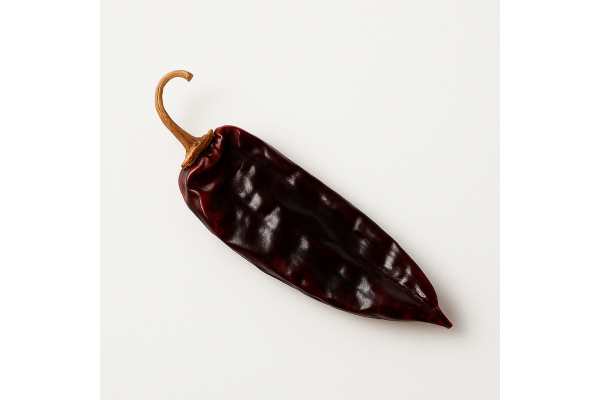
Guajillo chili is a dried variety of Capsicum annuum, usually made from the mirasol type pepper. Fresh, these peppers are long, slender, and red; once dried, they become smooth skinned pods with a glossy, reddish brown color. The pods are typically 10–15 cm long, thin walled, and fairly pliable when fresh from a good supplier.
In terms of heat, guajillo is considered mild to moderately hot, often quoted in the range of about 2,500–5,000 Scoville heat units, although natural variation is significant. For most people, that means guajillo has a noticeable warmth without approaching the intensity of jalapeño, serrano, or habanero. Its flavor profile is what makes it special:
- Notes of dried red fruit, cranberry, and plum.
- Undertones of black tea, tobacco leaf, and a gentle smokiness.
- Slight tang or acidity that enlivens rich, savory dishes.
Guajillo chili is central in many Mexican preparations. It is a key component in:
- Classic red enchilada sauces, often combined with ancho or pasilla.
- Adobos and marinades for pork, chicken, or fish, where it provides color and depth.
- Pozole, birria, and other long simmered stews and soups.
- Salsas and table sauces, paired with tomato, tomatillo, garlic, and herbs.
Outside Mexico, guajillo is increasingly used in contemporary dishes: as part of a dry rub for roasted vegetables, mixed into compound butter for grilled corn, or blended into vinaigrettes for grain salads. Because its skin is relatively thin and its bitterness is low, it is forgiving for beginners compared with some other dried chilies.
From a botanical perspective, guajillo falls within the wide Capsicum annuum species used for both sweet and hot peppers worldwide. Like other chilies, guajillo contains:
- Capsaicinoids, with capsaicin as the dominant compound responsible for heat.
- Pigments known as carotenoids, including capsanthin and beta carotene, which give the chili its intense color.
- A variety of phenolic compounds that contribute to flavor and antioxidant potential.
Culinary traditions have long used guajillo not only for taste but also as a way to make simple staple foods—corn tortillas, beans, rice—more satisfying and varied. Today, interest in guajillo is also shaped by its attractive color, versatility, and the growing appreciation of regional Mexican cuisine.
Guajillo chili nutrition and compounds
Because guajillo chili is used in small quantities, it does not contribute large amounts of calories or macronutrients per serving. However, when you consider the chili on a per 100 g dried basis, you see why it is considered nutritionally dense.
Estimates from product nutrition labels and ingredient databases for dried guajillo chili suggest that, per 100 g of dried pepper:
- Energy falls roughly in the range of 330–380 kcal.
- Carbohydrate is around 30–57 g, with a substantial portion as fiber.
- Fiber often ranges from about 14–27 g, depending on the analysis method.
- Protein typically sits between 12–14 g.
- Fat is low to moderate (0–17 g), with some variation between cultivars and brands.
A realistic culinary serving is closer to 2–5 g of dried guajillo per person in a dish. That translates to approximately 7–20 kcal, a gram or less of carbohydrate, and a small but useful contribution to fiber. From a macronutrient perspective, guajillo functions more as a high impact seasoning than as a major caloric component.
The micronutrient profile is dominated by:
- Vitamin A activity: Guajillo and related red chilies are extremely rich in provitamin A carotenoids such as beta carotene and capsanthin. Analyses in dried peppers report carotenoid levels in the range of several thousand micrograms per gram in some guajillo samples.
- Vitamin C: Drying reduces vitamin C compared with fresh peppers, but dried red chilies still retain some ascorbic acid, especially when protected from long storage in light and oxygen.
- Other vitamins: Small amounts of B vitamins appear, particularly vitamin B6, though the absolute contribution per typical serving is modest.
- Minerals: Potassium is often present in meaningful quantities, alongside magnesium, iron, and trace elements. Again, practical intake from a teaspoon or two is small but not negligible.
More distinctive than the standard vitamins and minerals are the bioactive compounds:
- Capsaicinoids: Guajillo generally falls into a mild to medium capsaicin category. Capsaicin and its relatives are responsible for the sensation of heat and have been widely studied for effects on pain perception, metabolism, and vascular function.
- Carotenoids: Guajillo chilies contain a mixture of pigments including capsanthin, capsorubin, beta carotene, and others. Laboratory work on guajillo extracts has demonstrated strong antioxidant capacity and potential analgesic and anti inflammatory activity associated with these carotenoids.
- Polyphenols and flavonoids: Like many colorful plant foods, guajillo supplies polyphenolic compounds that may support antioxidant defenses and interact with inflammatory pathways.
- Other phytochemicals: Chilies also contain small amounts of compounds such as saponins and terpenoids, which may contribute to overall bioactivity.
From a food matrix perspective, guajillo offers a concentrated package of color pigments and capsaicin in a low calorie form. When blended into a sauce with ingredients such as tomato, onion, garlic, and oil, the carotenoids are more easily absorbed because they are fat soluble and because mechanical blending disrupts the plant cell structure.
In everyday terms, adding guajillo chili to a meal does not dramatically change its macronutrient profile, but it can increase flavor, color, and the intake of antioxidant compounds, especially when combined with other vegetables and healthy fats.
Guajillo chili health benefits review
Research specifically focused on guajillo chili is still limited, but there is a growing body of work on dried red peppers, pepper carotenoids, and capsaicin that helps us understand potential benefits. It is important to distinguish between effects seen with concentrated extracts or capsules and what you can reasonably expect from culinary use.
Antioxidant and anti inflammatory properties
Experimental studies using carotenoid extracts from dried guajillo and related peppers have shown notable antioxidant activity in laboratory systems. These extracts can neutralize reactive oxygen species and protect biomolecules from oxidative damage. In animal models, carotenoid rich pepper extracts have demonstrated analgesic (pain reducing) and anti inflammatory effects, likely related to both antioxidant activity and modulation of inflammatory pathways.
Wider reviews of chili pepper carotenoids highlight several potential roles:
- Supporting antioxidant defenses in blood and tissues.
- Helping reduce markers of inflammation in experimental settings.
- Contributing to eye and skin health through provitamin A activity and pigment protection.
These findings do not mean that guajillo chili alone will prevent chronic disease, but they support the idea that including richly colored peppers within a vegetable based diet may contribute to an overall protective dietary pattern.
Metabolic and cardiovascular implications
Capsaicin has attracted considerable interest in the context of cardio metabolic health. Reviews of human and animal studies suggest several possible effects of regular chili consumption and capsaicin exposure:
- Mild increases in thermogenesis and fat oxidation after meals.
- Small increases in energy expenditure and reductions in energy intake in some trials.
- Potential improvements in certain aspects of vascular function, such as endothelial performance.
- Associations between higher chili intake and lower all cause and cardiovascular mortality in observational cohorts, though these associations do not prove causation.
Capsaicin acts primarily by activating TRPV1 receptors on sensory neurons, which in turn influences pain perception, gut motility, and sympathetic nervous system activity. Low to moderate doses may support beneficial adaptations, while high doses can cause discomfort and may not provide extra advantages.
In practice, dishes that include guajillo chili contribute modest amounts of capsaicin compared with very hot varieties or concentrated extracts. For someone who regularly eats moderate chili based dishes as part of an overall healthy, plant forward diet, guajillo may play a small supportive role in metabolic and vascular health, but it should not be viewed as a stand alone therapy.
Pain modulation and neural effects
Topical capsaicin creams are widely used in clinical practice for chronic pain conditions, because persistent exposure to capsaicin can desensitize certain pain fibers. Dietary capsaicin, at much lower levels, may also influence pain perception and gut sensation over time, although this is less clearly defined.
Animal studies using guajillo carotenoid extracts have reported analgesic effects in standard pain models. Translating those findings to everyday cooking is not straightforward, because doses and administration methods differ markedly. Still, they contribute to the broader picture of chili components interacting with pain pathways.
Gut function and microbiota
Chili peppers may influence gut motility and the composition of the microbiota. Some research suggests that capsaicin can encourage growth of beneficial bacteria and reduce certain pathogenic species in animal models. At the same time, capsaicin clearly affects gut sensory nerves, which is why some people experience urgency or loose stools after eating very spicy meals.
Overall, the current evidence supports these cautious conclusions:
- Guajillo chili is a source of carotenoids and capsaicin that have documented antioxidant, anti inflammatory, and metabolic effects in experimental systems.
- Moderate dietary chili intake is associated with some favorable health outcomes in population studies, especially when it is part of a generally healthy diet.
- Benefits appear to be dose dependent and individualized; more is not always better, and excessive intake can cause gastrointestinal distress.
For most people, guajillo is best thought of as a flavorful contributor to a health promoting pattern of eating, not as a functional supplement to be taken in large amounts.
Risks, sensitivities and interactions
Chili peppers feel natural and familiar in food, but their active compounds clearly affect the body. Guajillo chili is milder than many other varieties, yet it still deserves respect, particularly for individuals with certain conditions.
Gastrointestinal irritation
Capsaicin stimulates pain receptors and can irritate the lining of the mouth, esophagus, and stomach. Sensitive individuals may experience:
- Burning or pain in the mouth and throat.
- Heartburn and reflux, especially in those with gastroesophageal reflux disease.
- Stomach discomfort, nausea, or cramping.
- Faster transit time and loose stools.
Clinical and observational data indicate that spicy foods do not usually cause ulcers in otherwise healthy people. However, in people with existing peptic ulcers, active gastritis, functional dyspepsia, or severe reflux, chili can aggravate symptoms. Some patients with chronic upper gastrointestinal complaints actually improve when they consume small, regular amounts of chili over time, while others worsen. This variability reflects differences in sensitivity, underlying conditions, and dose.
A practical approach is to:
- Start with small quantities of guajillo if you are not used to spicy foods.
- Avoid very spicy meals late at night if you have reflux.
- Reduce or avoid guajillo during active flares of ulcers or severe gastritis, unless your clinician advises otherwise.
Extremely high capsaicin doses
Modern food culture has popularized chili eating contests and ultra hot sauces that deliver capsaicin doses far beyond traditional cuisines. Safety assessments indicate that high, rapidly ingested doses of capsaicinoids can cause significant adverse effects, including severe abdominal pain, vomiting, dizziness, and in rare cases more serious complications.
Typical home cooking with guajillo chili does not approach these doses. Problems arise when individuals consume concentrated extracts, capsaicin fortified snacks, or multiple extremely hot peppers in a short period. Children and people with cardiovascular disease or low blood pressure may be especially vulnerable to faintness or circulatory changes with very high doses.
Allergies and cross reactivity
True allergy to chili peppers is uncommon but documented. Reactions may involve:
- Oral itching and swelling.
- Hives or generalized rash.
- Wheezing, shortness of breath, or anaphylaxis in severe cases.
Because guajillo belongs to the same species as many other chilies and some sweet peppers, cross reactivity can occur. People who know they react severely to peppers should avoid guajillo or consume it only under medical guidance. Those with severe latex fruit syndrome or multiple spice allergies should be particularly cautious with mixed chili powders and pre made sauces where the exact pepper blend is unclear.
Medication and health condition considerations
Capsaicin and related compounds can influence drug metabolism and gut motility, but at culinary doses this effect is usually modest. The main medication related concerns arise with:
- Concentrated capsaicin or chili extract supplements.
- Coated tablets that may dissolve more quickly if gut motility is significantly increased.
- Very spicy meals that cause vomiting or diarrhea, which could affect drug absorption.
People with inflammatory bowel disease, irritable bowel syndrome, or chronic pancreatitis often find that spicy foods, including guajillo chili, exacerbate their symptoms, though tolerance is highly individual. It is reasonable for anyone with significant gastrointestinal disease to experiment cautiously, keep a food and symptom diary, and discuss patterns with their healthcare team.
In summary, most healthy adults can enjoy guajillo chili in modest amounts without difficulty. Those who should limit or avoid it include:
- Individuals with severe pepper allergy or prior anaphylaxis to chili.
- People with active ulcers, severe reflux, or highly sensitive digestion.
- Children, especially in relation to very hot chilies or capsaicin rich snacks.
- Anyone considering high dose chili or capsaicin supplements without professional guidance.
Choosing quality guajillos and storage
Good guajillo chilies make a visible and aromatic difference in your cooking. Poor quality peppers can taste flat, dusty, or bitter. Paying attention to sourcing and storage improves both flavor and nutritional value.
What to look for in dried pods
When buying whole guajillo chilies:
- Color: Look for pods with a deep red to reddish brown hue and a natural sheen. Very dull, almost black pods may be old or overheated during drying.
- Texture: The skin should be flexible and leathery, not brittle. When you bend a pod, it should crackle only slightly rather than shattering into flakes.
- Aroma: When you open the package, there should be a clean, fruity, slightly smoky scent. Mustiness or a stale, dusty smell suggests age or poor storage.
- Cleanliness: Pods should be free of visible mold, insect damage, and excessive dust. A little surface bloom is normal, but fuzzy growth or off odors are not.
Whole pods are generally superior to pre ground chili powders for flavor and color, because pigments and aromatic compounds degrade more slowly when protected by the intact skin.
Understanding product labels
Guajillo packages often include:
- The country or region of origin (frequently Mexico).
- An indication of heat level (mild, medium).
- Net weight and best before date.
Some brands now specify whether chilies are grown under organic certification or follow particular quality standards. While many conventional chilies are perfectly acceptable, organically grown peppers can appeal to consumers concerned about pesticide residues and environmental impact.
You may also encounter guajillo in:
- Mixed dried chili packs (for example, guajillo with ancho and pasilla).
- Ground guajillo powder sold in small bags or jars.
- Prepared products such as guajillo based pastes or sauces.
For versatility and shelf life, whole pods remain the most useful format for most home kitchens.
Storage for flavor and safety
Dried chilies are low moisture foods, so they are relatively shelf stable. However, light, heat, oxygen, and humidity gradually degrade color, flavor, and some nutrients.
To maximize quality:
- Store guajillo pods in an airtight container or sealed bag.
- Keep them in a cool, dark cupboard away from the stove or oven.
- Avoid leaving them in open bins or clear jars in direct sunlight.
Under good conditions, guajillo chilies often retain acceptable flavor for a year, though the most vivid taste and color are usually within the first six to nine months after purchase. If you notice a dusty odor, significant color fading, or mold spots, it is better to discard the chilies.
Freezing is an option for long term storage. Place dry pods in a freezer safe bag, expel excess air, and freeze. They can be used directly from frozen for toasting and soaking, and this method preserves color very well.
Sustainability and ethical considerations
Chili production is concentrated in countries such as Mexico, India, and China, often relying on smallholder farmers. Sustainable and ethical issues include:
- Fair payment to growers in volatile commodity markets.
- Water use and soil health in arid regions.
- Pesticide and fertilizer management.
Consumers who wish to support more sustainable systems can seek out:
- Brands that provide information about direct trade or long term relationships with farmers.
- Certifications where available, while recognizing that smaller cooperatives may use responsible practices without formal labels.
- Local shops that import from transparent suppliers and can answer questions about origin.
Ultimately, buying good quality guajillo in amounts you will actually use, storing it well, and avoiding waste is a practical way to respect both the product and the people who grow it.
Cooking guajillo chilies for flavor and nutrients
Working with whole guajillo chilies is straightforward once you learn a few basic techniques. Good handling improves both taste and the availability of beneficial compounds.
Preparing dried guajillo pods
Most recipes follow a simple sequence:
- Clean and inspect
Wipe each pod with a dry cloth to remove dust. Discard any chilies that are moldy, smell musty, or feel excessively brittle. - Destem and deseed
Use kitchen scissors or a small knife to remove the stem and slit the pod lengthwise. Shake or scrape out most of the seeds and inner membranes. This reduces bitterness and makes the chili easier to blend. - Toast lightly (optional but recommended)
Warm a dry skillet over low to medium heat. Add a few pieces of chili at a time and toast for several seconds per side until the aroma deepens and the skin becomes slightly more pliable. Avoid charring or smoking, which can introduce harsh flavors and potentially degrade some nutrients. - Soak in hot water
Transfer the toasted pieces to a bowl and cover with hot, but not boiling, water. Let them soak for 15–20 minutes until fully softened. Drain, reserving some soaking liquid if you want a deeper chili flavor in your sauce. - Blend
Combine the softened guajillo with other sauce ingredients (such as tomato, onion, garlic, spices, and stock) and blend until smooth. Strain if a very silky texture is desired.
Culinary applications
Guajillo is remarkably versatile. Some practical ideas include:
- Basic guajillo salsa: Blend softened guajillo with roasted tomato, onion, garlic, a little oil, and salt. Use as a sauce for tacos, grilled vegetables, or eggs.
- Adobo marinade: Combine guajillo with vinegar or citrus juice, herbs, and spices to marinate chicken, pork, tofu, or tempeh before roasting or grilling.
- Bean and grain dishes: Add guajillo puree to simmering pinto beans, lentils, or whole grains to provide color and depth without heavy reliance on added fat.
- Soups and stews: Use guajillo as part of the chili base in pozole, vegetable soups, or tomato based stews.
Because carotenoids are fat soluble, including a modest amount of oil in guajillo based sauces can improve their bioavailability. Gentle simmering after blending helps flavors meld, while excessive boiling for long periods may gradually dull the aroma.
Preserving nutrients while cooking
Most beneficial compounds in guajillo are fairly heat stable, but they are still sensitive to oxygen, light, and prolonged high temperatures. To retain more value:
- Toast pods briefly rather than heavily roasting them.
- Avoid deep frying chili pieces, which can cause localized overheating.
- Add guajillo based sauces during the mid to late stages of cooking rather than from the very beginning of a long simmer.
- Use freshly prepared sauces when possible, or refrigerate for a few days in a sealed container to limit oxidation.
If you prepare a batch of guajillo sauce in advance, dividing it into small portions and freezing can preserve both flavor and color. Thaw gently in the refrigerator or in a saucepan over low heat.
Balancing heat and tolerance
For those new to chili or with sensitive digestion:
- Start with half a guajillo pod for a small batch of sauce and increase in later recipes as tolerated.
- Combine guajillo with milder chilies such as ancho to spread flavor without substantially increasing capsaicin.
- Pair spicy dishes with cooling sides like avocado, yogurt based sauces, or plain rice to soften the overall impact.
Thoughtful preparation allows you to enjoy guajillo chili’s complexity while maintaining comfort and making the most of its nutritional components.
Portions, comparisons and common questions
Understanding how much guajillo chili to use and how it compares with other peppers helps you enjoy its benefits without overdoing the heat.
Reasonable serving sizes and frequency
For most healthy adults, realistic culinary ranges are:
- Around 2–5 g of dried guajillo chili per serving in a sauce, stew, or marinade. This is roughly one medium to large pod for two to four portions, depending on recipe design and desired heat.
- Total chili intake (from all dried and fresh varieties) distributed across meals several times per week, not packed into a single extremely spicy meal.
People who are accustomed to spicy foods may comfortably eat more, while those who are sensitive may prefer closer to 1–2 g per serving. Listening to your body’s response is essential; discomfort, burning, or urgent bowel movements are signals that your current dose is too high.
Children, older adults, and individuals with digestive disorders often do better with very small amounts of chili, if any, and should increase only under medical guidance if they choose to experiment.
Comparison with other chilies
While exact heat and nutrient levels vary with cultivar and growing conditions, some general patterns hold:
- Guajillo vs ancho: Ancho (dried poblano) is usually milder and sweeter, with flavors reminiscent of raisins and cocoa. Nutritionally, both are rich in carotenoids; guajillo tends to contribute a brighter, slightly sharper profile.
- Guajillo vs pasilla: Pasilla is darker and more earthy, sometimes with notes of coffee or dried herbs. Together, guajillo and pasilla create a layered flavor base for many moles and sauces.
- Guajillo vs very hot chilies (for example, habanero, Thai bird, ghost pepper): Guajillo is far milder. Capsaicin content and perceived heat are dramatically higher in these hot types, making them less suitable for people seeking gentle warmth or those with gastrointestinal sensitivity.
- Guajillo vs chili flakes or powders: Many generic chili powders or flakes are made from hotter varieties and may include seeds and membranes, leading to sharper heat. Using whole guajillo pods gives you greater control over flavor and reduces the risk of unexpected spiciness.
From a health perspective, all red chilies share core bioactive compounds, especially capsaicin and carotenoids. Differences in benefit for everyday eaters are more likely to come from total chili intake, overall dietary pattern, and individual tolerance than from choosing guajillo over another mild to moderate variety.
Frequently asked questions
Is guajillo chili good for weight loss?
Guajillo, like other chilies, contains capsaicin, which can slightly increase energy expenditure and may reduce appetite in some people when used regularly. However, the effect size is small, and chili alone does not cause meaningful weight loss. It is better seen as a tool to make high fiber, vegetable rich meals more satisfying.
Can guajillo chili raise blood pressure?
Short term, very spicy foods may cause transient changes in heart rate and blood pressure in some individuals. Long term, observational research suggests that regular chili intake is compatible with, and may contribute to, cardiovascular health when part of an overall prudent diet. People with cardiovascular disease should still be cautious with extremely hot foods and discuss individual tolerance with their clinicians.
Does cooking remove the health benefits?
Normal cooking methods used for guajillo, such as light toasting and simmering in sauces, do not eliminate capsaicin or carotenoids. Some antioxidant activity may decline with excessive heat and long cooking times, but the main health related compounds are relatively robust, especially when the chili is part of a mixed dish with other vegetables and a small amount of fat.
Is guajillo chili safe during pregnancy?
For most pregnant individuals, moderate use of chili in food is acceptable if it does not cause reflux or stomach pain. Guajillo is often easier to tolerate than very hot chilies. High dose capsaicin supplements or extreme spicy challenges are not advisable during pregnancy.
Can I eat guajillo chili if I have irritable bowel syndrome?
Many people with irritable bowel syndrome report that spicy foods worsen symptoms, but responses vary. If you want to try guajillo, start with very small amounts in a low fat, low trigger meal and monitor symptoms. If you consistently experience pain, diarrhea, or cramping after eating chili, it is sensible to limit or avoid it.
By paying attention to personal tolerance and staying within modest daily amounts, most people can enjoy guajillo chili’s flavor and potential benefits without compromising comfort.
References
- Antioxidant, antinociceptive, and anti-inflammatory effects of carotenoids extracted from dried pepper (Capsicum annuum L.) 2012 (Experimental Study)
- Chili Pepper Carotenoids: Nutraceutical Properties and Mechanisms of Action 2020 (Systematic Review)
- Dietary Capsaicin: A Spicy Way to Improve Cardio-Metabolic Health? 2022 (Narrative Review)
- Meta-analysis evaluating the impact of chili-pepper intake on all-cause and cardiovascular mortality: a systematic review 2021 (Systematic Review)
- High capsaicin levels can harbour health risks 2024 (Risk Assessment Report)
Disclaimer
The information in this article is intended for general educational purposes and is not a substitute for professional medical advice, diagnosis, or treatment. Individual needs and responses to chili peppers, including guajillo, can vary considerably depending on health status, medications, and personal tolerance. Always consult a qualified healthcare professional before making major changes to your diet, using chili or capsaicin based supplements, or managing any medical condition with herbs or spices. Never ignore or delay seeking professional medical advice because of something you have read here.
If you found this article useful, you are welcome to share it with others on Facebook, X (formerly Twitter), or any platform you prefer. Thoughtful sharing helps more readers access evidence informed guidance and supports the continued creation of high quality nutrition and health content.