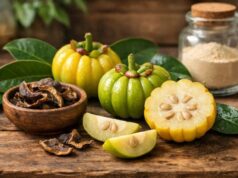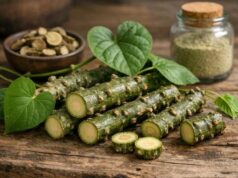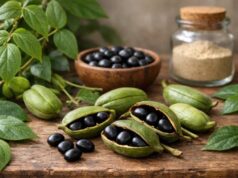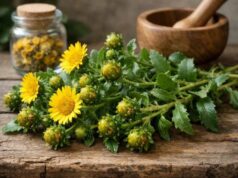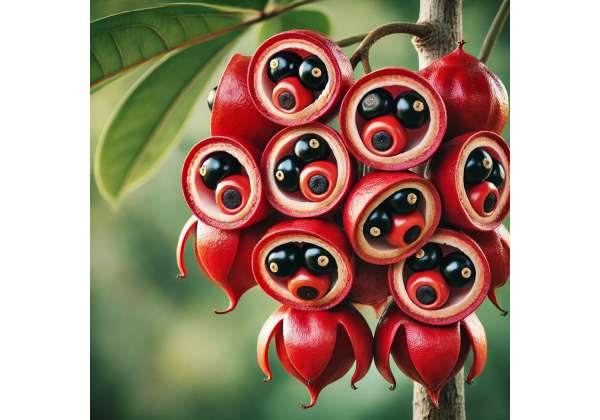
Guarana, botanically known as Paullinia cupana, is an Amazonian climbing shrub prized for its caffeine-rich seeds. Long used by Indigenous communities of Brazil as a stimulant, tonic, and travel food, it is now found worldwide in powders, capsules, sports products, and energy drinks. What makes guarana stand out is not only its high caffeine content, but also its mix of catechins, tannins, saponins, theobromine, and other polyphenols that may shape how it feels and works.
In practical terms, guarana is most often used for alertness, mental energy, reduced fatigue, and pre-workout stimulation. It has also attracted interest for appetite control, metabolic health, and antioxidant protection. Yet it is not a miracle herb, and it is not automatically gentler than coffee just because it is plant-based. Much depends on dose, timing, extract quality, and your total daily caffeine exposure. The most useful way to approach guarana is with clear expectations: know what is proven, what is only promising, how to use it sensibly, and where the risks begin.
Key Facts
- Guarana may modestly improve alertness, reaction time, and perceived mental energy, especially in low to moderate doses.
- Its main active compounds include caffeine, catechins, epicatechins, proanthocyanidins, and small amounts of other methylxanthines.
- A practical starting range is often 75 to 200 mg of guarana extract per dose, but the more important number is the caffeine it delivers.
- Many products hide their true stimulant load, so total caffeine from all sources should stay within safe personal limits.
- Avoid unsupervised use if you are pregnant, highly caffeine-sensitive, prone to panic or insomnia, or managing arrhythmias or uncontrolled blood pressure.
Table of Contents
- What is Guarana
- Key ingredients and actions
- Benefits and realistic uses
- How to use guarana
- How much per day
- Side effects and interactions
- What the evidence says
What is Guarana
Guarana is a woody vine native to the Amazon basin, especially Brazil, where its seeds have been used for centuries as a stimulant and restorative plant. The medicinal part is the seed, not the fruit pulp. Once processed, the seeds are dried, roasted, or ground into powder, then used in drinks, tablets, capsules, pastes, or concentrated extracts. Traditional Amazonian use often involved shaping the seed paste into sticks or cakes that could be grated into water when energy or stamina was needed.
The plant’s fame comes from its unusually high natural caffeine content. Guarana seeds are among the most caffeine-dense commonly used botanical materials, which is why the herb became popular far beyond its native range. Today, it appears in energy drinks, “focus” formulas, sports supplements, weight-loss blends, and stimulant stacks marketed for productivity or exercise. That commercial success has also created confusion. Many people think of guarana as if it were a separate kind of energy from caffeine, when in reality much of its effect still depends on caffeine exposure.
That said, guarana is not just caffeine in plant form. Its seeds also contain tannins, catechins, epicatechins, proanthocyanidins, saponins, and minor methylxanthines such as theobromine and theophylline. These may help explain why some studies and users report a smoother or slightly different effect compared with ordinary caffeine alone, although the extent of that difference is still debated.
Another helpful distinction is between guarana as a seed extract and guarana as a beverage ingredient. In supplements, the concern is stimulant intensity and total caffeine. In commercial beverages, the concern is usually mixed exposure: caffeine plus sugar, flavorings, and other stimulants. That difference matters. A measured guarana capsule is not the same thing as a large can of energy drink containing guarana alongside multiple other active ingredients.
In everyday terms, guarana is best understood as a stimulant herb whose main modern use is mental and physical energy support. Unlike coffee arabica preparations, which are primarily brewed drinks with relatively familiar serving sizes, guarana often appears in more variable formats, making label-reading and dose awareness much more important.
Its traditional reputation is broad, but its modern identity is focused. Guarana is mostly about wakefulness, attention, perceived energy, and fatigue resistance. Everything else should be seen as secondary until the evidence becomes much stronger.
Key ingredients and actions
Guarana’s pharmacology starts with caffeine, but it does not end there. The seed contains a concentrated mix of methylxanthines and polyphenols that likely shape both its benefits and its tolerability. The major named constituents include caffeine, theobromine, theophylline, catechin, epicatechin, proanthocyanidins, tannins, and saponins. Some analyses also describe smaller amounts of starch, fiber, lipids, and trace minerals, but these are not the main drivers of the herb’s effects.
Caffeine is the primary active compound and the most predictable reason guarana works. It blocks adenosine receptors in the brain, reducing the sense of sleep pressure and increasing alertness, vigilance, and perceived energy. It can also improve reaction time, reduce perceived effort during exercise, and sometimes lift mood in people who tolerate stimulants well. Because guarana extracts vary widely, the same number of milligrams of “guarana” can produce very different caffeine exposure from one product to another.
Theobromine and theophylline are present in smaller amounts. They are also methylxanthines, but they do not dominate the experience the way caffeine does. Instead, they may slightly broaden the stimulant profile, influencing smooth muscle tone, bronchodilation, or subjective feel, though their role in ordinary guarana use is probably modest.
The polyphenol side of guarana is often overlooked. Catechins, epicatechins, and proanthocyanidins contribute antioxidant capacity and may influence vascular function, inflammation, and cellular signaling. This matters because it helps explain why guarana is discussed not only for stimulation but also for oxidative stress, metabolic health, and tissue protection in experimental models. Like green tea, guarana combines caffeine with polyphenols, although the balance is different and the final effect is usually more overtly stimulating.
Tannins add astringency and may slow absorption in ways that alter how the extract feels, though this depends on preparation. Saponins are less famous than caffeine, but they are part of the broader phytochemical profile that may contribute to the herb’s non-caffeine actions.
From a practical standpoint, guarana’s main actions can be summarized as follows:
- Central nervous system stimulation through caffeine
- Short-term support for alertness, attention, and reaction time
- Possible mild support for mood and perceived mental energy
- Antioxidant and anti-inflammatory activity in preclinical research
- Potential thermogenic and appetite-related effects, though these are less consistent
This combination explains why guarana sits in a complicated place. It is more than a simple stimulant, but its most reliable real-world outcome is still stimulation. The polyphenols make it interesting. The caffeine makes it effective. The variability between extracts is what makes it harder to standardize than many consumers assume.
Benefits and realistic uses
The most realistic health benefits of guarana are mental alertness, reduced subjective fatigue, and modest support for cognitive speed. These effects are not dramatic in everyone, but they are the most consistent human outcomes. Claims about weight loss, major performance enhancement, or disease treatment deserve much more caution.
Cognitive support is guarana’s strongest lane. Human studies suggest that acute guarana intake may slightly improve response time, vigilance, and certain aspects of attention. Some trials also report better secondary memory performance or improved mood ratings. These effects can show up at relatively low doses, and not all appear to be explained by caffeine alone. Even so, the overall size of benefit is usually small. Guarana is better understood as a mild performance aid than as a nootropic breakthrough.
Mental fatigue is another common use. Many people take guarana during long work sessions, travel, or periods of low motivation. This makes sense given its stimulant profile. In controlled settings, some studies have found less fatigue during prolonged task performance. But practical results depend heavily on sleep quality, caffeine tolerance, food intake, and timing. Guarana can help you feel sharper, but it cannot fully rescue chronic sleep debt.
Exercise-related use is plausible but mixed. Guarana may reduce perceived exertion, support pre-workout energy, or help concentration under fatigue. Yet when the effect is isolated carefully, it often resembles what one would expect from caffeine itself. That does not make it useless, but it means the herb should not be oversold as uniquely ergogenic.
Weight management claims are even more fragile. Guarana is often marketed for fat burning or appetite suppression, but much of that reputation comes from mixed-ingredient products or theoretical thermogenesis. It may slightly support energy expenditure or appetite control in some contexts, especially when paired with diet and exercise, but it is not a dependable stand-alone weight-loss tool.
Cancer-related fatigue is an especially important area to frame honestly. Some small trials suggested benefit, particularly in breast cancer settings, but systematic review data remain mixed and low certainty overall. Guarana should not be presented as a proven therapy for cancer fatigue.
The most credible real-world uses are:
- Short-term alertness support
- Mental energy during demanding cognitive work
- Modest reaction-time support
- Pre-workout stimulation in caffeine-tolerant users
- Alternative stimulant option for people who dislike coffee
That final point matters. Some people compare guarana with ginseng-based energy support, but the two are not equivalent. Ginseng is usually framed as adaptogenic and less immediately stimulating. Guarana is faster, narrower, and more caffeine-driven.
The best way to describe guarana’s benefit profile is simple: it can help you feel more awake and mentally engaged for a period of time, but the effect is not magical, and the trade-offs increase as the dose rises.
How to use guarana
How you use guarana should depend on your goal, your caffeine tolerance, and the form of the product. The most common modern formats are capsules, tablets, powders, liquid extracts, and beverages. Traditional preparations exist too, but most readers today will encounter guarana in supplements or energy products rather than as freshly prepared seed paste.
Capsules and tablets are usually the easiest form to dose, provided the label lists either the caffeine amount or a standardized extract. Powders are more flexible but also easier to overuse, especially when the scoop size is large or the powder is stacked with other stimulants. Liquid extracts may absorb quickly and can feel strong at smaller volumes. Energy drinks are the least precise option because they often add sugar, flavorings, and multiple stimulants, making it hard to judge how much of the effect comes from guarana itself.
A practical way to use guarana is to think in terms of purpose:
- For morning alertness, take a low to moderate dose early in the day.
- For pre-workout use, take it 30 to 60 minutes before exercise, while counting all other caffeine sources.
- For study or desk work, keep the dose modest enough that focus improves without tipping into jitters.
Timing matters as much as the amount. Because caffeine can linger for several hours, late-afternoon or evening use commonly disrupts sleep. That is one of the biggest mistakes people make with guarana. They use it to push through fatigue, then sleep worse, then need more stimulants the next day.
Food can also change the experience. Taking guarana on an empty stomach may feel sharper and faster, but it can also increase nausea, shakiness, or palpitations in sensitive users. Taking it with a meal or snack often produces a gentler rise.
The form matters too. A standardized capsule delivering known caffeine is very different from a large “natural energy” beverage with guarana, sugar, and extra caffeine from other sources. If you prefer a more traditional sipping style for caffeinated botanicals, mate beverage traditions offer a helpful comparison in how serving style changes total stimulant exposure.
Some practical rules make guarana safer and more useful:
- Choose products that disclose caffeine content
- Start with the smallest effective amount
- Avoid combining it with multiple other stimulants at first
- Keep most use to the morning or early afternoon
- Reassess if it starts replacing sleep, meals, or recovery
Guarana works best as a measured tool, not as an all-day background stimulant. Once people start chasing the feeling, the benefit usually falls while side effects rise. Used intentionally, it can be helpful. Used casually in layered stimulant stacks, it often becomes much harder to control.
How much per day
Guarana dosage is tricky because the gram amount of the herb is not the same thing as the caffeine dose it delivers. That is the single most important point. Two guarana products may both say “500 mg” on the label and still behave very differently if one is weak seed powder and the other is a concentrated extract.
In human cognitive studies, acute doses have ranged from about 37.5 mg to 500 mg of guarana extract, with reported caffeine delivery ranging roughly from 4 mg to about 100 mg. More recent experimental work has also used 500 mg of guarana providing around 130 mg caffeine. This wide spread is why product standardization matters more than brand language.
For most healthy adults trying guarana for the first time, a reasonable practical starting point is a product that provides roughly 20 to 80 mg caffeine from guarana, often corresponding to about 75 to 200 mg extract depending on standardization. Some people tolerate more, but higher is not automatically better. In several human studies, lower doses performed as well as or better than larger ones for some cognitive outcomes.
A useful dosing framework looks like this:
- First trial: low dose in the morning
- Working range: enough to notice alertness without nervousness
- Upper limit: governed more by total daily caffeine than by guarana milligrams alone
That last rule matters most. For most healthy adults, keeping total daily caffeine from all sources at or below about 400 mg is a widely used safety reference. That total includes coffee, tea, cola, pre-workouts, energy drinks, chocolate, and medications. If guarana is just one part of a stimulant-heavy day, the true dose may be much higher than you think.
Timing also affects dose quality. The same amount taken at 8 a.m. and at 4 p.m. may feel completely different, especially if sleep is already fragile. Many people do best by setting a caffeine cutoff several hours before bedtime.
Common variables that change the “right” guarana dose include:
- Your body size
- Baseline caffeine tolerance
- Whether you take it with food
- Whether the product is standardized
- Whether it is combined with other stimulants
- Your sleep quality and stress load
There is no universally established long-term medicinal dose for guarana as an herb. That is another reason to stay conservative. If you want a smoother daily stimulant routine, something like green tea intake patterns may be easier to manage because serving sizes are more familiar and the stimulant effect is often gentler.
The smartest dosage rule is not “take the most you can tolerate.” It is “take the least that clearly helps.” That is where guarana tends to stay useful instead of becoming disruptive.
Side effects and interactions
Guarana’s side effects are mostly caffeine-related, but that does not make them trivial. The herb can feel helpful at the right dose and distinctly unpleasant once the dose, timing, or product mix is wrong. People often blame “stress” or “poor sleep” for symptoms that are actually the result of a stimulant load that has quietly become too high.
The most common side effects include jitteriness, anxiety, restlessness, insomnia, faster heart rate, stomach upset, tremor, headache, and irritability. Some people also notice reflux, loose stools, sweating, or a sharp crash once the effect wears off. These reactions are much more likely when guarana is combined with coffee, energy drinks, nicotine, stimulant medications, or intense fasting.
Cardiovascular sensitivity deserves special attention. Guarana can raise heart rate and, in some people, blood pressure. That may be mild in healthy users, but it is a different story for people with arrhythmias, panic symptoms, poorly controlled hypertension, or a history of stimulant intolerance. “Natural” does not cancel out the physiologic effect of caffeine.
Sleep disruption is another major issue. Even when users think they tolerate guarana well, late-day use can reduce sleep depth or delay sleep onset enough to affect next-day recovery. This creates a feedback loop: less sleep leads to more stimulant use, which leads to less sleep again.
Medication interactions are also relevant. Guarana may interact with:
- Other caffeine sources and stimulant products
- Decongestants and some pre-workout formulas
- Certain ADHD medications
- Some antidepressants or psychiatric medications in sensitive users
- Drugs affected by changes in heart rate, blood pressure, or sleep quality
People who should be especially cautious or avoid unsupervised use include:
- Pregnant or breastfeeding people
- Children and teenagers using stimulant products
- People with arrhythmias or uncontrolled high blood pressure
- People with panic disorder, significant anxiety, or chronic insomnia
- People with seizure vulnerability
- Anyone already using several sources of caffeine
Another overlooked issue is product stacking. A supplement may contain guarana plus caffeine anhydrous, green tea extract, synephrine, yohimbine, or other stimulants. In that situation, “guarana” on the label tells you very little about the real stimulant burden. Readers who like plant-based energy products sometimes compare guarana with guayusa-style energy support, but the same rule applies there too: the total stimulant exposure matters more than the marketing language.
The safest view is to treat guarana as a caffeine-delivery herb with meaningful upside and very predictable downside when overused. Side effects are not mysterious. They are usually a sign that the dose, timing, or product combination needs to change.
What the evidence says
The evidence for guarana is strongest in short-term cognitive and fatigue-related outcomes, but even there the effect size is modest. Human trials and meta-analyses suggest that acute guarana ingestion may slightly improve response time and certain attention-related measures, while effects on accuracy, memory, and mood are more variable. That is a respectable evidence base, but not a dramatic one.
One of the most interesting research questions is whether guarana works only because of caffeine or whether its polyphenols and other constituents add something unique. Some small studies suggest that lower doses of guarana can produce cognitive effects that seem larger than expected from their caffeine content alone. That possibility is important, but it is not fully settled. Product quality, study design, and task selection all influence the results.
Fatigue research is more mixed. A few trials in cancer-related fatigue have been encouraging, especially in narrow settings, but systematic review data do not yet support strong conclusions. Some analyses find no clear advantage over placebo, while others suggest promise but note serious limitations in sample size, consistency, and dosage. The fair summary is that guarana remains experimental in this area.
The evidence for weight loss and metabolic disease is even less secure in humans. Animal and mechanistic studies suggest possible roles in adipogenesis, inflammation, mitochondrial activity, and metabolic signaling, but those findings do not automatically translate into useful clinical outcomes. The same goes for antioxidant, anti-inflammatory, and anticancer claims. Preclinical data are abundant. Human proof is not.
A balanced evidence ranking looks like this:
- Best supported: acute alertness and small improvements in response time
- Reasonably plausible: reduced perceived fatigue and improved mental energy
- Mixed or low-certainty: cancer-related fatigue support
- Preliminary: weight control, lipid changes, and broader metabolic benefits
- Not established: treatment of chronic disease or major performance enhancement
This matters because guarana is often marketed as though every laboratory finding already applies to daily human use. It does not. The herb deserves more respect than dismissal, but also more restraint than hype.
The strongest practical conclusion is that guarana can be useful as a measured stimulant for short-term mental performance, especially in people who know their caffeine tolerance. It becomes less convincing the further the claim moves from alertness toward disease treatment. That does not diminish the plant. It clarifies its real value.
In the end, guarana is probably best viewed as a high-caffeine botanical with a potentially interesting polyphenol profile, not as a broad-spectrum cure. That narrower, more honest framing makes it much easier to use well.
References
- Effect of Guarana (Paullinia cupana) on Cognitive Performance: A Systematic Review and Meta-Analysis – PMC 2023 (Systematic Review and Meta-Analysis) ([PMC][1])
- Effects of Acute Guarana (Paullinia cupana) Ingestion on Mental Performance and Vagal Modulation Compared to a Low Dose of Caffeine – PMC 2024 (Randomized Crossover Trial) ([PMC][2])
- The use of guarana (Paullinia cupana) as a dietary supplement for fatigue in cancer patients: a systematic review with a meta-analysis – PubMed 2021 (Systematic Review and Meta-Analysis) ([PubMed][3])
- Spilling the Beans: How Much Caffeine is Too Much? | FDA 2024 (Official Safety Guidance) ([U.S. Food and Drug Administration][4])
- Safety of Guarana Seed as a Dietary Ingredient: A Review – PubMed 2019 (Safety Review) ([PubMed][5])
Disclaimer
This article is for educational purposes only and is not medical advice. Guarana is a stimulant herb, and its effects depend heavily on caffeine content, total daily exposure, product formulation, and individual sensitivity. It should not replace medical evaluation for severe fatigue, sleep disorders, chest symptoms, significant anxiety, or unexplained changes in weight or performance. People who are pregnant, breastfeeding, using stimulant medications, or living with cardiovascular or psychiatric conditions should seek professional guidance before using guarana supplements.
If this article helped you, please share it on Facebook, X, or your preferred platform.