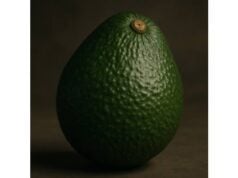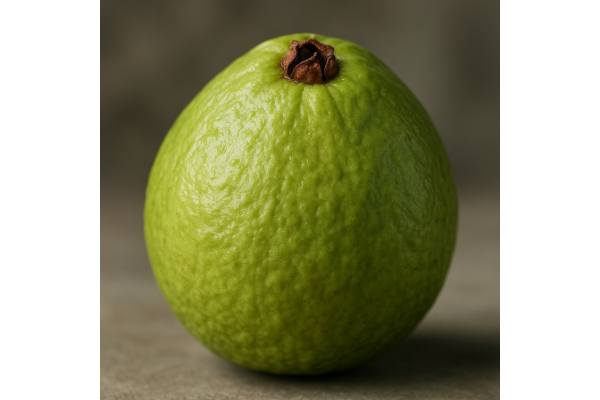
Guava is a humble tropical fruit with impressive range. Crisp or melting-soft depending on variety and ripeness, it delivers a sweet–floral flavor with hints of pear and strawberry. Under its thin, edible skin you will find one of the densest vitamin C packages in the produce aisle, plus fiber, potassium, folate, and small amounts of beneficial plant pigments such as carotenoids and flavonols. Guava performs in both savory and sweet kitchens—diced into salsa, blended into smoothies, baked into pastries, or eaten as-is for a fast, nutrient-forward snack. It is also convenient: you can eat the skin, the seeds are edible (though firm), and ripe fruit holds well in the fridge for several days. This guide walks you through guava’s nutrition profile, evidence-based benefits, risks and interactions, smart shopping and storage, and practical prep tips that preserve nutrients. It ends with sensible portion guidance and quick answers to common questions so you can use guava confidently, whether you are building more plant diversity into your week or looking for a high–vitamin C fruit beyond citrus.
Top Highlights
- Naturally high in vitamin C (≈200–250 mg per 100 g) and fiber (≈5–6 g per 100 g).
- Potential cardiometabolic support when guava replaces refined snacks; best evidence for fruit, not supplements.
- Typical serving: 1 cup sliced (≈165 g) or 1 medium fruit (≈120 g), enjoyed 3–7 times per week.
- Safety: whole fruit is generally well tolerated; people using blood sugar–lowering drugs should be cautious with guava leaf products.
- Avoid or limit if you have trouble with high-fiber foods or a history of oxalate kidney stones and consume very high vitamin C intakes.
Table of Contents
- Guava detailed overview
- Nutrition profile
- Evidence-based health benefits
- Risks, allergies and interactions
- Selecting, quality, sustainability and storage
- Preparation, cooking and nutrient retention
- Portions, comparisons and FAQs
Guava detailed overview
Guava (Psidium guajava) is a tropical and subtropical fruit in the myrtle family. The two most common market types are “white” guava (creamy or pale-yellow flesh; aromatically floral, mildly sweet) and “pink” or “red” guava (rose-colored flesh; sweeter with berry notes and richer in carotenoids such as lycopene). A third, smaller species—strawberry guava (Psidium cattleianum)—has deep red skin and a tangy, perfumed flavor. While all are edible fresh, each has a natural culinary lane: white guava holds its shape for salads and pickles; pink guava excels in juices, purées, ice creams, and jams.
Botanically, guava trees are hardy, drought-tolerant, and prolific. Fruit ranges from ping-pong– to fist-sized, with thin skin, firm edible seeds, and a central cavity. Ripe guava yields slightly under gentle pressure and smells intensely fruity. Because the skin is delicate, guava can look scuffed even when the flesh is perfect—judge by aroma and slight softness rather than cosmetics alone.
From a nutrition standpoint, guava stands out for vitamin C density—often exceeding citrus on a gram-for-gram basis—plus meaningful fiber, potassium, and folate. The fiber mix includes insoluble fiber (supporting regularity) and pectin (a soluble fiber that helps form jams and may contribute to satiety). Pink guava adds carotenoids (notably lycopene), while all varieties provide small amounts of vitamin A (as retinol activity equivalents), vitamin E, vitamin K, and B vitamins.
In food culture, guava is versatile. In South Asia and Latin America it is eaten with chili and salt; in Southeast Asia it is served with plum powder; in the Caribbean it anchors pastries and pastes. At home, guava works for quick snacks, breakfast bowls, tangy salsas for grilled fish or tofu, and blender sauces that brighten grain bowls. It can replace higher-sugar desserts while delivering comparable satisfaction due to aroma and texture.
For health, the strongest everyday use case is simple: swap an afternoon pastry or sweetened beverage for a fresh guava or guava–yogurt bowl. You will gain fiber and vitamin C without added sugars, and the juicy texture satisfies. Keep in mind that the best evidence supports whole fruit as part of an overall prudent diet. Guava leaf teas and extracts are popular, but they are not nutritional equivalents of the fruit and may interact with medications—details appear in the safety section.
Nutrition profile
Below are representative values for raw common guava per 100 g edible portion. Amounts vary by variety and ripeness.
Macros and electrolytes (per 100 g)
| Nutrient (per 100 g) | Amount | %DV* |
|---|---|---|
| Energy | 68 kcal | — |
| Water | 80.8 g | — |
| Carbohydrate | 14.3 g | 5% |
| Dietary fiber | 5.4 g | 19% |
| Total sugars | 8.9 g | — |
| Protein | 2.6 g | 5% |
| Total fat | 0.9 g | 1% |
| Saturated fat | 0.2 g | 1% |
| Sodium | 2 mg | 0% |
| Potassium | 417 mg | 9% |
Vitamins (per 100 g)
| Vitamin | Amount | %DV |
|---|---|---|
| Vitamin C (ascorbic acid) | 228 mg | 253% |
| Folate (DFE) | 49 µg | 12% |
| Vitamin A (RAE) | 31 µg | 3% |
| Vitamin B6 (pyridoxine) | 0.11 mg | 6% |
| Thiamin (B1) | 0.067 mg | 6% |
| Riboflavin (B2) | 0.040 mg | 3% |
| Niacin (B3) | 1.08 mg | 7% |
| Vitamin E (alpha-tocopherol) | 0.73 mg | 5% |
| Vitamin K (phylloquinone) | 2.6 µg | 2% |
Minerals (per 100 g)
| Mineral | Amount | %DV |
|---|---|---|
| Calcium | 18 mg | 1% |
| Iron | 0.26 mg | 1% |
| Magnesium | 22 mg | 5% |
| Phosphorus | 40 mg | 3% |
| Zinc | 0.23 mg | 2% |
| Copper | 0.23 mg | 26% |
| Manganese | 0.15 mg | 7% |
| Selenium | 0.6 µg | 1% |
Fats and fatty acids (per 100 g)
| Fatty Acids | Amount | Notes |
|---|---|---|
| Total monounsaturated | ≈0.1 g | Minor |
| Total polyunsaturated | ≈0.3 g | Minor |
| Cholesterol | 0 mg | Plant food |
Carbohydrates detail (per 100 g)
| Component | Amount | Notes |
|---|---|---|
| Total sugars | 8.9 g | Mix of glucose, fructose, sucrose |
| Starch | ≈0.1 g | Very low |
| Soluble fiber (pectin) | Present | Supports gel formation in jams |
Bioactives / phytonutrients
- Carotenoids: lycopene (especially pink/red guava), beta-carotene.
- Flavonols: quercetin, kaempferol, myricetin (mostly in peel/leaf).
- Phenolic acids: gallic acid and related compounds (varies by variety).
- Terpenes: contribute to aroma and potential antioxidant activity.
Glycemic and acid–base metrics
- Fresh guava is generally a low–to–moderate glycemic index fruit.
- Approximate glycemic load per 100 g is modest; whole fruit has substantially lower glycemic impact than juices or sweetened purées.
- Ripeness raises sugar content and may nudge glycemic responses upward.
*%DV calculations use current U.S. Daily Values: carbohydrate 275 g, fiber 28 g, protein 50 g, total fat 78 g, saturated fat 20 g, sodium 2300 mg, potassium 4700 mg, vitamin C 90 mg, folate 400 µg DFE, vitamin A 900 µg RAE, vitamin E 15 mg, vitamin K 120 µg, B1 1.2 mg, B2 1.3 mg, B3 16 mg, B6 1.7 mg, calcium 1300 mg, iron 18 mg, magnesium 420 mg, phosphorus 1250 mg, zinc 11 mg, copper 0.9 mg, manganese 2.3 mg, selenium 55 µg.
Evidence-based health benefits
1) Immune support and collagen formation
Guava’s standout vitamin C level supports normal immune function, collagen synthesis for skin and connective tissues, and enhanced nonheme iron absorption from plant foods. Unlike megadoses of supplements, vitamin C from fruit is absorbed along with fiber, water, and other micronutrients, which may be easier on the stomach and more compatible with daily eating patterns. Eating 1 cup of guava can supply roughly 180–375 mg of vitamin C, exceeding the daily recommended amount for most adults.
2) Digestive health and satiety
At about 5–6 g of fiber per 100 g, guava ranks among the highest-fiber fruits. A single cup of slices can deliver around 8–9 g—about one-third of a day’s target—supporting stool bulk and regularity. Pectin, the soluble fraction, forms gentle gels that may help with post-meal fullness. As with any high-fiber fruit, gradual increases and adequate fluids are key to comfort.
3) Cardiometabolic support when part of a prudent diet
Replacing refined snacks with guava can reduce dietary sodium and added sugar while providing potassium and fiber—two nutrients helpful for blood pressure and cardiometabolic health. Small clinical trials using guava fruit have reported favorable shifts in blood lipids and blood pressure. While study designs vary, the most practical, evidence-aligned approach is dietary substitution: pair guava with protein (yogurt, tofu, nuts) and whole grains to create satisfying, lower–glycemic load meals.
4) Antioxidant pigments, especially in pink guava
Pink/red-fleshed guava naturally contains lycopene, a carotenoid also found in tomatoes. Lycopene contributes to the fruit’s color and overall antioxidant capacity. Though whole-diet patterns matter most, regularly eating a variety of carotenoid-rich produce—including pink guava—adds to a broader nutrient spectrum.
5) Gentle support during illness recovery and iron absorption
Because guava is soft, moist, and vitamin C–dense, it is a practical choice for days when appetite is low. Combined with iron sources (legumes, leafy greens, fortified grains), guava’s vitamin C can enhance iron absorption in meals, which is relevant for those with higher iron needs.
What the evidence does not show
Guava leaf teas and extracts are marketed for blood sugar and digestive support. Some studies report interesting effects, but doses, preparations, and quality vary widely. These products do not substitute for the fruit itself, and people taking antidiabetic or anticoagulant medications should seek medical advice before using concentrated guava preparations.
Practical takeaway
Eat the fruit regularly as part of a diverse plant-forward pattern. Aim for 1 cup of sliced guava or 1 medium fruit most days you want a vitamin C “boost,” and pair with protein or fat for steady energy.
Risks, allergies and interactions
Allergies and intolerance
True guava allergy is uncommon, but any fruit can trigger reactions in sensitized individuals. The peel and seeds contain most of the aromatic compounds; if you are sensitive to strongly perfumed fruits, start with a small portion and consider peeling. High fiber can cause gas or cramping if you suddenly increase intake—add guava gradually and drink water.
Seeds and texture
Guava’s small, hard seeds are edible but firm. They can be a choking risk for young children and may be uncomfortable for people with dental issues. For toddlers and for anyone who dislikes the crunch, blend and strain the pulp for a smooth purée, or slice around the seed core.
Blood sugar, medication, and supplement cautions
Whole guava fruit has a modest glycemic impact, especially when paired with protein and fat. Guava leaf teas and extracts, however, may amplify the effects of diabetes medications and could lower blood sugar further. If you use insulin or oral hypoglycemics, introduce leaf products only with healthcare guidance. There are no well-documented interactions between whole guava fruit and common cardiovascular medications, but always follow your clinician’s advice.
Kidney stone history
Very high vitamin C intakes from supplements can raise urinary oxalate in some people. Whole-food vitamin C from guava is generally safe, but if you have a history of calcium oxalate kidney stones and routinely consume high-dose vitamin C supplements, discuss overall vitamin C load with your clinician.
Food safety and residues
As with all fresh produce, wash guava under running water before cutting. Avoid fruit with broken skin if you will eat it raw. If pesticide residues are a concern, buy from trusted growers or choose fruit you can peel (though peeling removes some fiber and phytonutrients).
Who should limit or avoid
- Individuals with known fruit allergies or oral allergy syndrome triggered by similar fruits.
- People who experience digestive discomfort with high-fiber foods—start with ½ cup portions.
- Those taking blood sugar–lowering medications if considering guava leaf preparations (fruit is usually fine).
Selecting, quality, sustainability and storage
How to choose
- Look: Skin may be green to golden-yellow; blush or light freckling is fine. Minor surface scuffs are common and do not predict interior quality.
- Touch: Ripe guava yields slightly to gentle pressure at the stem end; underripe fruit is very firm.
- Smell: A fragrant, floral aroma signals ripeness; a fermented smell indicates overripe.
- Color cues: Pink/red varieties will not reveal interior color at a glance—ask the seller or check signage.
Ripening and storage
- To ripen: Leave at room temperature 1–3 days. A paper bag with a banana or apple speeds ripening.
- Once ripe: Refrigerate whole fruit in a breathable bag and use within 3–4 days for best texture and vitamin C.
- Cut fruit: Store airtight in the refrigerator and eat within 24–48 hours.
- Freezing: For smoothies or desserts, freeze seeded slices or purée in portions. Use within 8–12 months.
- Canning/jam: Heat processing creates beloved guava pastes and jams but reduces vitamin C; the fiber remains useful.
Sustainability notes
Guava trees are relatively drought tolerant and productive, often requiring fewer inputs than more fragile tropical fruits. Buying in-season, locally grown (where available), or from farms with responsible water and soil practices can lower footprint. Strawberry guava can be invasive in certain ecosystems; sourcing common guava from responsible growers avoids contributing to invasive spread.
Variety guide
- White guava: Pale flesh, crisp to tender, mild; great for salads, pickles, and slicing.
- Pink/red guava: Juicy, sweeter, aromatic; ideal for juices, sorbets, sauces, and baking.
- Strawberry guava: Small, tangy, perfumed; best for eating out of hand or quick preserves.
- Feijoa (pineapple guava): A related species often sold as “guava” in some markets; spoonable jelly-like interior with pineapple–spearmint notes.
Common quality issues
- Brown interior spots: Overripe or chilling injury—trim away or use for cooking.
- Very hard fruit that never softens: Harvested too immature; use for pickling or simmer into chutneys.
Preparation, cooking and nutrient retention
Basic prep steps
- Rinse the whole fruit under running water.
- Trim the blossom end if rough.
- Slice in half; scoop or slice around the seed core if you prefer seedless pieces.
- Eat with skin for maximum fiber and phytonutrients, or peel for a softer bite.
Ways to use guava
- Fresh: Slices with cottage cheese or Greek yogurt; tossed into fruit salads; on porridge or overnight oats; with lime and chili salt.
- Savory: Diced in pico de gallo; blended into a glaze for tofu, fish, or roasted vegetables; stirred into slaws for brightness.
- Sweet: Guava–lime sorbet; breakfast smoothies; baked into quick breads; layered with ricotta and honey on toast.
- Smooth sauces: Blend ripe guava with a splash of water or citrus, then sieve to remove seeds for a silky coulis.
Nutrient retention essentials
- Vitamin C is heat- and oxygen-sensitive. Minimize cut-surface time, and add fresh guava near the end of cooking or serve raw to maintain vitamin C.
- Steaming and microwaving generally preserve water-soluble nutrients better than prolonged boiling.
- Acid helps: Lime or lemon juice slows enzymatic browning and adds flavor without heat.
- Freeze smart: Freezing slightly reduces vitamin C over time but retains fiber. Freeze in airtight containers to limit oxidation.
- Pairing for absorption: Combine guava with plant iron sources (beans, lentils, spinach) to improve iron absorption at meals.
Food safety
Use a clean cutting board and knife, wash hands, and refrigerate cut fruit promptly. Discard fruit with off-odors or visible mold.
Make-ahead ideas
- Seedless guava purée: Blend, strain, and refrigerate up to 3 days or freeze in cubes.
- Guava–chia breakfast cups: Layer strained purée, plain yogurt, and cooked grains; top with nuts.
- Salsa for the week: Pink guava, red onion, jalapeño, lime, cilantro, and salt; keep refrigerated 2–3 days.
Portions, comparisons and FAQs
Recommended portions and frequency
- Everyday portion: 1 cup sliced (≈165 g) or 1 medium fruit (≈120 g).
- Weekly rhythm: Enjoy guava 3–7 times per week within your overall fruit target.
- Blood sugar balance: Pair with protein or fat (yogurt, nuts, eggs, tofu) and whole grains to steady glucose.
How guava compares to other fruits (per 100 g, typical values)
- Vitamin C: Guava (≈228 mg) often exceeds orange (≈53 mg) and kiwi (≈93 mg).
- Fiber: Guava (≈5.4 g) outpaces apple with skin (≈2.4 g).
- Potassium: Guava (≈417 mg) rivals banana (≈358 mg).
- Carotenoids: Pink guava contributes lycopene; tomatoes are another major source.
FAQs
- Is the peel edible? Yes. The skin is thin and nutrient-dense; wash well before eating. If texture is too firm, peel thinly.
- Are the seeds safe? Seeds are edible but very hard. They may pose a choking hazard for small children and can be uncomfortable for dental work—blend and strain if needed.
- Fresh fruit or juice? Choose fresh fruit most of the time for fiber and lower glycemic load. Juice and nectar concentrates remove fiber and can concentrate sugars.
- Pink vs white guava—nutrition differences? Both are rich in vitamin C and fiber. Pink guava generally contains more carotenoids (especially lycopene).
- Good for people with diabetes? In sensible portions and paired with protein/fat, whole guava can fit into carbohydrate budgets. Monitor your response and work with your care team.
- Can guava help immunity? It supplies abundant vitamin C, which supports normal immune function. Whole-diet quality and sleep, stress, and activity remain essential.
- Does cooking destroy nutrients? Heat reduces vitamin C. Add guava at the end of cooking or serve raw alongside cooked dishes to balance taste and nutrition.
- What about guava leaf tea or extracts? These are herbal products, not foods. Effects differ by preparation and dose; they can interact with medications, particularly for blood sugar.
Simple portion examples
- Quick snack: 1 medium guava with a handful of almonds.
- Breakfast: 1 cup guava over yogurt with oats and lime zest.
- Lunch: Mixed greens with grilled chicken or tofu, avocado, and guava–lime salsa.
- Dessert swap: Chilled pink guava wedges with fresh mint.
References
- Guava (Psidium guajava): A brief overview of its therapeutic and health potential 2025 (Systematic Review)
- Vitamin C – Health Professional Fact Sheet 2025 (Guideline)
- International tables of glycemic index and glycemic load values 2021: a systematic review 2021 (Systematic Review)
- USDA FoodData Central 2025
Disclaimer
This article is for general education and is not a substitute for personalized medical advice, diagnosis, or treatment. Always speak with your healthcare professional about your specific health needs, medications, and dietary choices, especially before using herbal preparations such as guava leaf products.
If you found this guide useful, please consider sharing it with friends or colleagues on Facebook, X (formerly Twitter), or any platform you prefer. Your support helps us continue producing clear, evidence-informed nutrition content.