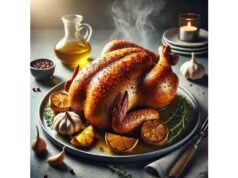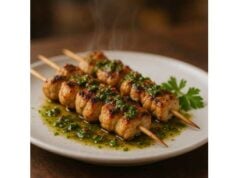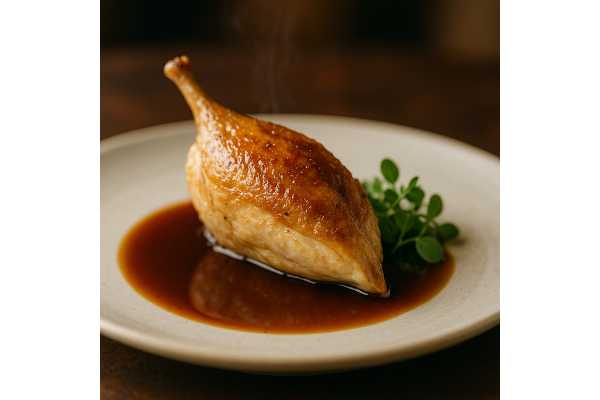
Guinea fowl has long been prized in West Africa, the Mediterranean, and France (where it is sold as “pintade”) for its delicate, slightly gamey flavor. Leaner than many other poultry and naturally nutrient-dense, it bridges the gap between chicken and pheasant: firm, flavorful meat that stays tender when cooked with care. A typical bird weighs 1.0–1.6 kg, offering a generous yield of meaty legs and smaller, quick-cooking breasts. Because guinea fowl often thrive in low-input, free-range systems, they can be a smart pick for cooks seeking both taste and sustainability. In the kitchen, the bird is versatile—roasted whole for Sunday lunch, braised with aromatics on a weeknight, or broken down for speedy seared breasts and confited legs. Nutrition-wise, it delivers high-quality protein, B-vitamins (notably niacin), and key minerals such as iron, zinc, and selenium—all with minimal carbohydrates. This guide distills the essentials: what to know about selecting and cooking guinea fowl, how its nutrition compares with chicken and duck, and the simple safety rules that keep poultry meals wholesome.
Fast Facts
- High-quality protein with modest fat per 100 g; naturally very low in carbohydrates.
- Cook thoroughly to 74 °C (165 °F) to reduce risk of foodborne illness.
- Typical portion: 85–120 g cooked (3–4 oz), enjoyed 1–2 times weekly within a varied diet.
- Individuals with poultry allergy or bird-egg syndrome should avoid or seek specialist advice.
Table of Contents
- Guinea fowl: detailed overview
- Guinea fowl nutrition profile
- Guinea fowl health benefits
- Guinea fowl risks, allergies and interactions
- Selecting guinea fowl: quality, sustainability and storage
- Preparation, cooking and nutrient retention
- Guinea fowl portions, comparisons and FAQs
Guinea fowl: detailed overview
Guinea fowl (Numida meleagris) is a hardy, free-foraging bird originally from sub-Saharan Africa and now raised worldwide. Culinary traditions span peppery West African stews to rosemary-and-garlic roasts in Italy and France. On the plate, expect a mild, clean savor with a subtle wild note—richer than chicken, less fatty than duck. Breasts are compact and cook quickly; legs are meaty and benefit from slower, moist heat or confit. Skin is thin and crisps beautifully when dried and roasted.
What sets it apart from other poultry
- Flavor and texture: Slightly gamey, firm yet tender when not overcooked.
- Leanness: Typically lower fat than duck and many cuts of goose, with a protein-forward macro profile.
- Cuts and formats: Whole birds (often 1.0–1.6 kg), semi-boned, spatchcocked for even roasting, or parted into breasts, thighs, and drumsticks.
- Versatility: Suits dry-heat roasting, pan-searing, grilling, braising, and confit. Its subtle flavor pairs well with woodland herbs (sage, thyme), citrus, olives, prunes, and mushrooms.
Sourcing and availability
Commercially, you will find farmed helmeted guinea fowl. In some regions, wild birds may be available seasonally. Farmed birds offer consistent size and tenderness; wild birds can be leaner and benefit from brining or barding (wrapping with fat). Labeling may reference breed or farming standard (e.g., slow-grown or free-range), which hints at texture and flavor nuances.
Sustainability notes
Guinea fowl thrive on forage and agricultural by-products, often with fewer inputs than conventional broilers. Many flocks range in orchards or vineyards, where they control insects and weeds—a form of integrated pest management. Lower reliance on medicated feeds and compatibility with mixed farming can reduce environmental footprint, though impacts vary by producer, feed, and transport.
Culinary quick uses
- Weeknight: pan-sear breasts, finish in the oven with a splash of stock and mustard.
- Weekend: roast a spatchcocked bird over root vegetables.
- Make-ahead: cure and confit legs for fall-apart meat that reheats crisply under a grill.
- Stocks and sauces: carcasses yield a fragrant, light stock for risotto or pan sauces.
Common mistakes to avoid
Overcooking breasts (they are small and can dry), skipping a brief dry-brine (salt + time), and roasting whole without trussing or spatchcocking (uneven cooking) are frequent pitfalls. A thermometer prevents guesswork and protects juiciness.
Guinea fowl nutrition profile
Below are representative values per 100 g for two common forms: meat only, raw (skinless) and meat and skin, raw. Nutrients are rounded for clarity; %DV uses U.S. labeling DVs (Protein 50 g; Total fat 78 g; Saturated fat 20 g; Sodium 2,300 mg; Potassium 4,700 mg; Calcium 1,300 mg; Iron 18 mg; Magnesium 420 mg; Zinc 11 mg; Selenium 55 µg; Vitamin A 900 µg RAE; Vitamin C 90 mg; Niacin 16 mg; Vitamin B6 1.7 mg; Vitamin B12 2.4 µg).
Macros and electrolytes (per 100 g)
| Nutrient | Meat only, raw | %DV | Meat and skin, raw | %DV |
|---|---|---|---|---|
| Energy (kcal) | 110 | — | 152 | — |
| Protein (g) | 20.6 | 41% | 23.4 | 47% |
| Total fat (g) | 2.5 | 3% | 6.5 | 8% |
| Saturated fat (g) | 0.6 | 3% | — | — |
| Carbohydrate (g) | 0.0 | 0% | 0.0 | 0% |
| Sodium (mg) | 69 | 3% | 67 | 3% |
| Potassium (mg) | 220 | 5% | 193 | 4% |
| Water (g) | ~76 | — | ~69 | — |
Vitamins (per 100 g)
| Vitamin | Meat only, raw | %DV | Meat and skin, raw | %DV |
|---|---|---|---|---|
| Vitamin A (µg RAE) | 12 | 1% | 28 | 3% |
| Vitamin C (mg) | 1.7 | 2% | 1.3 | 1% |
| Niacin (Vitamin B3, mg) | — | — | 7.7 | 48% |
| Vitamin B6 (mg) | — | — | 0.38 | 22% |
| Vitamin B12 (µg) | — | — | 0.34 | 14% |
Minerals (per 100 g)
| Mineral | Meat only, raw | %DV | Meat and skin, raw | %DV |
|---|---|---|---|---|
| Calcium (mg) | 11 | 1% | 11 | 1% |
| Iron (mg) | 0.77 | 4% | 0.84 | 5% |
| Magnesium (mg) | — | — | 22 | 5% |
| Phosphorus (mg) | — | — | 153 | 12% |
| Zinc (mg) | — | — | 1.13 | 10% |
| Copper (mg) | — | — | 0.043 | — |
| Selenium (µg) | — | — | 16.3 | 30% |
Fats and fatty acids
Guinea fowl is naturally low in total fat. Like other poultry, its intramuscular fat contains meaningful unsaturated fatty acids. Breast muscles typically show a higher proportion of polyunsaturates (PUFA) than legs, which tend to be richer in monounsaturates (MUFA); proportions shift with diet (e.g., legume-enriched feeds increase PUFA). Skin increases total fat and saturated fat but also improves moisture during cooking.
Glycemic and acid–base metrics
- Carbohydrate: 0 g per 100 g; intrinsic glycemic load is essentially 0.
- Acid load: Similar to other meats, guinea fowl is acid-forming (positive PRAL); pair with vegetables and legumes to balance overall dietary acid load.
Allergens and intolerance markers
Primary allergen risk is poultry meat allergy or bird-egg syndrome (cross-reactivity to avian serum albumins). No gluten is present. Histamine is low in fresh meat but can rise with poor storage or extended marination in fermented sauces.
Notes: Values vary by cut, skin, raw vs. cooked state, farming system, and the bird’s diet. Cooking concentrates most nutrients by reducing moisture. No common fortification practices apply to fresh poultry; additives appear only in processed products (e.g., injected brines).
Guinea fowl health benefits
1) High-quality protein that supports muscle and recovery
Guinea fowl supplies ~20–23 g of protein per 100 g raw, translating to ~26–30 g per 100 g cooked (moisture loss concentrates nutrients). This complete protein supports muscle maintenance, enzyme and hormone synthesis, and day-to-day tissue repair. For active individuals or older adults targeting 1.2–1.6 g/kg/day, guinea fowl offers a dense, low-carb way to meet goals without excessive fat.
2) B-vitamin and mineral support for energy metabolism and immunity
Niacin (B3) helps release energy from food and support DNA repair; B6 contributes to amino acid metabolism and neurotransmitter synthesis. Selenium and zinc participate in antioxidant defenses and immune cell function. A 100 g raw portion of meat-and-skin can supply roughly 20–50% of the daily target for B-vitamins like niacin and B6 and around 30% for selenium, depending on the cut.
3) Favorable fat profile relative to flavor
While not a high-fat bird, guinea fowl’s intramuscular fat features useful amounts of unsaturated fatty acids. Breast muscles tend to show a higher proportion of polyunsaturates, while leg muscles carry more monounsaturates. Diet manipulation (e.g., peas, faba beans, lupins) can further tilt the profile toward unsaturated fats without sacrificing sensory quality—one reason farm systems can produce birds with subtly different flavors and textures.
4) Low carbohydrate, versatile for varied dietary patterns
With essentially 0 g carbohydrate per 100 g, guinea fowl fits low-carb and gluten-free plans and provides a steady protein anchor for balanced plates—pair with fibrous vegetables, whole grains, or legumes for micronutrient breadth and satiety.
5) Satiating with culinary flexibility
Because breasts are smaller and legs meatier than in many chickens, portion control is intuitive, and cuts can be tailored to cooking time: quick-seared breasts for light dinners; slow-braised legs for comforting, protein-rich meals. Skin adds flavor and moisture; removing it after cooking trims fat intake with little loss of juiciness if you use moist heat or confit first.
Practical ways to leverage the benefits
- Build a plate with half vegetables, a quarter whole grains/legumes, and a quarter guinea fowl; add an olive-oil vinaigrette for healthy fats.
- For athletes: pair roasted guinea fowl with potatoes or rice post-workout to replenish glycogen and protein.
- For weight-management: choose skinless breast or confited leg shredded with plenty of vegetables; season boldly to avoid excess sauces.
Remember that nutrient density does not override basic safety: always cook poultry thoroughly and handle it carefully from purchase to leftovers.
Guinea fowl risks, allergies and interactions
Foodborne pathogens (primary risk)
Like all poultry, raw guinea fowl may carry Campylobacter or Salmonella. Undercooking, cross-contamination of cutting boards, and improper storage are the main culprits behind illness. The simplest prevention is also the most effective: cook to an internal temperature of 74 °C (165 °F) checked at the thickest part and keep raw juices away from ready-to-eat foods. Refrigerate promptly and reheat leftovers to steaming hot.
Allergies and cross-reactivity
- Poultry meat allergy is uncommon but documented. Symptoms can include hives, wheeze, abdominal pain, or—rarely—anaphylaxis.
- Bird-egg syndrome: individuals allergic to egg yolk or feathers (serum albumin sensitization) may react to multiple bird meats, including guinea fowl.
- If you suspect allergy, avoid consumption until reviewed by an allergist; carry an emergency plan if previously diagnosed.
Chemical and physical hazards
- Lead shot: Wild-harvested birds may contain metallic fragments; ask the supplier or visually inspect meat while trimming. Choose farmed birds if uncertain.
- Histamine/biogenic amines: Fresh meat is low; levels can rise in spoiled or mishandled products and in long-fermented marinades or sauces.
- Added sodium: Some retailers sell injected or brined birds; label terms like “enhanced” or “seasoned” mean higher sodium. If limiting sodium, buy unenhanced birds and dry-brine yourself for flavor control.
Population-specific cautions
- Pregnant people, older adults, and those with weakened immunity should be particularly careful with doneness, refrigeration, and reheating.
- Gout and hyperuricemia: Poultry meat is moderate in purines; very large portions and organ meats (e.g., liver) can raise uric acid.
- Medication considerations: No common direct drug–nutrient conflicts exist with plain poultry. If on immunosuppressants or chemotherapy, follow stricter food safety protocols advised by your care team.
What safe handling looks like
- Thaw in the refrigerator or under cold running water (never at room temperature).
- Keep a dedicated raw-poultry board and knife; sanitize with hot, soapy water after use.
- Chill leftovers within 2 hours (1 hour if ambient temperature is high); reheat to piping hot before serving.
Prepared and stored correctly, guinea fowl is a safe, wholesome protein. Most risks stem from poor handling, not from the food itself.
Selecting guinea fowl: quality, sustainability and storage
How to choose a good bird
- Appearance: Skin should be pale-to-golden with no discoloration; flesh should look moist, not slimy.
- Aroma: Clean and neutral; a sour or sulfur note signals spoilage.
- Packaging: Vacuum packs should be fully sealed without excess purge; avoid tears or swollen packs.
- Size and age: Birds between 1.0 and 1.6 kg offer a balance of tenderness and yield. “Label Rouge” or slow-grown birds (where available) tend to have firmer texture and fuller flavor.
Sustainability cues
- Production system: Free-range or pasture-access birds often forage for insects and seeds, supporting integrated farm ecosystems.
- Feed sources: Farms that use locally produced grains or legumes reduce transport impacts.
- Animal health: Hardy, lower-input flocks may require fewer interventions. Certifications vary by country; look for transparent producer information.
Storage and shelf life
- Refrigeration (raw): 0–4 °C; cook within 1–2 days of purchase.
- Freezing (raw): Wrap tightly; best quality for up to 9 months whole, 6 months in parts.
- Refrigeration (cooked): 3–4 days in shallow containers to cool quickly.
- Freezing (cooked): 2–3 months; thaw in the refrigerator and reheat to steaming hot.
- Signs of spoilage: Sticky surface, off-odors, grey or green patches, gas in packaging.
Smart shopping tips
- If roasting whole, consider a spatchcocked bird for faster, more even cooking.
- For weeknights, buy leg quarters for braising or breasts for quick sautés.
- If sodium is a concern, avoid “enhanced” birds (injected with saline)—season yourself instead.
- Ask your butcher for carcasses or necks to make stock; one bird can anchor several meals.
Zero-waste ideas
Render and strain roasting fat for future sautés. Freeze bones in a bag and simmer with onion, celery, and herbs for a light stock. Shred leftover meat into grain salads or tacos; crisp confited scraps under a hot grill and fold through greens.
Preparation, cooking and nutrient retention
Prep fundamentals
- Dry-brine (0.8–1.0% kosher salt by bird weight) for 8–24 hours, uncovered on a rack. This seasons deeply and helps retain moisture.
- Air-dry the skin in the fridge to encourage crisping.
- Truss or spatchcock for even heat; tuck wingtips.
- Aromatics that complement guinea fowl: garlic, thyme, sage, rosemary, lemon zest, juniper, cracked pepper.
Reliable cooking methods
- Roast, spatchcocked (whole): 220 °C (425 °F) for 35–45 minutes depending on size. Start skin-side up; finish when 74 °C (165 °F) in the thickest thigh. Rest 10 minutes.
- Braised legs: Brown lightly, then simmer with onions, stock, and a splash of white wine at a gentle bubble until tender (60–90 minutes).
- Pan-seared breasts: Sear skin-side down over medium-high until golden, flip, and finish in a 180 °C (350 °F) oven to 74 °C (165 °F). Rest 5 minutes to redistribute juices.
- Confit legs: Salt with thyme and garlic overnight; poach submerged in rendered fat at 95–105 °C (203–221 °F) until fork-tender, then chill in the fat. Crisp to serve.
- Grilling: Marinate in olive oil, lemon, and herbs; grill over medium-indirect heat, finishing to 74 °C (165 °F).
Moisture and tenderness strategies
- Salt first: Dry-brining improves water retention.
- Control heat: High initial heat renders and crisps skin; finish gently to target temperature.
- Add humidity: A small pan of hot water in the oven can stabilize roasting conditions.
- Fat management: If cooking skinless, bard breasts with a thin strip of pancetta or brush with oil to guard against dryness.
Maximizing nutrient retention
- Shorter cook times reduce B-vitamin losses; searing then finishing gently protects both juices and vitamins.
- Moist heat (braising, confit) preserves more soluble nutrients in the cooking liquid—serve the sauce rather than discarding it.
- Minimal trimming: Keep flavorful skin for cooking; remove before eating if reducing fat.
- Leftovers: Cool fast, store promptly, and reheat just to steaming to avoid repeated nutrient loss.
Seasoning matrix (quick pairing ideas)
- Herb-citrus: Lemon, thyme, white pepper; finish with pan juices.
- Woodland: Mushrooms, sage, garlic; splash of Marsala.
- Mediterranean: Olives, cherry tomatoes, rosemary; drizzle of fruity olive oil.
- North African-leaning: Cumin, coriander, preserved lemon; couscous and herbs.
A thermometer is your best insurance policy; it protects flavor as much as food safety.
Guinea fowl portions, comparisons and FAQs
How much is a serving?
For adults, a practical cooked portion is 85–120 g (3–4 oz)—about the size of a deck of cards to a smartphone. That typically yields 23–30 g protein, depending on cut and cooking. For a whole bird, plan 250–300 g raw weight per person when roasting (bone-in).
How often should I eat it?
Most people can enjoy guinea fowl 1–2 times per week as part of a mixed protein pattern that includes fish, legumes, and dairy or plant alternatives. If you have specific health goals (e.g., higher protein, lower saturated fat), choose skinless breasts or braised, defatted legs.
How does guinea fowl compare to other poultry?
- Chicken breast vs. guinea fowl breast: Guinea fowl is slightly smaller, with a touch more flavor and similar leanness. Protein is comparable per 100 g cooked.
- Turkey thigh vs. guinea fowl leg: Guinea fowl legs are leaner than duck legs and closer to turkey thighs in fat but with a more distinct, savory profile.
- Duck breast vs. guinea fowl breast: Duck is much fattier with a thick skin layer; guinea fowl offers a lighter, crisper finish and lower calories per serving.
Is the skin “bad” for me?
Skin boosts flavor and moisture. If you are managing saturated fat, cook with skin for protection and crispness, then remove it on the plate. You will keep juiciness while trimming fat intake.
Can I cook guinea fowl medium like duck?
No. Unlike red-meat poultry preparations sometimes served pink, all poultry—including guinea fowl—should be cooked to 74 °C (165 °F) for safety.
What are good substitutes?
For similar flavor and cooking behavior, try pheasant or game-hen for whole-bird recipes; for weeknight speed, chicken thighs or small breasts are reliable stand-ins.
Any meal-prep tips?
Roast a spatchcocked bird on Sunday. Shred the leg meat for tacos or grain bowls, slice breasts for salads or sandwiches, and simmer the carcass for stock. You can assemble three dinners from one bird with minimal extra cooking.
References
- Cook to a Safe Minimum Internal Temperature 2024 (Guideline)
- Growth performance and meat quality of meat-type guinea fowl fed different commercial diets 2021 (Systematic experimental study)
- The fatty acid profile and the quality of breast and leg muscles in female and male pearl gray guinea fowl (Numida meleagris) 2023 (Study)
- FoodData Central 2025 (Database)
Disclaimer
The information in this article is for general education and is not a substitute for personalized medical advice, diagnosis, or treatment. Always consult a qualified healthcare professional about your specific health needs, food allergies, or dietary changes, and follow local food-safety guidance when handling and cooking poultry.
If you found this guide useful, please consider sharing it with friends or on Facebook, X (formerly Twitter), or your favorite platform. Your support helps us continue creating clear, evidence-based resources.