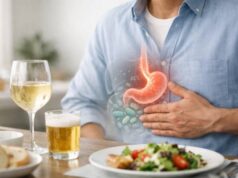
Autoimmune diseases can feel unpredictable: a few good weeks, then a flare that seems to come out of nowhere. In the past decade, researchers have taken a closer look at a possible “background influence” on immune activity—the gut microbiome. The bacteria, fungi, and other microbes living in your intestines help train immune cells, shape inflammation, and maintain the gut barrier that keeps the outside world from constantly irritating your immune system. When that ecosystem is disrupted (often called dysbiosis), the effects may ripple beyond digestion.
This does not mean gut changes cause autoimmune disease, or that a supplement can replace standard treatment. But it does mean gut-focused habits—food choices, symptom tracking, and careful use of targeted therapies—can be practical tools to support comfort and resilience, especially when symptoms overlap with conditions like Hashimoto’s thyroiditis, rheumatoid arthritis, and psoriasis.
Essential Insights
- Gut-focused changes can reduce digestive symptoms that often travel with autoimmune disease and sometimes make flares feel more manageable.
- A higher-fiber, minimally processed eating pattern supports beneficial microbial metabolites linked with calmer immune signaling.
- Probiotics and fermented foods can help some people, but they can worsen bloating or be inappropriate with significant immunosuppression.
- Stool microbiome tests are not diagnostic for autoimmune disease; symptom patterns and medical evaluation still matter most.
- Start with a 2–4 week “gut baseline” plan: consistent meals, gradual fiber increases, and structured symptom tracking.
Table of Contents
- How the gut trains immunity
- What dysbiosis looks like in autoimmunity
- Hashimoto thyroiditis and the gut thyroid axis
- Rheumatoid arthritis and the gut joint axis
- Psoriasis and the gut skin axis
- A practical gut plan you can test
How the gut trains immunity
Your gut is not just a food-processing tube. It is one of the largest immune “meeting places” in the body. Every day, the lining of your intestines decides what to absorb (nutrients, water) and what to keep out (pathogens, toxins, irritating food fragments). That lining also constantly communicates with immune cells that live just beneath it.
Three jobs your gut microbes do for your immune system
- They educate immune balance. Certain microbes and their byproducts encourage regulatory immune pathways that help prevent overreaction. Others can tilt immune signaling toward more inflammatory patterns. Think of it as a thermostat: you want the system responsive, not hair-trigger.
- They produce “metabolic messages.” When microbes ferment fiber, they create short-chain fatty acids (SCFAs) such as butyrate. These are not just gut fuels; they can influence inflammation and barrier function.
- They support the gut barrier. A healthy barrier is a physical and chemical shield—tight junctions between cells, mucus, and immune surveillance. When the barrier is stressed, more immune stimulation can occur.
Why autoimmune disease often overlaps with digestive symptoms
People with autoimmune conditions frequently report bloating, constipation, diarrhea, reflux, nausea, or abdominal discomfort. Sometimes this is from the disease itself, sometimes from medications (for example, NSAIDs or certain immune-modulating drugs), and sometimes from common overlaps such as thyroid-related motility changes, IBS, lactose intolerance, or celiac disease.
This is where the microbiome conversation can be useful: gut symptoms can be a signal that your “input” (diet, stress, sleep, medications) and your gut environment are not aligned right now. Addressing those factors can improve quality of life even if it does not change the underlying autoimmune diagnosis.
A grounded way to think about the microbiome
The microbiome is best viewed as a modifiable amplifier, not a single root cause. If your immune system is genetically and environmentally primed toward autoimmunity, the gut environment may influence how strongly signals are amplified—especially during stress, infection, sleep disruption, or major diet shifts.
What dysbiosis looks like in autoimmunity
“Dysbiosis” is a broad term, and that is part of the challenge. It can refer to lower microbial diversity, shifts in the balance of microbes, loss of helpful species, or expansion of pro-inflammatory organisms. It is also not a single pattern: different people can have different “imbalances” that produce similar symptoms.
Common drivers of dysbiosis
- Antibiotic exposure (especially repeated courses or broad-spectrum use)
- Highly processed, low-fiber diets that starve fiber-fermenting microbes
- Low-grade chronic stress and poor sleep, which can change gut motility and permeability
- Alcohol overuse, which can irritate the lining and alter microbial balance
- Frequent NSAID use, which can stress the gut barrier in some people
- Infections and travel-related GI illnesses, sometimes followed by lingering symptoms
- Very restrictive diets that reduce microbial diversity over time
How gut imbalance may “talk” to autoimmune activity
Researchers commonly discuss several biological pathways. You do not need to memorize them, but they can help you understand why gut-focused strategies are often about steady, boring consistency rather than quick fixes.
- Barrier stress and immune stimulation. When the gut lining is irritated, the immune system may see more “triggers” than it is designed to handle calmly.
- Shifted immune signaling. Microbial metabolites can influence the balance between inflammatory and regulatory immune pathways.
- Molecular mimicry and cross-reactivity. Some immune responses to microbes may resemble self-tissues closely enough that immune tolerance becomes harder to maintain in susceptible people.
- Bile acid and motility changes. Bile acids are not just for fat digestion; they influence microbes, inflammation, and bowel habits. Slower or faster motility can change which microbes thrive.
What dysbiosis is not
- It is not proof that you have an autoimmune disease.
- It is not something a single supplement can reliably “fix.”
- It is not well-defined enough that stool microbiome sequencing can diagnose or grade your autoimmune activity.
If a plan claims to “reset your microbiome in 7 days,” treat it as marketing. Meaningful change is usually gradual: weeks to months, with symptom improvements happening in phases.
Hashimoto thyroiditis and the gut thyroid axis
Hashimoto’s thyroiditis is an autoimmune condition where the immune system targets thyroid tissue, often leading to hypothyroidism over time. Digestion matters here because thyroid hormone helps regulate gut motility. When thyroid levels are low, constipation, bloating, and slowed gastric emptying can become part of daily life—sometimes long before a diagnosis is made.
Why Hashimoto’s can feel like a gut issue
- Slower transit can increase bloating, gas, and constipation.
- Reflux and nausea may appear when stomach emptying slows.
- Food sensitivities can seem to multiply when motility is sluggish and the gut feels reactive.
These symptoms can be from thyroid hormone levels, iron deficiency, low stomach acid states, or overlapping conditions—not just the microbiome. The practical takeaway: gut work is most effective when your thyroid management is also optimized.
Celiac disease, gluten, and “non-celiac” symptoms
People with autoimmune thyroid disease have higher rates of other autoimmune conditions, including celiac disease. If you have Hashimoto’s and persistent GI symptoms (especially diarrhea, weight loss, anemia, or nutrient deficiencies), celiac testing is worth discussing with a clinician—before you remove gluten. Going gluten-free first can make tests less accurate.
For people without celiac disease, a gluten-free diet is not automatically beneficial. Some feel better because they reduce ultra-processed foods or certain fermentable carbohydrates, not because gluten itself was the core problem. If you want to explore gluten reduction, treat it as a structured experiment (with clear symptom tracking) rather than a permanent identity change.
Microbiome-friendly moves that fit Hashimoto’s realities
- Constipation-first strategy. If transit is slow, focus on hydration, gradual fiber increases, and regular movement before adding aggressive probiotics or large amounts of raw fermented foods.
- Protein consistency. Stable protein intake supports satiety and steadier blood sugar, which can indirectly reduce cravings for highly processed “gut-unfriendly” foods.
- Gentle fermentation. If you tolerate dairy, small servings of live-culture yogurt or kefir can be easier than high-dose capsules. If dairy is a trigger, consider non-dairy fermented options in modest portions.
When to be extra cautious
If you are pregnant, have significant heart symptoms, are rapidly losing weight, or your thyroid levels are unstable, avoid drastic diet changes and focus on medical stabilization first. Gut strategies work best as supportive care, not as a substitute for thyroid treatment.
Rheumatoid arthritis and the gut joint axis
Rheumatoid arthritis (RA) is a systemic autoimmune disease that primarily targets joints but can influence energy, mood, sleep, and digestion. Many people with RA experience GI symptoms from the disease’s inflammatory burden, from pain medications, or from the stress of managing unpredictable flares.
Why the gut conversation matters in RA
RA is not only a “joint problem.” Inflammation is a whole-body signal, and the gut is one of the biggest interfaces between your environment and your immune system. Several patterns show up repeatedly in research: shifts in microbial diversity, changes in certain bacterial groups, and overlap between microbial changes and inflammatory markers. These findings do not prove a single cause, but they support a reasonable clinical idea: reducing gut irritation and supporting beneficial microbes may reduce the background noise that inflammation thrives on.
The medication and gut reality check
RA treatment is often life-changing and protective for long-term joint health. But many medications can affect digestion:
- NSAIDs can irritate the stomach and small intestine in some people.
- Methotrexate can cause nausea, appetite changes, or loose stools.
- Steroids can increase reflux risk and alter blood sugar, indirectly influencing appetite and microbiome patterns.
- Biologics and immune-modulators can change infection risk and may alter how you should approach probiotics or raw fermented foods.
A useful mindset is “protect the gut while treating RA,” rather than choosing one over the other.
Food patterns that tend to fit RA
Many people do best with an anti-inflammatory pattern that is still flexible:
- Emphasize fiber-rich plants (vegetables, legumes, oats if tolerated, seeds).
- Include omega-3-rich foods (fatty fish, flax, chia, walnuts).
- Use olive oil and nuts more often than deep-fried or highly processed fats.
- Keep added sugars and refined starches as occasional, not daily staples.
If you want a practical starting point, aim for a “two-plate rule” most days:
- One plate built around protein + colorful plants
- One plate built around plants + slow carbs (beans, intact grains, starchy vegetables)
This tends to raise fiber without requiring perfection.
When gut symptoms in RA deserve medical attention
Persistent diarrhea, blood in stool, black tarry stool, unexplained weight loss, fevers, or severe abdominal pain should not be self-treated as “dysbiosis.” These symptoms warrant medical evaluation, especially if you are on immunosuppressive therapy.
Psoriasis and the gut skin axis
Psoriasis is an immune-mediated skin condition, but it is not limited to the skin. Many people with psoriasis also deal with metabolic changes, joint symptoms (psoriatic arthritis), mood stress, and digestive discomfort. The “gut-skin axis” concept highlights how gut barrier integrity, microbial metabolites, and immune signaling can influence inflammatory skin activity.
Why gut triggers can show up on the skin
When your immune system is activated, inflammatory chemicals circulate. The skin is an immune organ too—it reacts to systemic signals. If the gut barrier is irritated or microbial balance shifts toward more inflammatory patterns, it may add to systemic immune activation. For some people, that can translate into more frequent flares or slower recovery.
Common “invisible” drivers that connect gut and psoriasis
- Alcohol and ultra-processed foods can worsen reflux, stool irregularity, and systemic inflammation.
- Low fiber intake reduces the raw materials that support beneficial microbial metabolites.
- Weight changes and insulin resistance can influence inflammation pathways that also matter in psoriasis.
- Stress and sleep loss often worsen itch, picking behaviors, and inflammatory signaling.
None of these are moral failures. They are leverage points—places where small improvements can produce outsized comfort.
Fermented foods and probiotics: helpful for some, not all
A subset of people report that live-culture foods or probiotic supplements reduce bloating and improve stool regularity, which may indirectly support skin calmness. Others feel worse—more gas, looser stools, or histamine-like reactions (flushing, itch, headaches). That mixed response is a clue to go slowly and use structured experiments rather than stacking multiple products at once.
If you try probiotics, consider these guardrails:
- Use one product at a time for 3–4 weeks.
- Start at a low dose and increase only if tolerated.
- Stop if you develop worsening diarrhea, fever, or persistent abdominal pain.
Psoriasis-friendly eating without over-restriction
Overly restrictive plans can backfire by increasing stress, reducing protein or calories too much, and shrinking dietary diversity. A better goal is “consistent anti-inflammatory basics”:
- Protein at most meals
- A wide range of plant foods across the week
- Minimizing foods that reliably trigger reflux, diarrhea, or cravings
This approach supports gut stability while keeping your plan sustainable.
A practical gut plan you can test
If you want gut strategies that respect autoimmune reality, focus on what you can measure: symptoms, stool patterns, energy, and flare frequency. The goal is not to “perfect” your microbiome—it is to reduce triggers, improve digestion, and support immune stability in a way that fits your life.
Step 1: Build a two-week baseline
For 14 days, keep everything as steady as possible:
- Eat at roughly consistent times.
- Keep caffeine and alcohol consistent (or reduce them gradually).
- Avoid starting new supplements, probiotics, or cleanse protocols.
- Track: stool frequency, stool form, bloating (0–10), abdominal pain (0–10), and one autoimmune marker you can feel (morning stiffness, itch, fatigue).
This baseline helps you avoid the common trap of changing five variables at once.
Step 2: Fix transit before adding “microbiome tools”
If you are constipated, prioritize:
- Hydration: a reliable daily target (clear urine is not required, but chronically dark urine is a clue you are behind).
- Gentle fiber ramp: add one fiber “unit” every 3–4 days (for example, 1 tablespoon chia, or 1/2 cup beans, or 1 additional fruit).
- Movement: even 10–20 minutes of walking after meals can help motility.
If you are diarrhea-prone, start with:
- Meal simplicity during flares (lower fat, lower alcohol, fewer sugar alcohols).
- Soluble fiber (oats if tolerated, psyllium in small amounts, chia).
- Temporary reduction of raw crucifers and very spicy foods if they reliably worsen symptoms.
Step 3: Choose food upgrades that feed beneficial microbes
Aim for these weekly targets as a realistic “microbiome-supportive” pattern:
- 20–30 different plant foods per week (vegetables, fruits, legumes, whole grains, nuts, seeds, herbs, spices). Variety matters more than any single superfood.
- Legumes 3–5 times per week if tolerated (or start with smaller servings).
- Fermented foods 3–7 times per week in small portions if tolerated (yogurt, kefir, sauerkraut, kimchi, miso). If histamine-like symptoms appear, pause and reassess.
Step 4: Be skeptical about testing and “detox” claims
- Stool microbiome sequencing can be interesting, but it is not a validated clinical tool to diagnose dysbiosis or guide autoimmune treatment.
- Breath testing can be useful when symptoms strongly suggest small intestinal bacterial overgrowth (SIBO), but interpretation and treatment should be guided by a clinician.
- “Parasite cleanses,” harsh laxatives, and aggressive herbal antimicrobials can worsen gut irritation and are especially risky if you are immunosuppressed.
Step 5: Know who should avoid probiotics and tonics
Avoid self-prescribing probiotics (especially high-dose blends) if you:
- Are significantly immunocompromised or on intensive immunosuppression
- Have a central line, recent major surgery, or severe underlying illness
- Have persistent fever, unexplained weight loss, or severe abdominal pain
In these cases, the safest “microbiome support” is usually food-based and medically supervised.
References
- Efficacy and safety of gut microbiota-based therapies in autoimmune and rheumatic diseases: a systematic review and meta-analysis of 80 randomized controlled trials 2024 (Systematic Review and Meta-Analysis)
- World Gastroenterology Organisation Global Guidelines: Probiotics and Prebiotics 2024 (Guideline)
- Exploring the role of gut microbiota in autoimmune thyroid disorders: a systematic review and meta-analysis 2023 (Systematic Review and Meta-Analysis)
- Gut dysbiosis in rheumatic diseases: A systematic review and meta-analysis of 92 observational studies 2022 (Systematic Review and Meta-Analysis)
- The efficacy and safety of probiotics in the adjuvant treatment of psoriasis: a systematic review and meta-analysis of randomized controlled trials 2024 (Systematic Review and Meta-Analysis)
Disclaimer
This article is for educational purposes and is not a substitute for personalized medical care. Autoimmune diseases such as Hashimoto’s thyroiditis, rheumatoid arthritis, and psoriasis require appropriate diagnosis, monitoring, and treatment from a qualified clinician. Do not start, stop, or change prescribed medications or supplements based on this information. Seek urgent medical care for severe abdominal pain, blood in stool, black tarry stools, persistent fever, dehydration, fainting, rapid unintended weight loss, or symptoms that escalate quickly—especially if you are pregnant or immunosuppressed.
If you found this helpful, consider sharing it on Facebook, X (formerly Twitter), or any platform you prefer so others can read it when they need it.