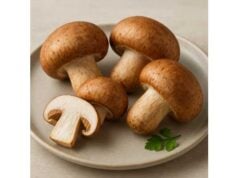
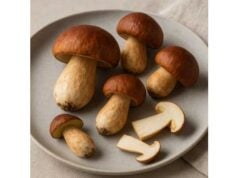
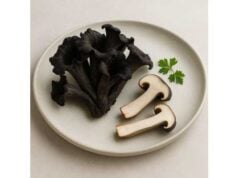
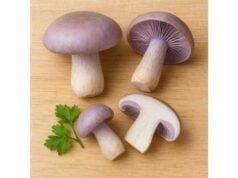
The gypsy mushroom (Cortinarius caperatus, historically Rozites caperata) is a sought-after wild edible known for its honey-brown cap, faintly nutty aroma, and firm, silky texture that holds up in sautés, risottos, and cream sauces. When dried, it rehydrates beautifully and perfumes broth with toasted, savory notes—small amounts go a long way. Nutritionally, this woodland species is very low in calories and fat yet offers fiber, B-vitamins, potassium, and fungal antioxidants such as ergothioneine. Because it grows in the same broad genus as several dangerous species, correct identification and careful sourcing are non-negotiable. The following guide focuses on what most cooks and foragers want to know: what makes this mushroom worth seeking out, what you can expect nutritionally, how it may support health when used in place of heavier ingredients, and how to manage the true—but avoidable—risks linked to misidentification and environmental contaminants. If you enjoy cooking seasonally or stocking a flavor-rich pantry, the sections below will help you use gypsy mushroom confidently and responsibly.
Key Takeaways
- Typical portion: 100 g fresh (about 1½ cups sliced) or 6–8 g dried, cooked 2–3 times per week.
- Core benefits: low calorie, source of fiber, niacin, riboflavin, potassium, and ergothioneine; excels as a flavor-dense meat reducer.
- Safety caveat: this edible has dangerous look-alikes in Cortinarius; never eat any wild mushroom without expert identification and always cook thoroughly.
- Who should limit or avoid: anyone with mushroom allergy, people without reliable ID training or trusted suppliers, and those advised to limit wild foods due to kidney disease or special diets.
Table of Contents
- Gypsy mushroom at a glance
- Nutrition profile per 100 g
- Evidence-based benefits of gypsy mushroom
- Risks, Allergies and Interactions
- Selecting, Quality, Sustainability and Storage
- Preparation, Cooking and Nutrient Retention
- Portions, Comparisons and FAQs
Gypsy mushroom at a glance
Gypsy mushroom is a cool-season species found in coniferous and mixed forests, especially among birch and pine on acidic soils. The cap is 5–12 cm, warm tawny to honey-brown, often with a slightly wrinkled or radially creased surface when mature. Gills are pale tan to cinnamon and not attached to the stem in a decurrent fashion; the stem is light, sometimes with a faint ring zone from the partial veil that protected the gills in youth. Unlike fragile meadow species, the flesh is elastic and holds shape under heat, making it a cook’s ally in dishes where texture matters.
Culinary personality: a gentle nuttiness with bread-dough sweetness that deepens when browned. Sautéed slices pair naturally with shallot, thyme, parsley, bay leaf, white wine, sherry, cream, and poultry or trout. The mushroom’s firm texture withstands longer simmering, so it shines in risotto, barley and farro pilafs, velouté-style sauces, and creamy ragouts spooned over polenta or mashed potatoes. Dried pieces concentrate aroma; a small handful can elevate pan sauces, gravies, and soups in minutes.
Naming note: many foragers and writers now emphasize the scientific name, Cortinarius caperatus, or alternative common names like “caperatus” to avoid confusion and to be respectful in language. Whatever the label, correct identification is essential because Cortinarius includes both fine edibles and dangerously toxic species.
Practical availability: you will rarely find this mushroom in supermarkets. Specialty grocers may carry dried caperatus from vetted suppliers; otherwise, foraging with an experienced identifier or buying from trustworthy foragers is the usual route. If you are new to wild mushrooms, start with dried, commercially packaged product from reputable sources before attempting identification in the field.
Nutrition profile per 100 g
How to read these tables. Peer-reviewed composition data for Cortinarius caperatus are limited. The values below reflect typical edible mushrooms per 100 g fresh weight and align with analyses reported for wild and cultivated culinary species. They offer a practical proxy for cooks and diet planners. Percent Daily Values (%DV) use adult reference DVs and sensible rounding. Cooking reduces water and concentrates minerals and fiber per cooked weight.
Macros and electrolytes (per 100 g fresh)
| Nutrient | Amount | %DV |
|---|---|---|
| Energy | 25–35 kcal | — |
| Water | ~88–92 g | — |
| Protein | 2.7–3.6 g | — |
| Total fat | 0.3–0.6 g | 0–1% |
| Carbohydrate | 3.5–6.0 g | 1–2% |
| Dietary fiber | 2.0–3.0 g | 7–11% |
| Total sugars | 1.5–2.5 g | — |
| Sodium | 5–20 mg | 0–1% |
| Potassium | 300–450 mg | 6–10% |
Carbohydrates (per 100 g)
| Component | Amount |
|---|---|
| Starch | ~0–0.3 g |
| Free sugars | ~1.5–2.5 g |
| β-glucans (estimated) | present (varies with species and assay) |
Fats and fatty acids (per 100 g)
| Lipid | Amount | Notes |
|---|---|---|
| Total fat | 0.3–0.6 g | very low |
| Saturated fat | ~0.05–0.1 g | negligible |
| Monounsaturated fat | ~0.05–0.1 g | trace |
| Polyunsaturated fat | ~0.2–0.3 g | linoleic acid predominant |
| Cholesterol | 0 mg | fungi contain no cholesterol |
Protein and amino acids (per 100 g)
| Item | Amount |
|---|---|
| Protein | 2.7–3.6 g |
| Flavor-active amino acids | glutamic and aspartic acids contribute umami |
Vitamins (per 100 g)
| Vitamin | Amount | %DV |
|---|---|---|
| Thiamin (Vitamin B1) | 0.05–0.10 mg | 4–8% |
| Riboflavin (Vitamin B2) | 0.15–0.25 mg | 12–19% |
| Niacin (Vitamin B3) | 4–7 mg | 25–44% |
| Pantothenic acid (Vitamin B5) | 1.0–1.5 mg | 20–30% |
| Vitamin B6 (Pyridoxine) | 0.07–0.15 mg | 4–9% |
| Folate (Vitamin B9) | 35–60 µg | 9–15% |
| Vitamin C | 1–3 mg | 1–3% |
| Vitamin D2* | 0–several µg | 0–50% |
*Vitamin D2 can increase when mushrooms are exposed to sunlight (UV) during drying; wild specimens often gain D2 if sun-dried.
Minerals (per 100 g)
| Mineral | Amount | %DV |
|---|---|---|
| Phosphorus | 90–130 mg | 7–10% |
| Magnesium | 12–20 mg | 3–5% |
| Calcium | 2–6 mg | 0% |
| Iron | 0.5–1.5 mg | 3–8% |
| Zinc | 0.5–1.2 mg | 5–11% |
| Copper | 0.1–0.3 mg | 11–33% |
| Selenium | 1–3 µg | 2–5% |
| Manganese | 0.05–0.15 mg | 2–7% |
Bioactives and phytonutrients (qualitative)
- Ergothioneine (a distinctive antioxidant amino-acid derivative concentrated in edible fungi).
- β-glucans (1,3/1,6-glucans), part of the fungal cell wall and under study for lipid and glucose effects.
- Phenolics and terpenoid compounds at low levels, influenced by habitat and season.
- Ergosterol, a precursor of vitamin D2 when exposed to UV light.
Allergens and intolerance markers
- Fungal proteins can rarely trigger IgE-mediated food allergy.
- Sugar alcohols (e.g., mannitol) and fermentable fibers may cause bloating in sensitive individuals.
Glycemic and acid–base metrics
- Glycemic impact: low due to modest digestible carbohydrate and fiber.
- Acid–base: near neutral to slightly alkaline-forming in mixed meals.
Variability and notes
- Wild mushrooms vary by soil, tree partners, and weather; minerals and phenolics shift accordingly.
- Drying concentrates most nutrients per 100 g of the dried weight; rehydration returns texture but not every volatile aroma.
Evidence-based benefits of gypsy mushroom
A flavorful “replacement effect.” The strongest everyday advantage of gypsy mushroom is culinary: it is intensely savory yet very low in calories and saturated fat. When you build meals that use caperatus to replace part of the meat or cream—or to amplify whole grains, legumes, and vegetables—you trim energy and saturated fat without sacrificing satisfaction. Over months, those small substitutions help align eating patterns with heart-smart targets.
β-glucans and fiber. Like other edible mushrooms, gypsy mushroom contributes β-glucans, a class of soluble fibers studied for cholesterol-lowering and post-meal glucose effects. Trials and reviews across edible species suggest modest improvements in total and LDL cholesterol, alongside small, supportive changes in glycemia when mushrooms displace refined starches or higher-fat items within meals. In the kitchen, that looks like stirring browned slices into barley pilaf, farro risotto, or lentil ragout, where texture and umami stand in for richer ingredients.
Ergothioneine and redox balance. Ergothioneine is unusual among dietary compounds: humans transport it with a dedicated cell membrane carrier, and it accumulates in tissues vulnerable to oxidative stress. Contemporary reviews describe antioxidant and cytoprotective actions and note associations between higher ergothioneine intake and markers of healthy aging in observational settings. Culinary heat does not eliminate the compound; sautéing and braising retain meaningful amounts.
Vitamin D2 potential with sun exposure. When mushrooms are exposed to ultraviolet light, ergosterol converts to vitamin D2. Wild mushrooms that are sun-dried can provide variable—but sometimes substantial—D2 contributions. Controlled studies with UV-treated cultivated mushrooms show reliable increases in vitamin D status; while the exact D2 yield from wild, sun-dried caperatus is variable, it is reasonable to treat it as a supporting source rather than a sole strategy.
Mineral support with low sodium. A typical 100 g portion supplies several percent of daily phosphorus, copper, and potassium with very little sodium. This profile complements blood-pressure-friendly meal patterns built around vegetables, legumes, whole grains, and moderate dairy or lean proteins.
Behavioral lift: fast, flexible cooking. Because gypsy mushroom browns quickly and keeps its bite, it encourages home cooking—sauté a panful while grains finish and you have a complete meal in minutes. That “ease factor” is an under-recognized way foods support long-term diet quality.
How much is practical? Aim for 100–150 g fresh (or 6–10 g dried) per serving, two or three times weekly during the season, folded into mixed dishes. Concentrated extracts are not necessary for culinary benefits; if you consider any supplement or high-dose powder, involve a clinician.
Risks, Allergies and Interactions
Misidentification risk within Cortinarius. The single greatest hazard is confusing the edible gypsy mushroom with toxic Cortinarius species. Several contain orellanine, a nephrotoxin that can cause delayed kidney injury with symptoms appearing days after ingestion. Cooking does not neutralize these toxins. To reduce risk:
- Confirm multiple field traits: cap color and texture (honey-brown, slightly wrinkled when mature), gill color and attachment (not strongly decurrent), presence of a faint veil zone rather than a persistent ring, and the characteristic silky, elastic flesh.
- Verify spore print and habitat partners (often birch and pine on acidic soils).
- Never rely on one feature or a single photo; use expert confirmation through local mycology groups or certified identifiers. If any doubt remains, do not eat the mushroom.
Environmental contaminants. Wild fungi can accumulate heavy metals or absorb residues from soil and atmospheric dust. Harvest far from roads, industry, treated forestry plots, or polluted sites. Trim soil-contact stem bases; brush or briefly rinse, then dry thoroughly before cooking.
Allergy and intolerance. IgE-mediated mushroom allergy is uncommon but possible; symptoms may include oral itching, hives, wheeze, or, rarely, anaphylaxis. Sugar alcohols (such as mannitol) and fermentable fibers may cause bloating in sensitive individuals. Start with small, well-cooked portions.
Medication and condition considerations.
- Glucose-lowering drugs: Large shifts in high-fiber foods can modestly alter post-meal glucose in some people. If you use insulin or sulfonylureas, monitor when changing intake.
- Lipid-lowering therapy: Culinary quantities of mushrooms are compatible with statins and other lipid agents. Avoid high-dose mushroom extracts marketed for cholesterol unless supervised.
- Chronic kidney disease: Because orellanine poisoning specifically injures kidneys, people with existing kidney disease should be extra cautious and may prefer commercially packaged dried mushrooms from trusted suppliers rather than foraged specimens.
Food-safety basics. Cook thoroughly to a steaming hot center; refrigerate leftovers within 2 hours; reheat until piping hot. Discard any mushrooms that smell sour, feel slimy, or are infested with insects.
Emergency guidance. If anyone develops concerning symptoms after eating wild mushrooms—especially abdominal pain, nausea, vomiting, diarrhea, profuse sweating or salivation, confusion, decreased urine output, or yellowing of eyes/skin—seek urgent medical care. Save raw and cooked samples for identification if it can be done safely.
Selecting, Quality, Sustainability and Storage
Safest sourcing options.
- Best for most readers: purchase dried Cortinarius caperatus from reputable specialty suppliers who document origin and species verification. Drying preserves flavor, allows secondary checks during processing, and reduces spoilage risk.
- If foraging with expertise: harvest only when multiple identification features agree and a second expert confirms. Do not rely solely on apps or single-photo comparisons.
Quality cues (fresh).
- Cap: warm tawny to honey-brown with a silky, slightly wrinkled surface at maturity; avoid waterlogged or deeply cracked caps after frost.
- Gills: pale tan to cinnamon; not strongly decurrent; free of white, powdery spore dust that suggests other genera.
- Stem: firm, pale, sometimes with a faint ring zone; avoid soft, hollow, or heavily soil-caked stems.
- Aroma: clean, bready, slightly nutty; sour or fishy notes signal decay.
Quality cues (dried).
- Intact, uniformly tan pieces that snap rather than bend; no visible mold or excessive dust; clean cut bases with minimal soil.
- Packaging that limits light and moisture; a food-safe desiccant is a plus in humid climates.
Sustainability pointers.
- Favor low-impact harvest: cut the mushroom at the base, leave mycelium undisturbed, and take modest amounts.
- Respect local regulations and private land permissions.
- At home, reduce waste: dry surplus, turn trimmings and strained soaking liquid into stock, and plan meals to use opened packages within a few days.
Storage and handling.
- Fresh: refrigerate unwashed in a breathable container at 1–5 °C; use within 1–3 days.
- Dried: store airtight, dark, and cool for up to 12 months; keep away from strong odors.
- Freezing: best after a brief sauté to drive off moisture; cool, portion flat, and freeze 2–3 months.
- Rehydrating: cover with warm water or stock 15–20 minutes; squeeze gently; strain soaking liquid through a coffee filter or superfine sieve to remove grit and use it as a flavor base.
Buying tips. Ask suppliers how they verify species, where the harvest occurred, and what post-harvest screening (cleaning, sorting) they use. Choose vendors with lot numbers and clear best-by dating.
Preparation, Cooking and Nutrient Retention
Prep basics. For fresh mushrooms, brush away debris; if needed, rinse quickly just before cooking and dry thoroughly (wet surfaces steam, not brown). Trim soil-contact stem bases. For dried mushrooms, rehydrate in warm stock or water for 15–20 minutes, squeeze gently, and reserve the strained soaking liquid for cooking.
Flavor strategy: keep it simple and hot.
- Dry the surface well. Browning starts with dryness.
- Use enough heat and space. A wide pan prevents steaming; cast iron or stainless steel is ideal.
- Season in layers. Salt partway through to draw surface moisture, then finish with a pinch and fresh acid (lemon, sherry vinegar).
- Add aromatics late. Garlic, shallot, and herbs burn if added too early; include them in the last minute with butter or olive oil.
Core techniques (time guides):
- Sauté: 5–7 minutes over medium-high heat until golden at the edges; finish with thyme and a splash of white wine or the soaking liquor.
- Roast: Toss with oil and salt; roast at 220 °C for 12–15 minutes, stirring once; finish with parsley and lemon zest.
- Braise: Simmer in stock, wine, or cream 8–12 minutes; ideal for softening stems and creating a velvety sauce for grains or polenta.
- Pan sauce upgrade: After searing chicken or pork, sauté rehydrated mushrooms and shallot, deglaze with wine, add strained soaking liquid, reduce, and enrich with a knob of butter.
Nutrient retention insights.
- Water-soluble vitamins (B-complex, vitamin C) can leach into cooking liquids—capture them by using the broth or pan juices in the dish.
- Minerals (potassium, phosphorus, copper) are heat-stable; concentrations rise as water cooks off.
- Ergothioneine is relatively heat-stable; typical sautéing, roasting, and braising retain useful amounts.
- Vitamin D2 produced by sun exposure survives normal cooking better than vitamin C; avoid prolonged boiling for minimal losses.
- β-glucans persist and contribute subtle body to soups and sauces.
Pairings that build balanced meals.
- Proteins: chicken, trout, eggs, tofu, lentils, white beans.
- Grains and starches: farro, barley, brown rice, potatoes, polenta.
- Aromatics and herbs: shallot, garlic, leek, thyme, bay, parsley, tarragon.
- Umami boosters: miso, soy sauce, anchovy, Parmigiano-Reggiano.
Two example applications.
- Caperatus velouté: Sauté sliced mushrooms and shallot in butter; add flour for a light roux; whisk in stock and the strained soaking liquid; simmer until silky; finish with a touch of cream and lemon.
- Autumn farro with gypsy mushroom: Toast farro; add onion and garlic; stir in browned mushrooms; deglaze with white wine; add stock and simmer; finish with peas, parsley, and grated hard cheese.
Food-safety checkpoints. Cook to a steaming hot center; refrigerate leftovers within 2 hours in shallow containers; reheat to bubbling before serving. If foraged, confirm identity every time you cook.
Portions, Comparisons and FAQs
Practical portion and frequency. A sensible serving is 100 g fresh (about 1½ cups sliced) or 6–8 g dried, cooked into a mixed dish. Enjoy 2–3 times per week in season or as a pantry staple in dried form.
How does gypsy mushroom compare to chanterelle or porcini? All three are classic wild edibles with firm textures and strong aromas. Gypsy mushroom is slightly milder than porcini, sweeter and breadier than chanterelle, and better than many species at holding shape in creamy or braised dishes. Nutritionally they are all low in calories and fat, and all provide B-vitamins, potassium, and ergothioneine; exact amounts vary by habitat.
Is it a meat substitute? Not on protein density alone, but its chew and umami help reduce meat portions. Combine with lentils, beans, eggs, or tofu for protein balance. Use browned mushrooms to replace half the meat in ragù or to intensify grain dishes so smaller meat portions feel complete.
Can I rely on gypsy mushroom for vitamin D? Treat sun-dried mushrooms as a supporting source of vitamin D2. Because wild D2 content varies widely, maintain a varied diet and discuss supplements with a clinician if needed.
Is it safe for kids, pregnancy, or older adults? Yes—when correctly identified, well sourced, and thoroughly cooked. For higher-risk groups, the main danger is misidentification within Cortinarius. Buying dried product from trusted suppliers is the safest route.
What about gout or kidney issues? Mushrooms contain moderate purines; many people with gout tolerate modest portions within balanced diets. Those with kidney disease should consult a clinician before adding wild mushrooms, and everyone should avoid any mushroom unless identification is certain.
Kitchen troubleshooting.
- Rubbery results: cook a bit longer with moist heat (braise) or slice stems thinner; save caps for quick sautéing.
- Watery pan: mushrooms were wet or pan crowded—dry well and cook in batches.
- Grit in sauce: strain soaking liquid through a coffee filter; wipe rehydrated pieces before they hit the pan.
- Flat flavor: brown harder and finish with acid, fresh herbs, and a small amount of butter or good olive oil.
Access and budget tips. Dried caperatus is efficient: a small jar flavors many meals. Use a “booster” mindset—add a handful to deepen simple staples like grains, soups, and pan sauces rather than building a dish that relies solely on mushrooms for bulk.
References
- Mushroom Poisoning 2020 (Review).
- Vitamin D from UV-Irradiated Mushrooms as a Way for Vitamin D Supplementation: A Systematic Review 2023 (Systematic Review).
- The Current Situation and Future Trends of Ergothioneine in Biology and Medical Research: A Bibliometric Analysis 2025 (Review).
- Analysis of heavy metal characteristics and health risks of edible mushrooms in the mid-western region of China 2024 (Research).
- Edible Mushrooms and Beta-Glucans: Impact on Human Health 2021 (Systematic Review).
Disclaimer
This guide is for general education and is not a substitute for professional medical advice, diagnosis, or treatment. Wild mushrooms must be identified with certainty before eating. If you are pregnant, immunocompromised, over 65, have kidney or liver disease, a history of mushroom allergy, or take prescription medications, seek advice from a qualified health professional before changing your diet or using mushroom-based supplements. In any suspected mushroom poisoning, seek urgent medical care.
If you found this article helpful, please consider sharing it on Facebook, X (formerly Twitter), or your preferred platform. Your support helps us continue creating careful, evidence-informed nutrition content. Thank you.