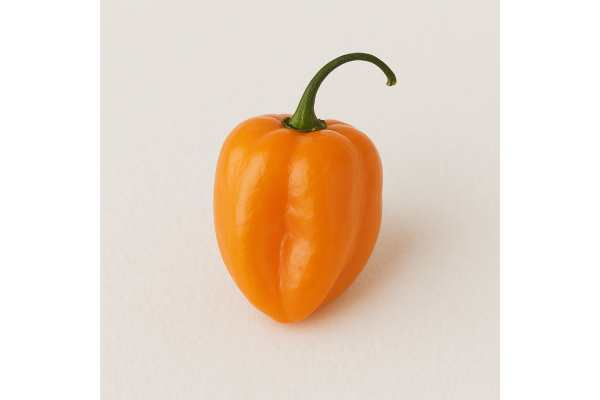
Habanero is one of the most famous “very hot” chilies in the world. Small, lantern shaped, and usually orange or red, it delivers a sharp yet fruity heat that can turn a simple salsa, marinade, or soup into something unforgettable. Behind that intensity, habanero also brings meaningful nutrition: vitamin C, provitamin A carotenoids, potassium, and a high concentration of capsaicin, the compound responsible for chili heat.
Because it is so strong, a little habanero goes a long way. Used thoughtfully, it can support a higher intake of vegetables and legumes by making plant based dishes more appealing and satisfying. At the same time, its potency means you need to respect tolerance, digestive comfort, and basic handling safety.
This article explains what sets habanero apart, how it fits into a healthy diet, what current research suggests about potential benefits, and how to choose portions and preparation methods that keep flavor high and risk low.
Habanero Quick Facts
- Habanero is a very hot chili, typically ranging around 100,000–350,000 Scoville heat units, with a distinctive fruity, floral flavor.
- A typical culinary portion is about 2–4 g fresh (roughly ¼–½ small pepper) per serving, used a few times per week as part of varied meals.
- Habanero provides vitamin C, provitamin A carotenoids, and capsaicin, which have been linked with antioxidant, anti inflammatory, and potential cardio metabolic effects.
- People with reflux, ulcers, irritable bowel, or very sensitive digestion may experience burning or pain even from small amounts and should increase intake slowly, if at all.
- Individuals with confirmed chili allergy, a history of severe reactions to peppers, or who are considering high dose capsaicin supplements should avoid self experimentation and seek medical advice.
Table of Contents
- Habanero background and culinary role
- Habanero nutrition and active compounds
- Habanero health effects and evidence
- Adverse reactions, allergies and safety
- Selecting quality habaneros and storage
- Preparing and cooking habaneros wisely
- Serving sizes, comparisons and FAQs
Habanero background and culinary role
Habanero belongs to the species Capsicum chinense, a group of chilies known for intense heat and distinctive aroma. The plant likely traces its origins to the Amazon basin, but habanero is now closely associated with the Yucatán Peninsula and the Caribbean, where it is woven into regional cuisine and agricultural traditions.
Unripe habaneros are green, turning orange, red, yellow, brown, or even white as they mature. The fruits are usually small, about 2–6 cm long, with a lantern or lantern bell shape and thin, waxy skin. Their heat is notable: most habaneros fall somewhere between about 100,000 and 350,000 Scoville heat units (SHU), making them dozens of times hotter than a typical jalapeño. Some specialty cultivars can be hotter still, while “heatless” habanero types have been bred for flavor without burn.
The flavor profile of habanero is as important as its heat:
- Intense fruitiness reminiscent of tropical fruit and citrus.
- Floral, almost perfumed notes, especially in orange and yellow varieties.
- Clean, sharp heat that builds quickly and lingers.
Because of this combination, habanero is prized in:
- Caribbean style hot sauces with vinegar, garlic, fruit, and spices.
- Yucatecan dishes like cochinita pibil, where habanero salsa is a standard accompaniment.
- Marinades for fish, seafood, and poultry, where its acidity and fragrance stand out.
- Modern fusion recipes, such as habanero mango salsa, spicy dressings, and chili infused oils.
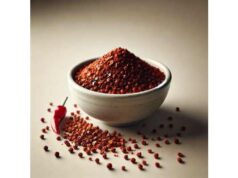
Habanero is typically consumed fresh, pickled, or blended into sauces. Powdered or dried forms exist but are less common than with other chilies, partly because so little is needed to season a dish.
In home gardens, habanero appeals both to chili enthusiasts and to people who want a high yield of very hot peppers from a small space. The plants grow well in warm, sunny climates or protected containers and can produce dozens of fruits over a season.
From a health and lifestyle perspective, habanero is best seen as an intense seasoning that can encourage the enjoyment of minimally processed foods. When you have a deeply flavorful chili paste in the fridge, it becomes easier to transform simple beans, roasted vegetables, or whole grains into satisfying meals without relying on heavy sauces or large amounts of added sugar.
Habanero nutrition and active compounds
Like most chilies, habanero is low in calories but rich in certain vitamins, minerals, and bioactive compounds. The exact numbers vary with growing conditions and cultivar, but data for fresh orange habanero pepper per 100 g provide a useful picture:
- Around 35–45 kcal.
- Approximately 9 g carbohydrate, including several grams of natural sugars and fiber.
- Roughly 2 g protein and less than 1 g fat.
- Around 3 g fiber, depending on the portion of seeds and membranes included.
A typical portion used in cooking is far smaller than 100 g. If you add 3 g of finely chopped habanero (about ¼ to ½ small pepper) to a serving of food, you are likely adding fewer than 2 kcal. Nutritionally, the impact on macronutrients is negligible; the real value lies in vitamins and phytochemicals.
Key micronutrients in habanero include:
- Vitamin C: Fresh habanero is very high in vitamin C. Estimates for orange habanero suggest roughly 140–150 mg vitamin C per 100 g, easily exceeding the daily requirement if large quantities were eaten. In realistic amounts (for example, 5–10 g across a dish), it still contributes meaningfully.
- Vitamin A (from carotenoids): Habanero contains provitamin A carotenoids such as beta carotene, measured at about 290 micrograms of vitamin A activity per 100 g in some analyses. These support vision, immune function, and skin health.
- Potassium: Around 300 mg per 100 g helps support fluid balance and normal muscle and nerve function.
- Small amounts of minerals such as calcium and iron.
Beyond classic nutrients, habanero is notable for:
- Capsaicinoids, especially capsaicin and dihydrocapsaicin: These compounds bind to TRPV1 receptors on sensory nerves, creating the sensation of heat and contributing to physiological effects on metabolism, pain signaling, and vascular function. Habanero has a high capsaicin concentration relative to many other peppers, which is why it is so hot.
- Carotenoids: Pigments such as capsanthin, capsorubin, and beta carotene give habanero its bright color and act as antioxidants. They are fat soluble and better absorbed when eaten with a small amount of dietary fat, such as oil or avocado.
- Polyphenols and flavonoids: These plant compounds contribute to antioxidant capacity and may interact with inflammatory pathways and cellular signaling.
- Other secondary metabolites, including small amounts of terpenes and other aroma compounds that shape flavor and may have additional biological roles.
Processing and preparation influence nutrient content:
- Drying concentrates some nutrients and capsaicin per gram but reduces vitamin C, which is sensitive to heat and oxygen.
- Cooking can lower vitamin C over time while leaving most capsaicin and carotenoids relatively stable. Short cooking with a bit of oil typically preserves much of the beneficial content.
- Pickling maintains capsaicin and carotenoids reasonably well but may lead to some vitamin loss; it adds sodium, which matters for people watching salt intake.
In practice, habanero is usually one part of a larger dish that includes tomatoes, onions, herbs, and perhaps fruit. The overall nutritional effect comes from this whole matrix: vitamin C and carotenoids from the chili, additional antioxidants from other vegetables, and enhanced enjoyment that makes it easier to choose these foods regularly.
Habanero health effects and evidence
Most research on chili peppers and health focuses on capsaicin and on chili intake in general rather than habanero specifically. However, because habanero is particularly rich in capsaicinoids and carotenoids, the broader findings are highly relevant when considering its role in a diet.
Metabolic and cardiovascular health
Several randomized trials and systematic reviews have examined capsaicin or chili based interventions in people with metabolic risk factors such as obesity, insulin resistance, or metabolic syndrome. Taken together, this research suggests that regular intake of capsaicin containing products can:
- Modestly lower total cholesterol and triglycerides in some individuals with elevated levels.
- Slightly improve markers of insulin sensitivity and fasting blood glucose in certain study designs.
- Increase post meal energy expenditure and fat oxidation to a small degree.
These effects are generally modest in size and depend on dose, intervention duration, and baseline diet. In many trials, capsaicin is provided as capsules or standardized preparations rather than typical culinary portions.
Observational studies looking at spicy food or chili consumption patterns have found associations between regular chili intake and lower all cause and cardiovascular mortality. These findings do not prove that chili alone is responsible; people who regularly eat chili rich diets may also have different lifestyles, food choices, or cultural patterns that contribute to health. Still, the consistency of these associations across populations is encouraging.
For someone using habanero in cooking, the realistic expectation is that small daily or near daily amounts may play a supportive role alongside other healthy behaviors, rather than acting as a primary treatment for metabolic conditions. The benefits of a chili enhanced bean and vegetable stew, for example, come from the whole combination of fiber, plant protein, low sodium preparation, and capsaicin rich seasoning.
Weight management and appetite
Capsaicin is frequently discussed in the context of weight management. Studies have reported that chili or capsaicin intake can:
- Increase thermogenesis (calorie burning) slightly for several hours after a meal.
- Reduce subjective appetite and energy intake in some people when used regularly.
- Influence gut brain signaling pathways related to satiety.
These effects are small in practical terms. Habanero is not a weight loss cure, but using it to make satisfying, high fiber meals more appealing can indirectly support weight regulation by making healthier food choices feel rewarding.
Pain perception and neural effects
Topical capsaicin creams are well established in the management of certain nerve related pain conditions. Oral intake involves much lower and more dispersed doses, but similar mechanisms are at play: repeated activation of TRPV1 receptors can partly desensitize them, changing how heat and pain signals are processed.
Some experimental work suggests that long term dietary capsaicin might influence neural health and pain thresholds, but these findings are preliminary. From a culinary standpoint, what most people notice is that regular exposure to habanero and other hot chilies increases tolerance; dishes that once felt unbearably hot may later feel pleasantly warm.
Gut microbiota and digestive function
Emerging research indicates that capsaicin can affect gut microbiota composition, encouraging growth of certain beneficial species while discouraging others. It may also influence gut motility and barrier function. However, responses vary: in some people, moderate chili intake is associated with better bowel habits and less constipation, while in others it triggers urgent stools or abdominal discomfort.
Overall, the evidence supports three balanced conclusions:
- Habanero, as a capsaicin rich chili, can contribute to small improvements in metabolic and cardiovascular markers when used regularly as part of a healthy eating pattern.
- Habitual chili intake appears compatible with, and may support, long term health, but it is not a stand alone therapy and should not replace prescribed treatment.
- Individual tolerance and digestive comfort are crucial; the “ideal” amount of habanero differs markedly from person to person.
Adverse reactions, allergies and safety
Habanero is powerful, and the same properties that may support health can also cause harm if used carelessly. Paying attention to adverse reactions, allergies, and unique risks is especially important for a chili at this heat level.
Immediate irritation and digestive symptoms
The most common issues with habanero come from its intense capsaicin content:
- Mouth and throat burning: Even a small bite of raw habanero can cause intense burning, salivation, tearing, and difficulty speaking. Drinking water rarely helps, because capsaicin is fat soluble. Dairy products, fatty foods, or starchy items can provide more relief.
- Reflux and heartburn: People with gastroesophageal reflux disease often find that hot chilies worsen burning sensations in the chest or throat, especially when eaten late at night or in large amounts.
- Stomach discomfort: Those with gastritis, peptic ulcers, or functional dyspepsia may experience pain, nausea, or bloating after spicy meals.
- Bowel urgency: Capsaicin can accelerate transit time and increase the sensation of urgency or burning during bowel movements in sensitive individuals.
These responses are not necessarily dangerous, but they can be very unpleasant. For anyone with an existing gastrointestinal condition, small and carefully monitored amounts—if any—are advisable.
Extreme exposure and “chili challenges”
Highly concentrated capsaicin, whether in extracts, ultra hot sauces, or large amounts of very hot peppers, can cause more serious problems. Reports describe episodes of severe throat pain, vomiting, dangerously high blood pressure spikes, and intense headaches after extreme chili eating challenges.
Habanero alone is generally not as hazardous as some of the newer “super hot” varieties, but concentrated habanero products and over consumption can still provoke:
- Significant abdominal pain and vomiting.
- Light headedness or faintness.
- In rare cases, complications related to severe vomiting or blood pressure changes.
Deliberately pushing tolerance for sport is not a safe way to consume habanero. Using it in measured culinary amounts is a far better approach.
Skin, eye, and respiratory contact
Handling fresh habanero can cause:
- Burning or tingling on the skin, especially around nails and cuticles.
- Severe pain if juice contacts the eyes.
- Coughing and throat irritation if aerosolized during blending or cooking.
Good practice includes:
- Wearing disposable gloves when chopping habanero or removing seeds.
- Avoiding touching the face, eyes, or contact lenses until hands are thoroughly washed with soap and warm water.
- Ventilating the kitchen when searing or pan frying habanero to reduce fumes.
If habanero gets into the eyes, rinsing with copious amounts of clean water and seeking medical advice if pain persists is important.
Allergies and intolerances
True IgE mediated allergy to chili peppers is uncommon but can be serious. Symptoms may include:
- Oral itching, swelling of lips or tongue.
- Generalized hives or rash.
- Wheezing, difficulty breathing, or anaphylaxis.
Anyone who has experienced such reactions to peppers should avoid habanero unless specifically cleared by an allergist. People with multiple food allergies or latex fruit syndrome may have higher risk of cross reactions and should be cautious with mixed chili products and sauces where the exact ingredients are unclear.
Medication and health condition considerations
Dietary capsaicin can influence gut motility and may interact with certain physiological pathways involved in blood pressure, platelet function, and glucose regulation. At normal culinary doses, these effects are typically mild. However, caution is warranted when:
- Using capsaicin supplements alongside medications that affect blood clotting, blood pressure, or blood sugar.
- Living with advanced gastrointestinal diseases such as inflammatory bowel disease or chronic pancreatitis.
- Managing chronic pain conditions already treated with topical capsaicin; adding large dietary doses may alter overall tolerance.
In these situations, it is sensible to discuss chili intake and supplement use with a healthcare professional who understands your full medical history.
Selecting quality habaneros and storage
Choosing good habanero peppers improves flavor and safety and helps you get consistent results in the kitchen. Since heat varies, assessing quality also means developing a sense for how a particular batch behaves.
Choosing fresh habaneros
When buying fresh habanero peppers, look for:
- Appearance: Smooth, glossy skin without wrinkles, soft spots, or mold. Minor blemishes are acceptable but avoid peppers with significant discoloration or decay.
- Firmness: The pepper should feel firm, not limp. A little flexibility is normal, but it should spring back when gently pressed.
- Color: Bright, saturated color (orange, red, yellow, or another variety specific hue) usually indicates ripeness. Pale or patchy peppers may be underripe or old.
- Aroma: When you cut into a habanero, it should smell fresh, fruity, and sharply spicy, not musty or stale.
If you are new to habanero, you might look for smaller peppers and start with a conservative amount in recipes, since size and shape do not always perfectly predict heat level.
Dried, pickled, and processed forms
You may also encounter habanero in other forms:
- Dried habanero: Sold as whole dried pods or flakes, it is extremely potent. Choose products in sealed, opaque packaging with a strong aroma and good color.
- Habanero powder: Convenient for measured use but easy to overdo. Ensure it is stored cool and dry, as capsaicin and aroma compounds can degrade over time.
- Pickled habanero slices or sauces: Check ingredients lists for salt, vinegar, and added sugars. Choose brands that use whole food ingredients and avoid products with excessive sodium if you are watching blood pressure.
For both dried and processed forms, check best before dates and avoid containers that appear damaged or improperly sealed.
Storage practices
Proper storage extends shelf life and preserves heat and nutrients:
- Fresh habanero: Keep unwashed peppers in a breathable bag or container in the refrigerator. They typically stay good for one to two weeks. If you see soft spots or mold, discard the affected peppers.
- Freezing: For longer storage, wash, dry, and destem habaneros, then freeze them whole or chopped in airtight bags or containers. Frozen peppers lose some crispness but retain heat and flavor, making them ideal for cooked dishes and sauces.
- Drying at home: You can dry habaneros using a dehydrator or low oven. Always ensure they are fully dry and store them in sealed jars away from light and moisture.
- Prepared sauces and pastes: Keep refrigerated and use clean utensils to avoid contamination. Many homemade sauces last one to two weeks in the fridge. Freezing in small portions can extend this further.
Sustainability and sourcing
Habaneros are often grown in tropical and subtropical regions by smallholder farmers. Sustainable choices may include:
- Supporting local growers or farmers’ markets when possible, which can reduce transport distance and provide fresher produce.
- Choosing suppliers that emphasize fair labor practices and responsible pesticide use.
- Buying only the quantity you realistically plan to use and storing it properly to minimize waste.
By taking care when selecting and storing habanero, you protect both flavor and safety and respect the effort that goes into producing this highly concentrated spice.
Preparing and cooking habaneros wisely
Because habanero is exceptionally hot, careful preparation makes the difference between a beautifully balanced meal and something inedible. Good technique allows you to enjoy its fruity complexity while tailoring the burn to your tolerance.
Safe handling basics
Before you start:
- Wear disposable gloves if possible, especially if you have sensitive skin or plan to chop more than one or two peppers.
- Use a sharp knife and a stable cutting board to avoid slipping.
- Keep dairy products, bread, or cooked rice nearby as “heat buffers” in case you taste something that is too spicy.
To prepare a fresh habanero:
- Slice off the stem end.
- Cut the pepper lengthwise and open it like a book.
- Use the knife tip or a small spoon to remove seeds and most of the white inner membranes, which hold much of the capsaicin.
- Chop the remaining flesh finely for even distribution, or slice thinly if you prefer distinct pieces.
Always wash your hands thoroughly with soap afterward, even if you wore gloves, and avoid touching your eyes or face during the process.
Controlling heat in recipes
Several levers help you adjust heat:
- Amount: The obvious one. For beginners, a quarter of a small habanero in a pot that serves four people is a reasonable starting point. You can always add more next time.
- Seed and membrane removal: Removing more of these parts significantly reduces heat while preserving flavor.
- Cooking time: Longer cooking can mellow harsh edges but does not remove heat; it mainly integrates capsaicin more evenly into the dish.
- Pairings: Combining habanero with sweet ingredients (mango, pineapple, carrot), creamy elements (avocado, yogurt, coconut milk), or starchy sides (rice, potatoes) balances perceived spiciness.
If a dish becomes too hot, you can dilute it with additional ingredients, add a creamy element, or serve smaller portions with plenty of bland sides.
Culinary applications
Habanero fits well in:
- Fresh salsas and relishes: Finely chopped habanero, tomato, onion, citrus juice, cilantro, and a touch of salt make a bright, hot accompaniment to grilled foods and legumes.
- Caribbean style sauces: Blending habanero with vinegar, garlic, herbs, and sometimes fruit creates a versatile table sauce.
- Marinades: A small amount of habanero can transform marinades for chicken, fish, tofu, or tempeh. Acid and fat in the marinade help distribute flavor.
- Soups and stews: Adding habanero early in cooking infuses the broth with steady heat; adding it later preserves more top notes of aroma.
Nutrient retention considerations
Capsaicin and carotenoids are relatively stable under normal cooking conditions, especially in moist heat. Vitamin C is more fragile and declines with prolonged heating, but since habanero is rarely the primary vitamin C source in a meal, this is usually not a major concern.
To make the most of habanero’s beneficial compounds:
- Avoid prolonged frying at very high temperatures, which can degrade both nutrients and flavor.
- Include a modest amount of healthy fat (for example, olive oil, avocado, or nut based sauces) to aid carotenoid absorption.
- Consider adding some habanero near the end of cooking for a fresh aromatic layer, while using a small amount earlier to build background heat.
Handling habanero with respect and intention lets you customize dishes to your household’s comfort level and get the pleasure of its unique flavor without unnecessary discomfort.
Serving sizes, comparisons and FAQs
Because habanero is so potent, “how much is too much” is a very practical question. Understanding sensible portion sizes and how habanero compares to other chilies makes it easier to use safely.
Reasonable serving sizes and frequency
For most healthy adults:
- A small portion would be about 1–2 g fresh habanero per serving (roughly a thin slice or a few finely chopped pieces).
- A moderate portion might be 2–4 g per serving (approximately ¼–½ small pepper in a dish that serves one).
- Larger amounts are usually reserved for people who are very accustomed to hot food.
In recipe terms, one small habanero pepper can easily season a dish for four people at a moderate heat level. Many home cooks find that one pepper per pot of stew, soup, or sauce serving several people is sufficient.
Frequency depends on personal tolerance and overall diet. For someone who enjoys spicy food and has no gastrointestinal issues, using habanero or similarly hot chilies a few times per week is generally reasonable. People with sensitive digestion or certain medical conditions may need to reduce this or avoid it altogether.
Comparing habanero with other chilies
On the Scoville scale, habanero is typically:
- Much hotter than jalapeño (which usually ranges in the low thousands of SHU).
- Significantly hotter than serrano or cayenne in many cases.
- Milder than some super hot varieties like ghost pepper, scorpion, or Carolina Reaper, which can reach into the hundreds of thousands to millions of SHU.
From a culinary standpoint:
- Jalapeño brings a crisp, green flavor and moderate heat; slices can be eaten on nachos or in salads.
- Serrano is sharper and hotter than jalapeño but still manageable for many.
- Habanero shifts toward fruity, floral notes with intense heat, best used finely chopped or blended.
- Super hots are usually handled with extreme care, often in very small amounts in sauces.
If you are moving from jalapeño to habanero, think in terms of using much less habanero by weight and distributing it more evenly.
Common questions
Is habanero good or bad for the heart?
When used in ordinary culinary amounts, habanero appears compatible with heart health and may contribute in a small way to beneficial patterns observed with regular chili consumption. However, it is not a replacement for medications or other treatments, and extremely hot meals can temporarily stress the cardiovascular system in some individuals.
Can habanero help with weight loss?
Habanero and other chilies can slightly increase calorie burning and may help some people feel more satisfied with meals, but the effect size is small. They are best seen as tools for making healthy foods more enjoyable rather than as direct fat burning agents.
Does cooking remove habanero’s benefits?
Normal cooking does not remove capsaicin and leaves most carotenoids intact. Vitamin C decreases with extended heating, but many dishes use minimal cooking times or include fresh additions, preserving some of this vitamin.
Is habanero safe during pregnancy or breastfeeding?
Many pregnant and breastfeeding individuals around the world consume spicy foods without issues. However, tolerance can change during these life stages, and reflux or discomfort may increase. Moderate, familiar amounts are usually acceptable, but very hot meals, new chili supplements, or extreme challenges are not recommended.
What if I accidentally eat too much habanero?
If you experience intense burning, drinking water will not help much. Instead, try milk, yogurt, or another fatty food, or eat bread or rice to dilute capsaicin. If you develop severe chest pain, difficulty breathing, or persistent vomiting, seek urgent medical attention.
By treating habanero as a powerful seasoning rather than a main ingredient, you can enjoy its distinctive character while staying within safe and comfortable limits.
References
- Lipid-Lowering Efficacy of the Capsaicin in Patients With Metabolic Syndrome: A Systematic Review and Meta-Analysis of Randomized Controlled Trials 2022 (Systematic Review)
- Dietary Capsaicin: A Spicy Way to Improve Cardio-Metabolic Health? 2022 (Narrative Review)
- Meta-analysis Evaluating the Impact of Chili-Pepper Intake on All-Cause and Cardiovascular Mortality: A Systematic Review 2021 (Systematic Review)
- Health Implications of Capsaicin: Weighing the Benefits Against Potential Risks 2025 (Review)
- Capsaicin: An In-Depth Review of Its Chemical Properties, Health Benefits, and Challenges in Food Applications 2025 (Comprehensive Review)
Disclaimer
The information presented in this article is for general educational purposes only and is not intended to provide medical advice, diagnosis, or treatment. Individual responses to habanero and other chilies vary widely depending on health status, medications, and personal tolerance. Always consult a qualified healthcare professional before making significant changes to your diet, using capsaicin containing supplements, or relying on chili intake to manage any medical condition. If you experience severe or persistent symptoms after eating spicy foods, seek medical evaluation promptly.
If you found this article helpful, you are welcome to share it with others on Facebook, X (formerly Twitter), or any platform you prefer. Thoughtful sharing helps more readers access balanced, evidence informed nutrition information and supports the continued creation of high quality content.