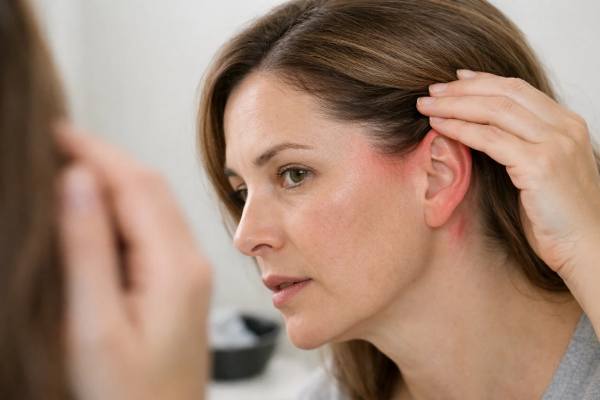
Coloring your hair can feel routine, but a true hair dye allergy is one of those problems that often hides in plain sight. What starts as a mildly itchy scalp can become a red, swollen rash around the ears, hairline, eyelids, or neck. In some people, the reaction does not show up right away, which is why hair dye allergy is easy to miss or confuse with simple irritation. It can also appear after years of using the same product without trouble.
The good news is that you do not have to guess. Once you know the warning signs, understand how patch testing works, and learn which alternatives are genuinely lower risk, you can make better decisions before your next coloring session. The key is to treat any past reaction as useful information rather than a one-off annoyance. A careful approach can help you protect your scalp, avoid a stronger reaction next time, and still find a coloring method that fits your comfort level and goals.
Essential Insights
- Itching, burning, redness, and swelling around the scalp, ears, eyelids, or neck after coloring can point to a hair dye allergy.
- A true allergy is often delayed, so symptoms may appear hours later or over the next one to three days rather than during the application itself.
- Trouble breathing, throat swelling, fainting, or rapid facial swelling after dye use needs emergency care.
- Do a manufacturer-directed alert test before every use, but treat it as a screening step rather than a guarantee of safety.
- The safest long-term option is to avoid the ingredient that triggered the reaction and choose alternatives with expert guidance.
Table of Contents
- What a Hair Dye Allergy Usually Feels Like
- When Symptoms Need Urgent Medical Care
- Why Hair Dye Triggers Allergy and Irritation
- How to Patch Test the Right Way
- What to Do If You React After Coloring
- Safer Alternatives for Future Coloring
What a Hair Dye Allergy Usually Feels Like
A hair dye allergy usually shows up as allergic contact dermatitis, which is a delayed skin reaction. That delay matters. Many people expect an allergy to happen right away, but hair dye reactions often build over several hours and may become most obvious the next day or even two to three days later. That is one reason people blame a new shampoo, heat styling, or dry weather instead of the color service itself.
The classic pattern is not limited to the scalp. In fact, some of the clearest clues appear where the skin is thinner and more sensitive. The ears, eyelids, forehead, temples, hairline, and back of the neck often react more dramatically than the scalp. Someone may say, “My scalp felt a bit hot, but my eyelids puffed up the next morning.” That is a very typical story.
Common signs include:
- itching that keeps getting stronger
- burning, stinging, or tenderness
- redness or a darker, irritated patch of skin
- flaking, scaling, or tightness
- small blisters or weeping patches
- swelling around the ears, eyes, or hairline
The severity can vary. A mild case may feel like a rash that will not settle down. A more significant reaction can make the skin look raw, swollen, and shiny. If the eyelids are involved, they can become puffy enough to make a person think they have an eye problem rather than a scalp reaction.
It is also possible to become allergic after many previous uneventful uses. That happens because allergy develops through sensitization. Your immune system may tolerate a dye ingredient for a while and then, after repeated exposure, start reacting to it.
Not every unpleasant sensation after coloring is an allergy. Some people mainly have irritation, especially if the scalp was already scratched, sunburned, inflamed, or very dry. But if the reaction spreads beyond the scalp, worsens over a day or two, or keeps happening with dye use, allergy moves much higher on the list.
A useful rule is this: if the problem centers on itch, swelling, and rash around the face and hairline after coloring, do not dismiss it as “just a sensitive scalp.” It deserves the same attention you would give other itchy scalp problems worth checking before you color again.
When Symptoms Need Urgent Medical Care
Most hair dye reactions are uncomfortable rather than dangerous, but a small number are serious enough to need prompt medical care. The mistake people make is waiting to see whether dramatic swelling or breathing symptoms will pass on their own. That is not the time for a home remedy.
Call emergency services right away if a reaction after coloring includes:
- swelling of the lips, tongue, mouth, or throat
- wheezing, shortness of breath, or a choking feeling
- trouble swallowing
- fainting, severe dizziness, or confusion
- rapid spread of hives with swelling
- blue, grey, or very pale lips or skin
These warning signs raise concern for a severe allergic reaction. Even though that outcome is rare, it can progress quickly. The safest decision is immediate emergency care.
There are also non-emergency situations that still need same-day or next-day medical advice. Seek prompt care if you have:
- marked eyelid or facial swelling
- blistering or oozing skin
- severe burning pain
- rash that keeps worsening after washing the dye off
- signs of infection such as increasing warmth, pus, yellow crusting, or fever
- a reaction that is not settling within a few days
The face deserves extra caution. The skin is thinner there, and swelling near the eyes can become intense even when the scalp looks only moderately inflamed. A person can go to bed with a sore hairline and wake up with eyelids that are nearly shut.
You should also take a past black henna tattoo seriously. “Black henna” often involves added dye chemicals rather than pure plant henna, and people who reacted to it may be more likely to react strongly to certain hair dye ingredients later.
Another good reason to get medical help is uncertainty. Sometimes an allergy, an irritant reaction, a chemical burn, seborrheic dermatitis flare, or eczema flare can look similar early on. If you are not sure what you are dealing with, especially after a stronger reaction, it is safer to be evaluated before trying another product.
Finally, do not let embarrassment delay care. People often minimize scalp reactions because the hair hides part of the problem. But when your skin is signaling “stop,” the smartest move is to listen early. It is easier to calm a reaction at the first sign of trouble than to manage a more severe flare after a second exposure.
Why Hair Dye Triggers Allergy and Irritation
The best-known trigger in permanent hair dye is paraphenylenediamine, often shortened to PPD. It is widely used because it helps create durable, natural-looking dark shades. From a color-performance standpoint, it works well. From a skin standpoint, it is one of the ingredients most associated with allergic reactions.
A true allergy is an immune response. Your body treats a chemical as a threat, and once that sensitization happens, future exposure can trigger inflammation even in tiny amounts. That is why someone who reacted once may react faster and harder the next time. It also explains why a dye that felt fine for years can suddenly become a problem.
Not every reaction is caused by PPD alone. Other ingredients can matter too, including related dye intermediates, fragrance components, preservatives, and bleaching agents. Some people react to peroxide mixtures or other parts of the coloring system rather than the color cream itself. This is one reason guessing from the box label is unreliable.
It helps to separate allergy from irritation:
- Allergy tends to involve itch, rash, swelling, and delayed worsening after exposure.
- Irritation is more likely to cause immediate stinging, dryness, rawness, or a burning sensation right where the product touched the skin.
- Either one can damage the scalp barrier and make the next exposure feel worse.
In real life, the two can overlap. A person with a dry, inflamed, or scratched scalp may experience sharp burning during application and then develop an itchy rash later. That is why it helps to understand the broader difference between product allergy and irritation instead of assuming every uncomfortable reaction is the same problem.
Black henna tattoos deserve special mention here. Pure henna is a plant-based dye with a reddish tone, but so-called black henna often contains added chemicals that can strongly sensitize the skin. A past black henna reaction is not a random event. It can be an important clue that permanent hair dye carries more risk for you.
People with eczema, scalp inflammation, or an already disrupted skin barrier may not be more “allergic” in every case, but they often notice symptoms sooner because the skin is easier to irritate. Hairdressers and frequent home color users may also face higher cumulative exposure.
The bottom line is simple: a box that says gentle, ammonia-free, salon-grade, botanical, or low-odor is not the same thing as hypoallergenic. Marketing language tells you how a product is positioned. It does not tell you whether your immune system will tolerate the formula.
How to Patch Test the Right Way
Patch testing matters, but there are two very different things people mean by that phrase. The first is the home alert test that comes with many hair dyes. The second is dermatologist-run patch testing used to identify the exact allergen. Confusing those two tests leads to a lot of false reassurance.
For home use, always follow the directions that come with the specific dye because formulas and instructions vary. In general, the process looks like this:
- Mix a tiny amount exactly as directed.
- Apply it to the small test site the package recommends, often behind the ear or on the inner elbow.
- Leave it for the length of time stated in the instructions, commonly 48 hours.
- Do not use the dye if the area becomes itchy, red, raised, blistered, sore, or otherwise reactive.
- Stop immediately if you feel unwell during the test.
That home test is a screening step, not a safety certificate. A negative result lowers uncertainty, but it does not prove the full scalp application will be problem-free. The test area is tiny, the exposure conditions are not identical to a full coloring session, and some delayed reactions are easier to detect with formal testing.
You should not do a home test and then “push through” mild redness because you have an event coming up. A reaction at the test site is your warning. Treat it as useful information, not an inconvenience.
A few practical rules make home testing smarter:
- do it before every use, even with a familiar brand
- never apply dye to irritated, scratched, or sunburned skin
- never use standard scalp hair dye on eyebrows or eyelashes
- keep the product on only as long as directed
- wear gloves during full application
If you already had a meaningful past reaction, especially facial swelling or blistering, the better move is often to skip repeat self-testing and see a dermatologist or allergist. That is where formal patch testing becomes important.
In a dermatology office, standardized allergens and sometimes your own products are placed on the back under patches. Those stay in place for about 48 hours, and the skin is checked again after removal and at a later read. Some allergies show up late, which is why follow-up matters. This process can identify whether you reacted to PPD, a related dye chemical, fragrance, preservative, or another ingredient entirely.
That ingredient-level answer is what helps you choose future products more safely. It is also why a recurring post-color flare should be approached with the same care you would give other burning scalp symptoms that keep returning.
What to Do If You React After Coloring
The first step after a reaction is simple but important: stop the exposure. Do not leave the dye on longer in the hope that the result will somehow “set” and the discomfort will fade. Rinse the scalp and hair thoroughly with lukewarm water, then wash gently with a mild shampoo to remove residue. Rough scrubbing only adds more irritation.
After that, keep the skin routine boring. This is not the moment for exfoliating acids, fragranced scalp tonics, essential oils, strong antidandruff treatments, or heavy styling products. When the barrier is inflamed, even products you normally tolerate may sting.
For mild reactions, these steps are usually sensible:
- cool compresses for swelling or heat
- a bland moisturizer or emollient on irritated skin around the hairline
- an oral antihistamine if itch is keeping you miserable
- avoiding scratching, picking, and heat styling
Use extra caution with steroid creams on the face, especially near the eyes, unless a clinician has told you how to use them. Facial skin is delicate, and “stronger” is not always better there.
You should contact a clinician promptly if the reaction is moderate to severe, involves the eyes or face, or does not start settling after basic care. Prescription anti-inflammatory treatment is sometimes needed, and that can make a dramatic difference when the skin is very swollen or blistered.
It is also smart to save evidence while the details are fresh. Keep the box or take photos of the ingredient list, developer, and color name. Photograph the rash. Write down when the application happened and when symptoms began. That record can help a pharmacist, doctor, dermatologist, or allergist connect the dots much faster.
Do not re-test the same product a few days later once the rash fades. That is a common mistake. A second exposure can be stronger than the first.
And if your main symptom felt more like raw pain, open skin, or intense stinging during the application, not just itch afterward, consider that you may be dealing with more than allergy alone. Some reactions overlap with irritation or even chemical burns from hair products, which deserve their own careful assessment.
The real goal after a reaction is not only relief. It is prevention. The moment after a flare is the best time to decide that your next coloring session will be ingredient-led, slower, and more deliberate.
Safer Alternatives for Future Coloring
The safest alternative depends on what caused the reaction. That is why formal patch testing is so useful. “Safer” does not mean universally safe. It means lower risk for your specific pattern of sensitivity.
If you have confirmed or strongly suspected allergy to a permanent dye ingredient, the first option to explore is complete avoidance of that ingredient and any close substitutes your clinician flags. Some people tolerate certain PPD-free products, but cross-reactions can happen, and a formula marketed as gentler may still contain related compounds or other triggers. This is where ingredient lists and testing matter more than brand reputation.
Possible lower-risk directions include:
- Semi-permanent or demi-permanent color: These may be useful for some people because exposure can be lower, but they are not automatically allergy-proof.
- Highlights, balayage, or techniques that avoid direct scalp contact: These reduce how much product sits on the skin, though rinsing and accidental spread can still trigger symptoms.
- Temporary color products: Sprays, rinses, powders, and mascaras for roots can be helpful when you want camouflage without the same level of chemical exposure.
- Pure plant dyes: Truly pure henna may be better tolerated by some people, but only if it is actually pure and free of added dye chemicals. “Black henna” is not a safe substitute.
- Non-dye cosmetic options: Wigs, toppers, strategic styling, and scalp-friendly root camouflage can buy time while you sort out testing.
At the salon, specifics matter. Ask for the full ingredient list in advance, not just the marketing claims. Tell your stylist exactly what happened before, including facial swelling or delayed rash. Ask whether the service can be done with minimal scalp contact. Make sure gloves are used and the product is removed at the first sign of burning or itching.
Some people also do better with less frequent coloring, longer regrowth windows, or services designed for shine rather than deep oxidation. For cosmetic touch-ups between full color appointments, even low-commitment options like gloss-based color refreshers may be easier to fit into a cautious routine, though they still need ingredient awareness.
If you already live with scalp eczema, chronic flaking, or barrier sensitivity, calm the scalp first. Coloring inflamed skin rarely ends well. In that case, it can help to review likely scalp eczema triggers and relief strategies before planning another dye session.
A good future plan is not built on optimism. It is built on specifics: what caused the last reaction, what ingredient you are avoiding now, and what you will do differently next time.
References
- Hair Dyes Sensitization and Cross-Reactions: Challenges and Solutions: A Systematic Review of Hair Dye Allergens’ Prevalence 2024 (Systematic Review). ([pubmed.ncbi.nlm.nih.gov][1])
- Hair Product Allergy: A Review of Epidemiology and Management 2024 (Review). ([pmc.ncbi.nlm.nih.gov][2])
- Allergic contact dermatitis of the scalp: a review of an underdiagnosed entity 2024 (Review). ([pmc.ncbi.nlm.nih.gov][3])
- Hair dye reactions 2025 (Official guidance). ([nhs.uk][4])
- Cosmetics Safety Q&A: Hair Dyes 2022 (Official guidance). ([fda.gov][5])
Disclaimer
This article is for educational purposes only and is not a substitute for medical advice, diagnosis, or treatment. A suspected hair dye allergy can worsen with repeat exposure, and any breathing difficulty, throat swelling, fainting, or rapidly spreading facial swelling after coloring needs emergency care. For persistent, severe, or recurrent reactions, seek advice from a pharmacist, doctor, dermatologist, or allergist before using another dye product.
If this article helped you, please share it on Facebook, X, or your preferred platform.