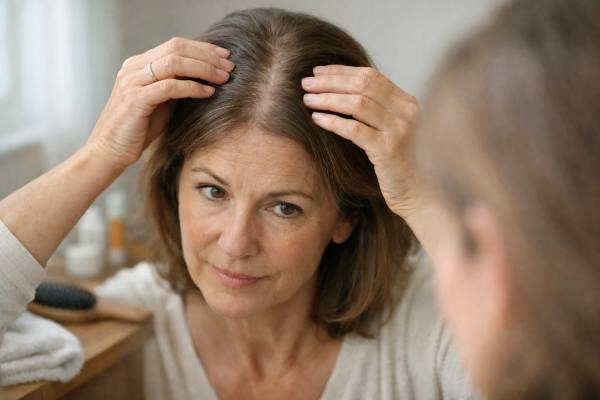
Hair changes during menopause can feel subtle at first. A part that looks a little wider, less volume at the crown, more scalp showing under bright bathroom light, or a ponytail that no longer feels as full often appear before obvious “hair loss” is named. That timing matters. Menopause is not just about periods stopping; it is a long hormonal transition that can alter the hair cycle, shaft quality, scalp oil balance, and the way follicles respond to androgens over time. The good news is that menopausal hair thinning is often manageable, especially when you identify the pattern early and separate true follicle miniaturization from temporary shedding or breakage. The most helpful approach is usually not a single miracle product, but a clear diagnosis, realistic expectations, and a treatment plan built around the type of loss you actually have. Once you understand how hormones, aging, genetics, and common overlapping issues interact, the problem becomes less mysterious and much more treatable.
Essential Insights
- Menopause-related hair loss often shows up as gradual thinning at the part and crown rather than sudden bald patches.
- Early treatment can help preserve density, slow miniaturization, and improve the appearance of fullness.
- Hormone therapy is not a universal hair-loss treatment and should not be started only for cosmetic thinning without a broader medical discussion.
- Take clear scalp photos every four to six weeks in the same lighting to track whether shedding is improving or pattern thinning is progressing.
Table of Contents
- How Menopause Changes the Follicle
- Common Thinning Patterns After Midlife
- What Can Look Like Menopausal Hair Loss
- What to Check Before Choosing Treatment
- Solutions With the Best Support
- Realistic Results, Timelines, and When to Escalate
How Menopause Changes the Follicle
Menopause usually arrives between ages 45 and 55, but hair often starts changing earlier, during perimenopause, when hormone levels fluctuate rather than drop in a straight line. That distinction helps explain why some people notice worsening shedding in their forties, then more stable but persistent thinning later. Hair follicles are sensitive to both estrogen and androgen signaling. As estrogen declines, the growth phase of hair can shorten, the resting phase can become more prominent, and individual strands may regrow finer than before. The result is not always dramatic hair coming out in handfuls. Just as often, it is a quiet reduction in density and caliber.
This hormonal shift does not act alone. Aging affects the scalp and follicle environment at the same time. Blood flow, inflammatory tone, oxidative stress, and the follicle’s energy metabolism may all change with age. That means menopausal hair loss is usually a combined story of endocrine change, genetic predisposition, and follicle aging, not a single low-estrogen problem with a single low-estrogen fix.
A useful way to think about the hormonal side is balance, not just amount. As ovarian estrogen production falls, the relative influence of androgens may become more visible even when androgen levels are not unusually high. In someone genetically prone to female-pattern thinning, that shift can accelerate miniaturization. The follicle gradually produces shorter, finer hairs, and the scalp becomes easier to see through the canopy of hair. This is why many people describe “my hair is still there, but it no longer covers like it used to.”
Not every person in menopause develops noticeable hair loss. Genetics remain a major filter. So do nutrition, thyroid health, stress load, sleep quality, and medication history. Some people mainly notice texture changes such as dryness, frizz, reduced shine, or a rougher feel. Others develop a clear widening of the part or thinning at the crown. That broader picture matters because menopause can change the hair shaft and scalp at the same time the follicles are changing.
If you want a foundation for understanding why visible density can change slowly over months, a guide to the hair growth cycle is helpful. Menopause tends to nudge that cycle toward shorter growth and more fragile regrowth, which is why consistency matters so much in treatment. The earlier you recognize that shift, the better your chances of preserving density before miniaturization becomes more established.
Common Thinning Patterns After Midlife
The most common menopause-associated pattern is female-pattern hair loss, also called female pattern thinning. It usually does not begin with a receding hairline in the classic male pattern. Instead, the typical early clue is a broader part, lower density through the midline, and more scalp show at the crown while the frontal hairline remains relatively preserved. Some people describe it as a “see-through” effect rather than true baldness. Others notice that styling becomes harder because the roots no longer hold shape or hide the scalp as well.
Clinicians often describe a few recognizable patterns. One is central thinning along the midline part. Another is diffuse crown thinning with preserved frontal framing. A third is the so-called Christmas tree pattern, where the part widens more toward the front. In real life, these patterns often overlap, and photographs taken months apart are more revealing than a single mirror check. That is why the best comparison points are usually the part, temples, top of the scalp, and the circumference of a ponytail.
Menopausal hair loss can also include increased shedding, but persistent patterned thinning and temporary telogen shedding are not the same process. With patterned loss, the follicle is becoming progressively smaller over time. With shedding, more hairs than usual are released, often a few months after a trigger such as illness, stress, surgery, weight loss, or medication change. Menopause can be present in the background while a second process makes the loss look faster or more alarming.
Features that fit common menopausal pattern thinning include:
- Gradual change over many months.
- A wider central part.
- Decreased crown volume.
- Finer regrowing hairs.
- Less density rather than totally empty patches.
Features that should make you think more broadly include:
- Smooth round bald patches.
- Broken hairs of uneven length.
- Heavy scale, pain, redness, or burning.
- Hairline recession with eyebrow loss.
- Rapid loss over a few weeks.
That last point matters because postmenopausal patients also have a higher chance of certain less common disorders, including frontal fibrosing alopecia, which can scar follicles and permanently reduce density if missed. Patchy autoimmune loss and inflammatory scalp disease also remain possible. That is why the label “menopausal hair loss” should describe a context, not replace a diagnosis.
For many readers, it helps to compare what they are seeing with the classic presentations of female-pattern thinning stages. Doing that can reduce unnecessary worry if the pattern is typical, but it can also raise a useful red flag if the loss looks patchy, inflamed, or scar-like. Pattern recognition is not everything, but it is where smart treatment begins.
What Can Look Like Menopausal Hair Loss
One reason menopause-related thinning is often frustrating is that several other conditions can arrive at the same time and distort the picture. It is easy to blame every strand on hormones, but the scalp and follicle are rarely that simple. A person in perimenopause might have mild female-pattern thinning, temporary telogen shedding after a viral illness, low ferritin from years of heavy periods before cycles stopped, and brittle breakage from heat styling all at once. That mixed pattern is common enough that a single-cause explanation often falls apart on closer review.
Telogen effluvium is one of the biggest imitators. It causes diffuse shedding, often two to three months after a trigger. Common triggers in midlife include fever, surgery, restrictive dieting, severe emotional stress, medication changes, and rapid weight loss. The hair comes out from the root rather than snapping mid-shaft, and shedding is usually more dramatic than in slow pattern thinning. Menopause itself can be stressful enough to change sleep, appetite, and mood, which can complicate the timeline.
Thyroid disease is another frequent overlap. Both hypothyroidism and hyperthyroidism can disrupt the hair cycle and make the scalp hair feel thinner, drier, or more fragile. Iron deficiency can do something similar, especially in women who had prolonged heavy menstrual bleeding before menopause. Vitamin B12, protein intake, vitamin D status, and major calorie restriction may also matter in selected cases, though not every hair-loss episode is caused by a deficiency.
Then there is scalp disease. Seborrheic dermatitis, psoriasis, contact dermatitis from hair dye, and inflammatory follicular disorders can all reduce density or increase shedding, especially when itching, burning, or scaling lead to rubbing and scratching. Mechanical causes also deserve attention. Frequent hot tools, tight styles, chemical straightening, and rough detangling can create a convincing illusion of “loss” when the bigger problem is shaft damage and breakage. A quick review of breakage versus true shedding can help if you are seeing short snapped hairs rather than full-length strands with bulbs.
Keep an eye out for these clues that the picture may be more than menopausal thinning:
- Sudden onset.
- Bald patches.
- Eyebrow or lash loss.
- Scalp tenderness, scale, or pustules.
- Marked fatigue, weight change, or temperature intolerance.
- Loss focused at the frontal hairline or edges.
The practical message is not that menopause is a poor explanation. It is that menopause often shares the stage. When people say, “My hair changed after menopause,” they are often right. But the best treatment plan still depends on identifying whether the main driver is miniaturization, shedding, inflammation, breakage, or several of them together. Hair improves faster when the diagnosis is precise.
What to Check Before Choosing Treatment
Before you spend money on serums, supplements, or procedures, it helps to do a careful review of what changed and when. The most useful first step is a timeline. Write down when your periods became irregular, when they stopped, when you first noticed reduced volume or increased shedding, and whether the change was sudden or gradual. Add other events from the prior three months, including illness, surgery, major stress, weight change, new medications, and any dramatic diet shift. That timeline often separates temporary shedding from slower patterned thinning.
Next, examine the pattern. Ask yourself where the loss is most visible. Is the part wider? Is the crown flatter? Are the temples or frontal hairline changing? Are you shedding long strands from the root, or seeing short broken hairs around the face and top layer? A few standardized photographs can be more helpful than memory:
- Center part from above.
- Crown in overhead light.
- Both temples.
- Front hairline.
- Ponytail circumference or clasp size if you wear one often.
An office visit becomes much more efficient when you bring that visual record. A clinician may then decide whether scalp examination, pull testing, trichoscopy, or lab work is warranted. Labs are not mandatory for everyone, but they are often reasonable when thinning is diffuse, shedding is significant, or symptoms suggest a second problem. Common checks may include thyroid testing, ferritin or iron studies, and a complete blood count. Depending on the history, vitamin B12, vitamin D, zinc, and other targeted tests may also make sense. A focused overview of hair-loss blood tests can help you understand why ferritin and thyroid testing come up so often in this conversation.
This is also the stage to review your medication list. Some blood-pressure drugs, retinoids, anticoagulants, and other prescriptions can affect shedding. Menopause treatment itself deserves a nuanced discussion here. Hormone therapy may improve overall menopausal symptoms and may indirectly help hair in some people, but it is not a guaranteed hair treatment and should not be started casually for thinning alone.
A few questions worth bringing to your visit are:
- Does this look like female-pattern thinning, telogen shedding, or both?
- Is there evidence of inflammation or scarring?
- Which labs are actually worth doing in my case?
- Would topical minoxidil fit my pattern?
- Am I a reasonable candidate for oral options or specialist therapies?
The aim is not to medicalize every bad hair month. It is to avoid treating the wrong problem. When the diagnosis is clear, treatment choices become much more rational, and disappointment becomes less likely.
Solutions With the Best Support
The strongest first-line option for typical female-pattern thinning remains minoxidil. For many people, that is the most evidence-based starting point because it directly supports hair growth and helps counter follicle miniaturization. Consistency matters more than intensity. Menopausal hair loss usually responds to sustained treatment, not quick bursts. A detailed look at how minoxidil works can be useful if you are deciding between starting now or waiting.
Topical minoxidil is often the first discussion because it is accessible and familiar. It does require patience. Some people notice early shedding as follicles shift phases, which can be unsettling if they were not warned. Benefits are usually judged over months, not weeks. The goal is often stabilization first, then thicker regrowth. If topical use is irritating, messy, or hard to stick with, some clinicians consider low-dose oral minoxidil off-label for selected patients, though that route requires medical screening and a discussion of side effects and contraindications.
Other treatments are usually more individualized. Antiandrogen therapy may be considered in some women, especially when pattern loss is clear and the clinician believes androgen sensitivity is playing a major role. Spironolactone is commonly discussed. Finasteride or dutasteride may also be used in specialist practice, especially after menopause, but these are not universal first-line choices and should be framed as medical treatments with monitoring, not beauty supplements in prescription form.
Additional options may include:
- Low-level light therapy as an adjunct.
- Platelet-rich plasma in selected patients.
- Cosmetic camouflage such as fibers, powders, and strategic cuts.
- Toppers or partial hairpieces when density loss is advanced.
- Scalp-care treatment if dandruff, dermatitis, or inflammation is amplifying shedding.
What about menopause hormone therapy? It may improve hair indirectly in some people by improving the hormonal environment and overall well-being, but it is not reliable enough to treat as a stand-alone hair-loss therapy. The decision to use it should rest on a broader menopause conversation that includes vasomotor symptoms, bone health, cardiovascular profile, and individual risk.
Supportive habits also matter more than they are often given credit for. Adequate protein, correction of confirmed deficiencies, gentler styling, and avoiding traction or repetitive heat damage can preserve the gain you make with medical treatment. In later stages, appearance-focused support is not “giving up.” It is often part of good care. For some readers, practical camouflage from wigs and toppers can immediately reduce distress while slower medical treatments do their work.
Realistic Results, Timelines, and When to Escalate
One of the hardest parts of menopausal hair loss is that it changes slowly, and so does improvement. That makes treatment feel uncertain even when it is working. In patterned thinning, success often means one of three things: reduced shedding, stabilization of density, or visible regrowth. People naturally focus on regrowth, but stabilization is often the first major win. If miniaturization is progressing, simply slowing it can preserve far more hair over the next few years than a person realizes in the first few months.
A reasonable treatment mindset is measured, not dramatic. Hair follicles need time to cycle. New growth is short at first, and density recovery lags behind biological improvement. That is why the mirror may not show much at six weeks even when the follicle environment has improved. Most plans need several months before they can be judged fairly, and many benefit from reassessment around the six- to twelve-month mark rather than constant week-to-week changes in products.
Use these markers instead of relying on fear alone:
- Is the part still widening?
- Is shower shedding decreasing?
- Do photos show less scalp show-through?
- Are new short hairs visible at the part or crown?
- Is the scalp healthier and less inflamed?
Escalation makes sense when any of the following are true:
- The diagnosis is uncertain.
- The loss is rapid or patchy.
- The frontal hairline is receding.
- There is pain, scale, burning, or pustules.
- A first-line plan has been followed consistently without a meaningful response.
- The emotional impact is high enough that daily life is being affected.
At that point, seeing a specialist is more productive than endlessly switching products. A dermatologist may clarify whether you are dealing with chronic shedding, more advanced female-pattern thinning, frontal fibrosing alopecia, or a mixed picture. If you are unsure where that threshold is, a guide on when to see a dermatologist can help frame the decision.
It is also important to be realistic about cure language. Menopause-related hair thinning is often manageable, but not always fully reversible. The goal is usually to preserve, improve, and cosmetically strengthen hair rather than restore a teenage density. That may sound modest, but in practice it can mean a dramatically better part line, more styling flexibility, and less daily anxiety. Hair treatment works best when it is approached as a long-term maintenance strategy, not a one-month rescue mission.
References
- Menopause, skin and common dermatoses. Part 1: hair disorders 2022 (Review)
- The Menopausal Transition: Is the Hair Follicle “Going through Menopause”? 2023 (Review)
- Female-pattern hair loss: therapeutic update 2023 (Review)
- The Efficacy and Safety of Oral Spironolactone in the Treatment of Female Pattern Hair Loss: A Systematic Review and Meta-Analysis 2023 (Systematic Review)
- Low dose oral minoxidil for the treatment of female pattern hair loss 2024 (Clinical Report)
Disclaimer
This article is for educational purposes only and is not a substitute for personal medical care. Hair thinning during menopause can overlap with thyroid disease, iron deficiency, autoimmune hair loss, inflammatory scalp disorders, and medication-related shedding, so treatment should be based on an individual evaluation. Seek prompt care for patchy loss, eyebrow loss, scalp pain or redness, scarring changes, or rapid worsening.
If you found this article useful, please share it on Facebook, X, or any platform your audience uses most.