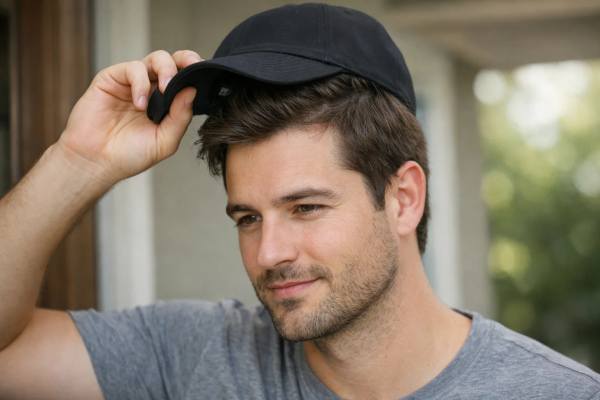
A hat can flatten hair, make thinning more noticeable, and leave the scalp warm or sweaty, which is why it so often gets blamed for hair loss. Helmets raise the stakes further: they fit closer, stay on longer, and add pressure, straps, friction, and trapped moisture. That mix is enough to create confusion, but not enough to make every cap or helmet a direct cause of baldness.
The more accurate answer is nuanced. Ordinary, well-fitting hats do not cause common genetic balding. Hair follicles are not “suffocated” by being covered. But repeated mechanical stress can create real problems in the right circumstances. A very tight fit, constant rubbing at the same points, tightly pulled hair underneath, and a sweaty, irritated scalp can contribute to breakage, scalp inflammation, and in some cases traction or pressure-related hair loss.
That distinction matters because the solution is not avoiding protective gear. It is wearing it more intelligently, protecting the scalp barrier, and spotting early warning signs before a temporary issue becomes a lasting one.
Key Facts
- Ordinary hats do not cause male-pattern or female-pattern baldness on their own.
- Tight helmets or snug headwear can contribute to friction, breakage, and localized traction or pressure-related hair loss.
- Sweat and occlusion are more likely to irritate the scalp or worsen bumps, itching, and buildup than to directly stop hair growth.
- A painful fit, tenderness, broken hairs, or thinning at pressure points means the setup needs to change early.
- Keep headgear clean, avoid tight hairstyles underneath, and remove sweaty gear promptly after use so the scalp can dry and recover.
Table of Contents
- Why the hat myth keeps going
- When headgear can cause real damage
- Breakage vs true follicle loss
- Scalp problems hats and helmets can worsen
- Practical ways to protect hair and scalp
- When to get a dermatology evaluation
Why the hat myth keeps going
The idea that hats cause hair loss survives because it is easy to believe what we can see. Hair looks flatter after a cap. The scalp may look shinier. Fine hair separates more under sweat. A helmet can leave the hairline compressed and the crown clumped. If someone already has early thinning, all of that can make the loss look suddenly worse. The hat gets the blame, even when it is mostly exposing a change that was already underway.
Another reason the myth sticks is timing. People often start wearing hats more often after they notice thinning. They wear them for coverage, sun protection, comfort, work, or sport. Later, they conclude that the hat must have caused the problem. In reality, the sequence is often reversed: the hair change came first, and the hat followed.
The “scalp cannot breathe” theory is also appealing because it sounds intuitive. But hair follicles do not depend on open air for oxygen in the way skin myths suggest. Follicles are supplied by blood flow. Covering the scalp with a hat does not, by itself, switch off growth. A hat may change temperature, sweat, and friction. It does not create genetic balding.
Where the myth becomes partly useful is that it points toward a real mechanical issue. Tight, repetitive contact can matter. So the statement “hats never affect hair” is too simplistic, but so is “hats make you bald.” The truth sits in the middle:
- Common forms of balding are mainly driven by genetics, hormones, autoimmune disease, illness, nutrition, inflammation, or medication effects.
- Headwear-related problems are usually local and mechanical, not systemic.
- Visible flattening is not the same as follicle damage.
- Temporary shedding of already loose hairs when removing a cap is not the same as causing hair loss.
This is also why different types of headwear behave differently. A loose baseball cap and a rigid work helmet do not affect the scalp in the same way. A satin-lined head covering worn over loose hair is not the same as a tight helmet worn over a slicked-back bun. The fit, material, duration, sweat level, and hairstyle underneath all matter.
People with preexisting thinning are especially vulnerable to confusion. A helmet can compress fine hairs, create stark part lines, and make the scalp show more. In these cases, the headgear may not be creating the thinning, but it can make it more obvious. That cosmetic effect is real, even when the biologic cause lies elsewhere.
The most helpful reframing is this: a hat is rarely the root cause of widespread baldness, but poorly fitting or tightly worn headgear can become a local aggravator. Once you understand that, the question stops being “Should I stop wearing hats?” and becomes “Is this fit, routine, or hairstyle creating repeated stress on the same hair and scalp areas?”
When headgear can cause real damage
There are three main ways tight hats or helmets can cause genuine problems: traction, friction, and pressure. These are different mechanisms, but they often overlap in real life.
Traction happens when hair is kept under steady pulling force. This often comes less from the hat itself than from the hairstyle underneath it. A tight bun, braids, locs, cornrows, or a slick ponytail creates constant tension before the hat ever goes on. When a snug helmet presses that style down further, the follicles along the hairline, temples, or nape may experience even more pull. Over time, this can contribute to traction alopecia, a preventable form of hair loss that may become permanent if ignored for too long.
Friction is more about rubbing than pulling. Helmet padding, seams, rough fabrics, and repeated donning and removal can wear down the hair shaft. This usually causes breakage first. It is especially common around the front hairline, behind the ears, the crown, or the occiput where a helmet rests and moves. Friction damage is more likely when hair is dry, chemically processed, fragile, or already thinned.
Pressure is the least common but most specific mechanism. In unusual cases, repeated pressure on the same scalp points can interfere with the local environment enough to trigger a circumscribed patch of hair loss. This is not the everyday “my beanie is snug” scenario. It is more relevant to prolonged or repeated strong compression from specialized headgear, rigid fittings, straps, or poorly adjusted equipment.
Real-life risk increases when these factors stack:
- Tight headgear
- Long wear time
- Tight hairstyles underneath
- Frequent sweating
- Damaged interior padding or stiff seams
- Scalp inflammation already in progress
- Fragile or miniaturized hair
This is why the same helmet may be harmless for one person and problematic for another. Someone with short, loose hair and a well-fitted clean helmet may do fine. Someone wearing a tight braid base under a close-fitting helmet for hours a day may not.
Certain groups deserve extra attention:
- Cyclists and motorcyclists
- Construction and industrial workers
- Firefighters and military personnel
- Contact-sport athletes
- Equestrians and skiers
- People who wear religious or cultural head coverings over tightly pulled styles
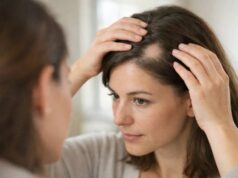
The earliest warnings are often subtle. You may notice soreness at contact points, tenderness when moving the hair, short broken hairs at the edge, a receding-looking margin that is not your usual hairline, or a small patch that lines up with where the gear sits. Those clues matter more than the myth itself.
If you want a useful rule, it is this: headgear is most likely to cause trouble when it creates repeated stress in the same place and the scalp never gets a chance to recover. That is mechanical injury, not ordinary baldness. And it is often reversible if you intervene early enough.
Breakage vs true follicle loss
One reason headwear causes so much anxiety is that people often cannot tell whether they are seeing breakage, shedding, or actual loss from the follicle. The distinction matters because the next step is different for each one.
Breakage is damage along the hair shaft. The root is still in the scalp, but the strand snaps somewhere above it. This is common when friction is the main problem. Hair may look fuzzy, frayed, shorter in one area, or uneven around the front and sides. You may see lots of short pieces on clothing or inside the helmet, but not many long strands with a bulb on one end.
Shedding means whole hairs are falling out from the root. If the hair has a small pale club at the end, it is usually a shed hair. A hat or helmet may remove hairs that were already loose, especially after sweat and friction, but that does not prove the headwear caused the underlying shedding cycle.
Follicle loss from traction or pressure is different again. Here, the problem is not just shaft damage. The repeated force affects the follicle environment itself. Early on, you may still see regrowth and short fine hairs. Later, the area may look smoother, sparser, or more clearly recessed.
A practical way to separate them:
- Breakage looks like shorter, snapped strands of many lengths.
- Shedding looks like full-length hairs coming out more than usual.
- Traction-type loss often appears in predictable zones such as the temples, frontal rim, sides, behind the ears, or wherever straps and pressure concentrate.
The mirror can be misleading. Compressed “helmet hair” often makes the scalp more visible than it really is. Fine hairs get flattened in the same direction, which can mimic thinning. Once the hair is washed, dried, and lifted, the density may look much better. That kind of change is cosmetic, not structural.
There are also pattern clues. Traction and friction from headwear usually produce localized changes. Common balding patterns are broader and more biologically patterned. If the crown is slowly widening, the temples are receding in a classic way, or the part has been broadening over years, headwear is less likely to be the primary cause. If the issue matches points of tension or rubbing, the gear deserves more suspicion.
Signs that the follicles themselves may be affected include:
- Hairline recession where the gear sits
- Thinning that maps to the helmet edge or strap line
- Scalp pain or stinging with use
- Loss of density that does not improve after loosening the setup
- Shiny skin or loss of visible follicle openings in a chronic area
It can help to compare what you are seeing with the difference between breakage and true hair loss before assuming the worst. Many people discover that what looked like “helmet baldness” is mainly shaft damage plus flattening. Others catch early traction while it is still reversible. Both outcomes are better than guessing.
Scalp problems hats and helmets can worsen
Tight hats and helmets are more likely to aggravate scalp conditions than to cause widespread baldness outright. This is where sweat, heat, occlusion, and hygiene matter most.
A warm, enclosed environment can make the scalp feel itchy, oily, tender, or stale by the end of the day. For some people, that is just discomfort. For others, especially those prone to dandruff, folliculitis-like bumps, or an already sensitive scalp barrier, headgear can intensify symptoms enough that the hair starts to suffer secondarily.
Common issues include:
- Scalp irritation: friction and pressure can leave the scalp sore or “aware” in the areas where gear sits.
- Folliculitis-like bumps: sweat, oil, and occlusion can encourage clogged or inflamed follicles, especially under dirty liners or along straps.
- Seborrheic flaking: heat and occlusion can make greasy scale and itching feel worse.
- Odor and buildup: frequent sweating without prompt cleansing can leave residue on the scalp and inside the headgear.
- Tenderness or trichodynia: some people develop scalp pain that makes brushing or moving the hair uncomfortable.
These changes do not always cause hair loss directly, but they can set up a cycle that is bad for retention. An itchy scalp gets scratched. Inflamed follicles get rubbed again. A painful hairline is tied back even tighter for control. Breakage increases. The person shampoos less often because they are afraid washing will “make it fall out.” The environment worsens.
This is one reason scalp comfort matters so much. Healthy hair grows from a scalp that is not persistently inflamed, traumatized, or smothered in sweat and debris. The solution is usually not a complicated routine. It is a cleaner, lower-friction system.
Clues that your scalp, not just your hair, is under strain:
- Persistent itching after helmet wear
- Small pustules or tender bumps
- Redness at the hairline or nape
- Thick greasy scale
- Burning or soreness under straps
- A musty smell from the liner or scalp
- Relief when you stop wearing the gear for a few days
If bumps or tenderness are part of the picture, it helps to recognize when this is drifting into follicle inflammation and scalp bumps rather than simple “hat hair.” Likewise, soreness that lingers can overlap with scalp pain and tenderness patterns that deserve gentler handling.
The important point is that sweat itself is not toxic to follicles. The problem is the combination of sweat, rubbing, pressure, delayed cleansing, and repeated use on an already stressed scalp. Once that cycle is broken, many people notice less itching, less tenderness, and less apparent “shedding” simply because the scalp is calmer and the hair shaft is being treated more gently.
Practical ways to protect hair and scalp
The best scalp health tips are the ones you can actually follow while still wearing the gear you need. That means focusing on fit, friction, moisture, and hairstyle choice rather than chasing miracle products.
Start with the fit. A helmet should be secure for safety, but it should not cause pain, leave deep pressure marks, or create a constant hot spot. If one area always feels tender, do not ignore it. Padding breakdown, a poor size choice, or an uneven strap setup can create the same repeated stress every day.
Next, look at what sits under the headgear. Tight styles raise the mechanical load before the hat goes on. Whenever possible:
- Wear hair lower-tension under the helmet
- Avoid tight buns placed exactly where the shell presses
- Loosen slick ponytails and braids around the hairline
- Vary the placement of clips, parts, and gathered sections
- Choose smooth accessories over sharp elastics or rigid clips
For people with textured, curly, or fragile hair, the goal is to reduce rubbing and preserve the shaft. A smooth, breathable liner may help some users, especially if the interior material is rough. A bulky liner that makes the helmet tighter, though, can backfire. Comfort should improve, not compress.
Sweat control is the next pillar. After intense activity or long wear, remove the gear promptly and let the scalp dry. Clean the liner regularly, especially in hot weather or high-sweat sports. If the scalp gets oily or itchy quickly, wash based on scalp need rather than fear. Many people do better when they follow a wash schedule that matches their scalp type instead of stretching wash days too far.
A simple maintenance routine works well:
- Inspect pressure points weekly.
- Wipe or wash liners after heavy sweating.
- Shampoo often enough to keep the scalp comfortable.
- Replace damaged or rough interior padding.
- Rotate hairstyles so the same follicles are not stressed every day.
- Change the setup early if you feel pain, stinging, or see edge breakage.
Do not forget sun protection. If hair is already thinning, a hat can protect exposed scalp skin outdoors. In that situation, headwear may actually help the scalp more than harm it, especially when paired with scalp sun protection strategies for areas the hat does not cover.
What not to do:
- Do not stop using a required safety helmet because of an internet myth.
- Do not keep wearing a painfully tight setup hoping the scalp will “get used to it.”
- Do not use heavy oils under occlusive gear if they worsen buildup or bumps.
- Do not ignore early edge thinning because the area still fills in when styled.
Think of this as load management for the scalp. The objective is not perfect hair every minute you wear headgear. It is keeping stress low enough that the follicles and hair shaft can tolerate the routine over months and years.
When to get a dermatology evaluation
Most hat and helmet issues improve once the mechanical stress is corrected, but some patterns deserve a formal evaluation sooner rather than later. The biggest reason is that people often blame headwear for hair loss that actually comes from another cause.
See a dermatologist if you notice:
- A widening part or progressive crown thinning
- Smooth round or oval bald patches
- Rapid shedding from the whole scalp
- Thick scale, crusting, or pustules
- Persistent scalp pain
- Shiny skin where hair used to grow
- No improvement after reducing friction and tension for several weeks
These features raise the chance that something else is involved. Common alternatives include androgen-related thinning, alopecia areata, telogen effluvium, seborrheic dermatitis, psoriasis, folliculitis, or a scarring alopecia. Headwear may still be making the area feel worse, but it may not be the main driver.
A useful clue is distribution. Headgear problems tend to map to contact zones: the frontal rim, the temples, behind the ears, the nape, or a focal pressure point. If the pattern is broader, more diffuse, or does not match the gear at all, another diagnosis becomes more likely. The same is true if the scalp looks inflamed or the density keeps dropping despite a looser fit and gentler routine.
Early traction deserves special attention because it is often reversible at first and much harder to reverse later. Watch for:
- Short broken hairs at the front and sides
- Recession that follows your styling pattern
- Tenderness when hair is pulled back
- A “fringe” of preserved hairs with thinning just behind it
- Gradual worsening over months of tight use
If you are unsure whether the problem is mechanical or medical, take standardized photos every 2 to 4 weeks in the same lighting and with the same hairstyle. That record often shows whether the loss is stable, improving, or spreading beyond the headgear zones.
A clinician may examine the scalp with dermoscopy, look for signs of miniaturization or inflammation, and decide whether you need treatment, a scalp culture, blood work, or rarely a biopsy. Sometimes the best outcome is simple reassurance that your helmet is flattening fine hair but not damaging follicles. Other times, the evaluation catches early traction, folliculitis, or an unrelated hair disorder before it becomes harder to manage.
The most important final point is practical: never trade head safety for hair anxiety. Helmets save lives. If your headgear routine is affecting your scalp, the answer is almost always to improve the fit, the hairstyle, the hygiene, or the diagnosis — not to stop protecting your head.
References
- Traction Alopecia: Clinical and Cultural Patterns 2021
- Traction alopecia: assessing the presentation, management and outcomes in a diverse urban population 2023
- Pressure alopecias: A review 2024 (Review)
- Hairstyles that pull can lead to hair loss 2024
Disclaimer
This article is for educational purposes only and is not a diagnosis or a substitute for personal medical care. Hair loss and scalp symptoms have many causes, and headwear is only one possible contributor. Seek medical evaluation if you have patchy bald spots, persistent pain, significant shedding, scalp inflammation, or thinning that continues despite changing your hat or helmet routine.
If this article helped you, please share it on Facebook, X (formerly Twitter), or another platform your audience prefers.