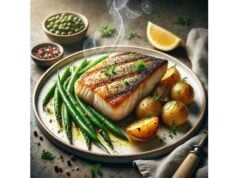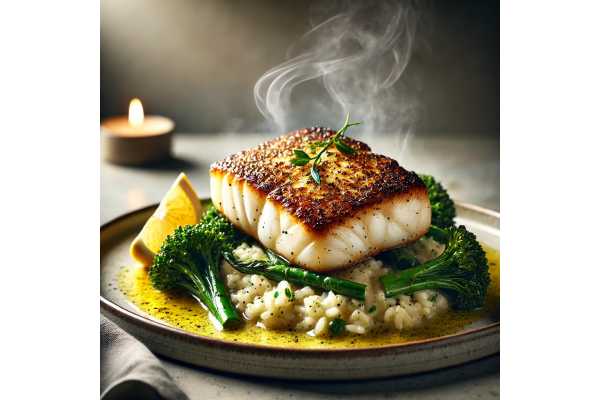
Halibut is a firm, mild white fish prized for its clean flavor, thick steaks, and ability to shine in everything from quick skillet meals to elegant roasts. Behind its refined taste is practical nutrition: high-quality protein, meaningful selenium and vitamin D, and modest long-chain omega-3s—without much fat or sodium. Atlantic and Pacific halibut are distinct species with different fisheries and seasons, yet both offer versatile, weeknight-friendly cooking. Because halibut’s texture stays meaty when roasted or grilled, it’s a popular swap for chicken in Mediterranean-style eating patterns and an easy entry point for people who prefer mild seafood. This guide brings together what matters most: how halibut fits a healthful diet, where it stands on mercury, how to buy sustainably and store safely, and the best ways to cook it while preserving nutrients and flavor.
Quick Overview
- Lean, high-quality protein (~18–19 g/100 g) with selenium, vitamin D, B6, and B12.
- Typical serving: 120–170 g cooked (4–6 oz), 1–2 times weekly within a varied seafood pattern.
- Halibut appears among “good choices” for mercury; limit to about once weekly for pregnancy and young children.
- Avoid if you have a finfish allergy; people on iodine-restricted diets or who must avoid raw foods should choose thoroughly cooked options or other proteins.
Table of Contents
- Halibut: Detailed Overview
- Halibut Nutrition Profile
- Evidence-Based Benefits of Halibut
- Risks, Allergies and Interactions
- Selecting, Quality, Sustainability and Storage
- Preparation, Cooking and Nutrient Retention
- Portions, Comparisons and FAQs
Halibut: Detailed Overview
Halibut refers primarily to two large flatfish: Atlantic halibut (Hippoglossus hippoglossus) and Pacific halibut (Hippoglossus stenolepis). Both deliver thick, boneless steaks and loins with a mild, sweet flavor and a firm, flaky texture that holds together during roasting, grilling, or pan-searing. Compared with delicate white fish like sole, halibut behaves more like a “steak fish,” making it ideal for high-heat techniques and bold sauces.
Nutritionally, halibut is lean yet nutrient-dense. A 100 g raw portion provides roughly 18–19 g of complete protein for around 90 kcal, very little saturated fat, and helpful amounts of selenium and vitamin D. Its long-chain omega-3s (EPA and DHA) are moderate rather than high. That profile makes halibut a good fit when you want seafood’s benefits without the oiliness of salmon or mackerel, or when you’re building heart-healthy plates that swap in fish for red meat.
From a safety perspective, halibut typically falls into “good choices” on consumer mercury charts. For people who are pregnant or breastfeeding and for young children, that category translates into about one 4-ounce serving per week; most others can include halibut as part of two or more weekly seafood servings with variety across species. As with any wild-caught fish, raw consumption requires parasite-control steps (commercial freezing) that home freezers may not reliably achieve.
In the kitchen, halibut rewards attention to moisture. Its lean flesh can dry if overcooked; gentle roasting, searing then finishing in the oven, or cooking “en papillote” are smart ways to keep it juicy. Flavor partners are simple and bright: lemon, capers, olive oil, fresh herbs, spring vegetables, roasted peppers, or a light yogurt-tahini sauce. Because halibut is neutral, it also adapts to miso-ginger glazes, tomato-herb braises, and spice-rubbed grills.
Halibut Nutrition Profile
Basis for tables: Raw halibut, per 100 g. % Daily Value (%DV) uses adult reference DVs (protein 50 g; sodium 2300 mg; potassium 4700 mg; calcium 1300 mg; iron 18 mg; zinc 11 mg; magnesium 420 mg; phosphorus 1250 mg; selenium 55 µg; iodine 150 µg; vitamin D 20 µg; vitamin B12 2.4 µg; niacin 16 mg; riboflavin 1.3 mg; thiamin 1.2 mg; vitamin B6 1.7 mg; folate 400 µg DFE; choline 550 mg). Values vary by species, season, and cut.
Macros and Electrolytes (per 100 g)
| Nutrient | Amount | %DV |
|---|---|---|
| Energy | ~91 kcal | — |
| Protein | 18.6 g | 37% |
| Total Fat | 1.3 g | — |
| Saturated Fat | 0.29 g | — |
| Carbohydrate | 0.0 g | — |
| Sodium | 68 mg | 3% |
| Potassium | 435 mg | 9% |
| Water | ~80 g | — |
Fats and Fatty Acids (per 100 g)
| Nutrient | Amount | %DV |
|---|---|---|
| Total Monounsaturated Fat | 0.47 g | — |
| Total Polyunsaturated Fat | 0.29 g | — |
| Omega-3s (EPA + DHA + DPA) | ~0.18 g (180 mg) | — |
| – of which EPA (20:5 n-3) | ~0.056 g | — |
| – of which DHA (22:6 n-3) | ~0.109 g | — |
| Omega-6s (18:2 etc.) | ~0.03 g | — |
Protein and Amino Acids
Halibut provides complete protein with all essential amino acids in proportions well-suited to muscle maintenance and repair. Typical 100 g portions provide ~18–19 g protein on few calories, with leucine and lysine among the most abundant essential amino acids.
Vitamins (per 100 g)
| Vitamin | Amount | %DV |
|---|---|---|
| Vitamin D | ~4.7 µg | 24% |
| Vitamin B6 (Pyridoxine) | ~0.55 mg | 32% |
| Niacin (Vitamin B3) | ~6.5 mg | 41% |
| Vitamin B12 (Cobalamin) | ~1.1 µg | 46% |
| Riboflavin (Vitamin B2) | ~0.04 mg | 3% |
| Thiamin (Vitamin B1) | ~0.05 mg | 4% |
| Folate | ~12 µg | 3% |
| Choline | ~62 mg | 11% |
| Vitamin A (RAE) | ~20 µg | 2% |
Minerals and Trace Elements (per 100 g)
| Mineral | Amount | %DV |
|---|---|---|
| Selenium | ~46 µg | 83% |
| Phosphorus | ~236 mg | 19% |
| Potassium | ~435 mg | 9% |
| Magnesium | ~23 mg | 5% |
| Iron | ~0.17 mg | 1% |
| Zinc | ~0.36 mg | 3% |
| Calcium | ~7 mg | <1% |
| Iodine | ~10 µg | 7% |
| Sodium | ~68 mg | 3% |
Contaminants and Residues
- Mercury: Halibut appears in “good choices” on federal consumer advice; for pregnancy and young children that translates to one serving per week from this category.
- Parasites: As with many wild fish, raw or undercooked halibut can harbor parasites; see Section 4 and 6 for safe-handling and freezing guidance for raw dishes.
Allergens and Intolerance Markers
- Fish protein is a major allergen; cross-reactivity among finfish is common.
- Naturally gluten-free; contains no carbohydrate.
Footnotes
- Values reflect raw fish; cooking changes water content and can shift micronutrients (especially vitamin D and some B vitamins).
- Omega-3 levels vary with species, diet, and season; numbers above represent typical ranges for raw halibut.
Evidence-Based Benefits of Halibut
1) Lean, complete protein on few calories
Halibut delivers ~18–19 g of complete protein per 100 g raw with minimal saturated fat. That high protein-to-calorie ratio supports satiety and helps adults meet daily protein goals without raising sodium or saturated fat. For active people and older adults—who benefit from higher-quality protein—halibut’s essential amino acids (notably leucine and lysine) help maintain lean mass.
2) Selenium for antioxidant defenses
A typical 100 g portion supplies around 46 µg selenium (~83% DV). Selenium supports selenoproteins that protect cell membranes from oxidative stress and aid thyroid hormone metabolism. Seafood-derived selenium is highly bioavailable, and including halibut in a varied seafood pattern can help many adults meet daily needs.
3) Useful vitamin D and B-vitamin support
Halibut provides roughly 20–25% DV for vitamin D per 100 g raw, plus vitamin B6 and B12. Vitamin D contributes to bone and immune health; B6 and B12 support energy metabolism and nervous system function. While oily fish tend to be richer in vitamin D, halibut still makes a meaningful contribution—especially when combined with fortified foods or sun exposure as recommended.
4) Moderate omega-3s in a heart-forward pattern
Halibut contains modest amounts of EPA and DHA (about 150–200 mg per 100 g raw). On its own, that may not reach common daily targets (250–500 mg). However, health benefits from seafood come from the overall pattern: swapping fish for higher-saturated-fat proteins, adding vegetables and whole grains, and eating seafood regularly. Pair one halibut meal with one oily fish meal weekly for a practical approach.
5) Digestible, versatile, and family-friendly
Halibut’s firm texture holds up to grilling and roasting, making it an easy replacement for chicken in familiar recipes. Its mild flavor is kid-friendly and takes well to lemon, garlic, herbs, and simple pan sauces. Because it’s lean, diners who find oily fish too rich often enjoy halibut.
How to make the benefits work for you
- Build two seafood dinners weekly; make one a halibut dish and one an oily fish.
- Serve with olive oil and vegetables for a Mediterranean-style plate.
- Aim for doneness that’s moist and just-opaque to preserve texture and enjoyment, which helps consistency over time.
Risks, Allergies and Interactions
Allergy and cross-contact
Fish allergy can provoke reactions from hives to anaphylaxis. Cross-contact is common in shared fryers and grills. If you have a diagnosed finfish allergy, avoid halibut and dishes prepared on shared equipment. Introduce fish to children in small, well-cooked portions and monitor for symptoms.
Mercury guidance
In federal consumer advice, halibut appears in the “good choices” category, indicating about one serving per week for those who are pregnant or breastfeeding and for children. Most other adults can include halibut within the general seafood recommendation (≥8 oz or ≈2 servings weekly) while rotating species. Varying your seafood choices helps distribute exposure and enhances nutrient diversity.
Parasites and raw preparations
Wild fish—including halibut—may carry parasites such as Anisakis larvae. Cooking to 63°C/145°F in the thickest part until opaque and flaking kills parasites. If serving raw or lightly cured dishes (e.g., crudo, ceviche), use fish that has been commercially frozen to parasite-killing temperatures (for example, −20°C/−4°F for 7 days, or −35°C/−31°F until solid plus a holding period). Household freezers may not achieve these temperatures quickly or consistently.
Foodborne illness prevention
Keep halibut cold (≤4°C/40°F), minimize time in the “danger zone,” and refrigerate leftovers within 2 hours (1 hour if ambient temperature ≥32°C/90°F). Consume cooked leftovers within 1–2 days and reheat gently to avoid drying out the lean flesh.
Drug and nutrient considerations
- Anticoagulants: Food-level omega-3 from halibut portions is modest; interactions with blood thinners are unlikely at typical intakes. High-dose omega-3 supplements are a separate discussion with a clinician.
- Iodine restriction: Halibut’s iodine is relatively low versus some white fish, but anyone on an iodine-restricted plan should follow their clinician’s guidance and consider portion frequency.
- Sodium: Plain halibut is naturally low in sodium; breaded or sauced restaurant dishes may be higher—ask for sauces on the side.
Who should limit or avoid halibut?
- Those with confirmed finfish allergy.
- People on strictly iodine-restricted diets (as advised).
- Individuals advised to avoid raw animal foods (pregnancy, immunocompromise) should eat halibut only thoroughly cooked.
Selecting, Quality, Sustainability and Storage
Know the species and source
Ask which halibut you’re buying: Atlantic (often sold fresh in season; strictly managed with conservative quotas) or Pacific (a distinct species with long-standing science-based management). Different stocks and seasons influence availability, size, and price. Reputable sellers can name species, catch area, and gear.
Freshness cues
- Whole fish: Bright, clear eyes; moist red gills; firm flesh that springs back.
- Fillets/loins: Glossy, translucent white with tight flakes; minimal gaping; clean, ocean-fresh smell—never sour or ammonia-like.
- Color: Raw halibut should not look dull, yellowed, or dried at the edges.
Sustainability snapshot
Many halibut fisheries are closely monitored with annual stock assessments, size limits, and catch controls. U.S. landings are tracked, and handling standards are high. When possible, prefer sources with transparent traceability and independent assessments. Rotating among well-managed species (e.g., cod, pollock, sablefish, rockfish) spreads demand and supports resilient seafood systems.
Smart shopping tips
- Fresh vs. frozen: Frozen halibut can be excellent. Rapid freezing and a protective glaze preserve texture. Choose vacuum-sealed packs with no ice crystals or dried edges.
- Cut matters: Thick center-cut loins are best for roasting and grilling; thinner tail pieces suit tacos, chowders, fish pies, or quick sautés.
- Skin-on vs. skinless: Skin provides structure for searing; remove after cooking if you prefer.
Storage guidelines
- Refrigerate at 0–2°C (32–36°F), ideally nestled on ice in a drainable container. Cook within 24 hours of purchase for best texture.
- Freeze promptly for longer storage at −18°C (0°F) or below; wrap tightly to avoid freezer burn. Lean white fish maintains good quality for 3–6 months when well wrapped.
- Thaw slowly in the refrigerator overnight or under cold running water in a sealed bag; never at room temperature.
Low-waste ideas
- Turn leftover cooked halibut into next-day fish cakes with mashed potatoes, herbs, and lemon.
- Use trimmings in chowders or tomato-herb stews; simmer bones gently 20–30 minutes for a delicate stock.
Preparation, Cooking and Nutrient Retention
Halibut’s lean flesh means it cooks quickly and can dry if pushed past doneness. Moisture-preserving methods and sensible temperatures protect texture and micronutrients.
Moist-heat techniques
- Steaming: Keeps fillets tender; finish with lemon-capers and olive oil or ginger-scallion dressing.
- Shallow poaching: Simmer gently in vegetable stock, tomato-garlic broth, or coconut-lime milk; the liquid becomes a ready sauce.
Dry-heat with protection
- Roasting/baking: Brush with olive oil; roast thick loins at 190–205°C (375–400°F) for 10–14 minutes depending on thickness. Cooking “en papillote” (parchment packets with vegetables and aromatics) traps steam and reduces vitamin losses to cooking water.
- Pan-searing then oven finish: Sear in a hot pan to develop color, then transfer to a 180°C/350°F oven to finish gently and evenly—this reduces surface overcooking.
- Grilling: Use thicker cuts, well-oiled grates, and a fish spatula. Pull at opaque and just-flaking.
Frying and breading
A light crumb coating can act as a moisture barrier. Deep-frying raises energy density and may slightly reduce long-chain omega-3 retention versus baking or steaming. If frying, use fresh oil and drain well.
Doneness and safety
- For broad safety guidance, cook to 63°C/145°F in the thickest part until the flesh is opaque and flakes easily.
- For maximum juiciness in low-risk populations, some chefs target 50–55°C (122–131°F) center temperature by sous-vide or careful monitoring; understand and accept the risk profile before using lower-temperature methods at home.
Retention pointers
- Minimize overcooking: Pull halibut shortly after it turns opaque; carryover heat will finish the center.
- Use sauces wisely: Olive-oil-based sauces add heart-healthy fats; acidic components (lemon, wine, tomatoes) brighten flavor without heavy sodium.
- Leftovers: Reheat gently, covered, in a low oven or over low heat with a splash of liquid to prevent dryness.
Five nutrient-smart preparations
- Lemon-herb roasted halibut: Thick loins with olive oil, garlic, parsley, and lemon; roast 12 minutes and rest 3 minutes.
- Halibut “green sauce” (parsley-garlic-olive oil emulsion) with peas and sautéed spinach.
- Miso-ginger broiled halibut: Brief marinade, quick broil, finish with scallions and sesame seeds.
- Mediterranean tomato-olive braise: Poach in a skillet with cherry tomatoes, olives, capers, and fennel.
- Crisp oven “fried” halibut: Whole-grain crumbs on a wire rack; bake until just-opaque.
Raw or lightly cured dishes
If you plan crudo or ceviche at home, start with fish that has been commercially frozen to parasite-killing temperatures. Acid alone does not reliably inactivate parasites.
Portions, Comparisons and FAQs
What is a practical serving?
For most adults, 120–170 g cooked (4–6 oz) is a satisfying entrée portion, delivering ~24–32 g of protein with modest calories. Within a seafood pattern of two or more servings weekly, include halibut once or twice and rotate oily fish for higher omega-3 days.
Halibut vs. cod vs. salmon
- Halibut: Firm, meaty texture; lean; moderate omega-3; notable selenium and vitamin D; excellent for roasting and grilling.
- Cod: Leaner and flakier; slightly lower fat and vitamin D; excellent for baking, soups, and fish pies.
- Salmon: Higher omega-3 (EPA/DHA) and vitamin D; richer flavor; ideal when you’re targeting cardiovascular benefits from long-chain omega-3s.
Is halibut “low mercury” or “high mercury”?
It sits in the “good choices” category, a middle tier indicating about one serving per week for pregnancy and young children. It’s not in the “highest mercury” list. Most other adults can enjoy halibut within the standard seafood pattern while varying species.
Can athletes or weight-managers rely on halibut?
Yes. Its high protein-to-calorie ratio supports satiety and muscle maintenance. Pair with fiber-rich sides (beans, vegetables, whole grains) to build filling meals that align with training or weight-management goals.
What about sodium and blood pressure?
Plain halibut is naturally low in sodium. Restaurant preparations can add salt; request sauces on the side and choose grilled or roasted options.
Budget and availability
- Buy frozen loins or fillets for value; thaw slowly in the fridge for best texture.
- Use thinner tail pieces in tacos or chowders; reserve thick loins for roasting and grilling.
- Consider alternatives (pollock, rockfish, sablefish, haddock) when halibut is out of season or pricey.
Substitutions in recipes
If a recipe calls for halibut, you can substitute cod, haddock, pollock, rockfish, or thick cuts of mahi-mahi. Adjust cooking time to thickness and check for doneness early.
References
- USDA FoodData Central 2024 (Database)
- Advice About Eating Fish 2021 (Guidance)
- About Anisakiasis 2024 (Public Health Guidance)
- Atlantic Halibut: Seafood 2025 (Species Profile)
- Omega-3 Fatty Acids – Health Professional Fact Sheet 2024 (Fact Sheet)
Disclaimer
This guide is for general education about halibut’s nutrition, culinary uses, and safety. It is not a substitute for personalized medical advice, diagnosis, or treatment. Dietary choices should reflect your health status, medications, allergies, and life stage. Consult a qualified health professional for tailored recommendations.
If this article helped you, please consider sharing it with friends or on your preferred platform (Facebook, X, or elsewhere). Your support helps us continue creating careful, people-first nutrition resources.