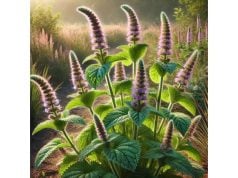
Hamamelis, better known as American witch hazel, is one of those herbs that sits at the boundary between traditional herbal medicine and modern skin care. The bark, leaves, and distilled twigs of Hamamelis virginiana have long been used for their astringent, soothing, and anti-inflammatory qualities, especially in products meant for minor skin irritation, hemorrhoid discomfort, and mucosal care. What makes hamamelis especially interesting is its chemistry: it is rich in tannins and related polyphenols that help explain its “tightening” feel on the skin and its reputation for calming oozing, itching, and mild inflammation. At the same time, it is easy to oversimplify this herb. Hamamelis is useful, but it is not a cure-all, and stronger is not always better, especially with alcohol-based distillates on sensitive skin. The most practical way to understand it is to focus on what it does best, how the main preparations differ, which dose ranges have traditional regulatory support, and where the evidence is encouraging but still limited.
Key Insights
- Hamamelis is most useful for minor skin irritation, dryness, and itching or burning linked with hemorrhoids.
- Traditional topical preparations are commonly used at 5 to 10% several times daily, depending on the form.
- Alcohol-based hamamelis products may sting or dry the skin, especially on an impaired skin barrier.
- Children under 12 should avoid most unsupervised medicinal uses, and anorectal use is not recommended under 18.
- People with very sensitive skin, known plant allergy, or persistent rectal bleeding should avoid self-treatment and seek medical advice.
Table of Contents
- What is hamamelis
- Key ingredients and medicinal properties
- Hamamelis benefits for skin
- Does hamamelis help hemorrhoids
- How to use hamamelis
- How much hamamelis should you use
- Side effects and interactions
- What the evidence actually says
What is hamamelis
Hamamelis is a North American shrub or small tree best known from the species Hamamelis virginiana. In everyday use, most people know it as witch hazel, usually in the form of a clear liquid applied to the skin. But that familiar bottle is only one version of the herb. Medicinal hamamelis can come from the bark, the leaves, or a distillate prepared from leafy twigs. Those forms are not identical. Extracts from bark and leaves are richer in tannins and other nonvolatile polyphenols, while distillates are lighter and behave differently on the skin.
That distinction matters because readers often treat all witch hazel products as interchangeable. They are not. A bark extract cream, an alcohol-based facial toner, and a rectal astringent pad may all be called hamamelis, yet they differ in strength, solvent, and practical effect. Some are chosen for dryness and minor inflammation. Others are used for itching, burning, or the damp, irritated feel that comes with superficial skin stress. In traditional European herbal regulation, the herb has been recognized mainly for minor skin inflammation, dryness, anorectal discomfort linked to hemorrhoids, and mild oral or throat irritation when used as a gargle.
Hamamelis is also a good example of a herb that bridges pharmacy and cosmetics. It appears in medicinal ointments, hemorrhoid products, scalp formulas, aftershave liquids, and “pore-tightening” toners. That wide range of uses can make it seem broader than it really is. In practice, its strongest role is topical support. It is not chiefly an internal wellness herb, and modern evidence does not support casual oral use for general health.
A practical way to think about hamamelis is this: it is a targeted herb for local tissue support. It may help a damp, irritated, mildly inflamed surface feel calmer and less reactive. It may also leave the skin feeling tighter because of its astringent chemistry. That can be helpful in the right situation and irritating in the wrong one. Readers who understand that balance usually get better results and fewer side effects.
If your goal is deeper skin repair rather than astringency, gentler options such as calendula for sensitive skin support may sometimes be a better fit than hamamelis.
Key ingredients and medicinal properties
The key medicinal story in hamamelis begins with tannins. These polyphenolic compounds are responsible for much of the herb’s classic astringent feel. When applied topically, tannins can precipitate proteins on the skin surface, which helps explain the sensation of tightening and the herb’s traditional use on mildly inflamed, weeping, or irritated tissue. This is not just a cosmetic effect. It is part of why hamamelis has been used for minor inflammation, superficial irritation, and hemorrhoidal discomfort.
Among the most discussed constituents is hamamelitannin, a low-molecular-weight tannin especially associated with Hamamelis virginiana. Bark extracts are also rich in proanthocyanidins, sometimes called condensed tannins. These compounds are of particular interest because they appear to contribute more strongly to anti-inflammatory and antioxidant actions than hamamelitannin alone. In other words, the whole extract may do more than one isolated marker compound. That is important when comparing a fuller bark extract with a lighter distillate.
Hamamelis also contains flavonoids and related phenolic compounds that support antioxidant behavior. In skin-focused research, these molecules have been linked with effects on inflammatory signaling pathways, oxidative stress, and keratinocyte behavior. That does not mean the herb is a treatment for major skin disease, but it does help explain why it keeps showing up in eczema, acne, and sensitive-skin research.
A second practical distinction is between extract and distillate. Tannin-rich extracts tend to provide the classic astringent and anti-inflammatory profile. Distillates, by contrast, contain more volatile components and far fewer of the heavy polyphenols people often associate with bark extracts. This helps explain why a traditional witch hazel “water” can feel refreshing while a tannin-rich ointment behaves more like a medicinal topical. Form really matters.
The main medicinal properties traditionally associated with hamamelis include:
- Astringent action.
- Mild anti-inflammatory effects.
- Surface-soothing support for irritated skin and mucosa.
- Antioxidant activity in experimental models.
- Limited antimicrobial activity in selected laboratory settings.
That last point should not be overstated. Hamamelis is not a stand-alone antiseptic or an antibiotic substitute. Its best use is as a local support herb, not as a primary infection treatment.
If you want a useful comparison, oak bark for tannin-rich astringent care offers another example of how tannins can shape a herb’s practical topical role.
Hamamelis benefits for skin
Hamamelis earns most of its reputation in skin care, and that reputation is partly deserved. Its most realistic benefits are modest but practical: it may help reduce the feeling of irritation, dampness, mild inflammation, and surface discomfort in skin that is not deeply damaged. This is why it is commonly found in toners, post-shave products, scalp treatments, diaper-area products, hemorrhoid preparations, and creams for sensitive or reactive skin.
For minor skin inflammation, the herb’s tannins and polyphenols may help calm the visible and sensory signs of irritation. Some studies and long-standing use support benefits in superficial redness, eczema-prone skin, and UV-triggered erythema, although the effect is not on the same level as a topical steroid. That comparison matters. Hamamelis may be helpful when the goal is mild support, but it should not be treated as a replacement for prescription therapy when inflammation is significant.
There is also a strong “feel” component to its popularity. Hamamelis often makes the skin feel cleaner, tighter, and less oily. That is one reason it became popular in toners. But that same tightening effect can be a mixed blessing. Oily skin may appreciate it. Dry or barrier-damaged skin may find it too stripping, especially when the product contains alcohol.
In practical daily use, hamamelis may be reasonable for:
- Mild razor irritation.
- Occasional oily or shiny skin.
- Minor post-cleansing tightness when used in a gentle formula.
- Localized itching or burning from superficial irritation.
- As part of a routine for skin that feels puffy or congested rather than frankly inflamed.
Where readers often go wrong is assuming that “natural toner” means universally calming. Some formulations are soothing. Others are simply drying. For acne-prone skin, hamamelis may reduce the inflammatory tone around blemishes, but it is not a reliable acne treatment by itself. For eczema-prone skin, it may help some people, while others with a damaged barrier may sting or flare.
A better expectation is this: hamamelis can be a useful support herb for minor skin distress, but it works best when matched to the right skin type, the right formula, and a mild problem. When the main goal is cooling hydration rather than tightening, aloe vera for cooling skin support may be more comfortable than hamamelis.
Does hamamelis help hemorrhoids
Yes, hamamelis may help with hemorrhoid symptoms, but it is important to be precise about what “help” means. It is best thought of as a symptom-relief herb, not a structural fix. Traditional medicinal use supports topical hamamelis for the itching and burning associated with hemorrhoids, especially when the tissues feel irritated, moist, or inflamed. Its astringent action may help the area feel less raw and less swollen, while its anti-inflammatory profile may ease local discomfort.
That does not mean hamamelis cures hemorrhoids, shrinks large prolapsing tissue, or addresses the underlying causes such as constipation, straining, or prolonged sitting. It is a local comfort measure. In many people, that is still valuable. Hemorrhoidal discomfort is often driven as much by irritation and friction as by size alone, and a well-chosen topical can reduce the daily burden of symptoms.
Forms matter here as well. Hamamelis appears in liquid preparations, wipes, semi-solid products, and suppositories. Pads and liquids are popular because they are easy to apply after cleansing. Ointments may suit people who need a more protective layer. Suppositories are used in some regulated traditions, but these should follow product-specific directions rather than improvised use.
The best candidates for hamamelis are people with mild external symptoms such as:
- Burning after bowel movements.
- Itching from local irritation.
- Minor seepage or damp discomfort.
- Mild external swelling without severe pain.
It is a poor choice for self-treatment when rectal bleeding is new, heavy, or persistent, when pain is severe, when a lump is suddenly very tender, or when symptoms continue despite a careful routine. Those situations need medical review rather than more astringent pads.
Hamamelis also works best when paired with basic hemorrhoid care:
- Softer stools.
- Less straining.
- Shorter time on the toilet.
- Gentle cleansing.
- Regular movement and hydration.
If your interest is more about venous support than surface soothing, butcher’s broom for venous comfort is a more relevant comparison herb than hamamelis. Hamamelis mainly comforts the surface. It does not replace broader management.
How to use hamamelis
The right way to use hamamelis depends on the form and the goal. Most people do best when they stop thinking of it as a single product and start matching preparation to purpose. The most common forms are distillates, creams, ointments, wipes, liquid anorectal preparations, and gargles or mouth rinses.
For facial or scalp use, many people choose a light liquid or toner. Here, the key question is whether the product contains alcohol. A high-alcohol formula can feel crisp and “clean,” but on dry or reactive skin it can also sting, tighten, and worsen barrier stress. For everyday use, alcohol-free or lower-alcohol formulas are usually the more skin-friendly starting point.
For minor skin irritation, creams or ointments are often better than splash-on liquids because they stay in place longer and tend to be less drying. For hemorrhoid discomfort, wipes, liquids, semi-solid preparations, or suppositories may be used depending on the product. The gentlest approach is to cleanse, pat dry, and then apply the preparation without rubbing aggressively.
Hamamelis can also be used as a mouthwash or gargle in diluted forms for minor oral or throat irritation. This is a traditional use, not a substitute for treating infection, mouth ulcers that persist, or severe throat symptoms.
A practical use guide looks like this:
- Choose a light liquid for oily skin or scalp freshness.
- Choose a cream or ointment for dryness, minor skin inflammation, or local protection.
- Choose anorectal preparations specifically made for hemorrhoid care rather than improvising with cosmetic toners.
- Use a gargle or rinse only when the product is appropriate for mucosal use.
Two common mistakes deserve attention. First, people use harsh cosmetic witch hazel on already inflamed or peeling skin and then blame the herb when the real problem is the solvent system. Second, they apply it too often because the temporary tightening feels like immediate progress. More is not always better.
For minor superficial irritation, another low-tech option some people compare with hamamelis is plantain leaf for minor skin comfort, which tends to feel gentler and less astringent.
How much hamamelis should you use
Hamamelis dosing is form-specific, and this is where many articles become vague. The herb is not usually dosed like a capsule-first supplement. Instead, traditional and regulatory guidance centers on concentration, route, and frequency.
For minor skin inflammation and dryness, traditional topical bark preparations are commonly used in concentrations corresponding to 5 to 10% tincture in semi-solid products, applied several times daily. A dry extract equivalent to about 1.3% in an ointment is also used several times daily. These are not generic wellness numbers. They come from regulated traditional use and are more useful than casual advice such as “apply as needed” without any framework.
For anorectal discomfort associated with hemorrhoids, topical liquid and semi-solid preparations corresponding to 5 to 10% tincture are also used several times daily. In some traditions, a decoction made from 5 to 10 g of the comminuted herbal substance in 250 mL of water is used up to three times daily as an impregnated dressing. Suppositories containing 66 mg of dry extract may be used one suppository two or three times daily, depending on the product.
For gargles and mouth rinses, a tincture diluted with water may be used in small measured amounts three times daily. Decoctions are also used up to three times daily for oral rinsing.
A practical way to interpret this is:
- Skin products are usually used several times a day in modest concentrations.
- Hemorrhoid products are often used after cleansing and after bowel movements.
- Gargles are measured, diluted, and not swallowed.
- Duration matters as much as dose.
If symptoms persist for more than one week during skin or oral use, or more than two weeks with hemorrhoid use, self-treatment has probably reached its limit and medical advice is the safer next step. Children under 12 are generally not the right group for unsupervised medicinal hamamelis use, and anorectal use is typically not recommended under 18.
If you need a soothing botanical that is usually less drying in cream form, calendula in skin-focused preparations can be a useful comparison point when deciding whether astringency is really what your skin needs.
Side effects and interactions
Hamamelis is usually well tolerated when used appropriately on intact skin or as directed in regulated topical preparations, but “usually” is not the same as “risk-free.” The most common problem is local irritation. This is especially true with alcohol-based products, repeated application, or use on already inflamed, cracked, or overly dry skin. What feels refreshing on oily skin can feel sharp and stripping on a compromised barrier.
Possible side effects include:
- Stinging or burning on application.
- Dryness or tightness after repeated use.
- Contact irritation.
- Rare hypersensitivity or allergy.
- Worsening discomfort when used on damaged skin or the wrong body area.
Another major safety point is route. Modern hamamelis is mainly a topical and local-care herb. It is not a good choice for self-directed oral wellness use. Historical internal use exists, but that is not where current practical safety favors it. People sometimes assume that if a gargle is traditional, swallowing a stronger homemade preparation must also be fine. That is poor logic and not a good safety standard.
A few groups deserve extra caution. Children under 12 should generally avoid unsupervised medicinal skin and oral uses, and anorectal use is not recommended under 18. Pregnancy and breastfeeding data are limited enough that routine medicinal use is best kept cautious and conservative. People with very reactive skin, known plant allergies, or a history of contact dermatitis should patch test even gentle products before broader use.
Interactions are not as prominent as with many internal herbs, but there are still practical issues. Alcohol-based hamamelis can compound dryness when combined with strong acne products, retinoids, benzoyl peroxide, exfoliating acids, or harsh cleansers. Around the rectal area, it may irritate fissures or severely inflamed tissue rather than soothe them. Near the eyes, only products intended for ophthalmic or periocular use should be considered.
If your skin is highly reactive and your goal is calm rather than tightness, chamomile for gentler soothing support may be more comfortable than frequent hamamelis use.
What the evidence actually says
The evidence for hamamelis is encouraging, but it is not as broad or as definitive as its popularity suggests. The best-supported conclusion is that Hamamelis virginiana has credible topical value for minor inflammatory and irritative conditions, largely because its tannins and polyphenols show anti-inflammatory, antioxidant, and astringent activity in laboratory and preclinical models. That mechanistic base is strong enough to justify traditional use and continued formulation research.
Where the evidence becomes less certain is in clinical magnitude. Human studies suggest that hamamelis can reduce UV-induced erythema and may help in eczema-prone or irritated skin, but the improvements are generally modest and sometimes weaker than standard medicinal comparators such as low-dose hydrocortisone. That does not make hamamelis useless. It places it where it belongs: as a mild-to-moderate support option rather than a primary treatment for significant inflammatory disease.
The hemorrhoid story is similar. Long-standing use and regulatory monographs support symptom relief of itching and burning, but that is different from proving large structural benefits in well-powered trials. For many users, symptom relief is enough to justify the product. Still, the evidence is more traditional and pragmatic than dramatic.
In acne research, hamamelis bark extracts have shown anti-inflammatory effects in human keratinocyte models, especially through reduced inflammatory signaling. Yet these findings do not mean a typical consumer toner will clear acne. The science supports biological plausibility, not sweeping claims.
The strongest evidence summary is probably this:
- Hamamelis has meaningful topical pharmacology.
- It is especially relevant for minor irritation, dryness, and local discomfort.
- It may help symptom control in hemorrhoids.
- It is not a replacement for stronger therapy when disease is moderate or severe.
- Product formulation heavily influences both benefit and tolerability.
That last point is easy to underestimate. A well-designed cream and a harsh alcohol toner are not the same clinical experience, even if both say hamamelis on the label. The herb itself has real potential, but the final outcome depends on concentration, extraction style, solvent, frequency, and skin type. That is why smart use matters more than broad hype.
References
- Hamamelis virginiana L. in Skin Care: A Review of Its Pharmacological Properties and Cosmetological Applications – PMC 2025 (Review)
- Revealing the Therapeutic Potential: Investigating the Impact of a Novel Witch Hazel Formula on Anti‐Inflammation and Antioxidation – PMC 2025 (Preclinical Study)
- Unveiling the Ability of Witch Hazel (Hamamelis virginiana L.) Bark Extract to Impair Keratinocyte Inflammatory Cascade Typical of Atopic Eczema – PMC 2022 (Preclinical Study)
- Anti-Inflammatory and Anti-Acne Effects of Hamamelis virginiana Bark in Human Keratinocytes – PMC 2022 (Preclinical Study)
- European Union herbal monograph on Hamamelis virginiana L., cortex 2019 (Monograph)
Disclaimer
This article is for educational purposes only and is not medical advice, diagnosis, or treatment. Hamamelis is mainly a topical herb for minor, self-limited problems. It should not replace medical assessment for persistent rash, infected skin, rectal bleeding, severe pain, or chronic hemorrhoid symptoms. Use product-specific directions carefully, avoid improvising oral use, and seek professional guidance if you are pregnant, breastfeeding, treating a child, or combining herbal products with prescription skin or rectal medications.
If this article was useful, please share it on Facebook, X, or your preferred platform.