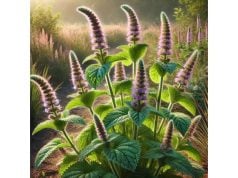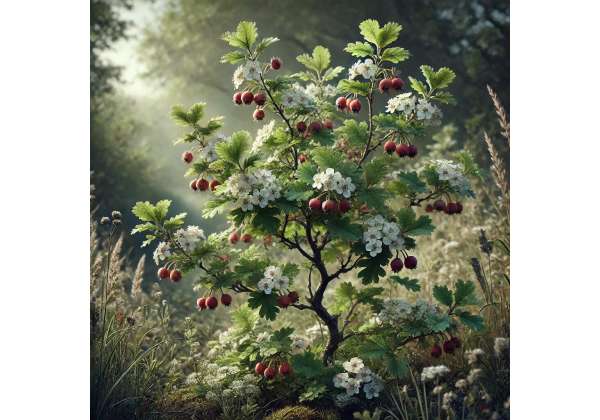
Hawthorn, especially the European species Crataegus monogyna, is one of the classic heart-focused herbs in Western herbal practice. Its leaves, flowers, and berries have long been used in teas, tinctures, and standardized extracts for circulation, mild stress-related palpitations, and age-related changes in cardiovascular comfort. What keeps hawthorn relevant today is that it sits at the meeting point of tradition and modern phytotherapy: it is familiar, widely studied, and still nuanced enough to deserve careful interpretation.
The strongest interest in hawthorn centers on cardiovascular support. Standardized leaf-and-flower extracts have been studied for exercise tolerance, fatigue, and mild heart-failure symptoms, while the plant’s flavonoids and oligomeric procyanidins are thought to support vascular tone, endothelial function, and antioxidant defenses. At the same time, hawthorn is not a substitute for medical care, and not all products are equivalent. This guide explains what hawthorn is, which compounds matter most, what it may realistically help with, how to use it, what dose ranges are commonly cited, and where the safety boundaries should stay firm.
Quick Overview
- Hawthorn is best known for cardiovascular support, especially mild symptom relief and exercise tolerance in selected patients.
- The most studied compounds are flavonoids and oligomeric procyanidins, which may support blood vessel function and antioxidant balance.
- Common adult ranges are 160 to 900 mg/day of standardized extract or 1 to 1.5 g leaf-and-flower tea per cup, taken 3 to 4 times daily.
- Use caution with heart medicines, blood pressure drugs, nitrates, and anticoagulant or antiplatelet therapy.
- Avoid self-treating with hawthorn if you are pregnant, breastfeeding, preparing for surgery, or have new chest pain, fainting, or worsening shortness of breath.
Table of Contents
- What is hawthorn
- Key ingredients and what they do
- Does hawthorn help the heart
- Other benefits people ask about
- How to use hawthorn
- How much hawthorn per day
- Side effects and interactions
- What the evidence actually says
What is hawthorn
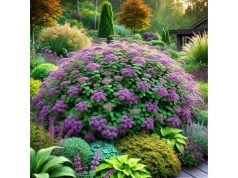
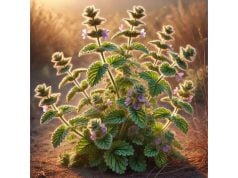
Hawthorn is a thorny shrub or small tree in the rose family, and Crataegus monogyna is one of the best-known European species. It produces clusters of white spring flowers and small red fruits often called haws. In herbal medicine, though, the most clinically relevant part is not always the berry. Much of the better-known cardiovascular research has focused on leaf-and-flower preparations, often standardized extracts rather than loose kitchen-style herbs.
That detail matters because many people search for “hawthorn berries” and assume all hawthorn products behave the same way. They do not. A berry syrup, a tea made from dried flowering tops, and a standardized extract such as WS 1442 are very different preparations. They may overlap chemically, but they are not interchangeable in strength, concentration, or evidence base.
Another practical wrinkle is species. This article focuses on Crataegus monogyna, but modern hawthorn research often includes Crataegus laevigata or mixed European hawthorn species and hybrids. So when you read about “hawthorn benefits,” the evidence may apply to the genus or to a specific standardized extract, not always to monogyna alone. For an everyday reader, the useful takeaway is simple: check the label for species, plant part, and extract details before assuming a product matches the research.
Traditionally, hawthorn has been used for heart and circulation complaints, nervous cardiac sensations, mild digestive complaints, and as a food plant. Today, it is discussed mostly for cardiovascular support: mild heart-failure symptoms, exercise tolerance, palpitations that are not due to serious disease, and modest blood-pressure support. The herb is respected because it is gentler than many cardiac drugs, but that same reputation sometimes leads people to underestimate it. Hawthorn may be natural, but it still acts on a medically sensitive system.
The best way to think about hawthorn is as a supportive herb with a real clinical tradition, a meaningful research history, and clear limits. It belongs in the conversation about cardiovascular self-care, but never in place of urgent assessment when symptoms are new, severe, or unstable.
Key ingredients and what they do
Hawthorn’s medicinal profile comes from a cluster of plant compounds rather than one single “active ingredient.” The most important groups are flavonoids and oligomeric procyanidins. These are the compounds most often discussed when researchers explain why hawthorn may affect vascular tone, endothelial signaling, antioxidant balance, and cardiac function.
Among the better-known flavonoids are vitexin and related glycosides, hyperoside, rutin, quercetin derivatives, and other polyphenols. Hawthorn also contains oligomeric procyanidins, which are especially relevant in some standardized leaf-and-flower extracts. These compounds are often used as quality markers because they are thought to contribute to the herb’s cardiovascular effects.
In practical terms, here is what those ingredients may do:
- Support endothelial function, which means helping the lining of blood vessels work more efficiently.
- Influence nitric oxide signaling, which can affect vascular relaxation.
- Provide antioxidant protection against oxidative stress.
- Modulate mild inflammatory pathways.
- Contribute to coronary and peripheral circulation support.
- Influence cardiac contractility and rhythm in preclinical models.
Hawthorn also contains triterpene acids, phenolic acids, and smaller amounts of other constituents that may shape its broader effects. The exact profile depends on species, plant part, harvest time, and extraction method. That is why a standardized extract tends to produce more predictable results than a general “hawthorn blend.”
One helpful way to frame hawthorn is to compare it with other circulation-oriented botanicals, such as circulation-support herbs like ginkgo. The goals may overlap, but the chemistry and clinical use are different. Ginkgo is often discussed for circulation and cognition; hawthorn is more closely associated with heart function, vascular tone, and gentle cardiotonic support.
The phrase “medicinal properties” can sound vague, so it helps to translate it into everyday language. Hawthorn is not a stimulant, and it is not a quick blood-pressure fix. Its profile is slower and steadier. It is better understood as a multi-compound herb that may help the heart and blood vessels work a little more efficiently over time, especially when used consistently and paired with sensible medical care. That slow-burn character is also why product quality matters so much. With hawthorn, the chemistry is only as useful as the preparation that preserves it.
Does hawthorn help the heart
This is the central question, and the most balanced answer is yes, but within limits. Hawthorn appears to have the strongest evidence as an adjunctive herb for selected cardiovascular symptoms rather than as a stand-alone treatment for heart disease. In other words, it may support heart function in some contexts, but it should not replace medical diagnosis, prescription therapy, or emergency care.
The best-known clinical interest has been in mild to moderate chronic heart failure, especially older studies involving standardized leaf-and-flower extracts. In that setting, hawthorn has been associated with improvements in symptom control, exercise tolerance, fatigue, and shortness of breath. Some reviews have also described a favorable benefit-risk profile for standardized extracts such as WS 1442, particularly in New York Heart Association class II or III patients receiving conventional care. That does not mean hawthorn cures heart failure. It means that in stable, medically managed patients, certain extracts may offer supportive benefit.
Hawthorn is also discussed for mild palpitations, “nervous heart” sensations, and circulatory support. That language appears in traditional European herbal use and in regulatory monographs, but it comes with an important condition: serious cardiac causes must be ruled out first. Self-treating unexplained palpitations is not wise. The safe sequence is diagnosis first, herbs second.
More recently, interest has extended to rhythm support. A 2024 retrospective cohort study of WS 1442 suggested lower rates of atrial fibrillation and flutter, tachycardia, and other arrhythmias compared with a magnesium-potassium comparator. That is interesting, but it is not the same as a randomized trial proving causation. It should be read as a signal, not a final verdict.
A good way to keep expectations realistic is to place hawthorn alongside other traditional heart-supporting herbs such as arjuna for cardiovascular support. These herbs may help with function, comfort, and resilience, but they do not replace evidence-based cardiac care. Hawthorn’s most realistic promise is modest, supportive improvement in selected people over weeks, not dramatic reversal of structural disease.
So yes, hawthorn can help the heart in a meaningful but measured way. Its value lies in support, not rescue.
Other benefits people ask about
Although hawthorn is mainly thought of as a heart herb, people also ask about blood pressure, cholesterol, stress, sleep, digestion, and even weight loss. Some of these uses have a plausible basis. Others are much weaker than the marketing suggests.
Blood pressure is one of the more reasonable secondary targets. Hawthorn may support vascular relaxation and endothelial health, so modest reductions in blood pressure are plausible, especially over several weeks rather than overnight. That said, the effect is usually not dramatic, and it should be treated as additive support rather than a replacement for medication or lifestyle measures. If someone is already monitoring blood pressure, hawthorn makes the most sense when used carefully and tracked objectively.
Lipid support is also discussed. Some hawthorn preparations have shown favorable effects on lipid patterns in preclinical work and limited human studies, but the real-world impact looks modest. It is better framed as part of a broader cardiometabolic strategy than as a primary cholesterol supplement.
Traditional use also reaches into nervous tension, mild stress, and sleep-related support, especially when palpitations feel linked to worry rather than structural heart disease. This is one reason hawthorn sometimes appears in blends with calming herbs. Still, if stress is the main issue, more direct calming options such as gentle calming herbs like lemon balm often make more sense as first-line choices.
Digestive use is older and less central today. Hawthorn fruit has a long food tradition in several regions, and in some systems it has been used for fullness and heavy meals. That is worth knowing, but the modern evidence base remains far stronger for cardiovascular use than for digestion.
Weight loss is the weakest claim. Current consumer guidance does not support hawthorn as a proven weight-loss herb. There is also a practical safety issue here: products marketed as “hawthorn root” or “tejocote root” are not the same as the European leaf, flower, or berry preparations usually discussed in phytotherapy. They should not be treated as interchangeable.
The best way to sum up hawthorn’s secondary benefits is this: blood pressure and mild stress-related symptoms are plausible side benefits, digestion is mostly traditional, and weight-loss claims do not deserve much trust.
How to use hawthorn
Hawthorn can be used as a tea, tincture, capsule, tablet, or food product, but the smartest choice depends on your goal. If you want to match the best-known clinical evidence, standardized leaf-and-flower extracts are the most relevant form. If you want gentler traditional use, tea or tincture can be reasonable. If you simply enjoy the berries as food, jams, jellies, and syrups are fine culinary options, but they should not be confused with research-grade extracts.
The main forms are:
- Standardized extract
Best for people seeking a more research-aligned approach. These products often specify flavonoid or oligomeric procyanidin content and allow steadier dosing. - Leaf-and-flower tea
Better for mild traditional use, especially when someone wants a gentler daily ritual rather than a concentrated product. - Tincture
Practical for flexible dosing, though concentrations vary a lot between brands. - Berry products
Useful as food or folk-style support, but not the strongest evidence-based form for cardiovascular use.
A practical rule is to choose one form and stay with it long enough to assess it fairly. Switching between tea, capsules, and tinctures every few days makes it hard to judge whether hawthorn is helping at all.
When shopping, look for three details on the label:
- Species or at least clear identification as hawthorn
- Plant part used, ideally leaf and flower if you want the best-matched clinical evidence
- Standardization information if it is an extract
This is also where hawthorn differs from everyday herbal teas. A standardized cardiovascular extract is not the same thing as a pleasant berry infusion. That does not make one better in every situation, but it does mean they should be used with different expectations.
Some people like to combine hawthorn with broader diet-and-lifestyle approaches, including low-sodium eating, walking, and other heart-supportive botanicals such as hibiscus for blood pressure support. That can be sensible, but it is best to add one new variable at a time. The more items you stack, the harder it becomes to spot both benefits and side effects.
In short, use hawthorn in the form that matches your reason for taking it, and do not assume all hawthorn products are equivalent.
How much hawthorn per day
Hawthorn dosage depends heavily on form. There is no single universal number, because tea, powder, and standardized extracts deliver very different amounts of active compounds. Still, several adult ranges are commonly cited in traditional and regulatory contexts.
For standardized dry extracts, a practical range is about 160 to 900 mg per day, usually divided into 2 or 3 doses, depending on the product. This wide range reflects differences in extraction ratio and standardization. Some of the best-known clinical preparations are taken around 450 mg twice daily, but that does not mean every capsule on the market is equivalent.
For leaf-and-flower tea, a common range is about 1 to 1.5 g of comminuted herb per cup, taken 3 to 4 times daily. Powdered herb is often cited in the range of 2 to 5 g per day. Tinctures vary too much by solvent and concentration to give one reliable conversion unless the manufacturer provides it clearly.
A practical way to use hawthorn is:
- Start at the low end of the product’s recommended range.
- Give it time. Hawthorn is not a same-day herb for most goals.
- Track symptoms or blood pressure rather than guessing.
- Reassess after 4 to 6 weeks.
That 4-to-6-week window is important. Hawthorn is better suited to steady use than to sporadic “as needed” dosing, especially for cardiovascular goals. Many people stop too early, decide it “did nothing,” and miss the fact that it works more like a slow supportive therapy than an acute remedy.
Take hawthorn with food if you are prone to nausea. If you are using it for mild stress-related sensations in the chest after a clinician has ruled out serious disease, dividing the dose through the day is often more comfortable than taking one large amount at once.
One final dosing point matters more than any number: follow the specific product, not the herb name alone. A weak berry capsule and a clinically standardized leaf-and-flower extract should never be dosed as if they were the same preparation.
Side effects and interactions
Hawthorn is often described as well tolerated, and that is broadly fair, but “well tolerated” is not the same as risk free. Because it acts on the cardiovascular system, its safety questions matter more than they would for a casual culinary herb.
The most commonly reported side effects are usually mild:
- Dizziness
- Nausea
- Upset stomach
- Vomiting or diarrhea in sensitive users
- Headache
- Fatigue
- Palpitations or transient cardiac discomfort in some reports
Most people who tolerate hawthorn do fine with short-term use, but the interaction picture deserves real respect. Caution is especially important if you take:
- Digoxin or other cardiac glycosides
- Antiarrhythmics
- Beta-blockers
- Calcium-channel blockers
- Nitrates
- Antihypertensive medicines
- Phosphodiesterase-5 drugs used for angina-related overlap or erectile dysfunction
- Anticoagulants or antiplatelet medicines
The concern is not always that a dramatic interaction has been proven. Often the issue is additive effect. If an herb may influence rhythm, blood pressure, vascular tone, or bleeding risk, combining it casually with multiple cardiac drugs is not a good experiment.
This is also a reason to be careful with supplement stacks. Mixing hawthorn with other circulation products, including garlic-based cardiovascular supplements, may be fine for some people but should be approached deliberately, not casually.
Who should avoid hawthorn unless a clinician specifically approves it:
- People with new or worsening chest pain
- Anyone with fainting, severe shortness of breath, or unstable heart symptoms
- Pregnant or breastfeeding women
- Children, unless specifically directed
- People preparing for surgery
- Anyone on complex heart-drug regimens without medical supervision
There is also one more subtle point: not all “hawthorn” products are what they claim to be. Internet products sold as root-based weight-loss items deserve special skepticism and should not be treated as equivalent to reputable European leaf-and-flower preparations.
Used well, hawthorn can be a thoughtful adjunct. Used casually in a high-risk person, it can add confusion where clarity matters most.
What the evidence actually says
The evidence for hawthorn is real, but it is uneven. That is the most honest summary.
Where hawthorn looks strongest is in standardized leaf-and-flower extracts used as adjunctive support for stable, mild to moderate heart-failure symptoms and related functional measures. Older trials and later reviews suggest improvements in symptom burden, exercise tolerance, and some physiologic outcomes. More recent observational work adds interesting data on arrhythmia-related outcomes, and modern safety reviews generally describe a mostly mild adverse-event profile.
Where hawthorn is weaker is in broad consumer claims. There is still not enough good evidence to say hawthorn clearly prevents heart disease, meaningfully treats angina on its own, reverses atherosclerosis, produces major weight loss, or reliably improves anxiety across the board. That gap between tradition and proof is important.
There are four reasons the evidence can feel confusing:
- Different species are pooled together.
- Berries, leaves, flowers, and extracts are not equivalent.
- Many important studies are older.
- Product quality and standardization vary widely.
Crataegus monogyna specifically also has a narrower evidence base than “hawthorn” in general. Much of the literature speaks to mixed Crataegus preparations, especially European leaf-and-flower extracts. So readers should be careful not to over-translate genus-level evidence into a guarantee for every monogyna product on the shelf.
Still, hawthorn is not all hype. It has more clinical tradition and more serious cardiovascular research behind it than many trendy herbs do. The mature view is neither dismissive nor romantic. Hawthorn is a legitimate supportive herb with a meaningful but bounded role: it may help the right person, in the right form, for the right reason, with the right oversight.
That is a good place to end. Hawthorn deserves respect, not exaggeration. If you treat it as a supportive cardiovascular herb rather than a miracle cure, you are much more likely to use it wisely.
References
- Traditional uses, phytochemistry, pharmacology, and safety concerns of hawthorn (Crataegus genus): A comprehensive review 2024 (Review). ([PubMed][1])
- Analysis of Adverse Reactions Associated with the Use of Crataegus-Containing Herbal Products 2024 (Scoping Review). ([PubMed][2])
- Real world effectiveness of Hawthorn special extract WS 1442 in a retrospective cohort study from Germany 2024 (Observational Study). ([Nature][3])
- Assessment report on Crataegus monogyna Jacq. (Lindm.), C. laevigata (Poir.) DC. or their hybrids; C. pentagyna Waldst. et Kit. ex Willd.; C. azarolus L. 2025 (Assessment Report). ([European Medicines Agency (EMA)][4])
- Hawthorn: Usefulness and Safety 2025 (Official Summary). ([NCCIH][5])
Disclaimer
This article is for educational purposes only and does not replace medical advice, diagnosis, or treatment. Hawthorn may affect heart function, blood pressure, and how some medicines are tolerated, so it should be used carefully, especially in people with cardiovascular disease or those taking prescription drugs. Seek prompt medical care for chest pain, fainting, worsening shortness of breath, or new irregular heartbeat symptoms.
If you found this guide useful, please share it on Facebook, X, or any platform your readers prefer.