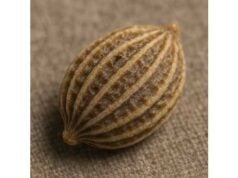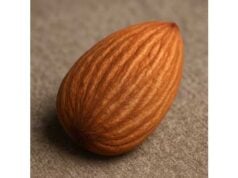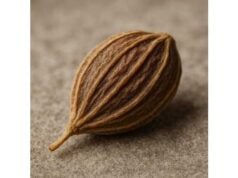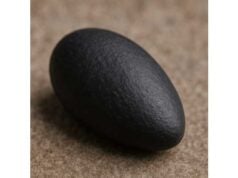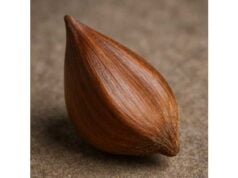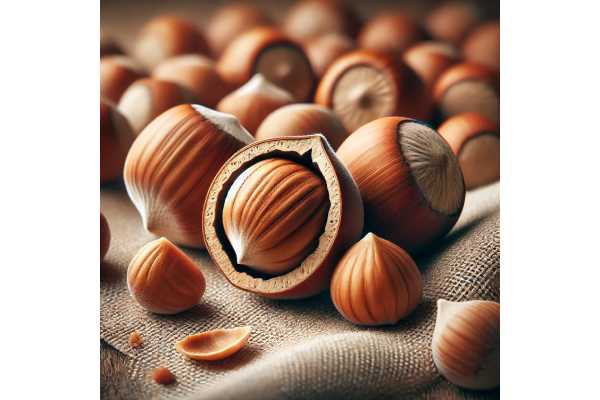
Hazelnuts are small, buttery tree nuts prized for their rich flavor, versatile texture, and nutrition density. A modest handful delivers heart-friendly fats, vitamin E, folate, magnesium, and fiber—nutrients linked to healthier blood lipids and long-term cardiovascular benefits. In the kitchen, hazelnuts shine raw for crunch, roasted for aroma, ground into meal for baking, or spun into pastes and butters for sauces and desserts; hazelnut oil adds a fragrant, high-smoke-point finish to dressings and sautés. Beyond taste, their thick skins hold protective polyphenols and their creamy kernels are naturally low in sodium and sugars. Still, as with all tree nuts, allergies matter, and good storage prevents rancidity and mold. Whether you snack on them plain, fold them into oatmeal, or blend them into a smoothie, hazelnuts offer a compact way to boost nutrient quality while keeping portions sensible and satisfying.
Fast Facts
- Typical serving: 28 g (about 20 kernels); enjoying a small handful most days fits most healthy eating patterns.
- Key benefit: unsaturated fats and vitamin E support healthy LDL-cholesterol and overall heart health.
- Another plus: fiber, magnesium, and copper contribute to energy metabolism and digestive regularity.
- Safety caveat: a common tree-nut allergen; choose reputable sources and store well to reduce spoilage risk.
- Who should limit or avoid: anyone with a confirmed tree-nut allergy; whole nuts are not appropriate for toddlers due to choking risk.
Table of Contents
- Hazelnuts: What to Know
- Hazelnuts Nutrition Profile
- Evidence-Based Benefits of Hazelnuts
- Risks, Allergies and Interactions
- Selecting, Quality, Sustainability and Storage
- Preparation, Cooking and Nutrient Retention
- Portions, Comparisons and FAQs
Hazelnuts: What to Know
Hazelnuts (also called filberts) are the seeds of the hazel tree, most commonly Corylus avellana. They grow inside a papery husk and hard shell; after harvest and curing, the nuts are cracked, sorted, and sold in-shell or shelled. Turkey is the dominant producer globally, followed by Italy and the United States (notably Oregon’s Willamette Valley). Culinary forms include raw kernels, roasted and blanched nuts (skins removed), ground hazelnut meal or flour, hazelnut butter, praline paste, gianduja-style chocolate-nut spreads, and aromatic hazelnut oil. Each form offers a different balance of flavor, texture, and use: raw delivers a mild sweetness and firm bite; roasting deepens color, rounds acidity, and unlocks toffee-like aromas; paste and butter turn nuts into a spreadable, recipe-ready fat-fiber-protein matrix.
From a nutrition standpoint, hazelnuts are unusually rich in monounsaturated fat (primarily oleic acid), vitamin E (alpha-tocopherol), manganese, copper, magnesium, and fiber, with modest protein and minimal sodium. This profile explains much of their reputation for cardiometabolic support. The skins contribute polyphenols and a gently bitter edge; keeping skins on increases total antioxidant intake, though many recipes prefer the smoother taste and appearance of blanched nuts.
Flavour pairings skew toward chocolate, coffee, citrus, stone fruit, and warm spices (cinnamon, cardamom), but hazelnuts also complement savory dishes. Try them crushed over roasted carrots, blitzed into pesto with parsley, tossed through whole-grain pilaf, or folded into a breadcrumb crust for fish or chicken. Hazelnut oil, with its pleasant roast-nut aroma and comparatively high smoke point for a nut oil, suits dressings, drizzle finishes, and quick sautés.
Storage matters: like all high-fat nuts, hazelnuts are prone to oxidation (rancidity) and moisture-related spoilage. Buy fresh-smelling nuts from high-turnover sellers; keep them airtight, cool, and dark; and refrigerate or freeze for longer freshness. If you detect a paint-like or crayon-like odor, bitterness, or a rubbery texture, the fat may be oxidized—discard.
If you are new to hazelnuts, start with simple uses and a standard 28 g portion. That provides satisfying crunch, flavor, and a meaningful bump in vitamin E and unsaturated fats without overwhelming daily calories. Over time, rotate hazelnuts with almonds, walnuts, pistachios, and peanuts to diversify nutrients and flavors.
Hazelnuts Nutrition Profile
Reference amount: raw kernels, per 100 g (typical lab/USDA-equivalent values). %DV uses U.S. Daily Values for adults and children ≥4 years (2,000 kcal diet).
Notes: Energy shown in kcal. g = gram, mg = milligram, µg = microgram. Sodium, monounsaturates, polyunsaturates, and many bioactives do not have established DVs. Natural variation occurs by cultivar, growing region, and processing (roasting/blanching).
Macros and Electrolytes (per 100 g)
| Nutrient | Amount | %DV |
|---|---|---|
| Energy | 628 kcal | — |
| Water | ~5 g | — |
| Protein | 15.0 g | 30% |
| Total fat | 60.8 g | 78% |
| Saturated fat | 4.46 g | 22% |
| Monounsaturated fat | 45.7 g | — |
| Polyunsaturated fat | 7.92 g | — |
| Carbohydrate | 16.7 g | 6% |
| Dietary fiber | 9.7 g | 35% |
| Total sugars | 4.3 g | — |
| Sodium | 0 mg | 0% |
| Potassium | 680 mg | 14% |
Fats and Fatty Acids (per 100 g)
| Fatty acid | Amount | Notes |
|---|---|---|
| Saturates (total) | 4.46 g | Mainly palmitic and stearic acids |
| Monounsaturates (total) | 45.7 g | Predominantly oleic acid |
| Polyunsaturates (total) | 7.92 g | Mostly linoleic (omega-6) |
| Alpha-linolenic acid (ALA, omega-3) | ~0.09 g | Small but present |
| Linoleic acid (LA, omega-6) | ~7.7 g | Essential fatty acid |
Vitamins (per 100 g)
| Vitamin | Amount | %DV |
|---|---|---|
| Vitamin E (alpha-tocopherol) | 15.0 mg | 100% |
| Thiamin (B1) | 0.64 mg | 53% |
| Vitamin B6 | 0.56 mg | 33% |
| Folate (DFE) | 113 µg | 28% |
| Niacin (B3) | 1.8 mg | 11% |
| Riboflavin (B2) | 0.11 mg | 8% |
| Vitamin K | 14 µg | 12% |
| Vitamin C | 6.3 mg | 7% |
| Choline | 46 mg | 8% |
Minerals (per 100 g)
| Mineral | Amount | %DV |
|---|---|---|
| Calcium | 114 mg | 9% |
| Iron | 4.7 mg | 26% |
| Magnesium | 163 mg | 39% |
| Phosphorus | 290 mg | 23% |
| Potassium | 680 mg | 14% |
| Zinc | 2.5 mg | 23% |
| Copper | 1.7 mg | 190% |
| Manganese | 6.2 mg | 270% |
| Selenium | 2.4 µg | 4% |
| Sodium | 0 mg | 0% |
Bioactives / Phytonutrients (per 100 g)
| Compound | Amount | Comments |
|---|---|---|
| Phytosterols (total, est.) | ~110 mg | Mostly beta-sitosterol and campesterol |
| Polyphenols | — | Concentrated in skins; reduced by blanching |
| Arginine (amino acid) | ~2.2 g | Supports nitric-oxide pathway |
Allergens and Intolerance Markers
| Item | Notes |
|---|---|
| Major allergens | Cor a 1 (PR-10), Cor a 8 (lipid transfer protein), Cor a 9/11/14 (storage proteins) |
| Cross-reactivity | Birch pollen (oral allergy syndrome), other tree nuts in some patients |
| FODMAPs | Low in standard portions; nut butters often well tolerated |
Anti-nutrients and Contaminants
| Item | Notes |
|---|---|
| Phytic acid (phytate) | Naturally present; can modestly reduce mineral absorption; slightly lower with soaking/roasting |
| Aflatoxins | Risk rises with poor post-harvest drying/storage; regulated and monitored in trade |
| Oxidation | Rancidity increases with time, heat, oxygen, and light; refrigerate/freeze for quality |
Evidence-Based Benefits of Hazelnuts
1) Heart-health support (lipids and cardiometabolic risk). Diets that include nuts—hazelnuts among them—consistently show modest improvements in blood lipids. Meta-analyses of randomized trials report that daily nut intakes around 30–50 g reduce total and LDL-cholesterol by roughly 0.10–0.15 mmol/L on average, with small improvements in triglycerides and apolipoprotein B. These changes are clinically meaningful when combined with overall healthy eating. Mechanistically, hazelnuts’ high monounsaturated fat (oleic acid) displaces saturates, vitamin E helps protect LDL from oxidation, and fiber/plant sterols contribute minor additional effects. Observational cohorts further associate regular nut and seed intake with lower risk of major cardiovascular outcomes and mortality, with dose-response signals near a 30 g/day serving. In practice: if you already eat a heart-forward pattern (vegetables, legumes, whole grains, fish, olive oil), making hazelnuts your go-to nut can help sustain favorable lipid profiles without sacrificing taste.
2) Antioxidant and anti-inflammatory potential. Hazelnuts provide about 100% DV for vitamin E per 100 g; even a 28 g serving contributes roughly 30% DV. Vitamin E, together with phenolics concentrated in the skins, supports antioxidant defenses in lipoproteins and cell membranes. Roasting gently reduces some heat-sensitive compounds but increases bioavailability of others by disrupting cell matrices. Keeping some intake with skins intact is a practical way to raise overall antioxidant variety in the diet.
3) Glycemic friendliness and satiety. Hazelnuts are naturally low in digestible carbohydrates, with fiber and fat slowing gastric emptying. When eaten alongside carbohydrate-rich foods (e.g., oats, fruit, or pasta), they can blunt post-meal glycemic rise by displacing refined calories and adding texture and chew. People often report improved satiety when they include nuts in breakfast or snacks; controlled trials suggest that compensatory reductions at subsequent meals limit weight gain when portions are modest and planned.
4) Nutrient density for specific needs.
- Vitamin E and copper: support skin barrier function and connective tissue enzymes.
- Magnesium and manganese: assist energy metabolism and bone formation.
- Folate and B-vitamins: support methylation and red blood cell production.
- Arginine: a nitric-oxide precursor that may assist vasodilation, complementing blood-pressure strategies that focus on sodium reduction and potassium adequacy.
5) Plant-forward swaps and culinary versatility. Replacing some animal fats or refined snacks with hazelnuts (or hazelnut butter) can improve overall diet quality scores. In Mediterranean-style patterns, nuts often replace processed meats, pastries, or sweets; the result is better fat quality, more fiber, and richer micronutrient/phytonutrient diversity.
How much helps? Many studies center on ~30 g/day (about one small handful). You can meet that target on some or most days rather than every day—consistency over weeks and months matters more than single meals.
Who benefits most? Adults with borderline high LDL-cholesterol; people seeking Mediterranean-style patterns; and those working on plant-forward swaps that do not leave them hungry between meals.
What benefits to expect (realistically). Small but reliable lipid improvements, better diet quality, and increased satiety. Hazelnuts are not a stand-alone therapy for high LDL, hypertension, or diabetes; they work best alongside overall dietary changes, physical activity, and clinician-guided care when needed.
Risks, Allergies and Interactions
Tree-nut allergy. Hazelnut is a common allergen. Reactions range from oral allergy syndrome (itchy mouth/lips, usually mild and rapid) to systemic reactions including anaphylaxis. Molecular allergen profiles explain much of this variation. Sensitization to Cor a 1 (a PR-10 protein) often reflects cross-reactivity with birch pollen and typically causes local mouth symptoms, especially in adults from birch-endemic regions. Sensitization to Cor a 9 and Cor a 14 (storage proteins) or Cor a 8 (lipid transfer protein) is more often linked to systemic reactions and can appear early in life. Anyone with prior systemic symptoms should have a personalized emergency plan and ready access to an epinephrine autoinjector; avoidance and label reading are essential.
Cross-contact and food labeling. In multi-nut facilities, equipment may process almonds, walnuts, or peanuts (a legume). People with confirmed hazelnut allergy should check for “may contain” or “processed on shared equipment” statements and discuss with their allergist how strict to be for their risk profile. Hazelnut is a required labeled allergen in many jurisdictions; still, confectionery and baked goods warrant extra vigilance.
Choking risk. Whole nuts are not appropriate for toddlers. For young children, use smooth nut butters thinned with yogurt or breastmilk/formula per pediatric guidance, or finely ground nuts baked into muffins and pancakes.
Medication and condition considerations.
- Anticoagulation therapy: hazelnuts contain modest vitamin K; intake is low enough that consistency matters more than strict avoidance. Keep your daily vitamin K pattern steady if you use warfarin or related drugs.
- Potassium restriction (advanced kidney disease): a 28 g portion provides ~190 mg potassium—usually compatible with typical restrictions, but confirm individualized limits.
- Oxalate stones: hazelnuts contain oxalates; people with recurrent calcium-oxalate stones may prefer portion control and adequate dietary calcium at meals.
- Energy density: at ~170–180 kcal per ounce, portions count. Pre-portioning avoids unplanned calorie overages.
Contaminants and spoilage. Like other nuts, hazelnuts can carry aflatoxins if harvesting, drying, or storage are suboptimal. Commercial supply chains have strict controls and regular testing; buying from reputable brands and storing properly (cool, dry, airtight) helps minimize risks. Discard nuts that smell rancid or taste overly bitter.
Intolerances. Low in FODMAPs at typical servings; however, very large intakes can feel heavy due to fat load. Spread nuts through the day if you’re prone to reflux or fullness.
Bottom line on safety. If you have a tree-nut allergy or a history of systemic reactions, work with an allergist before trialing hazelnuts in any form. Otherwise, sensible portions, careful storage, and basic food-safety habits make hazelnuts an easy, safe addition to most diets.
Selecting, Quality, Sustainability and Storage
How to choose quality hazelnuts
- Look and smell: kernels should be plump, ivory-to-tan under thin brown skins, with a sweet, nutty aroma. Avoid shriveled, damp, or mottled nuts, and skip packages with visible oil stains or excessive broken pieces.
- In-shell cues: a firm shake should be quiet; a rattle can signal interior shrinkage from age. Shells should be intact without mold or darkened seams.
- Labels and forms: blanched (skins removed), roasted (heat-treated), meal or flour (finely ground), paste (smooth, 100% nut), and butter (ground nuts, sometimes with added oil). For baking, meal/flour offers fat-rich tenderness; for sauces and spreads, paste or butter gives gloss and body.
Sustainability snapshot
- Where they grow: most hazelnuts come from rain-fed regions (e.g., Turkey’s Black Sea coast, parts of Italy), which generally reduces irrigation needs compared with some other nuts grown in arid climates.
- Farming practices matter: orchard management, fertilizer use, and processing influence footprints. Life-cycle studies in Italian growing regions suggest that larger, well-managed farms and efficient residue use (e.g., shell and pruning recovery) can improve environmental balance. Choosing producers that emphasize responsible land and water practices supports better outcomes.
- Packaging and waste: buy in quantities you will use within a few months; store cold to prevent rancidity and reduce food waste—a practical sustainability win.
Storage for freshness and safety
- Short term (up to ~1–3 months): cool, dark pantry in an airtight container is acceptable if your kitchen is not warm.
- Medium term (~6 months): refrigerate in a sealed bag or jar; keep away from strong odors (nuts absorb smells).
- Long term (6–12+ months): freeze in airtight, moisture-resistant packaging. Thaw sealed at room temperature to avoid condensation.
- After roasting or chopping: shelf life shortens; store airtight and cold, and consider freezing if not using within a few weeks.
- Spoilage cues: stale, paint-like, or crayon-like odors; pronounced bitterness; rubbery texture; visible mold. When in doubt, discard.
Ethics and sourcing tips
- Prefer brands that describe origin, harvest year, and storage.
- For confectionery products, look for transparency about labor and sustainability programs in major sourcing regions.
- Buying from roasters with high turnover improves freshness and reduces the need for preservatives.
Preparation, Cooking and Nutrient Retention
Roasting for peak flavor (home method)
- Preheat oven to 160–170°C (320–340°F).
- Spread hazelnuts in a single layer on a dry rimmed sheet pan.
- Roast 10–15 minutes, shaking once or twice, until skins crack and the nuts smell fragrant and look a shade deeper.
- Wrap warm nuts in a clean towel and rub to remove skins (optional).
- Cool completely before storing to prevent condensation.
Why this works: moderate heat allows even browning, limits scorching, and preserves more vitamin E than high-heat, overly long roasts. Removing skins softens bitterness but also removes some polyphenols; consider keeping some nuts unblanched for variety.
Quick blanch-and-peel (baking soda method)
- Boil 1 L water with 3 Tbsp (30 g) baking soda. Add 250 g hazelnuts; boil 3 minutes (water turns dark). Drain into a colander and plunge into ice water. Skins slip off easily. Pat dry thoroughly and roast at 150–160°C for 10–12 minutes to restore crunch.
- This method is efficient for silky-smooth pralines or pastes where flecks would show.
Hazelnut butter or praline paste (food processor)
- Process 300 g roasted hazelnuts 8–12 minutes until glossy and pourable, scraping sides as needed. Add a pinch of salt to taste. For praline, caramelize 150 g sugar to amber, pour over 150 g warm hazelnuts, cool, then pulverize to a paste. Store airtight in the fridge; stir before use.
Savory uses
- Gremolata upgrade: chop toasted hazelnuts with parsley, lemon zest, garlic, and olive oil; spoon over roasted fish or vegetables.
- Whole-grain bowl: fold chopped hazelnuts into farro with roasted mushrooms and thyme.
- Creamy sauces: blend hazelnut butter with stock and a splash of sherry vinegar for a dairy-free pan sauce.
Sweet applications
- Fold into biscotti, brownies, or carrot cake batter for crunch.
- Stir into oatmeal with cocoa and orange zest for a “chocolate-hazelnut” breakfast.
- Layer hazelnut praline between thin crêpes or whisk into whipped cream to finish fruit tarts.
Retention tips
- Heat and light slowly reduce vitamin E; shorter roasts at moderate temperatures balance flavor with nutrient preservation.
- Skins on increases polyphenol intake; skins off can improve digestibility and mouthfeel for some.
- Add after cooking: sprinkle toasted nuts at the end of hot dishes to preserve texture and aroma.
- Pairing matters: serving hazelnuts with vitamin C-rich foods (berries, citrus) supports non-heme iron absorption from plant meals.
Portions, Comparisons and FAQs
Standard portions and frequency
- One serving: 28 g (about 20 kernels) or 2 Tbsp hazelnut butter.
- How often? Most people thrive with 3–5 hazelnut servings per week as part of a mixed-nut rotation; some choose ~30 g/day when using nuts as a direct swap for less healthy snacks.
- For weight management: pre-portion into small containers; pair with fruit or yogurt to build a balanced snack that curbs hunger.
How do hazelnuts compare to other nuts?
- Versus almonds: both are rich in vitamin E, but hazelnuts are higher in monounsaturated fat and copper; almonds usually provide more calcium.
- Versus walnuts: walnuts deliver more omega-3 (ALA), while hazelnuts lead in vitamin E and oleic acid.
- Versus pistachios: pistachios generally offer more potassium; hazelnuts bring a smoother flavor and higher MUFA.
- Versus peanuts (legumes): peanuts have more protein per ounce; hazelnuts are lower in sodium (unsalted) and higher in vitamin E.
Are hazelnuts low carb or keto-friendly?
They’re naturally low in net carbs for a nut. One 28 g serving provides modest digestible carbohydrate along with fiber and fats, fitting many lower-carb approaches when calories are managed.
Are hazelnuts suitable for people with diabetes?
Yes, in portion-controlled amounts. They can replace refined snacks and enhance mixed-meal glycemic responses. Coordinate with your care plan if you count carbohydrates or adjust insulin.
What about blood pressure?
Hazelnuts are virtually sodium-free and provide magnesium; they pair well with DASH-style patterns that emphasize vegetables, legumes, whole grains, and low-sodium choices.
Can I eat hazelnuts during pregnancy?
If you do not have a nut allergy, hazelnuts are generally safe and nutrient-dense. They supply folate, vitamin E, and healthy fats. Discuss individual needs with your clinician.
Any athletes’ tips?
Use hazelnuts to add energy-dense calories and vitamin E to training diets; include them with carbohydrate sources before long efforts to slow energy release, and with protein afterward for recovery meals.
Do hazelnuts cause acne?
Evidence is limited and mixed. Overall diet quality and total energy intake are more influential than single foods. If you notice a personal trigger, adjust portions or frequency and monitor.
How should I store hazelnut flour and butter?
Keep both airtight in the refrigerator for several weeks; freeze for several months. Stir nut butter before each use to reincorporate natural oils.
References
- Effect of nut consumption on blood lipids: An updated systematic review and meta-analysis of randomized controlled trials (2025) (Systematic Review).
- Nuts and seeds consumption and risk of cardiovascular disease, type 2 diabetes and their risk factors: a systematic review and meta-analysis (2023) (Systematic Review).
- Nutrition Facts for Hazelnuts (2024).
- Aflatoxins in food | EFSA (2020) (Guideline/Overview).
- Natural History of Hazelnut Allergy and Current Approach to Its Diagnosis and Treatment | MDPI (2023) (Review).
Disclaimer
This article is informational and does not replace personalized medical advice. Nutritional needs, allergies, and health risks vary. Always consult a qualified healthcare professional or registered dietitian for diagnosis, treatment, or individualized nutrition guidance—especially if you have a tree-nut allergy, chronic kidney disease, or use anticoagulant medications.
If you found this helpful, please consider sharing it with friends or colleagues on Facebook, X (formerly Twitter), or your preferred platform. Your support helps us keep creating practical, reliable nutrition guides.