A heart valve infection can feel deceptively ordinary at first—fatigue that won’t lift, a fever that keeps returning, or shortness of breath you blame on stress. But when germs attach to a heart valve, they can damage the valve’s delicate surfaces and send infected clumps into the bloodstream. This condition is often called infective endocarditis (infection of the heart’s inner lining). It is uncommon, yet serious, and it requires prompt medical care. The good news is that modern blood tests, heart imaging, and targeted antibiotics can treat many cases effectively—especially when diagnosis happens early. This guide explains what a heart valve infection is, why it happens, who is most at risk, what symptoms to watch for, how clinicians confirm the diagnosis, and what treatment and recovery usually involve.
Table of Contents
- What a heart valve infection is
- How germs reach and stick to valves
- Risk factors and who is most vulnerable
- Early symptoms and subtle clues
- Complications and red-flag signs
- How doctors diagnose it
- Treatment, recovery, and preventing relapse
What a heart valve infection is
A heart valve infection happens when bacteria (most often) or, less commonly, fungi infect the surface of a heart valve or nearby heart lining. Valves are designed to open and close smoothly to keep blood flowing in one direction. When microbes latch onto a valve, the immune system and clotting system react. Over time, this can form small, fragile “growths” made of germs, immune cells, and clotted blood. Clinicians often call these vegetations (infected clumps on a valve).
Two practical details matter for understanding the condition:
- It often starts in the bloodstream. Germs may enter the blood from the mouth, skin, urinary tract, lungs, or from a device such as an IV line.
- It tends to grab onto abnormal surfaces. Valves that are already scarred or altered—by aging, prior infection, or a replacement valve—offer places where microbes can stick more easily.
A heart valve infection is not the same as a simple “blood infection” that passes quickly with a short antibiotic course. Once microbes settle on a valve, they can be sheltered from the body’s defenses and may require weeks of carefully chosen antibiotics. In some situations, the infection damages the valve so much that surgery becomes the safest path.
People often imagine dramatic symptoms, but many cases begin quietly. The condition can also mimic other illnesses—flu-like infections, pneumonia, autoimmune disease, or even cancer—because it can cause long-lasting inflammation throughout the body. That is why clinicians focus on patterns: persistent fever, unexplained anemia, new heart murmurs, specific skin findings, or strokes without a clear cause.
The key takeaway: a heart valve infection is treatable, but it is time-sensitive. Early recognition can mean the difference between a controlled infection and severe valve damage or dangerous emboli (traveling infected clots).
How germs reach and stick to valves
Most microbes cannot simply “jump” from the outside world to a heart valve. They usually take a step in between: entering the bloodstream. That entry can be obvious, like an infected IV catheter, or subtle, like gum disease that bleeds during brushing.
Common pathways include:
- Mouth and gums: Bleeding gums, untreated cavities, or dental infections can let bacteria slip into the blood. Routine activities such as chewing or brushing may cause brief bacteremia (bacteria in the bloodstream) when oral health is poor.
- Skin: Cuts, abscesses, chronic wounds, and skin picking can allow bacteria—especially staphylococci—to enter.
- Medical devices and procedures: IV lines, dialysis access, implanted heart devices (pacemakers/defibrillators), and prosthetic valves increase exposure and provide surfaces where bacteria can adhere.
- Injection drug use: Injecting drugs can introduce bacteria directly into the bloodstream through non-sterile needles, contaminated substances, or skin bacteria pushed under the skin.
- Other infections: Urinary tract infections, pneumonia, or abdominal infections can seed the blood, particularly if treatment is delayed.
The “sticking” step is just as important as the “entry” step. Heart valves are normally smooth, and fast-moving blood tends to wash away microbes. But if the valve is scarred, calcified, or artificial, tiny surface irregularities can act like Velcro. Inflammation also matters: if a valve has been stressed by turbulent blood flow (for example, from a congenital defect or significant valve leak), the lining can become more “sticky” for clotting proteins. Microbes can then anchor to these proteins and multiply.
Different microbes behave differently. Some, like Staphylococcus aureus, can infect even previously normal valves and often cause a faster, more aggressive illness. Others, like viridans group streptococci (often linked to the mouth), may cause a slower course, with weeks of fatigue and low-grade fever.
A useful mental model is a two-hit process:
- Access: germs enter the bloodstream.
- Attachment: germs find a surface where they can cling and grow.
Prevention strategies work best when they target both hits: lowering repeated bacteremia risks (oral and skin care) and reducing attachment opportunities (good management of valve disease and careful device care).
Risk factors and who is most vulnerable
A heart valve infection can happen to anyone, but risk is not evenly distributed. Clinicians think in terms of “higher-risk surfaces” (valves and devices that are easier to infect) and “higher-risk exposures” (situations that cause bacteria to enter the blood more often).
Major risk factors include:
- Prosthetic (replacement) heart valves or prior valve repair (including rings and clips)
- A past episode of infective endocarditis (one of the strongest predictors of future risk)
- Certain congenital heart conditions, especially those that create turbulent flow or involve prosthetic material
- Implanted cardiac devices such as pacemakers, defibrillators, and some long-term heart pumps
- Hemodialysis or long-term vascular access for repeated treatments
- Injection drug use
- Older age with degenerative valve disease (calcified or leaky valves are more common with age)
- Frequent healthcare exposure (repeated IVs, hospitalizations, or long-term catheters)
- Poor dental health (untreated gum disease, abscesses, or poor access to dental care)
- Immune compromise (for example, certain cancers, transplant medications, or advanced uncontrolled diabetes)
People often ask: “Do I need antibiotics before dental work?” The answer depends on your risk profile and local guidance. Many clinicians reserve preventive antibiotics for people at highest risk of severe outcomes (such as those with a prosthetic valve or a history of endocarditis). For others, consistent oral hygiene and regular dental care may matter more than one-time antibiotics, because everyday bacteremia from inflamed gums can occur repeatedly.
Practical ways to lower risk, especially if you have known valve disease or a device:
- Treat mouth problems early: bleeding gums and tooth pain are not “minor” if you’re high-risk.
- Protect your skin barrier: promptly clean and cover cuts; seek care for boils, spreading redness, or persistent wounds.
- Be cautious with piercings/tattoos: choose reputable studios with sterile practices; avoid if you have very high-risk heart conditions unless your cardiology team advises otherwise.
- Take fever seriously: repeated fevers after a procedure, skin infection, or IV access should not be brushed off.
If you know you have a prosthetic valve, a device, or prior endocarditis, it is worth keeping a simple one-line note in your phone or wallet. In urgent settings, that detail changes how clinicians evaluate fevers and whether they draw blood cultures promptly.
Early symptoms and subtle clues
Heart valve infections are famous for being “tricky” because they can start like many other illnesses. Some people become severely ill within days, while others develop symptoms slowly over weeks. The pattern often depends on the microbe and whether the valve was previously normal or already damaged.
Common early symptoms include:
- Fever (sometimes intermittent) and chills
- Fatigue that feels out of proportion to life stress
- Night sweats or waking up drenched
- Loss of appetite and unintentional weight loss
- Shortness of breath or reduced exercise tolerance
- Muscle or joint aches
- A new or changing heart murmur (usually found on exam, not felt by the patient)
Subtle clues that may raise suspicion—especially in someone with a prosthetic valve or device—include:
- Fever that returns after antibiotics for another presumed infection
- Unexplained anemia or persistently elevated inflammation markers on blood tests
- Back pain that is severe or persistent (sometimes linked to spinal infection seeded from the bloodstream)
- Tiny skin findings such as painless spots on the palms/soles or small tender bumps on fingers/toes
- Blood in the urine or darker urine without a clear urinary cause
One reason symptoms can be scattered is that the infection can affect the whole body. The immune system’s reaction may inflame joints or kidneys, and small fragments of infected material can break off and travel to other organs. That is why a person might show up with stroke-like symptoms, vision changes, or abdominal pain—and only later discover the heart valve infection behind it.
A helpful “real life” scenario: someone with a known valve problem gets a dental abscess, delays care, then develops fatigue and low-grade fever that comes and goes for three weeks. They might assume it is a lingering virus. But the persistence, the pattern of relapse, and the risk factor (valve disease + mouth infection) are the clue.
If you are high-risk and you have fever lasting more than 48–72 hours without a clear explanation—or fever plus new shortness of breath, chest discomfort, or neurologic symptoms—seek medical evaluation promptly. The goal is not to panic; it is to catch the condition before it escalates.
Complications and red-flag signs
A heart valve infection becomes dangerous for two main reasons: valve destruction and embolization (infected clumps traveling and blocking blood vessels). Complications can develop even when symptoms seemed mild at first, which is why clinicians take suspected cases seriously.
Major complications include:
- Heart failure: If the infection damages valve leaflets or supporting structures, the valve may suddenly leak. That can cause fluid buildup in the lungs, rapid breathing, and severe fatigue.
- Stroke and brain complications: Emboli can block brain arteries, causing stroke symptoms. Infected emboli can also lead to brain abscesses or bleeding in rare cases.
- Septic emboli to other organs: Traveling fragments may lodge in the lungs (more common with right-sided infection), kidneys, spleen, or intestines, causing pain and organ injury.
- Abscess formation around the valve: Infection can burrow into surrounding tissue, disrupting the heart’s electrical system or making surgery more urgent.
- Persistent bloodstream infection: Ongoing bacteremia can trigger sepsis, low blood pressure, and multi-organ strain.
- Kidney injury: This may occur from immune-related inflammation, emboli, or the stress of severe infection.
Red-flag signs that warrant urgent care (often emergency evaluation) include:
- Sudden weakness on one side, facial droop, difficulty speaking, severe confusion, or new seizures
- Chest pain, fainting, or severe shortness of breath at rest
- High fever with shaking chills, low blood pressure, or rapid breathing
- New swelling in the legs, rapid weight gain from fluid, or waking up gasping
- Severe, new back pain with fever (possible spinal infection)
- Persistent fever in someone with a prosthetic valve, pacemaker/defibrillator, dialysis access, or recent bloodstream infection
A key clinical point: clinicians often try to balance speed and accuracy. Starting antibiotics too early can sometimes make blood cultures negative, which complicates choosing the best drug. But waiting too long in an unstable patient is unsafe. This is why hospitals prioritize drawing multiple blood cultures quickly—often within the first hour—then beginning targeted therapy based on the patient’s condition.
If you are already being treated for a heart valve infection and develop a new neurologic symptom, worsening breathing, or severe new pain, treat it as urgent until proven otherwise. Complications can appear even after treatment starts, especially in the first 1–2 weeks.
How doctors diagnose it
Diagnosis is built from a combination of history, blood tests, and heart imaging—because no single test is perfect. Clinicians look for proof of infection in the blood and evidence that the heart valve is involved.
Common steps include:
- Detailed risk and exposure history: prosthetic valves, prior endocarditis, congenital heart disease, dialysis, injection drug use, recent dental infections or procedures, implanted devices, or recent bloodstream infections.
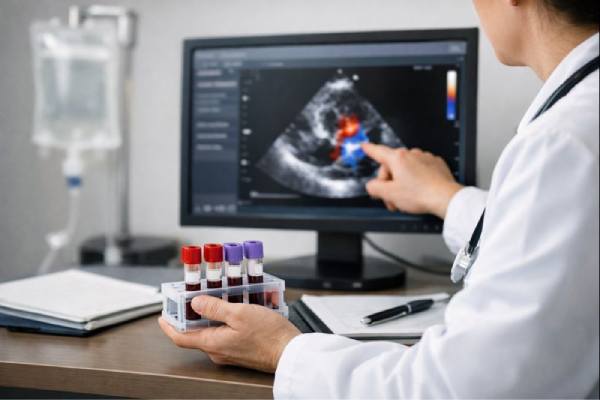
- Blood cultures: multiple sets drawn from different sites before antibiotics whenever possible. This is one of the most important steps because it identifies the organism and helps tailor antibiotic choice and duration.
- Basic bloodwork: complete blood count, kidney function, liver tests, and inflammation markers. These support the overall picture and help plan safe treatment.
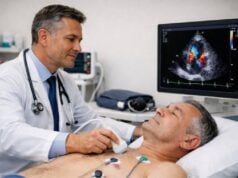
- Echocardiography (heart ultrasound):
- A transthoracic echocardiogram (probe on the chest) is often the first test.
- A transesophageal echocardiogram (probe down the esophagus) provides clearer images and is often used when suspicion is high, when a prosthetic valve is present, or when the first ultrasound is inconclusive.
Clinicians often use structured diagnostic criteria to combine findings in a consistent way. In everyday practice, the decision is still clinical: if blood cultures repeatedly grow a typical organism and imaging shows a valve vegetation, the diagnosis is usually straightforward. But real cases can be messier—especially after prior antibiotics, with prosthetic valves, or when the infection involves a device lead rather than the valve itself.
Additional imaging may be used when the situation is complicated:
- CT scans can help find abscesses, emboli, or complications around the valve.
- MRI may be used when neurologic symptoms suggest silent strokes or brain abscesses.
- Nuclear imaging can sometimes help identify infection around prosthetic valves or devices when ultrasound is unclear.
Sometimes blood cultures remain negative. This can happen if antibiotics were started early, if the organism is hard to grow, or if a non-bacterial cause is involved. In those cases, clinicians may order specialized blood tests, repeat cultures, and lean more heavily on imaging and the overall pattern of disease.
A practical takeaway: if clinicians suspect a heart valve infection, timing matters. The highest-value move is usually drawing blood cultures before antibiotics—unless the patient is critically ill. If you are high-risk and present with persistent fever, it can help to mention your valve/device history right away so the team prioritizes the correct testing.
Treatment, recovery, and preventing relapse
Treatment usually starts in the hospital because clinicians need to stabilize the patient, identify the organism, and monitor for complications. Most people require weeks of antibiotics, and the details depend on the type of valve (native vs prosthetic), the organism, and whether complications are present.
What treatment often looks like:
- Prompt antibiotics after cultures: Clinicians may begin broad coverage if the person is unwell, then narrow therapy once culture results and sensitivities return.
- Longer antibiotic courses: Many regimens run about 4–6 weeks, sometimes longer for prosthetic valves or difficult organisms. The goal is to eradicate bacteria embedded in vegetations and scarred tissue.
- Careful monitoring: repeated blood cultures to confirm clearance, regular kidney function checks (some antibiotics can stress kidneys), and repeat imaging if symptoms change.
- Team-based care: cardiology, infectious diseases, and sometimes cardiac surgery coordinate decisions—especially when there is valve damage, abscess, or embolic risk.
When surgery becomes part of the plan:
Surgery is not “failure” of antibiotics. It is used when antibiotics alone are unlikely to prevent serious harm. Common reasons include severe valve leakage causing heart failure, infection that persists despite appropriate antibiotics, abscess formation, large vegetations with repeated emboli, or infection of prosthetic material that cannot be sterilized reliably.
Life after the hospital:
Many people transition to outpatient IV antibiotics or, in selected situations, a carefully supervised oral regimen after initial stabilization. Follow-up typically includes:
- A clear plan for completion of antibiotics (with dates and dosing)
- Instructions on fever monitoring and what symptoms should trigger urgent reassessment
- Follow-up visits for repeat blood tests and sometimes repeat echocardiography
- Review of medications (including anticoagulants, if applicable) and drug interactions
Preventing relapse and future infections:
Prevention is practical and mostly routine, but consistency matters:
- Oral health: regular dental visits, daily brushing/flossing adapted to your gums, prompt treatment of dental infections.
- Skin care: treat abscesses early, avoid sharing needles, and seek help for chronic wounds.
- Device and line safety: if you have dialysis access, a long-term catheter, or a cardiac device, follow sterile care instructions and report redness, drainage, or fever quickly.
- Know your risk category: if you have a prosthetic valve or past endocarditis, ask your clinician for a short written plan: when to call, whether you need antibiotic prophylaxis for specific procedures, and what to tell dentists and urgent-care clinicians.
When to seek care during recovery:
- Fever (especially ≥38°C / 100.4°F) after a period of improvement
- New shortness of breath, chest pain, fainting, or swelling
- New neurologic symptoms (weakness, speech difficulty, severe headache)
- New severe back, abdominal, or flank pain
The biggest management lesson is simple: heart valve infections are treatable, but they demand follow-through. Finishing the full course, attending follow-ups, and addressing the original entry point (like a dental source or skin infection) are what reduce recurrence and protect the valve long term.
References
- 2023 ESC Guidelines for the management of endocarditis – PubMed 2023 (Guideline)
- The 2023 Duke-International Society for Cardiovascular Infectious Diseases Criteria for Infective Endocarditis: Updating the Modified Duke Criteria – PMC 2023 (Guideline/Consensus)
- Guidelines for Diagnosis and Management of Infective Endocarditis in Adults: A WikiGuidelines Group Consensus Statement – PubMed 2023 (Guideline/Consensus)
- The 2023 new European guidelines on infective endocarditis: main novelties and implications for clinical practice – PMC 2024 (Review)
Disclaimer
This article is for general educational purposes and does not diagnose, treat, or replace care from a licensed clinician. Heart valve infection can become life-threatening and may require urgent testing, IV antibiotics, and sometimes surgery. If you have persistent fever, new shortness of breath, chest pain, fainting, stroke-like symptoms, or you have a prosthetic valve or implanted cardiac device with unexplained illness, seek medical care right away. Decisions about antibiotics, procedures, and prevention should be made with your healthcare team, based on your personal risk factors and medical history.
If you found this guide helpful, please share it on Facebook, X (formerly Twitter), or any platform you prefer, and follow us on social media. Your support helps our team keep producing clear, reliable health content.