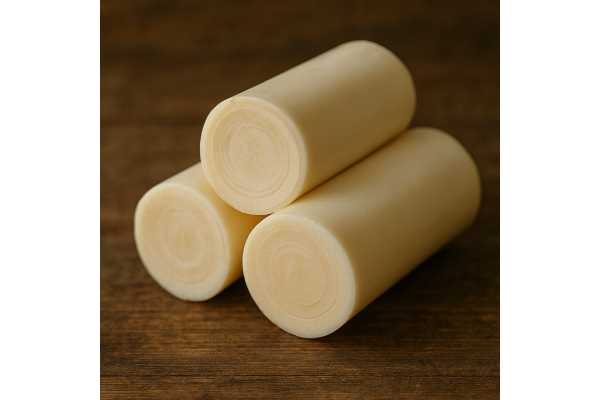
Hearts of palm look simple on the plate, but there is a lot going on beneath their mild flavor and creamy crunch. Cut from the tender inner core of certain palm trees, these ivory cylinders offer a low calorie, fiber rich way to add volume and texture to salads, grain bowls, and plant based “seafood” dishes. Most people meet them first in a can or jar, though fresh and frozen options and noodle like products are now more common.
Nutritionally, hearts of palm provide a rare combination: very few calories, useful amounts of fiber, iron, zinc, manganese, and folate, and a modest dose of potassium. The trade off is that many canned products are quite high in sodium, so choosing and preparing them well matters. This guide walks you through what hearts of palm are, their full nutrition profile, potential health benefits and risks, how to select sustainable products, and practical ways to cook with them while preserving their nutritional value.
Fast Facts on Hearts of Palm
- Provides about 28 kcal, 2.5 g protein, and 2.4 g fiber per 100 g canned hearts of palm, with meaningful iron, zinc, and manganese.
- High sodium (around 18 percent of the Daily Value per 100 g) in many canned brands makes rinsing and low sodium options important.
- A typical serving is 75–100 g (about ½–1 cup) eaten a few times per week as part of mixed meals for most healthy adults.
- People with sodium restricted diets, advanced kidney disease, or a known palm or latex allergy should limit or avoid hearts of palm or use them only with medical guidance.
Table of Contents
- What Hearts of Palm Are
- Hearts of Palm Nutrition Details
- Health Benefits of Hearts of Palm
- Possible Side Effects and Risks
- Choosing Sustainable Hearts of Palm
- Preparing Hearts of Palm for Cooking
- Portions Comparisons and Common Questions
What Hearts of Palm Are
Hearts of palm are the tender inner core of certain palm trees. When the outer leaf sheaths and tougher tissues are removed, what remains is a pale, cylindrical “heart” with a mild, slightly nutty flavor and a texture somewhere between artichoke hearts and crisp water chestnuts. The most common commercial sources today are cultivated peach palm and açaí palm, which can be harvested in a more sustainable way than older single stem species that died when cut.
In stores, hearts of palm are usually sold canned or jarred in brine, either whole, sliced into rings, or cut lengthwise into spears. Newer products include hearts of palm “pasta,” “rice,” and pizza crusts, which shape the vegetable into low carbohydrate alternatives to refined grain products. Fresh hearts of palm are occasionally available in specialty markets, but they are far more perishable and must be kept chilled and used quickly.
Culinarily, hearts of palm behave like a versatile, neutral vegetable. They absorb surrounding flavors well, so you will see them:
- Tossed into green or grain salads for extra crunch.
- Marinated for vegan “ceviche” or “crab” style salads.
- Layered on pizzas or in casseroles.
- Blended into dips or spreads.
- Used as a base for plant based “scallops” or “calamari” when seared.
Although they are not a major source of calories or protein, hearts of palm add satisfying volume, texture, and several important minerals to meals with very little energy or fat.
Hearts of Palm Nutrition Details
Most nutrition data available for hearts of palm come from canned products packed in brine and then drained before eating. Exact values vary by brand and brine concentration, but the figures below are a reasonable approximation for 100 g of canned, drained hearts of palm, which is close to a generous ½ cup serving.
Macros and Electrolytes (per 100 g, canned, drained)
| Nutrient | Amount | Approximate % Daily Value* |
|---|---|---|
| Energy | 28 kcal | – |
| Protein | 2.5 g | 5% |
| Total carbohydrate | 4.6 g | 2% |
| Dietary fiber | 2.4 g | 9% |
| Total fat | 0.6 g | 1% |
| Sodium | 426 mg | 19% |
| Potassium | 177 mg | 4% |
| Water | ~92 g | – |
*Percent Daily Values (%DV) are based on a 2,000 kcal diet and rounded.
This pattern is typical of a low energy, high water vegetable with modest fiber and protein. The main outlier is sodium: canned hearts of palm tend to be quite salty because of the brine. Rinsing under running water before use can significantly lower sodium, and some brands offer reduced sodium versions.
Vitamins (per 100 g)
| Vitamin | Amount | Approximate %DV |
|---|---|---|
| Vitamin C | 7.9 mg | 9% |
| Thiamin (Vitamin B1) | 0.014 mg | 1% |
| Riboflavin (Vitamin B2) | 0.055 mg | 4% |
| Niacin (Vitamin B3) | 0.44 mg | 3% |
| Pantothenic acid (Vitamin B5) | 0.12 mg | 3% |
| Vitamin B6 | 0.02 mg | 1% |
| Folate (Vitamin B9) | 39 µg | 10% |
| Vitamin A, D, B12 | Trace or none | 0% |
Hearts of palm provide small but useful amounts of vitamin C and folate. Folate supports DNA synthesis and red blood cell production, which is particularly important in pregnancy and periods of rapid growth.
Minerals (per 100 g)
| Mineral | Amount | Approximate %DV |
|---|---|---|
| Calcium | 58 mg | 5% |
| Iron | 3.2 mg | 18% |
| Magnesium | 38 mg | 9% |
| Phosphorus | 65 mg | 5% |
| Zinc | 1.2 mg | 11% |
| Copper | 0.13 mg | 14% |
| Manganese | 1.4 mg | 60% |
| Selenium | 1 µg | 2% |
Minerals are where hearts of palm stand out. They are particularly rich in manganese, and provide helpful amounts of iron, zinc, magnesium, and copper, all of which support enzyme function, energy metabolism, and immune health.
Additional nutritional points:
- Fatty acids: Total fat is low, with tiny amounts of mostly unsaturated fats.
- Glycemic traits: With only ~2 g of net carbohydrates (total carbs minus fiber) per 100 g, hearts of palm have a minimal effect on blood glucose when eaten in typical portions.
- Acid–base balance: Data from nutrition databases suggest a slightly alkaline forming potential, similar to many vegetables.
Always check the label of your specific product, as sodium and minor nutrient values can differ, and flavored or marinated varieties may contain added oils or sugars.
Health Benefits of Hearts of Palm
Hearts of palm are not a “superfood” in isolation, but they can contribute to several health goals when used as part of a balanced pattern of eating. Most evidence comes from broader research on fiber rich vegetables, potassium, and mineral intake rather than on hearts of palm alone, so think of them as one useful piece of a larger puzzle.
Support for Weight and Blood Sugar Management
Because hearts of palm are very low in calories and carbohydrates yet provide fiber and volume, they can help you build meals that feel substantial without adding much energy. This is especially true when:
- Swapping hearts of palm pasta or rice for a portion of refined wheat pasta or white rice.
- Adding sliced hearts of palm to salads or grain bowls to increase bulk and chew.
Dietary fiber has consistently been linked with better appetite control, lower body weight, and improved blood sugar regulation over time. Replacing some refined carbohydrate with fibrous vegetables like hearts of palm can modestly support these effects when combined with other changes.
Digestive Health and Regularity
Each 100 g serving supplies around 2.4 g of fiber, most of it insoluble. While this is not an enormous amount by itself, it helps contribute to the widely recommended 25–38 g of fiber per day for adults. Regular fiber intake is associated with:
- Softer, bulkier stools and more regular bowel movements.
- Lower risk of constipation.
- A healthier gut microbiome, which may influence immunity and metabolic health.
For people who struggle to reach their fiber targets, adding hearts of palm to meals is a gentle way to nudge intake upward without large changes in calories.
Cardiovascular and Metabolic Support
Hearts of palm pair a modest amount of potassium with significant amounts of manganese, magnesium, and fiber. Diets that are higher in potassium and fiber and lower in excess sodium are linked to:
- Lower blood pressure.
- Reduced risk of stroke and cardiovascular disease.
- Improved blood lipid profiles and markers of metabolic health.
The caveat is sodium: standard canned hearts of palm bring both fiber and minerals and a notable sodium load. Rinsing and choosing low sodium products help you keep the benefits while reducing the downside.
Plant Based and Low Carbohydrate Eating
Hearts of palm are naturally vegan, gluten free, and low in fermentable sugars. They work well for people who:
- Follow vegetarian, vegan, or flexitarian diets and want more variety.
- Eat low carbohydrate, paleo, or ketogenic patterns but still want to include vegetables that do not raise blood glucose substantially.
- Prefer minimally sweet, neutral flavored vegetables that can take on sauces and dressings.
Used thoughtfully, hearts of palm can make plant forward and low carbohydrate meals more satisfying, especially when combined with quality protein sources and healthy fats.
Possible Side Effects and Risks
For most healthy people, hearts of palm are safe and well tolerated in typical food amounts. However, there are several considerations worth keeping in mind.
Sodium Load and Blood Pressure
The most important nutritional concern is sodium. Many canned products contain more than 400 mg of sodium per 100 g, and a full cup can approach a quarter of the recommended daily limit. Regularly eating high sodium portions may:
- Worsen blood pressure control in salt sensitive individuals.
- Increase fluid retention for people with heart failure or cirrhosis.
- Add to overall sodium intake in diets that already include processed and restaurant foods.
Practical steps:
- Look for low sodium or “no salt added” hearts of palm when possible.
- Always drain and rinse hearts of palm under running water for 20–30 seconds before eating or cooking.
- Avoid adding extra salt to dishes that already include brined products.
Allergies and Intolerances
Documented allergies specifically to hearts of palm are rare, but in theory they could occur, particularly in people who are allergic to other palm derived products. A few points to consider:
- Some individuals with latex or certain fruit allergies may be more prone to cross reactions with plant foods, although this is not well described for hearts of palm.
- Reactions could include itching, hives, swelling of the lips or tongue, or digestive symptoms after eating the food.
Anyone who experiences possible allergic symptoms after eating hearts of palm should stop consuming them and seek medical evaluation.
Digestive Upset from Fiber
Because hearts of palm contain fiber and are often eaten in relatively large portions in salads or “pasta” dishes, they can cause temporary gas, bloating, or cramping if:
- You significantly increase your fiber intake all at once.
- You have irritable bowel syndrome or a history of sensitive digestion.
Introducing them gradually and pairing them with adequate fluids can reduce these effects. If symptoms persist, reducing portion size or frequency may help.
Kidney Disease and Electrolyte Management
Each serving contributes a modest amount of potassium and a relatively high amount of sodium. For people with advanced chronic kidney disease, heart failure, or those taking certain medications (such as potassium sparing diuretics), total dietary potassium and sodium often need careful control. In these cases:
- Hearts of palm may still fit in small portions when well rinsed, but should be counted toward daily sodium and potassium limits.
- Decisions about using hearts of palm should be made with the help of a nephrologist or renal dietitian.
Canned Food Safety and Packaging
Standard canned food precautions apply:
- Do not use cans that are bulging, badly dented at the seams, rusted through, or leaking.
- Once opened, transfer leftovers to a glass or plastic container, cover them with their liquid or fresh water, refrigerate, and use within 3–5 days.
Many manufacturers now use can linings that are free of bisphenol A (BPA), but practices differ by region and brand. If this matters to you, choose products specifically labeled as BPA free or opt for glass jars.
Choosing Sustainable Hearts of Palm
Hearts of palm have a complicated environmental history. In the past, harvesting them from single stem palm species often killed the tree, contributing to deforestation and threatening some wild populations. Modern production has shifted toward more sustainable systems, but choices at the store still matter.
Understanding the Source
More sustainable hearts of palm typically come from:
- Peach palm (Bactris gasipaes): A multi stemmed palm that can regrow new shoots after one stem is harvested, allowing repeated harvests without killing the plant.
- Cultivated plantations or agroforestry systems: Farms where palms are grown alongside other crops, which can reduce pressure on wild forests.
If labels or product descriptions mention “cultivated peach palm,” “sustainably harvested,” or certification from credible environmental organizations, that is generally a positive sign. Products derived from wild, single stem species are less common today but can still appear; these are more likely to be associated with habitat loss.
How to Read the Label
When you compare brands, look for:
- Short ingredient list: Ideally just hearts of palm, water, and salt, with perhaps citric acid as an acidity regulator.
- Sodium content: Lower sodium per serving (for example, under 250–300 mg per 100 g when possible).
- Organic or certification seals: Organic, Fair Trade, or other third party certifications may indicate better oversight, although they do not guarantee perfect practices.
- Country of origin: Some countries have stronger environmental regulations than others. If you have access to producer information, smaller companies that highlight traceability and sustainable forestry practices may be preferable.
Quality and Storage
To get the best flavor and texture:
- Choose cans or jars without visible dents, rust, or cracks.
- Look for intact, firm pieces rather than mushy or heavily broken fragments.
- For jars, check that the brine is clear and free of cloudiness or sediment.
At home:
- Store unopened cans and jars in a cool, dry place away from direct heat.
- After opening, transfer leftovers and their liquid to a sealed container, refrigerate, and use within 3–5 days.
- If you need to keep them longer, you can freeze drained hearts of palm in freezer bags, though the texture may soften slightly on thawing.
By prioritizing brands that are transparent about their sourcing and by treating the product as a supplementary vegetable rather than a daily staple, you can enjoy hearts of palm while minimizing environmental impact.
Preparing Hearts of Palm for Cooking
Hearts of palm are easy to work with, and most of the “prep” is really about managing sodium and making the most of their delicate texture.
Basic Preparation Steps
For canned or jarred hearts of palm:
- Open and drain the container, discarding the brine.
- Rinse the hearts of palm under cool running water for 20–30 seconds to remove surface salt and acidity.
- Pat dry gently with a clean towel if you plan to sear or grill them (excess moisture can prevent browning).
- Cut as needed:
- Rings for salads.
- Lengthwise spears for roasting or grilling.
- Small pieces for stir fries, grain bowls, or stews.
For hearts of palm “pasta” or “rice,” follow the package directions, which usually call for rinsing and brief warming rather than long cooking.
Cold Dishes
Hearts of palm shine in cold preparations where their crispness stays intact. Ideas include:
- Tossing sliced hearts of palm with tomatoes, cucumbers, onions, olive oil, vinegar or lemon juice, and herbs.
- Combining with avocado, citrus, and fresh herbs for a seafood free ceviche style salad.
- Layering on antipasto platters with olives, roasted peppers, and cheeses.
For best nutrient retention in cold dishes, use gentle, acid based dressings rather than very salty marinades, and avoid soaking for many hours, which can leach minerals into the liquid.
Warm Dishes and Cooking Methods
Hearts of palm can also be cooked lightly:
- Sautéed or stir fried: Add near the end of cooking so they warm through but stay firm.
- Grilled or roasted: Brush lightly with oil and seasonings, then grill or roast just until browned in spots.
- In soups and stews: Add sliced hearts of palm toward the end for texture; prolonged boiling can make them softer but not harmful.
From a nutrient perspective:
- Short cooking times and moderate heat help preserve vitamin C and some B vitamins.
- Adding them to dishes that already contain healthy fats (such as extra virgin olive oil, nuts, or seeds) improves flavor and may aid absorption of fat soluble nutrients in the overall meal, even though hearts of palm themselves are low in these vitamins.
- Avoid repeatedly reheating the same dish, which can gradually degrade heat sensitive vitamins.
Simple Low Sodium Hearts of Palm Salad
As a starting point, try this basic framework:
- Rinse and slice 1 can (about 200–220 g drained) of hearts of palm into rings.
- Combine with cherry tomatoes, thinly sliced red onion, and chopped parsley.
- Dress with 1–2 tablespoons of olive oil, juice of half a lemon, and black pepper. Taste before adding any salt; the residual sodium from the hearts of palm may be enough.
This kind of dish shows how hearts of palm can bring texture and micronutrients to the table without overwhelming sodium, especially when balanced with fresh vegetables.
Portions Comparisons and Common Questions
Understanding how much hearts of palm to eat and how they compare with similar foods helps you use them wisely rather than assuming “more is always better.”
Reasonable Portions and Frequency
For most adults with no specific medical restrictions:
- A typical serving is about 75–100 g, or roughly ½–1 cup of sliced hearts of palm.
- Enjoying that amount a few times per week fits comfortably into many balanced diets, especially when other vegetables also feature regularly.
- If you are watching sodium intake closely, it may be better to use smaller servings (¼–½ cup) unless you have access to low sodium products and rinse them thoroughly.
People with hypertension, heart failure, or kidney disease should work with their healthcare team to determine how much, if any, brined vegetables such as hearts of palm can fit into their plan.
How Do Hearts of Palm Compare to Other Foods?
Versus artichoke hearts:
Both are low calorie, fiber containing vegetables with mild flavors. Artichoke hearts usually provide more fiber per serving, while hearts of palm often contribute slightly more iron and manganese. Sodium depends on how each is packed.
Versus asparagus:
Asparagus is typically eaten fresh and is slightly richer in folate and vitamin K, while hearts of palm offer more iron and manganese per gram but come with added sodium from brine.
Versus wheat pasta or white rice:
Hearts of palm “pasta” or “rice”:
- Have far fewer calories and digestible carbohydrates per portion.
- Offer more fiber relative to their carb content.
- Do not provide the same protein or B vitamin content as whole grain products.
This makes hearts of palm a useful option for lowering carbohydrate or energy load in a meal, but they should not completely replace nutrient dense whole grains and legumes in most diets.
Frequently Asked Questions
Are hearts of palm keto friendly?
Yes. With very low net carbohydrates and modest fiber, they fit well into ketogenic or low carbohydrate meal plans, provided you account for sodium.
Are they low FODMAP?
Hearts of palm are generally considered low in fermentable carbohydrates in typical portions, but individual tolerance varies. People with irritable bowel syndrome may wish to introduce them gradually.
Are hearts of palm safe during pregnancy?
When properly stored and handled, hearts of palm are simply another vegetable and are typically safe during pregnancy. Their folate and iron content can be helpful, but pregnant individuals should be especially cautious about overall sodium intake and food safety, avoiding any products from damaged cans or those past their best by dates.
Do fresh hearts of palm have different nutrition?
Fresh hearts of palm tend to be lower in sodium and may retain slightly more vitamin C, but their mineral and fiber content is similar. The main differences are flavor, texture, and shelf life rather than dramatic changes in nutrient density.
Are hearts of palm ultra processed?
Plain canned or jarred hearts of palm are usually considered minimally processed, similar to other canned vegetables. Highly flavored or breaded products, or those combined with sauces, can be more processed and may contain substantial extra salt or fat.
Used in sensible portions, hearts of palm can be a helpful and enjoyable part of an overall eating pattern that emphasizes a wide range of vegetables, fruits, whole grains, legumes, nuts, seeds, and quality protein sources.
References
- Potassium Intake and Human Health 2024 (Systematic Review)
- Association of dietary fiber intake with all-cause and cardiovascular mortality in U.S. adults with metabolic syndrome: NHANES 1999–2018 2025 (Prospective Cohort Study)
- A systematic review and meta-analysis of the dietary fiber menu provision and consumption for older adults living in residential care facilities 2024 (Systematic Review and Meta-analysis)
- Global mean potassium intake: a systematic review and meta-analysis of worldwide data 2023 (Systematic Review and Meta-analysis)
- Full Exploitation of Peach Palm (Bactris gasipaes Kunth): Why This Endemic Amazon Species Should Be Promoted as a Major Crop 2022 (Review)
Disclaimer
The information in this article is intended for general educational purposes and does not replace personalized advice from a qualified healthcare professional. Nutrition needs and health risks vary based on medical history, medications, and overall lifestyle. Always consult your physician, registered dietitian, or other licensed health provider before making significant changes to your diet, using specialized products such as low sodium or potassium restricted foods, or if you have conditions such as kidney disease, heart disease, diabetes, or food allergies. Never ignore or delay seeking professional medical guidance because of information you have read online.
If you found this overview of hearts of palm helpful, please consider sharing it on Facebook, X (formerly Twitter), or any platform you prefer. Your support helps our team continue creating clear, evidence informed nutrition content for more readers.