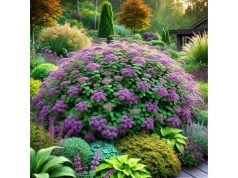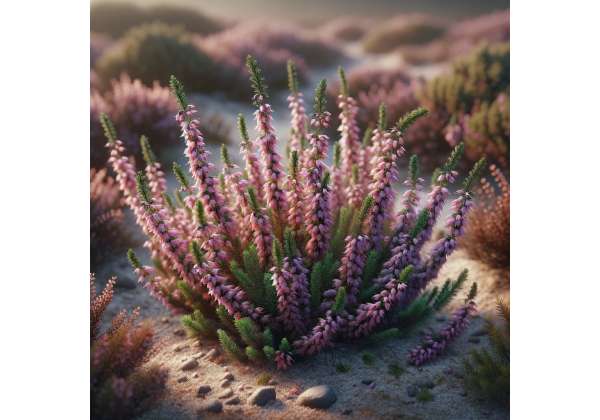
Heather, or Calluna vulgaris, is a small evergreen shrub best known for painting moorlands in pink and purple, but it also has a long history as a traditional medicinal herb. In older European practice, the flowering tops and aerial parts were brewed for urinary discomfort, mild fluid retention, restlessness, and inflammatory aches. Modern phytochemical research helps explain that reputation: heather contains flavonoids, phenolic acids, tannins, triterpenes, and hydroquinone derivatives such as arbutin, all of which are linked to antioxidant, astringent, antimicrobial, and tissue-soothing actions. Even so, heather is not a proven cure for urinary tract infection, insomnia, or chronic inflammatory disease. Its strongest support comes from traditional use, laboratory studies, and preclinical findings rather than large human trials. That makes it a promising but modest herb, best used as supportive care rather than a stand-alone treatment. For most readers, the most practical forms are tea, gentle herbal blends, and short-term use guided by symptoms, tolerance, and common-sense safety.
Quick Overview
- Heather is traditionally used for mild urinary discomfort and gentle fluid support.
- Its polyphenols and tannins may help with antioxidant and tissue-soothing effects.
- A common traditional tea range is 1.5 g dried herb per cup, up to 3 cups daily.
- People who are pregnant, breastfeeding, or have kidney or urinary symptoms should avoid self-treating with heather.
Table of Contents
- What is heather?
- Key compounds and properties
- Does heather help?
- How to use heather
- How much heather per day
- Safety and interactions
- What the evidence shows
What is heather?
Heather is the sole species in the genus Calluna, a member of the Ericaceae family. It grows naturally across large parts of Europe and is now found in other temperate regions as well. The plant thrives in poor, acidic soils and windy, exposed landscapes, which is one reason it became so familiar in folk medicine: it was available, easy to gather, and simple to dry for later use. In herbal practice, the parts most often used are the flowering tops and other aerial parts collected during bloom.
For modern readers, it helps to separate three related but different things. First, there is medicinal heather, used as tea, tincture, or extract from the herb itself. Second, there is ornamental heather, grown for landscape color. Third, there are heather-derived products such as honey, which may share some botanical connection but do not act the same way in the body. When an herbal guide talks about heather for health purposes, it usually means the dried aerial parts of Calluna vulgaris prepared as a tea or extract.
Historically, heather was used for several overlapping purposes:
- mild bladder and lower urinary tract discomfort
- gentle diuretic support
- rheumatic and gout-like complaints
- mild nervous tension or difficulty unwinding
- baths, washes, or compresses for external soothing
Those traditional uses make more sense when you remember how older herb systems worked. People often selected plants not for one sharply defined biochemical target, but for clusters of effects they could observe: more urination, less heaviness, less surface irritation, or a more settled state before sleep. Heather fits that pattern well. It is not a dramatic herb, and it was rarely treated as one. Its value came from steady, gentle support.
A useful modern perspective is to think of heather as a bridge herb between folk medicine and contemporary phytotherapy. It has enough research behind its chemistry to be taken seriously, but not enough human clinical evidence to justify broad therapeutic claims. That middle position matters. Heather is more than a decorative plant with old stories attached to it, yet less than a clinically validated treatment for a defined disease.
It is also worth noting that heather was often used in blends rather than in isolation. That tradition still makes sense today. An herb with mild astringent, antioxidant, and urinary-supportive qualities often works best when matched to a clear purpose and combined thoughtfully rather than pushed in high amounts on its own. Used in that way, heather becomes easier to understand: a modest traditional herb with several plausible actions, but with a role that should stay proportional to the evidence.
Key compounds and properties
Heather’s medicinal reputation comes mainly from its chemistry. Analyses of the flowering parts and aerial material consistently show that the plant is rich in polyphenols and related bioactive compounds. The exact profile shifts with geography, harvest time, habitat, and extraction method, which partly explains why one heather product can feel different from another. Still, several groups of compounds appear again and again in the literature.
The most important are:
- Flavonoids, including hyperoside, rutin, quercetin derivatives, and related molecules
- Phenolic acids, especially chlorogenic acid and caffeic-acid derivatives
- Tannins and proanthocyanidins, which contribute much of heather’s astringent quality
- Triterpenes, including ursolic acid, oleanolic acid, and similar compounds
- Hydroquinone derivatives, notably arbutin and related substances
These compounds matter because they point to realistic biological properties. Flavonoids and phenolic acids are often associated with antioxidant and inflammation-modulating activity. Tannins can create a tightening, drying, tissue-toning effect that helps explain why astringent herbs are often used for irritated mucous membranes. Triterpenes are frequently studied for anti-inflammatory and membrane-supportive actions. Arbutin is especially interesting because it helps connect heather to its traditional urinary use. It also places the herb in the same conceptual family as more familiar urinary botanicals such as uva ursi.
From a practical standpoint, heather’s chemistry suggests five broad properties:
- antioxidant support
- mild antimicrobial potential
- astringent tissue action
- possible anti-inflammatory effects
- mild calming or settling effects in preclinical work
That mix makes heather broader than many people expect. It is not just a “bladder herb,” and it is not purely a calming tea. Instead, it seems to work through several modest mechanisms at once. That can be useful when symptoms overlap, such as urinary discomfort with a sense of inflammation, or physical tension accompanied by restlessness.
Preparation changes the profile too. A water infusion tends to emphasize water-soluble phenolics and tannins. A tincture or more concentrated extract may pull in a wider range of compounds and feel stronger. This is one reason the same herb can behave mildly in tea form and more assertively in extract form. It is also why readers should avoid assuming all heather products are interchangeable.
Another important point is that plant chemistry does not automatically equal clinical proof. A rich phytochemical profile tells you the herb is biologically active. It does not prove that it will reliably treat a medical condition in humans. Heather’s compounds make its traditional uses plausible, but plausibility is only the beginning of the evidence chain. Understanding that distinction keeps the herb in the right category: promising, interesting, and worth using carefully, but not exaggerated.
Does heather help?
The most balanced answer is yes, possibly, but mostly in a supportive way. Heather has several traditional uses that fit its chemistry well, yet the strongest human proof is still missing. Readers get the most value from the herb when they expect gentle support rather than a dramatic result.
The clearest traditional role is urinary support. Heather has long been used for mild bladder discomfort, urinary irritation, and formulas intended to “flush” the system. That traditional pattern is believable because the plant contains arbutin-related compounds, tannins, and polyphenols with antimicrobial potential. Laboratory studies have also shown activity against selected urinary pathogens. Still, that is not the same as saying heather can treat a true urinary tract infection. If symptoms suggest infection, especially with fever, burning, blood in the urine, or back pain, medical care is more important than herbal experimentation.
Heather may also be useful for mild inflammatory discomfort. The combination of flavonoids, triterpenes, and tannins gives the plant a credible case for tissue-soothing and anti-inflammatory support. This helps explain why older traditions used it for rheumatic pain, gout-like complaints, or bathing formulas meant to ease soreness. In real life, that likely means heather is best thought of as a low-key helper rather than a substitute for proven pain management.
Another traditional use is for nervous tension and mild sleeplessness. Heather tea has a long folk reputation as a settling drink, especially in the evening. That does not place it in the same evidence tier as better-known calming herbs, but it does fit with preclinical findings and with the general experience people have of warm, slightly bitter, floral herbs that encourage the body to downshift. For readers focused mainly on sleep and relaxation, a more familiar calming herb such as lavender may offer a clearer first choice, but heather can still have a role in blended or ritual evening teas.
There may also be some benefit in mild fluid retention, though here again the effect is likely gentle. Heather is not the kind of herb to use when a person needs a powerful diuretic action. It fits better when the goal is modest support and the person is otherwise healthy.
The key is to match expectation to reality. Heather may help with:
- mild urinary comfort
- mild tissue irritation
- gentle fluid support
- restlessness that responds to tea rituals and calming herbs
- broader wellness goals tied to polyphenol intake
It is much less convincing for:
- active infection
- severe insomnia
- chronic inflammatory disease
- metabolic claims such as detox or immune boosting
- replacing standard medical care
When readers understand this difference, heather becomes much more useful. It is not an all-purpose remedy, but it can be a reasonable herbal tool when symptoms are mild, the goal is supportive care, and there is no delay in seeking medical help when needed.
How to use heather
Most people who use heather medicinally start with tea, and that remains the most practical form. A simple infusion captures many of the herb’s water-soluble compounds and generally keeps the experience mild enough for cautious short-term use. The flavor is lightly floral, slightly bitter, and somewhat tannic. Some people enjoy that profile on its own, while others prefer it blended with softer or more aromatic herbs.
The most common forms are:
- Tea or infusion, used for mild urinary support or gentle calming
- Short decoction, used when a somewhat stronger and more astringent preparation is desired
- Tincture or liquid extract, preferred by people who want smaller-volume dosing
- Bath or soak preparation, used externally for traditional soothing
- Herbal blends, where heather supports a broader formula rather than carrying the whole job alone
Tea is usually the best place to begin because it lets the herb stay in proportion. Many problems with herbal use come from starting with concentrated extracts when there is no need. Heather is not a plant that gains much from being forced. If a cup or two of tea does not fit the situation, that is often a sign to reassess the herb rather than intensify it immediately.
Blending also matters. For urinary-focused formulas, heather is often paired conceptually with herbs associated with urinary comfort or flushing, such as golden rod. For gentle evening formulas, it can be combined with milder calming plants such as chamomile. These combinations often make more sense than heather on its own because the herb’s strengths are modest and complementary.
External use is less common today, but it still has a place. A strong infusion added to bath water or used as a cooled wash can fit traditional body-care routines when the goal is soothing rather than treatment. This is a better match for mild, nonspecific discomfort than for a clearly diagnosed skin condition.
A few practical habits improve the experience:
- Choose clearly labeled dried flowering tops or aerial parts.
- Use fresh, properly stored herb rather than old, faded material.
- Start with tea before moving to extracts.
- Keep the purpose clear: urinary support, mild calming, or traditional external use.
- Stop if the herb feels drying, irritating, or unhelpful.
Common mistakes include:
- using heather alone for obvious UTI symptoms
- taking it continuously without a reason
- assuming concentrated extracts are always better
- confusing tea, honey, and flower-essence products
- expecting fast results from a traditionally gentle herb
Used thoughtfully, heather is straightforward. It works best when the preparation matches the goal, the dose stays moderate, and the reader respects the difference between supportive herbal use and medical treatment.
How much heather per day
Heather dosage is best approached conservatively because there is no widely accepted modern clinical standard based on large human trials. Most practical guidance comes from traditional herbal use and from the way similar herbs are prepared. That means dosage should be treated as a reasonable range, not as a precision prescription.
A common traditional approach is:
- 1.5 g dried herb per cup
- 150 to 250 mL hot water
- 1 to 3 cups daily
This range suits most readers who want a tea for mild urinary support, gentle calming, or a short-term herbal trial. For many people, the best plan is to begin low and assess tolerance before moving upward.
A practical progression looks like this:
- Start with 1 cup daily for 2 to 3 days.
- If it feels comfortable, increase to 2 cups daily.
- Use 3 cups daily only when there is a clear reason and the herb still feels well tolerated.
- Reassess after 5 to 7 days rather than drifting into long-term use.
That short-course approach matters. Heather is rich in tannins, and tannin-heavy herbs can feel drying or uncomfortable when used too strongly or for too long. This is especially relevant for people who already have digestive sensitivity, constipation tendencies, or irritation with bitter and astringent plants.
Traditional liquid-extract guidance varies by product strength, which is why labels matter more than folk numbers in that category. If using a tincture or fluid extract, it is safer to follow the manufacturer’s standardized instructions and stay within short-term use unless a qualified herbal practitioner has advised otherwise. Extracts are not automatically inappropriate, but they compress the experience and can make it easier to overshoot what is needed.
Timing also changes the fit:
- Morning or afternoon tends to make more sense for urinary or fluid-support goals.
- Late afternoon or evening suits calming use better.
- Between meals is often preferred for herbal teas with noticeable tannin content.
Duration deserves as much attention as dose. Heather is better suited to short-term support than to indefinite daily use. If symptoms are still present after several days, the next step should usually be reassessment rather than continued self-treatment.
A few variables can change the right amount:
- body size
- sensitivity to tannins
- whether the herb is taken alone or in a blend
- strength and freshness of the dried material
- whether the goal is urinary comfort or evening calming
If the main goal is urinary prevention rather than symptom response, some readers may find a better-studied option such as cranberry support easier to use consistently. Heather remains more of a traditional short-course herb than a standardized long-term daily supplement.
The most practical summary is this: 1.5 g per cup, up to 3 cups daily, for short-term use is a sensible traditional range for otherwise healthy adults. Stronger use needs better justification, closer attention to tolerance, and more caution than many readers expect from such a familiar plant.
Safety and interactions
Heather is often described as mild, and in many cases it is. Still, the main safety risk is not dramatic toxicity. The larger risk is using a traditional herb in situations that need diagnosis, prescription treatment, or closer medical attention. That is especially true with urinary complaints, kidney symptoms, pregnancy, and prolonged use.
People who should avoid or use extra caution with heather include:
- people who are pregnant
- people who are breastfeeding
- children unless advised by a qualified clinician
- anyone with kidney disease
- anyone with fever, blood in the urine, flank pain, or suspected UTI
- people who react poorly to tannin-rich herbs
- people taking multiple medicines that affect fluid balance or the urinary tract
Pregnancy and breastfeeding deserve special caution because reliable safety data are limited. In these situations, lack of strong evidence should be treated as a reason to avoid routine self-prescribing. The same is true for children. Herbs with modest traditional benefits can still be the wrong choice when the safety margin is not well defined.
The most likely side effects are digestive and dose-related. Heather may cause:
- stomach tightness
- nausea
- a dry or puckering mouthfeel
- constipation tendency
- reduced appetite for the tea at higher strengths
Those effects are not surprising in a tannin-rich herb. A smaller amount, shorter duration, or a better-balanced blend may solve the issue, but persistent irritation is a good reason to stop.
Interaction data are limited, which means caution is more appropriate than confidence. People taking prescription diuretics, lithium, sedatives, or medicines used for urinary and kidney conditions should speak with a clinician or pharmacist before using heather regularly. This is less about a single famous interaction and more about avoiding unpredictable layering of effects.
Product quality also matters. Heather tea made from clean, properly dried flowering tops is not the same as an unspecified powder or a highly concentrated extract. Readers should look for the botanical name Calluna vulgaris, the plant part used, and clear preparation instructions. If that information is missing, the product is harder to trust.
The safest way to use heather is simple:
- Keep the use short-term.
- Stay within moderate tea-style dosing.
- Stop if it feels irritating or ineffective.
- Do not use it to postpone medical evaluation.
Heather is a support herb, not a stand-in for diagnosis. Used with that mindset, it is far easier to keep the risk low and the benefit realistic.
What the evidence shows
Heather has a credible research foundation, but it is not the kind of herb backed by strong clinical trial evidence. Most of what makes it interesting comes from phytochemical studies, antioxidant work, laboratory antimicrobial testing, and preclinical observations. That body of evidence is valuable, but it has limits that readers should understand clearly.
What the evidence supports fairly well:
- heather contains meaningful amounts of flavonoids, phenolic acids, tannins, triterpenes, and related compounds
- those compounds give the plant measurable antioxidant activity
- extracts show antimicrobial activity in laboratory settings
- the chemistry makes traditional urinary and tissue-soothing use biologically plausible
- plant part, growing location, and extraction method can change the chemical profile
What remains weak or incomplete:
- large human trials
- standardized clinical dosing
- long-term safety data
- direct proof for specific medical conditions
- evidence strong enough to replace standard care
This difference matters because herbal writing often blurs the line between plausibility and proof. Heather is a good example of why that is a mistake. It is reasonable to describe it as a traditional herb with antioxidant, antimicrobial, and astringent potential. It is not reasonable to claim that it is clinically proven to treat UTIs, reverse inflammatory disease, or serve as a validated sleep remedy.
One of the more useful insights from the research is how variable the herb can be. Flowers, leaves, and mixed aerial parts do not always carry the same concentrations of marker compounds. Wild-growing material from different habitats can also show noticeably different phytochemical patterns. That helps explain why historical herbal traditions cared about harvest timing and why modern products can vary in effect and quality.
The best evidence-based conclusion is not that heather is ineffective. It is that heather belongs in the category of credible traditional herbs with incomplete clinical validation. That is a respectable category. Many useful herbs live there. The important thing is to use them in ways that match that level of certainty.
For a reader trying to decide whether to use heather, three questions help:
- Is the goal mild support rather than treatment of a diagnosed condition?
- Is a short course of tea enough, or am I trying to solve a more serious problem?
- Am I prepared to stop and seek care if symptoms continue or worsen?
If the answers stay realistic, heather can make sense. If the situation is more serious, a more studied herb, a more standardized product, or straightforward medical care is usually the better choice. That balanced view protects both the plant’s value and the reader’s safety.
References
- Calluna vulgaris as a Valuable Source of Bioactive Compounds: Exploring Its Phytochemical Profile, Biological Activities and Apitherapeutic Potential 2022 (Review) ([PMC][1])
- Phytochemical Diversity and Antioxidant Potential of Wild Heather (Calluna vulgaris L.) Aboveground Parts 2022 ([PMC][2])
- The Antioxidant Activity of Wild-Growing Plants Containing Phenolic Compounds in Latvia 2023 ([PubMed][3])
- In vitro activity of heather [Calluna vulgaris (L.) Hull] extracts on selected urinary tract pathogens 2014 ([PubMed][4])
- Safety classification of herbal medicines used in pregnancy in a multinational study 2016 ([PMC][5])
Disclaimer
This article is for educational purposes only and is not a diagnosis or a substitute for medical care. Heather may have traditional and laboratory-supported properties, but it is not a proven treatment for urinary tract infection, kidney disease, insomnia, inflammatory disorders, or any other medical condition. Seek medical advice before using heather if you are pregnant, breastfeeding, have kidney or urinary symptoms, take prescription medicines, or plan to use concentrated extracts. Urgent symptoms such as fever, flank pain, blood in the urine, worsening pain, or persistent sleep problems should be evaluated by a qualified clinician.
If you found this article helpful, please share it on Facebook, X, or any other platform that fits your audience.