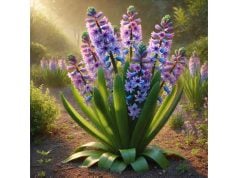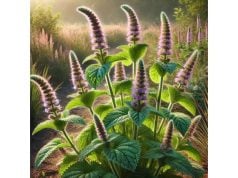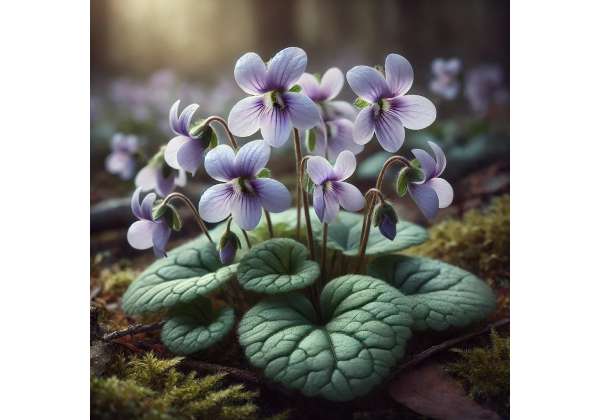
Hedge violet, botanically known as Viola reichenbachiana, is a small woodland violet best known as an early spring flower rather than a mainstream medicinal herb. It belongs to the wider Viola genus, a group with a long history in food traditions and folk herbalism. That family connection matters, because many of the gentle benefits people associate with violets, such as soothing infusions, softening support for irritated tissues, and antioxidant-rich flowers, come from the broader violet tradition more than from hedge violet alone.
That distinction makes this plant especially interesting. Hedge violet is a real herb, but not a heavily standardized one. It has edible uses, a modest traditional profile, and a chemistry that likely overlaps with better-known violets, yet direct clinical evidence for this exact species remains limited. For most readers, the most useful approach is practical and careful: think of hedge violet as a lightly medicinal edible flower with potential for mild throat comfort, culinary use, and gentle self-care, rather than as a strong treatment. Used that way, it can still be a valuable plant to know.
Key Insights
- Hedge violet is best suited to gentle culinary use and mild self-care, not high-dose supplementation.
- Its most plausible benefits are light antioxidant support and mild soothing effects for the mouth and throat.
- A cautious infusion range is about 1 to 2 g dried aerial parts per 200 to 250 mL water.
- Avoid medicinal use during pregnancy, breastfeeding, and in young children without professional guidance.
- Do not forage it from roadsides, contaminated soil, or sites where plant identification is uncertain.
Table of Contents
- What is hedge violet
- Key compounds and properties
- Potential benefits and best uses
- How to use hedge violet
- How much hedge violet per day
- Safety side effects and who should avoid it
- What the evidence actually says
What is hedge violet
Hedge violet is a perennial wildflower in the violet family, usually recognized by its delicate purple flowers, heart-shaped leaves, and early spring appearance. It is also commonly called early dog violet, a name that helps distinguish it from the sweeter-smelling violet species people often know from perfume, syrups, or classic herbal references. In gardens and woodland edges, it is valued for its subtle beauty. In herbal discussions, though, it sits in a more nuanced place.
The first thing to understand is that hedge violet is not the same as sweet violet, and it is not the same as wild pansy. Those differences are more than botanical trivia. Sweet violet has a richer medicinal reputation in traditional respiratory and soothing remedies, while wild pansy has a more formal place in European herbal monographs for skin use. Hedge violet belongs to the same wider plant world, but it has not been studied or standardized to the same degree. That means many online claims blur species together in a way that sounds confident but is not always accurate.
Even so, hedge violet still deserves attention. As part of the Viola genus, it comes from a lineage known for edible flowers, colorful pigments, and plant compounds that interest both herbalists and phytochemists. Ethnobotanical sources also show that Viola reichenbachiana has been used as a food flower in parts of the Mediterranean, including snack-style use, preserves, and candied preparations. That culinary record matters because it suggests the plant has traditionally been approached as a gentle, low-intensity botanical rather than as a potent drug-like herb.
In practical terms, hedge violet is best thought of as a soft-use woodland violet. It may be relevant for:
- edible decoration and floral food use
- mild home infusions
- cautious folk-style throat support
- general botanical interest within the medicinal violet family
That “soft-use” identity is important. Readers looking for a strong, evidence-backed medicinal herb may be disappointed if they expect more than the plant can honestly offer. Readers who appreciate subtle herbs, however, may find hedge violet appealing precisely because it is gentle, seasonal, and versatile.
It also helps to place it alongside other mild, soothing plants. People who enjoy flower herbs often compare it with elderflower in light spring infusions, though hedge violet is less aromatic and less established in modern herbal practice. Its value lies in modesty: a small violet with culinary history, likely useful phytochemistry, and a realistic role in gentle self-care rather than aggressive treatment.
Key compounds and properties
The medicinal interest in hedge violet comes mainly from what researchers know about the Viola genus as a whole. Reviews of violet species show that these plants can contain flavonoids, coumarins, lignans, alkaloids, phenolic compounds, and cyclotides. That is a chemically rich profile, but the key point is that different violet species express these compounds in different amounts. So while hedge violet likely shares part of this pattern, it should not be assumed to match better-studied violets exactly.
Flavonoids are among the most relevant compounds to keep in mind. These plant pigments help explain why violet flowers and leaves attract attention in antioxidant research. In food terms, they are part of what gives edible flowers their “functional” appeal. In herbal terms, they are often linked to gentle anti-inflammatory and tissue-protective effects. That does not mean hedge violet is a proven anti-inflammatory medicine, but it does make its traditional use as a mild plant ally more plausible.
Some violet species also contain mucilage and other water-friendly compounds that create a softening or coating feel in infusions. This is one reason violets are often discussed in relation to the throat, mouth, and upper digestive tract. If hedge violet behaves similarly, its best medicinal role would likely be local and soothing rather than strongly systemic. Readers familiar with mallow and other mucilage-rich herbs will recognize that style of action: gentle, moistening, and best suited to irritation rather than deep pathology.
Another important feature of the genus is the presence of cyclotides. These are small, remarkably stable plant peptides involved in host defense. In laboratory work across violet species, cyclotides have drawn interest because of antimicrobial and other biologically active properties. This sounds impressive, but it needs context. Cyclotide research is exciting from a biochemical perspective, yet it does not automatically translate into a home herbal effect. A plant can contain sophisticated defense molecules without becoming a clinically proven remedy for people.
Color compounds matter too. Violet flowers often contain anthocyanin-type pigments and other polyphenols associated with antioxidant activity. This is one reason edible violet flowers fit well into the broader idea of colorful botanical foods. When used in small culinary amounts, hedge violet may offer more value as a phytonutrient-rich edible accent than as a concentrated medicinal substance.
Taken together, the most realistic medicinal properties of hedge violet are:
- mild antioxidant potential
- possible gentle soothing support for irritated tissues
- likely overlap with the soft, cooling character associated with other violet species
- local rather than high-intensity effects
The biggest caution is this: chemistry suggests possibility, not certainty. Hedge violet looks promising because it comes from a well-equipped genus, but its exact profile remains less defined than that of the violet species most commonly cited in herbal medicine. That is why careful use and modest claims are the most trustworthy approach.
Potential benefits and best uses
When readers ask what hedge violet actually helps with, the honest answer is that its benefits are likely real but mild. This is not a herb to reach for when you need a fast, powerful result. It is better suited to gentle support, especially when the aim is to calm, moisten, or lightly enrich rather than to strongly intervene.
The first realistic benefit is culinary wellness. Hedge violet flowers have a long-standing appeal as edible blossoms, and that alone can be meaningful. Edible flowers are not just decorative. They can add small amounts of plant pigments, polyphenols, and sensory variety to the diet. Used in salads, candied preparations, preserves, or as a delicate garnish, hedge violet offers a food-first route to enjoying the plant. That is especially relevant for cautious herbalists who prefer botanicals that can live comfortably between kitchen and apothecary.
The second likely benefit is mild soothing support for the mouth and throat. This is not a claim built on strong human trials for Viola reichenbachiana itself. It is a careful extrapolation from the wider violet tradition, where infusions and syrups have often been used for scratchiness, dryness, and temporary irritation. Hedge violet may fit best when the throat feels mildly dry or overused, not when someone has serious infection, wheezing, or severe pain. For a stronger traditional demulcent style, many people prefer marshmallow root for deeper mucous membrane support.
A third possible use is as a gentle skin-support plant in very mild homemade washes or compresses, though this is even less established than throat use. The logic comes from the broader history of flower herbs that are soft, non-harsh, and compatible with sensitive tissues. Still, hedge violet is not a leading topical herb. If skin support is the main goal, there are more established options.
Its best uses, then, are usually these:
- as an edible spring flower
- in mild teas for short-term comfort
- as part of a low-intensity herbal routine
- in preparations where subtlety is an advantage
Its less convincing uses include:
- treating serious respiratory symptoms
- replacing standard care for inflammatory conditions
- high-dose detox or cleansing routines
- long-term unsupervised medicinal use
This is where expectations matter. Many herbs are disappointing because people ask them to do jobs they were never suited for. Hedge violet becomes much more useful when treated like a refined, small-scale botanical. It may not transform symptoms dramatically, but it can contribute comfort, color, and gentle support in the right setting.
That makes it especially appealing to readers who value seasonal plant use. Hedge violet is not an all-purpose remedy. It is a quiet herb, and its benefits make the most sense when used that way.
How to use hedge violet
Hedge violet can be used in several low-intensity ways, and the best method depends on whether you are approaching it as a food, a folk herb, or a very mild external botanical. In almost every case, gentle preparation works better than aggressive extraction.
Fresh flowers are the easiest starting point. They can be added to salads, scattered over soft desserts, floated on chilled drinks, or used as a seasonal garnish. This is likely the safest and most natural way to explore the plant. The flavor is usually subtle, so the main value is visual appeal with a small bonus of phytonutrients. Candied flowers and preserved floral preparations are traditional options too, but they belong more to culinary craft than medicinal use.
A mild infusion is the next practical step. This works best when you want a simple home herbal preparation without pretending it is standardized. A basic method is:
- Use about 1 to 2 g of dried aerial parts, or a small handful of fresh clean flowers and leaves.
- Pour over 200 to 250 mL hot water.
- Steep for 5 to 10 minutes.
- Strain and sip slowly.
The slow sip matters. If you are using the tea for throat comfort, brief contact with the mouth and throat is part of the point. This is not a plant that needs to be pushed hard.
Some people may explore a cooled infusion as a mild rinse or compress, though this is more speculative and should be limited to intact skin and very clean plant material. If topical flower care is the main goal, calendula offers a much more established topical path.
Foraging introduces extra responsibility. Because hedge violet is a wild plant, safe use depends on correct identification and clean collection sites. Avoid harvesting from:
- roadsides
- industrial edges
- polluted urban strips
- treated lawns
- habitats where the local population is sparse
It is also wise to keep the amount small. Wild violets support ecosystems and should not be stripped for casual experiments. Harvest lightly, use what you need, and favor locations where the plant is abundant and clearly identified.
One mistake people make with subtle herbs is trying to turn them into strong extracts. With hedge violet, that usually works against the plant’s strengths. A weak tea, a food use, or a brief seasonal preparation is more in harmony with both the tradition and the evidence level.
In other words, hedge violet works best when used elegantly rather than forcefully. It is a plant for light touch, not maximalism.
How much hedge violet per day
There is no widely accepted, evidence-based medicinal dose for hedge violet itself. That is the single most important dosage point. Unlike some official herbal materials, Viola reichenbachiana does not have a well-established modern monograph that tells you exactly how many grams or milliliters to use for a specific indication. Because of that, dosage should stay conservative and food-scale unless guided by an experienced practitioner.
For culinary use, think in small portions. A few fresh flowers in a salad, dessert, or garnish is enough. This is not a plant that needs to be eaten by the cupful to be appreciated. A small handful of flowers across a meal is a reasonable upper range for most adults when the plant is clearly identified and harvested from a clean site.
For tea-style use, a cautious range is:
- 1 to 2 g dried aerial parts per 200 to 250 mL water
- 1 cup once or twice daily
- short-term use, such as a few days to one week
If using fresh material, the dose is less exact because water content varies so much. A modest handful of fresh flowers and a few tender leaves per cup is usually enough for a light infusion. Stronger is not necessarily better. With delicate flower herbs, pushing the dose can turn a pleasant, soothing tea into something flat, bitter, or irritating.
A few practical dosage rules help keep use sensible:
- start low the first time
- stay with short courses rather than daily long-term use
- use food or tea forms instead of concentrated extracts
- stop if the tea causes stomach discomfort or throat irritation
Timing is usually simple. If the goal is mild throat comfort, sipping the infusion slowly between meals often makes more sense than drinking it quickly with food. If the goal is culinary wellness, timing does not matter much.
What about comparing hedge violet with other violet species? That is where caution matters most. Formal dose guidance exists for some other violet materials, especially wild pansy in official European herbal documents, but those numbers should not be copied directly onto hedge violet. Different species, plant parts, and intended uses change the picture. Readers who want stronger herbal throat blends often end up preferring licorice-based preparations with clearer traditional dosing patterns.
The safest summary is this: hedge violet is best dosed gently, briefly, and with respect for its limited direct evidence. In practical use, less is usually the smarter choice.
Safety side effects and who should avoid it
Hedge violet appears to be a low-intensity plant, but “gentle” does not mean risk-free. Its main safety advantage is that it is usually used in small culinary or tea-like amounts. Its main safety weakness is the lack of direct, species-specific clinical data. That means caution should be built into how it is used.
The people most likely to need extra caution are pregnant and breastfeeding women, young children, and anyone with a history of plant allergies. Because safety data for hedge violet are limited, medicinal use in pregnancy and lactation is best avoided unless a clinician advises otherwise. The same goes for children. A few decorative flowers in food are one thing; herbal-dose experimentation is another.
Known plant sensitivity is another concern. Violets are usually well tolerated, but any plant can trigger reactions in susceptible people. Possible unwanted effects include:
- mild stomach upset
- nausea
- mouth or throat irritation if the tea is too strong
- rash or itching after contact
- intolerance to wild-foraged material because of contamination, not the plant itself
One careful but important extrapolation involves salicylate sensitivity. Official pansy monographs list salicylate hypersensitivity as a contraindication for related violet material. That does not prove hedge violet will behave the same way, but it is enough reason for aspirin-sensitive individuals to be cautious. If you have reacted strongly to salicylates or multiple botanical products before, hedge violet is not the best herb for casual experimentation.
Foragers also need to think about the environment, not just the plant. Wild violets can grow in places that are beautiful but not clean. Soil contamination, traffic residue, pesticides, and animal waste can all turn a seemingly harmless flower into a poor choice for food or tea. This is one reason many people prefer garden-grown edible flowers or skip wild use entirely.
Avoid medicinal use if:
- you are pregnant or breastfeeding
- you are giving herbs to a young child
- you have a known aspirin or salicylate sensitivity
- you have a history of plant-allergy reactions
- you are unsure of the plant’s identity
- the collection site may be polluted
It is also important not to use hedge violet as a substitute for medical evaluation. Persistent cough, hoarseness lasting more than two weeks, mouth ulcers that do not heal, or inflamed skin that is spreading all deserve proper assessment. Subtle herbs are best for subtle problems.
If your main need is a safer, more familiar soothing herb, plantain leaf is often considered a more established gentle option for similar low-drama support. Hedge violet can still be used, but it rewards a cautious mindset.
What the evidence actually says
The evidence picture for hedge violet is both promising and limited. Promising, because it belongs to a genus with real phytochemical depth and long-standing medicinal use. Limited, because direct clinical research on Viola reichenbachiana itself is sparse. That gap should shape every claim made about the plant.
At the genus level, the evidence is meaningful. Reviews of Viola species describe a broad phytochemical profile that includes flavonoids, coumarins, lignans, cyclotides, and other bioactive constituents. Laboratory and preclinical studies across the genus support antioxidant, anti-inflammatory, antimicrobial, and tissue-active potential. These are good reasons to take violets seriously as medicinal plants in general.
At the species level, hedge violet is much quieter. What stands out most clearly is its identity as a real species with culinary and ethnobotanical relevance, not as a thoroughly trialed medicinal herb. It appears in edible-flower literature more clearly than it appears in clinical guidelines. That tells us something important: hedge violet has a traditional human relationship, but much of it is gentle, food-based, and regional rather than pharmaceutical.
There is also an informative contrast inside the violet family. Wild pansy, not hedge violet, has formal European herbal monograph recognition for mild skin conditions. That does not diminish hedge violet. It simply reminds us that one violet cannot automatically borrow the evidence of another. This is a common problem in herbal writing, where a plant is praised with claims that actually belong to its cousin.
So what is the evidence-based bottom line?
- Hedge violet is plausible as a mild edible and folk herb.
- Its likely actions are gentle rather than strong.
- Its chemistry supports interest, but not confidence in large medicinal claims.
- Direct human evidence for dosage, efficacy, and long-term safety is limited.
- The most defensible use is low-intensity culinary or short-term home infusion use.
That may sound modest, but modesty is a strength here. An herb does not need blockbuster data to be useful. It only needs a role that matches the evidence. In hedge violet’s case, that role is not “powerful medicine.” It is a careful, low-dose, seasonal botanical with probable soft benefits and a much weaker evidence base than the most famous medicinal violets.
For readers who want honesty more than hype, that is the right conclusion. Hedge violet is worth knowing, worth respecting, and worth using gently. It is simply not a plant that should be oversold.
References
- A Systematic Review of Phytochemistry, Nutritional Composition, and Pharmacologic Application of Species of the Genus Viola in Noncommunicable Diseases (NCDs) 2023 (Systematic Review)
- A comprehensive review of phytochemistry, pharmacology and quality control of plants from the genus Viola 2023 (Review)
- A Revised Phylogenetic Classification for Viola (Violaceae) 2022 (Review)
- Edible Flowers Used in Some Countries of the Mediterranean Basin: An Ethnobotanical Overview 2022 (Ethnobotanical Review)
- Viola tricolor – monograph 2010 (Guideline)
Disclaimer
This article is for educational purposes only and does not replace medical advice, diagnosis, or treatment. Hedge violet is not a standardized prescription therapy, and direct research on Viola reichenbachiana is limited. Speak with a qualified healthcare professional before using it medicinally if you are pregnant, breastfeeding, giving herbs to a child, managing a medical condition, or taking regular medication.
If this article helped you, please share it on Facebook, X, or any platform you prefer so others can find careful, evidence-aware herbal information.