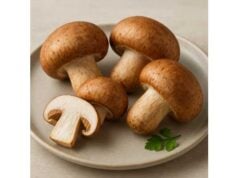
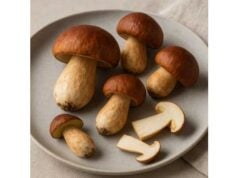
Hedgehog mushrooms (Hydnum repandum group) are among the easiest wild mushrooms to recognize and one of the most forgiving in the pan. Instead of gills, look under the cap and you will find a forest of tiny, soft spines—“teeth”—that give this group its name. Those teeth turn rich gold when sautéed, and the flesh stays firm yet tender, with a clean, nutty aroma and a hint of sweetness. Cooks love hedgehogs because they brown beautifully, release less water than many species, and hold their shape in pastas, risottos, omelets, and buttery pan sauces. Nutritionally, they are very low in calories and fat while offering fiber, B-vitamins, potassium, and the mushroom-specific antioxidant ergothioneine. They also dry and rehydrate well, which makes them a smart pantry staple. This guide covers identification notes and look-alikes, a practical nutrition profile per 100 g, how hedgehogs can support health when used in place of heavier ingredients, and the safety basics you need for confident cooking and responsible foraging.
Essential Insights
- Typical portion: 100 g fresh (about 1½ cups sliced) or 6–8 g dried, cooked 2–3 times per week in mixed meals.
- Key benefits: low calorie and saturated fat; source of niacin, riboflavin, potassium, fiber, and ergothioneine; excellent browning and texture.
- Safety caveat: few dangerous look-alikes, but bitter or peppery specimens exist—taste a tiny cooked piece first and avoid mushrooms you cannot identify with certainty.
- Who should limit or avoid: people with mushroom allergy; those without reliable sourcing or field ID training; anyone advised to restrict wild foods due to medical conditions.
Table of Contents
- Hedgehog mushroom at a glance
- Nutrition Profile
- Evidence-Based Health Benefits
- Risks, Allergies and Interactions
- Selecting, Quality, Sustainability and Storage
- Preparation, Cooking and Nutrient Retention
- Portions, Comparisons and FAQs
Hedgehog mushroom at a glance
Hedgehog mushrooms belong to the genus Hydnum, a group of edible “toothed” fungi most cooks meet as Hydnum repandum and close allies (sometimes sold as “sweet tooth” or “wood hedgehog”). Caps are pale buff to apricot, often with irregular, wavy edges; the surface can be smooth or faintly scurfy; the stem is sturdy and usually paler than the cap. The unmistakable feature is underneath: instead of gills or pores, hedgehogs have thousands of soft, brittle spines. These teeth detach easily when cleaned or stirred, a normal quirk that does not affect flavor.
Habitat and season vary by region, but hedgehogs commonly fruit on forest floors among conifers or hardwoods, often near beech, birch, spruce, or pine. They can appear singly or in troops from late summer through autumn and sometimes into early winter in mild climates. The flesh is dense and slightly brittle when raw; once cooked, it turns silky, keeping a pleasant chew without becoming rubbery. Flavors lean toward toasted nuts and fresh bread dough, with faint fruity notes in young specimens. Older or sun-exposed caps can turn slightly bitter, which is usually tamed by thorough browning and a finish of acid (lemon, sherry vinegar) and fat (butter, olive oil).
Culinary strengths are reliability and range. Hedgehogs brown readily, stand up to deglazing and cream reductions, and add body to broths without dissolving. They are excellent with shallot, thyme, bay, and parsley; pair naturally with chicken, trout, eggs, potatoes, polenta, farro, and barley; and love umami partners like miso, soy sauce, anchovy, and aged cheese. Because they dry well, a small jar of hedgehogs can perfume pan sauces and risotti year-round. For foragers, they are a sensible starter species: few dangerous look-alikes, an obvious diagnostic feature (teeth), and a forgiving texture in the pan.
Nutrition Profile
How to read this section. Direct laboratory profiles for every Hydnum species and region are limited. The tables below reflect realistic per-100 g values for raw edible mushrooms, consistent with data reported across culinary species. They’re a practical proxy for meal planning. Percent Daily Value (%DV) uses adult reference DVs and sensible rounding. Cooking reduces water and concentrates minerals and fiber per cooked weight.
Macros and electrolytes (per 100 g raw)
| Nutrient | Amount | %DV |
|---|---|---|
| Energy | 25–35 kcal | — |
| Water | ~88–92 g | — |
| Protein | 2.7–3.6 g | — |
| Total fat | 0.3–0.6 g | 0–1% |
| Carbohydrate | 3.5–6.0 g | 1–2% |
| Dietary fiber | 2.0–3.0 g | 7–11% |
| Total sugars | 1.5–2.5 g | — |
| Sodium | 5–20 mg | 0–1% |
| Potassium | 300–450 mg | 6–10% |
Carbohydrates (per 100 g)
| Component | Amount |
|---|---|
| Starch | ~0–0.3 g |
| Free sugars | ~1.5–2.5 g |
| β-glucans (estimated) | present (varies by species and assay) |
Fats and fatty acids (per 100 g)
| Lipid | Amount | Notes |
|---|---|---|
| Total fat | 0.3–0.6 g | very low |
| Saturated fat | ~0.05–0.1 g | negligible |
| Monounsaturated fat | ~0.05–0.1 g | trace |
| Polyunsaturated fat | ~0.2–0.3 g | linoleic acid predominant |
| Cholesterol | 0 mg | fungi contain no cholesterol |
Protein and amino acids (per 100 g)
| Item | Amount |
|---|---|
| Protein | 2.7–3.6 g |
| Flavor-active amino acids | glutamic acid, aspartic acid (umami contributors) |
Vitamins (per 100 g)
| Vitamin | Amount | %DV |
|---|---|---|
| Thiamin (Vitamin B1) | 0.05–0.10 mg | 4–8% |
| Riboflavin (Vitamin B2) | 0.15–0.25 mg | 12–19% |
| Niacin (Vitamin B3) | 4–7 mg | 25–44% |
| Pantothenic acid (Vitamin B5) | 1.0–1.5 mg | 20–30% |
| Vitamin B6 (Pyridoxine) | 0.07–0.15 mg | 4–9% |
| Folate (Vitamin B9) | 35–60 µg | 9–15% |
| Vitamin C | 1–3 mg | 1–3% |
| Vitamin D2* | 0–several µg | 0–50% |
*Vitamin D2 increases when mushrooms are exposed to ultraviolet light while drying; sun-dried hedgehogs may contain meaningful D2.
Minerals (per 100 g)
| Mineral | Amount | %DV |
|---|---|---|
| Phosphorus | 90–130 mg | 7–10% |
| Magnesium | 12–20 mg | 3–5% |
| Calcium | 2–6 mg | 0% |
| Iron | 0.5–1.5 mg | 3–8% |
| Zinc | 0.5–1.2 mg | 5–11% |
| Copper | 0.1–0.3 mg | 11–33% |
| Selenium | 1–3 µg | 2–5% |
| Manganese | 0.05–0.15 mg | 2–7% |
Bioactives and phytonutrients (qualitative)
- Ergothioneine (a distinctive antioxidant amino-acid derivative concentrated in edible fungi).
- β-glucans (1,3/1,6-glucans) contributing to viscosity and studied for lipid and glucose effects.
- Phenolics and terpenoid compounds at low levels, influenced by habitat and season.
- Ergosterol, precursor of vitamin D2 in UV exposure.
Allergens and intolerance markers
- Fungal proteins can rarely trigger IgE-mediated food allergy.
- Sugar alcohols (e.g., mannitol) and fermentable fibers may cause bloating in sensitive individuals.
Glycemic and acid–base metrics
- Glycemic impact: low due to modest digestible carbohydrate and fiber.
- Acid–base: near neutral to slightly alkaline-forming in mixed meals.
Variability and notes
- Wild mushrooms vary by soil, tree partners, and weather; minerals and phenolics shift accordingly.
- Drying concentrates most nutrients per 100 g dried; rehydration returns texture but not every volatile aroma.
Evidence-Based Health Benefits
Flavor-first swaps that lighten meals. Hedgehog mushrooms are intensely savory yet very low in calories and saturated fat. Using them to replace part of the meat or cream—or to amplify vegetables, whole grains, and legumes—lowers the energy density of meals without sacrificing satisfaction. Over time, these small, repeatable substitutions support heart-smart and weight-conscious eating patterns.
β-glucans and fiber synergy. Like other edible mushrooms, hedgehogs provide β-glucans alongside insoluble fibers. Across edible species, clinical and mechanistic research suggests modest reductions in total and LDL cholesterol and small, supportive effects on post-meal glucose when mushrooms displace refined starches or higher-fat components. In practice, browning a generous handful of hedgehogs and folding them into barley risotto, lentil ragout, or whole-grain pasta is an easy way to leverage this effect.
Ergothioneine and redox balance. Ergothioneine (often abbreviated EGT) is unusual among dietary compounds: humans transport it via a dedicated carrier (OCTN1), and it accumulates in tissues prone to oxidative stress. Contemporary reviews describe antioxidant and cytoprotective actions and note associations between higher ergothioneine intake and markers of healthy aging in observational settings. Culinary heat does not eliminate EGT; sautéing, roasting, and braising retain meaningful amounts.
Vitamin D2 potential via sun exposure. When mushrooms are exposed to UV light during drying, ergosterol converts to vitamin D2. Controlled studies with UV-treated cultivated mushrooms show reliable increases in vitamin D status. While the D2 yield from sun-dried wild hedgehogs varies, it is reasonable to treat such mushrooms as a supportive source, not a sole strategy for vitamin D sufficiency.
Mineral support with low sodium. A 100 g portion typically supplies several percent of daily phosphorus, copper, and potassium with very little sodium, complementing blood-pressure-friendly meal patterns centered on vegetables, legumes, grains, lean proteins, and moderate dairy.
Behavioral benefits: speed and reliability. Hedgehogs brown quickly and hold texture, which encourages home cooking. Sauté a panful while grains finish, and dinner is done—an under-appreciated mechanism by which flavorful, easy ingredients help sustain better long-term habits.
How much is practical? Aim for 100–150 g fresh (or 6–10 g dried) per serving, two or three times weekly in season. Concentrated extracts are unnecessary for culinary benefits; if you consider high-dose powders or supplements, involve a clinician.
Risks, Allergies and Interactions
Identification and look-alikes. Hedgehogs are among the safer wild edibles for trained foragers because their teeth are distinctive and truly dangerous look-alikes are uncommon. That said, other toothed fungi exist, and a few non-toothed species can resemble hedgehogs at a glance from above. Always confirm the presence of soft spines under the cap, along with the cap color (buff to apricot), sturdy pale stem, and firm, brittle flesh. Taste a tiny cooked piece if you are worried about bitterness; some older or bruised specimens can be peppery or bitter, which is culinary (not toxic) but unpleasant.
Environmental contaminants. Wild fungi can accumulate heavy metals or absorb residues from soil and atmospheric dust. Harvest far from roads, industry, treated forestry plots, or polluted sites. Trim soil-contact stem bases; brush or briefly rinse, then dry thoroughly before cooking.
Allergy and intolerance. IgE-mediated mushroom allergy is uncommon but possible; symptoms can include oral itching, hives, wheeze, or rarely anaphylaxis. Sugar alcohols (such as mannitol) and fermentable fibers may cause bloating in sensitive individuals. Start with small, well-cooked portions.
Medication and condition considerations.
- Glucose-lowering drugs: Bigger shifts in high-fiber foods can modestly alter post-meal glucose in some people. If you use insulin or sulfonylureas, monitor when changing intake.
- Lipid-lowering therapy: Culinary quantities of mushrooms are compatible with statins and other lipid agents. Avoid high-dose mushroom extracts marketed for cholesterol unless supervised.
- Gout and purines: Mushrooms contain moderate purines; many people with gout tolerate modest portions in balanced diets. Coordinate with a clinician during flare-prone periods.
Food-safety basics. Cook thoroughly to a steaming hot center; refrigerate leftovers within 2 hours; reheat until piping hot. Discard mushrooms that smell sour, feel slimy, or show heavy insect damage.
Emergency guidance. If anyone develops concerning symptoms after eating wild mushrooms—severe abdominal pain, vomiting, diarrhea, confusion, profuse sweating or salivation, reduced urine output, or yellowing of the eyes/skin—seek urgent medical care. Preserve raw and cooked samples for identification if safe to do so.
Selecting, Quality, Sustainability and Storage
Safest sourcing options.
- Best for most readers: purchase dried hedgehog mushrooms from reputable specialty suppliers. Drying preserves flavor, allows post-harvest inspection, and reduces spoilage risk.
- If foraging with expertise: harvest only when multiple identification features agree and a second expert confirms. Avoid relying on apps or single-photo comparisons.
Quality cues (fresh).
- Cap: buff to apricot, smooth to slightly scurfy, often with wavy margins; avoid waterlogged or heavily cracked caps.
- Teeth: dense, soft, and easily detached; pale when young, deepening on cooking; avoid specimens with blackened, slimy teeth.
- Stem: sturdy, pale; avoid soft, hollow, or heavily soil-caked stems.
- Aroma: clean, bready, faintly fruity; sour or fishy notes signal decay.
Quality cues (dried).
- Intact, uniformly pale-gold pieces that snap rather than bend; no visible mold; minimal grit at bases.
- Light- and moisture-protected packaging; desiccants help in humid climates.
Sustainability pointers.
- Favor low-impact harvest: cut at the base, leave mycelium undisturbed, and take only what you will cook or dry.
- Respect local regulations and private land permissions.
- Reduce waste at home: dry surplus; turn trimmings and strained soaking liquid into stock; plan meals so opened packs are used within a few days.
Storage and handling.
- Fresh: refrigerate unwashed in a breathable container at 1–5 °C; use within 2–4 days.
- Dried: store airtight, dark, and cool for up to 12 months; keep away from strong odors.
- Freezing: best after a brief sauté to drive off moisture; cool, portion, and freeze 2–3 months.
- Rehydration: soak in warm water or stock for 15–20 minutes; squeeze gently; strain soaking liquid through a coffee filter to remove grit and use it in cooking.
Buying tips. Reputable suppliers will specify species, origin, and lot numbers. Ask how they verify identification and handle post-harvest cleaning. Choose vendors with clear best-by dates and minimal broken fragments or visible debris.
Preparation, Cooking and Nutrient Retention
Prep basics. Brush away debris; if necessary, rinse quickly just before cooking and dry thoroughly (wet surfaces steam). Trim any sandy stem bases. For dried mushrooms, rehydrate in warm stock or water 15–20 minutes, squeeze gently, and reserve the strained soaking liquid for sauces or grains.
Flavor strategy: hot pan, simple finish.
- Dry well. Surface dryness is the key to browning.
- Use enough heat and space. Wide pans and medium-high heat prevent steaming; cast iron and stainless steel excel.
- Season in layers. Salt partway through to draw surface moisture; finish with a pinch plus acidity (lemon, sherry vinegar) and a small amount of butter or good olive oil.
- Add aromatics late. Garlic, shallot, and herbs can scorch—add in the last minute.
Core techniques (time guides):
- Sauté: 5–7 minutes over medium-high until edges brown; finish with thyme and lemon.
- Roast: Toss with oil and salt; roast at 220 °C for 12–15 minutes on a preheated sheet, stirring once.
- Braise: Simmer in stock, wine, or cream for 8–12 minutes to soften and create a velvety sauce.
- Pan sauce upgrade: After searing chicken or pork, sauté rehydrated hedgehogs and shallot, deglaze with wine, add strained soaking liquid, reduce, and enrich with a knob of butter.
Retention of nutrients and bioactives.
- Water-soluble vitamins (B-complex, vitamin C) can leach into cooking liquids—use the broth or pan juices to capture them.
- Minerals (potassium, phosphorus, copper) are heat-stable; concentrations rise as water cooks off.
- Ergothioneine is relatively heat-stable; sautéing, roasting, and braising retain useful amounts.
- Vitamin D2 formed by UV exposure survives typical kitchen heat; avoid prolonged boiling to minimize losses.
- β-glucans persist and add subtle body to soups and sauces.
Pairings that build balanced meals.
- Proteins: chicken, trout, eggs, tofu, white beans, lentils.
- Grains and starches: farro, barley, brown rice, potatoes, polenta.
- Aromatics and herbs: shallot, leek, garlic, thyme, bay, parsley, tarragon.
- Umami boosters: miso, soy sauce, anchovy, Parmigiano-Reggiano.
Two example applications.
- Hedgehog velouté: Sauté sliced mushrooms and shallot in butter; add a light roux; whisk in stock and the strained soaking liquid; simmer until silky; finish with a touch of cream and lemon zest.
- Autumn farro with hedgehogs: Toast farro; add onion and garlic; stir in browned mushrooms; deglaze with white wine; add stock and simmer; finish with peas, parsley, and grated aged cheese.
Food-safety checkpoints. Cook to a steaming hot center; refrigerate leftovers within 2 hours in shallow containers; reheat to bubbling before serving. If foraged, reconfirm identity every time you cook.
Portions, Comparisons and FAQs
Practical portion and frequency. A sensible serving is 100 g fresh (about 1½ cups sliced) or 6–8 g dried, cooked into a mixed dish. Enjoy 2–3 times per week during the season or as a pantry staple in dried form.
How do hedgehogs compare to chanterelles and porcini? All three brown well and deliver strong aroma. Hedgehogs are firmer than chanterelles and milder than porcini, with a sweet-nutty profile that takes cream sauces and lemon finishes gracefully. Nutritionally, all are low in calories and fat, with B-vitamins, potassium, and ergothioneine; exact values vary by habitat and handling.
Is hedgehog a meat substitute? Not on protein density alone, but its chew and umami help reduce meat portions. Combine with lentils, beans, eggs, or tofu for protein balance. Use browned hedgehogs to replace half the meat in ragù or to deepen grain dishes so smaller meat portions feel complete.
Can hedgehogs provide vitamin D? Treat sun-dried mushrooms as a supporting source of vitamin D2. Content varies widely; maintain a varied diet and discuss supplementation with a clinician if needed.
Safe for kids, pregnancy, or older adults? Yes—when correctly identified, well sourced, and thoroughly cooked. Buying dried product from trusted suppliers is the safest route for high-risk groups.
What about bitterness? Older or frost-touched hedgehogs sometimes taste bitter. Thorough browning plus a small splash of acid and bit of fat usually balances it, but if a tiny cooked taste is unpleasant, do not use that batch.
Kitchen troubleshooting.
- Rubbery results: cook a bit longer with moist heat (braise) or slice stems thinner; reserve caps for quick sautéing.
- Watery pan: mushrooms were wet or the pan crowded—dry well and cook in batches.
- Grit in sauce: strain soaking liquid through a coffee filter; wipe rehydrated pieces before they hit the pan.
- Flat flavor: brown harder and finish with acid, fresh herbs, and a touch of butter or good olive oil.
Access and budget tips. Dried hedgehogs are efficient: a small jar flavors many meals. Use as a “booster”—a handful to deepen soups, sauces, and grain dishes—rather than the sole bulk of a recipe.
References
- Mushroom Poisoning 2020 (Review).
- Vitamin D from UV-Irradiated Mushrooms as a Way for Vitamin D Supplementation: A Systematic Review 2023 (Systematic Review).
- The Current Situation and Future Trends of Ergothioneine in Biology and Medical Research: A Bibliometric Analysis 2025 (Review).
- Edible Mushrooms and Beta-Glucans: Impact on Human Health 2021 (Systematic Review).
- Analysis of heavy metal characteristics and health risks of edible mushrooms in the mid-western region of China 2024 (Research).
Disclaimer
This guide is for general education and does not replace personalized advice from your physician, pharmacist, or registered dietitian. Wild mushrooms must be identified with certainty before eating. If you are pregnant, immunocompromised, over 65, have kidney or liver disease, a history of mushroom allergy, or take prescription medications, seek advice from a qualified health professional before changing your diet or using mushroom-based supplements. In any suspected mushroom poisoning, seek urgent medical care.
If you found this article useful, please consider sharing it on Facebook, X (formerly Twitter), or your preferred platform. Your support helps us continue creating careful, evidence-informed nutrition content. Thank you.