Hemodynamic instability is a clinical warning that the body may not be getting steady, adequate blood flow. It often shows up as low blood pressure, a very fast or very slow pulse, fainting, confusion, cold clammy skin, or new trouble breathing—but it can also be quieter, with “normal” blood pressure and hidden poor circulation. In practice, it is less a single diagnosis than a signal that something serious is changing: bleeding, infection, heart failure, a dangerous heart rhythm, an allergic reaction, or a blocked blood vessel. The priority is speed and clarity—recognize early signs, confirm whether organs are being under-perfused, and treat the cause while supporting circulation. This guide explains what hemodynamic instability means, what commonly triggers it, who is most at risk, how clinicians diagnose it in real time, and what treatment and recovery usually involve.
Table of Contents
- What hemodynamic instability means in plain terms
- Common causes and what they look like
- Risk factors and high-risk situations
- Early symptoms and red flags you should not ignore
- How clinicians diagnose it in minutes, not days
- Treatment: what happens first and what happens next
- Recovery, prevention, and when to seek urgent care
What hemodynamic instability means in plain terms
Hemodynamic instability means the cardiovascular system is not maintaining reliable circulation—either the blood pressure, the blood flow, or both are failing to meet the body’s needs. The key idea is perfusion (blood reaching organs with enough oxygen). A person can be “unstable” even if a single blood pressure reading looks okay, because organs care about consistent flow over time, not one snapshot.
Clinicians think about hemodynamics using a few building blocks:
- Pump: the heart’s ability to push blood forward
- Tank: the circulating blood volume (and whether it’s leaking out, as in bleeding)
- Pipes: blood vessel tone and resistance (too relaxed or too constricted)
- Oxygen delivery: whether blood flow and oxygen content are enough for tissues
Instability usually appears when one or more parts fail suddenly or progressively. For example:
- If volume drops (dehydration, bleeding), the “tank” empties.
- If blood vessels dilate (sepsis, severe allergic reaction), the “pipes” become too wide.
- If the heart weakens (heart attack, severe heart failure) or beats chaotically (arrhythmia), the “pump” fails.
- If something blocks flow (pulmonary embolism, cardiac tamponade), the circuit becomes obstructed.
A common misconception is that hemodynamic instability is simply “low blood pressure.” Hypotension matters, but it can be late. The body can temporarily protect blood pressure by narrowing vessels and raising heart rate, while organs quietly lose perfusion. That is why clinicians watch for signs of shock (a state of inadequate tissue perfusion) such as confusion, cool mottled skin, reduced urine output, rising lactate, or worsening shortness of breath.
In real-world care, the goal is not to chase a perfect number. It is to answer two questions quickly:
- Are vital organs being under-supplied right now?
- What is the fastest correctable cause?
If the answer to the first question is “yes,” time matters. The best outcomes come from early recognition, rapid supportive care (oxygen, fluids or blood, medications to support blood pressure), and targeted treatment of the underlying cause.
Common causes and what they look like
Hemodynamic instability is a pattern, not a single illness. The most helpful way to understand causes is to group them by the main mechanism. In emergencies, clinicians often sort them into a few “shock types,” because that approach guides first-line treatment.
1) Low volume (hypovolemic) causes
These happen when the body loses circulating fluid or blood.
- Bleeding (trauma, gastrointestinal bleed, postpartum bleeding)
- Severe dehydration (vomiting/diarrhea, heat illness, poor intake)
- Fluid shifts (burns, severe pancreatitis)
Typical clues: rapid pulse, cool clammy skin, dizziness, low urine output, thirst, and sometimes clear signs of bleeding.
2) Vessel dilation (distributive) causes
These happen when blood vessels relax too much, lowering effective blood pressure and organ flow.
- Sepsis (infection-triggered systemic response)
- Anaphylaxis (severe allergic reaction)
- Neurogenic causes (spinal cord injury can disrupt vessel tone)
Typical clues: warm flushed skin early in sepsis, fever or infection symptoms, very low blood pressure that may not improve without medications, and signs of organ stress (confusion, fast breathing).
3) Heart pump failure (cardiogenic) causes
These happen when the heart cannot generate adequate forward flow.
- Heart attack, severe heart failure flare, myocarditis
- Dangerous arrhythmias (very fast, very slow, or irregular rhythms)
- Severe valve disease or mechanical complications after a heart attack
Typical clues: chest pressure, severe shortness of breath, lung crackles, cold extremities, new swelling, abnormal ECG, and signs of poor perfusion despite adequate fluid.
4) Flow blockage (obstructive) causes
These happen when a physical problem blocks blood movement.
- Pulmonary embolism (blood clot in lungs)
- Cardiac tamponade (fluid compressing the heart)
- Tension pneumothorax (air trapping compressing lungs and heart)
Typical clues: sudden collapse, low oxygen, neck vein distension in some cases, severe shortness of breath, and a dramatic change after a triggering event.
Medication-related and iatrogenic causes also matter:
- Over-treatment with blood pressure medicines, sedatives, or pain medications
- Drug interactions or recreational drugs
- Complications of procedures (bleeding after surgery, anesthesia effects)
In real patients, causes can overlap. A person with pneumonia can be dehydrated and septic. A person with a heart attack can develop arrhythmias and cardiogenic shock. This is why clinicians reassess repeatedly: a first guess is useful, but the body’s response to early treatment often reveals the true driver.
If you remember one practical point: treating the number without treating the cause is not enough. A temporary blood pressure rise is not a victory if the underlying bleeding, infection, or blockage continues.
Risk factors and high-risk situations
Anyone can become hemodynamically unstable under extreme stress, but certain people and situations raise the odds—and often make the decline faster. Risk factors matter because they change how quickly you should seek help and how carefully clinicians monitor you.
Medical risk factors
- Older age, especially with reduced “physiologic reserve”
- Known heart disease: coronary artery disease, heart failure, valve disease, cardiomyopathy
- Chronic lung disease or pulmonary hypertension
- Kidney disease (fluid balance is fragile; medications accumulate)
- Diabetes and nerve dysfunction that can blunt warning symptoms
- History of stroke or poor baseline mobility (harder to detect subtle decline)
- Blood thinners (higher risk if bleeding begins)
- Adrenal insufficiency or long-term steroid use (weaker stress response)
High-risk settings and triggers
- Severe infection (especially pneumonia, urinary infection with fever, abdominal infection)
- Trauma (even “minor” trauma in people on blood thinners can conceal bleeding)
- Major surgery and anesthesia (fluid shifts, bleeding risk, medication effects)
- Gastrointestinal bleeding (black stools, vomiting blood, unexplained weakness)
- Heat exposure, intense exercise, or prolonged vomiting/diarrhea (rapid dehydration)
- Pregnancy and postpartum period (bleeding risk and rapid physiology changes)
- New chest pain or shortness of breath (possible heart attack, pulmonary embolism)
- Allergy exposure with swelling or wheezing (risk of anaphylaxis)
- Dialysis or aggressive diuretics (volume can drop quickly)
Why certain people deteriorate faster
The body compensates for falling perfusion by raising heart rate, narrowing blood vessels, and shifting blood toward vital organs. If you already have limited heart function, stiff blood vessels, anemia, or lung disease, that compensation runs out sooner. The result can be a steep drop rather than a slow slide.
A practical “high-risk combination” to take seriously is any of the following:
- Infection symptoms plus confusion, low urine output, or very fast breathing
- Blood thinner use plus a fall, new bruising, or black stools
- Heart disease plus new fainting, chest pressure, or sudden breathlessness
- Severe allergy symptoms plus lightheadedness or swelling of lips/tongue
If you care for someone at home (a parent, partner, or child with complex illness), consider writing down their “baseline.” Baseline blood pressure range, usual mental sharpness, typical walking tolerance, and normal breathing pattern help you spot instability early—when intervention is most effective.
Early symptoms and red flags you should not ignore
Hemodynamic instability can announce itself loudly, but it can also whisper at first. Many dangerous episodes begin with small, easy-to-dismiss changes: unusual fatigue, new confusion, or “just feeling off.” The most reliable approach is to watch for clusters of symptoms—especially when they appear suddenly or worsen quickly.
Early warning symptoms
- Lightheadedness, dizziness, or feeling faint when standing
- New confusion, agitation, unusual sleepiness, or difficulty focusing
- Shortness of breath out of proportion to activity
- Chest pressure, tightness, or a heavy sensation in the chest
- Palpitations (fast, pounding, fluttering, or irregular heartbeat)
- Cool, clammy, pale, or mottled skin
- Nausea, vomiting, or sudden weakness
- Reduced urine output (fewer trips to the bathroom, dark urine)
Signs that suggest organs are under-perfused
- Confusion or slowed thinking (brain perfusion)
- Cold hands/feet, slow capillary refill (skin perfusion)
- New or worsening shortness of breath, fast breathing (oxygen delivery stress)
- Little or no urine output over several hours (kidney perfusion)
Red flags that should trigger urgent evaluation
- Fainting or near-fainting, especially with exertion or palpitations
- Chest pressure with sweating, nausea, or shortness of breath
- Severe trouble breathing, blue lips, or inability to speak in full sentences
- Signs of severe allergic reaction: swelling of lips/tongue, wheezing, hives with dizziness
- Vomiting blood, black tarry stools, or heavy uncontrolled bleeding
- Sudden severe abdominal pain with weakness or collapse
- New one-sided weakness, facial droop, or trouble speaking
- A fever with shaking chills plus confusion, very fast breathing, or extreme weakness
Why blood pressure alone can mislead
Some people maintain “normal” blood pressure while perfusion worsens, especially early in sepsis or internal bleeding. Others have chronically low blood pressure and feel fine. What matters is a change from baseline plus signs of poor perfusion.
If you are monitoring at home, the most informative patterns are:
- A persistent resting heart rate much higher than usual
- A new drop in systolic blood pressure compared with baseline, especially with symptoms
- Rapid breathing that does not settle
- Progressive weakness or confusion over hours
When in doubt, treat hemodynamic instability as an emergency pattern, not as something to “sleep off.” Delays often happen because people wait for one dramatic symptom. In reality, the body’s earliest warnings are often subtle—and responding early is one of the strongest predictors of recovery.
How clinicians diagnose it in minutes, not days
When clinicians suspect hemodynamic instability, they work in parallel: they support circulation immediately while identifying the cause. Diagnosis is fast, structured, and heavily based on trends rather than isolated measurements.
1) Rapid bedside assessment
- Airway and breathing: work of breathing, oxygen saturation, lung sounds
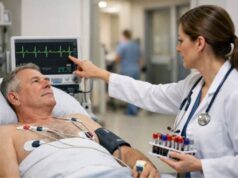
- Circulation: pulse quality, skin temperature, capillary refill, mental status
- Disability: confusion, agitation, reduced alertness
- Exposure: bleeding, rash (allergy), swelling, signs of infection
2) Vital signs and trajectory
One number rarely tells the story. Clinicians watch patterns:
- Heart rate and rhythm changes
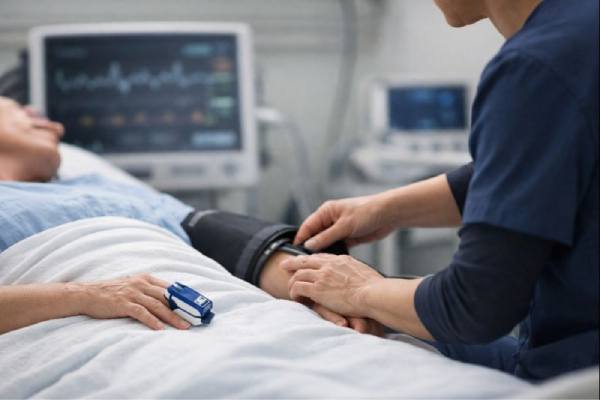
- Blood pressure trend (not just a single reading)
- Respiratory rate (often an early marker of stress)
- Temperature (fever or hypothermia can both be concerning)
- Oxygen needs rising over minutes to hours
3) Focused tests that clarify “shock type”
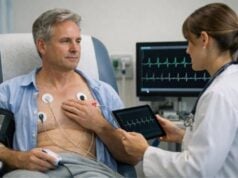
- ECG: looks for heart attack patterns or dangerous rhythms.
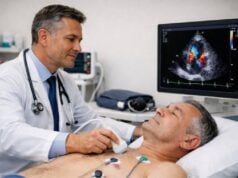
- Bedside ultrasound (POCUS): can quickly estimate heart function, fluid status, and signs of tamponade, pneumothorax, or large pulmonary embolism patterns.
- Chest imaging: often starts with portable X-ray; CT may follow if stable enough.
4) Lab clues to organ stress
Common labs include:
- Blood count (anemia, infection markers)
- Metabolic panel (kidney function, electrolytes)
- Lactate (a marker that can rise when tissues are under-oxygenated)
- Blood gas in selected cases (acid-base status and oxygenation)
- Troponin and BNP/NT-proBNP when a cardiac cause is likely
- Coagulation tests if bleeding risk is present
5) “Response-to-treatment” as a diagnostic tool
Early interventions provide information:
- Does blood pressure improve after a fluid bolus, or does breathing worsen (suggesting heart failure)?
- Does oxygenation improve with positioning and respiratory support?
- Does a vasopressor stabilize pressure but perfusion still looks poor (suggesting ongoing obstruction or pump failure)?
- Does heart rate normalize after treating pain, fever, or dehydration?
Severity assessment: looking beyond blood pressure
Clinicians use practical markers of seriousness:
- Ongoing confusion or reduced alertness
- Very low urine output despite resuscitation
- Rising lactate or worsening acid-base status
- Need for high-dose medications to maintain pressure
- Evidence of organ injury (kidney, liver, heart)
A helpful patient-facing point: diagnosis is often probabilistic in the first hour. Clinicians may treat for multiple likely causes at once—fluids while preparing antibiotics, oxygen while evaluating for clot, or blood transfusion while controlling bleeding. This is not uncertainty for its own sake; it is a deliberate way to reduce risk while the picture becomes clearer.
Treatment: what happens first and what happens next
Treatment has two goals: restore adequate perfusion quickly and fix the underlying cause. Clinicians usually follow a stepwise approach, but many steps occur at the same time.
What happens first
Immediate stabilization (minutes)
- Oxygen support as needed (nasal cannula, mask, or advanced support if severe)
- Two large IV lines (or intraosseous access in emergencies)
- Continuous monitoring (heart rhythm, oxygen levels, frequent blood pressure checks)
- Rapid bedside assessment and early targeted tests (ECG, ultrasound, basic labs)
Fluids or blood, depending on the mechanism
- If low volume is likely, clinicians often give balanced IV fluids promptly.
- If bleeding is suspected or confirmed, blood products and bleeding control become the priority.
Medications to support blood pressure
If pressure remains low or perfusion looks poor despite fluids (or fluids are unsafe due to heart failure), clinicians may use vasopressors—medications that tighten blood vessels and improve blood pressure. They are typically titrated to a target such as a mean arterial pressure (MAP) that supports organ flow.
Cause-specific treatment
Suspected sepsis
- Early antibiotics after cultures when feasible (without delaying treatment)
- Source control (drain abscess, remove infected line, treat obstructed urinary infection)
- Fluids plus vasopressors as needed, guided by reassessment
Anaphylaxis
- Immediate epinephrine
- Airway support, IV fluids, and additional medications as adjuncts
Cardiogenic causes
- Treat arrhythmias (rate control, cardioversion when indicated)
- Support the heart with appropriate medications (inotropes in selected cases)
- Evaluate for heart attack and restore blood flow when needed
- Consider mechanical circulatory support in severe cases
Obstructive causes
- Relieve the blockage when possible (needle decompression for tension pneumothorax, urgent management for tamponade, anticoagulation or intervention for pulmonary embolism depending on severity and risk)
Hemorrhage
- Stop the bleed (pressure, surgery, endoscopy, interventional radiology)
- Transfuse blood products and correct clotting problems
- Prevent hypothermia and maintain perfusion
What happens next
Once the patient stabilizes, care shifts to precision:
- Avoiding fluid overload while maintaining perfusion
- Weaning vasopressors carefully as the cause improves
- Managing complications (kidney injury, lung edema, delirium)
- Nutrition, mobility, and prevention of secondary infections or clots
A key insight: “normalizing numbers” is not the finish line. The real success marker is sustained organ recovery—clearer thinking, normal urine output, improving breathing, stable blood pressure without escalating medication, and lab trends moving in the right direction.
Recovery, prevention, and when to seek urgent care
Recovery after hemodynamic instability depends on the cause and how long organs went under-perfused. Some people rebound quickly after fluids and treatment of infection. Others need longer ICU care and rehabilitation, especially after severe sepsis, major bleeding, or cardiogenic shock.
What recovery can look like
In the days after stabilization, it is common to experience:
- Profound fatigue and reduced stamina
- Sleep disruption and “brain fog,” especially after ICU stays
- Weakness from bed rest and illness
- Appetite changes and weight shifts (fluid changes can be dramatic)
Clinicians may recommend:
- Follow-up for kidney function, blood counts, and heart function depending on the event
- Medication review (some drugs that were appropriate before illness may need adjustment)
- Physical therapy or structured activity progression for deconditioning
Prevention strategies that actually help
Because “hemodynamic instability” is a final pathway, prevention focuses on reducing triggers and improving early detection:
- Infection prevention and early treatment
- Address urinary symptoms, worsening cough, fever, or infected wounds early—especially in older adults.
- Hydration and volume awareness
- During vomiting/diarrhea or heat exposure, prioritize fluids and electrolytes.
- If you take diuretics, know your plan for sick days and discuss it with your clinician.
- Medication safety
- Avoid doubling blood pressure medicines after missed doses unless instructed.
- Be cautious with sedatives, alcohol, and drug interactions.
- Bleeding vigilance
- If you take blood thinners, learn early signs of internal bleeding (black stools, unusual bruising, weakness).
- Seek care after significant falls, even if you “feel okay,” when bleeding risk is high.
- Heart and rhythm monitoring
- New palpitations, fainting, or chest pressure deserve prompt evaluation, particularly in people with heart disease.
When to seek urgent care
Call emergency services or seek immediate evaluation for:
- Fainting, near-fainting, or sudden collapse
- Chest pressure with shortness of breath, sweating, or nausea
- Severe breathing difficulty or rapidly worsening oxygen needs
- Signs of stroke (weakness, facial droop, speech trouble)
- Severe allergic reaction symptoms, especially swelling or wheezing with dizziness
- Vomiting blood, black tarry stools, or heavy uncontrolled bleeding
- Fever with confusion, severe weakness, or very fast breathing
If you are unsure, err on the side of safety. Hemodynamic instability is one of the few medical patterns where waiting “to see if it passes” can convert a treatable problem into organ injury. Early evaluation does not always mean a hospital admission—but it often prevents one.
References
- Surviving Sepsis Campaign: International Guidelines for Management of Sepsis and Septic Shock 2021 2021 (Guideline)
- Management of cardiogenic shock: state-of-the-art 2024 (Review)
- Effective hemodynamic monitoring 2022 (Review)
- Perioperative Patients With Hemodynamic Instability: Consensus Recommendations of the Anesthesia Patient Safety Foundation 2023 (Consensus Recommendations)
Disclaimer
This article is for general educational purposes and does not provide medical advice, diagnosis, or treatment. Hemodynamic instability can be life-threatening and may reflect serious conditions such as sepsis, major bleeding, heart attack, dangerous heart rhythms, pulmonary embolism, or severe allergic reactions. If you or someone else has fainting, chest pressure, severe shortness of breath, confusion, stroke-like symptoms, uncontrolled bleeding, or rapidly worsening weakness, seek emergency medical care immediately. For individualized guidance—especially if you have heart disease, kidney disease, take blood thinners, or are recovering from a recent hospitalization—consult a licensed clinician who can assess your specific situation.
If you found this guide helpful, please share it on Facebook, X (formerly Twitter), or any platform you prefer, and follow us on social media. Your support helps our team continue producing clear, reliable health content.