A hemorrhagic stroke occurs when a blood vessel in or around the brain breaks and bleeding damages brain tissue. (“Hemorrhage” means bleeding from a damaged vessel.) It can start suddenly—sometimes with a thunderclap headache—or it can unfold over minutes to hours as pressure builds inside the skull. Unlike an ischemic stroke (a blockage), hemorrhagic stroke is a bleeding emergency where minutes matter for both survival and long-term recovery.
If you are reading this for yourself or someone you love, the most useful questions are practical: What causes it? What are the first warning signs? What tests confirm it? What happens in the emergency department, and what can you do after the crisis to reduce the chance of another stroke? This guide answers those questions in a clear, step-by-step way, with an emphasis on early action and realistic expectations.
Table of Contents
- What hemorrhagic stroke is and why it harms the brain
- What causes hemorrhagic stroke
- Risk factors who is most vulnerable
- First symptoms and dangerous complications
- How hemorrhagic stroke is diagnosed quickly
- Treatment and what to expect in hospital
- Recovery prevention and when to seek urgent help
What hemorrhagic stroke is and why it harms the brain
“Hemorrhagic stroke” is an umbrella term for bleeding that injures the brain. The two main types are:
- Intracerebral hemorrhage (ICH): bleeding into the brain tissue itself.
- Subarachnoid hemorrhage (SAH): bleeding into the space around the brain, often from a ruptured aneurysm.
Both are dangerous, but they harm the brain in several different ways at once.
1) Blood irritates and damages brain tissue
Brain cells are sensitive to changes in their environment. When blood escapes a vessel, it triggers inflammation and chemical stress that can worsen injury beyond the initial bleed.
2) A “mass effect” problem: pressure and crowding
The skull is rigid. Bleeding takes up space, so pressure rises and nearby brain tissue gets compressed. If pressure becomes severe, it can shift brain structures in life-threatening ways. This is why decreasing pressure and preventing the bleed from enlarging are major early goals.
3) The bleed can expand early
In many cases, the hemorrhage is not a single moment—it can enlarge in the first few hours. That early window is one reason emergency teams act quickly with blood pressure control, reversal of blood thinners when appropriate, and close monitoring.
4) Blood can block normal fluid flow
Bleeding can enter the brain’s fluid spaces (ventricles) and interfere with the circulation of cerebrospinal fluid. This may cause hydrocephalus (fluid buildup), which can rapidly worsen headache, vomiting, and consciousness.
5) Location matters as much as size
A small bleed in the brainstem can be more dangerous than a larger one in a less critical area. Clinicians pay close attention to where the bleed sits, whether it involves the ventricles, and whether there are signs of swelling.
A helpful way to frame hemorrhagic stroke is this: the problem is not only “lost blood,” but blood where it should not be—plus rising pressure—plus a risk of early worsening. Early treatment focuses on stopping the spiral before it gains momentum.
What causes hemorrhagic stroke
Hemorrhagic stroke usually happens because a blood vessel wall becomes weakened over time or is suddenly stressed beyond what it can tolerate. Causes differ depending on whether bleeding occurs inside the brain tissue (ICH) or around the brain (SAH), but there is overlap.
Common causes of intracerebral hemorrhage (ICH)
- Long-standing high blood pressure: the most frequent driver of deep brain bleeds. Over years, elevated pressure can damage small arteries until one ruptures.
- Cerebral amyloid angiopathy (CAA): a condition more common with aging where protein deposits make surface brain vessels fragile, often causing lobar (outer brain) bleeds.
- Blood thinners and antiplatelet therapy: these do not “create” a rupture by themselves, but they can make a bleed larger and harder to stabilize once it starts.
- Bleeding into a tumor or after an ischemic stroke: some brain tumors bleed; some ischemic strokes convert to bleeding, especially with certain risk factors.
- Illicit drugs: stimulants such as cocaine or methamphetamine can cause abrupt blood pressure spikes and vessel injury.
Common causes of subarachnoid hemorrhage (SAH)
- Ruptured brain aneurysm: the classic cause of sudden, severe “worst headache of life.”
- Arteriovenous malformation (AVM) or other vascular malformations: abnormal connections between arteries and veins can rupture.
- Less common vessel problems: such as certain inflammatory or genetic vessel disorders.
Triggers and contributing conditions
Even when the underlying cause is chronic (like hypertension), an acute trigger may be present:
- Sudden blood pressure surge (pain, exertion, stimulant use)
- Heavy alcohol intake or withdrawal in susceptible people
- Poorly controlled diabetes or kidney disease that worsens vascular health
- Low platelets or liver disease that impairs clotting
One “cause” that often gets missed: not knowing the cause yet
Early in care, clinicians sometimes label the event “spontaneous ICH” or “nontraumatic SAH” because the immediate priority is stabilization. Determining the exact cause (aneurysm, AVM, CAA, hypertensive small-vessel disease, medication effect) may require advanced imaging once the person is stable.
Understanding the likely cause matters because it shapes prevention. A hemorrhagic stroke is not always a random event; in many cases, it is the final result of a treatable risk factor that has been quietly accumulating for years.
Risk factors who is most vulnerable
Risk factors for hemorrhagic stroke fall into two practical categories: factors that make vessels more likely to rupture, and factors that make bleeding worse once it begins. Many people have more than one.
Top modifiable risk factors
- High blood pressure: the single most important modifiable factor for many intracerebral hemorrhages. Risk rises with higher average pressures and poor medication adherence.
- Smoking: damages blood vessel walls and increases overall stroke risk.
- Heavy alcohol use: associated with hypertension, liver disease, and falls or injuries that complicate bleeding risk.
- Illicit stimulant use: especially cocaine and methamphetamine, which can trigger sudden vessel rupture.
- Poorly controlled diabetes and kidney disease: worsen vascular health and can complicate blood pressure control.
Medication-related risk factors
- Anticoagulants (blood thinners): used for atrial fibrillation, prior clots, or mechanical heart valves. They can increase the size and severity of a brain bleed.
- Antiplatelet therapy: often used after heart stents or for vascular disease; it can contribute to bleeding risk in some settings.
- Drug interactions: combining certain medications (for example, some anti-inflammatories with antithrombotics) can raise bleeding risk.
Non-modifiable or less-modifiable factors
- Age: risk increases with age, especially for CAA-related bleeding.
- Prior stroke or prior brain bleed: a strong predictor of future events.
- Known aneurysm, AVM, or other vascular malformation: risk depends on size, location, and features of the lesion.
- Genetic and connective tissue conditions: uncommon, but relevant for some aneurysms and vessel fragility.
- Family history of aneurysmal SAH: may increase suspicion and influence screening decisions in select families.
Special situations
- Pregnancy and the postpartum period: stroke overall is uncommon, but risk can rise with severe hypertension disorders of pregnancy and other complications.
- Liver disease or low platelet counts: reduce normal clotting ability and can worsen bleeding severity.
- Falls in older adults: while hemorrhagic stroke is typically nontraumatic by definition, real-world presentations sometimes involve mixed scenarios—an internal brain bleed plus an injury from collapse or a fall.
A useful takeaway: prevention is often not one grand change. It is a checklist of small, consistent actions—controlling blood pressure, avoiding smoking and stimulants, reviewing medications regularly, and treating underlying conditions that quietly strain blood vessels over time.
First symptoms and dangerous complications
Hemorrhagic stroke symptoms can look like other medical problems—migraine, fainting, intoxication, or “just not feeling right.” The safest approach is to treat sudden neurologic change as an emergency until proven otherwise.
Common early symptoms
- Sudden weakness or numbness on one side of the face, arm, or leg
- Trouble speaking, slurred speech, or difficulty understanding words
- Sudden vision changes or loss of balance
- Severe headache, especially if abrupt and unlike prior headaches
- Nausea and vomiting, particularly when paired with headache or confusion
- Seizure, even in someone with no seizure history
- Sudden drowsiness, confusion, agitation, or loss of consciousness
Clues that suggest subarachnoid hemorrhage (SAH)
- A sudden “thunderclap” headache that peaks within seconds to a minute
- Neck stiffness or pain, light sensitivity, or vomiting
- Brief loss of consciousness at onset
- A sense of catastrophe (“something is terribly wrong”) reported by the person or witnesses
Clues that suggest intracerebral hemorrhage (ICH)
- Rapidly worsening weakness, speech problems, or imbalance
- Headache that grows with rising pressure
- Declining alertness over minutes to hours
Why symptoms can worsen quickly
Bleeding can expand early, swelling can increase pressure, and blood can enter fluid spaces in the brain. This is why a person who seems “a little off” can deteriorate fast.
Major complications clinicians watch for
- Brain swelling and dangerous pressure rise: can compress vital brain regions.
- Hydrocephalus: fluid buildup that can cause sudden decline in alertness.
- Rebleeding: especially in aneurysmal SAH, most dangerous early after rupture.
- Vasospasm and delayed ischemia: after SAH, blood products can irritate arteries, narrowing them days later and reducing blood flow.
- Seizures: can occur at onset or later, and uncontrolled seizures increase brain stress.
- Aspiration and pneumonia: swallowing problems or reduced alertness can allow food or saliva into the lungs.
- Blood clots in the legs or lungs: immobility increases risk during hospitalization.
If you remember only one “symptom rule,” use this: sudden neurologic change or a sudden worst-ever headache is an emergency. Do not drive yourself. Call emergency services so treatment can start on the way to the hospital.
How hemorrhagic stroke is diagnosed quickly
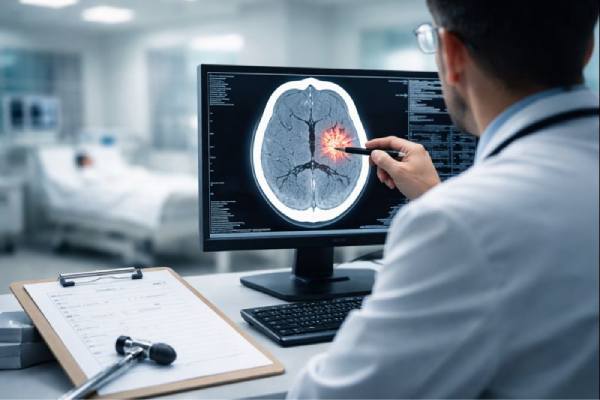
Diagnosis must be fast because treatment decisions depend on knowing whether the stroke is hemorrhagic (bleeding) or ischemic (blockage). Hospitals use a streamlined approach designed to answer three urgent questions: Is there bleeding? Where is it? What caused it?
1) Immediate imaging: the cornerstone
- Non-contrast CT scan: usually the first test because it is fast and highly effective at detecting acute bleeding. It can also show swelling, fluid obstruction, and whether blood has entered the ventricles.
- CT angiography (CTA): may be added to look for aneurysms, AVMs, or other vessel problems, and to identify features that suggest ongoing bleeding risk.
- MRI: sometimes used after initial stabilization to clarify the cause, detect small bleeds, or evaluate underlying problems such as CAA or tumors.
2) Additional tests when SAH is suspected but CT is negative
In some cases—especially if symptoms strongly suggest SAH and the initial CT does not show blood—clinicians may use additional testing to avoid missing a dangerous rupture. This decision depends on timing from symptom onset and the overall clinical picture.
3) Lab tests that shape treatment
Blood work supports two goals: reduce bleeding risk and plan safe procedures.
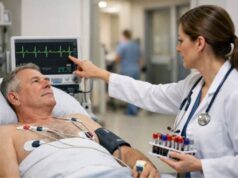
- Coagulation studies (how well blood clots), platelet count, and basic chemistries
- Kidney and liver tests when medication reversal or dosing decisions depend on organ function
- Blood glucose, because extreme highs and lows can worsen outcomes
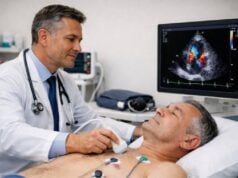
- Cardiac testing in select patients, since stroke and heart rhythm issues often overlap
4) Bedside evaluation that runs in parallel
Stroke teams assess:
- Time of symptom onset or “last known well”
- Blood pressure trend, oxygen level, temperature
- Neurologic severity and whether alertness is declining
- Swallowing safety and airway protection needs
5) Determining the cause: not always immediate
Finding “why” may take staged testing:
- Aneurysm workup for SAH
- Vascular imaging for AVM or rare vessel disorders
- Evaluation for CAA or hypertensive small-vessel disease in ICH
- Medication review and screening for clotting problems
A realistic expectation helps families: the initial CT answers the emergency question—bleed or no bleed—within minutes. The deeper cause-and-prevention plan often becomes clearer over the next 24–72 hours as imaging and specialist evaluations are completed.
Treatment and what to expect in hospital
Treatment for hemorrhagic stroke is time-sensitive and highly individualized. The immediate priorities are consistent: stabilize breathing and circulation, prevent the bleed from worsening, control pressure inside the skull, and treat the root cause (such as an aneurysm).
1) What happens right away
- Rapid assessment by emergency and stroke teams
- Strict blood pressure management to reduce the chance of bleed expansion
- Careful control of oxygen, blood sugar, and temperature
- Frequent neurologic checks to detect early deterioration
2) Reversing blood thinners and correcting clotting problems
If a person is on anticoagulants or has a clotting disorder, reversal can be lifesaving. The exact medication and reversal approach depend on what drug was taken and when. Clinicians may also correct low platelets or other clotting-factor deficits when indicated.
3) Managing brain pressure and preventing secondary injury
Depending on severity and imaging findings, care may include:
- Head-of-bed elevation, pain and agitation control
- Treatment for nausea and vomiting (to prevent dangerous pressure spikes)
- Medications or strategies to manage swelling in select cases
- Drainage of cerebrospinal fluid when hydrocephalus develops
4) Procedures and surgery when needed
Interventions depend on bleed type and location:
- Aneurysmal SAH: securing the aneurysm quickly, commonly by endovascular coiling or surgical clipping, to reduce the risk of rebleeding.
- Large or worsening ICH: surgery may be considered in selected patients based on size, location (for example, cerebellar hemorrhage), and neurologic decline.
- Ventricular drains: used when blood blocks fluid flow and pressure rises.
5) SAH-specific management
Many patients with aneurysmal SAH receive medication to reduce the risk of delayed brain injury from vessel narrowing. Teams also monitor closely for vasospasm and treat complications proactively.
6) ICU monitoring and the “hidden work” of recovery
In the ICU, a large part of success comes from preventing complications:
- Protecting the airway and lungs
- Preventing infections
- Starting blood clot prevention when safe
- Early mobility and rehabilitation planning as soon as the brain stabilizes
Families often find it helpful to ask the care team three repeating questions: Has the bleeding stabilized? Is pressure under control? What is the plan to prevent complications over the next 24 hours?
Recovery prevention and when to seek urgent help
Recovery after hemorrhagic stroke is usually a marathon, not a sprint. Some deficits improve quickly as swelling decreases; others require months of rehabilitation. The most useful approach is structured: measure progress, prevent complications, and reduce the risk of recurrence.
1) What recovery often includes
- Rehabilitation therapy: physical, occupational, and speech therapy tailored to deficits (walking, arm strength, speech, swallowing, thinking skills).
- Fatigue management: post-stroke fatigue is common and can persist even when strength returns.
- Mood and cognition support: depression, anxiety, and attention problems are frequent and treatable.
- Swallowing and nutrition planning: safe eating protects the lungs and supports healing.
- Medication review: ensuring the prevention plan matches the stroke cause (blood pressure control, cholesterol management, and carefully chosen antithrombotic decisions when relevant).
2) Prevention that is both realistic and powerful
For many people, prevention is a short list done consistently:
- Take blood pressure medication exactly as prescribed; track home readings.
- Avoid smoking and stimulant drugs; limit alcohol if advised.
- Build a weekly routine of physical activity that matches ability (small, repeatable goals beat big, short-lived plans).
- Follow up on the root cause:
- Aneurysm or AVM management plans when present
- Evaluation for CAA or other vessel fragility conditions
- Medication adjustments if blood thinners are needed for another condition
3) Practical “home safety” steps
Because falls and head injury can complicate recovery:
- Remove trip hazards, improve lighting, consider grab bars
- Review dizziness-causing medications
- Address vision changes and balance issues with therapy
4) When to seek emergency help
Call emergency services immediately for:
- New weakness, numbness, trouble speaking, or facial droop
- Sudden severe headache unlike prior headaches
- New seizure, fainting, or sudden confusion
- Repeated vomiting with headache or neurologic change
- Any rapid decline in alertness or breathing
5) A caregiver tip that matters
Keep a one-page summary (medications, allergies, prior stroke details, and key imaging findings if available). In an emergency, that document saves time and reduces errors.
Hemorrhagic stroke can feel like life divided into “before” and “after,” but many people regain meaningful independence with timely care, steady rehabilitation, and a prevention plan that fits the true cause of the bleed.
References
- 2022 Guideline for the Management of Patients With Spontaneous Intracerebral Hemorrhage: A Guideline From the American Heart Association/American Stroke Association 2022 (Guideline)
- 2023 Guideline for the Management of Patients With Aneurysmal Subarachnoid Hemorrhage: A Guideline From the American Heart Association/American Stroke Association 2023 (Guideline)
- European Stroke Organisation (ESO) and European Association of Neurosurgical Societies (EANS) guideline on stroke due to spontaneous intracerebral haemorrhage 2025 (Guideline)
- Acute Spontaneous Intracerebral Hemorrhage Management Update: Five New Things You Should Know 2025 (Review)
Disclaimer
This article is for general education and does not provide medical advice or replace care from a licensed clinician. A hemorrhagic stroke is a medical emergency. If you or someone near you develops sudden weakness, trouble speaking, severe sudden headache, seizure, fainting, or confusion, call your local emergency number immediately. Treatment decisions depend on the type and location of bleeding, timing, medications (including blood thinners), vital signs, and imaging findings.
If this guide helped you, please share it on Facebook, X (formerly Twitter), or any platform you prefer, and follow us on social media. Sharing supports our work and helps us keep publishing clear, reliable health information.