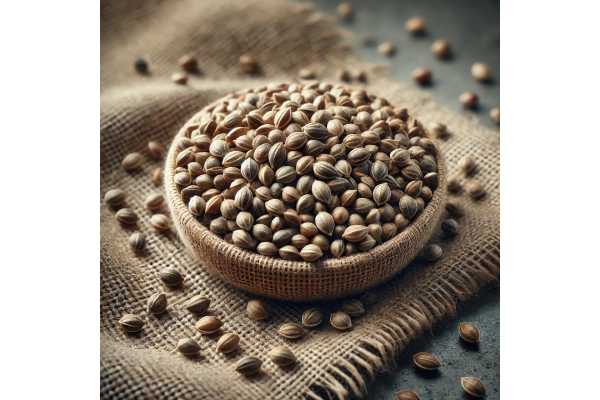
Hemp seeds—often sold as “hemp hearts” when hulled—pack an unusual mix of complete protein, essential fats, and minerals in a soft, nutty-tasting kernel. A small serving adds plant-based omega-3 and omega-6 fats in a balanced ratio, substantial magnesium and phosphorus, and a satiating 10 g of protein per 30 g (about 3 tablespoons). In the kitchen, they blend into smoothies, brighten salads and grain bowls, and make creamy non-dairy “milks,” dressings, and pestos. Unlike cannabis flowers, the seeds themselves don’t naturally contain THC, and commercial food-grade seeds are cleaned to minimize contamination. Their main caveats are calories concentrated from healthy fats, occasional but real seed allergies, and the need to store them well to protect those delicate fats. Below, you’ll find an evidence-based guide to hemp seeds’ nutrients, benefits and limitations, how to buy and store them, and the smartest ways to prepare them while keeping their nutrition intact.
At a Glance
- Provides complete protein with arginine and essential omega-3 and omega-6 in about a 3:1 ratio.
- Typical portion: 2–3 tablespoons (20–30 g), enjoyed most days within your calorie needs.
- Safety note: trace THC transfer can occur from plant contact; choose reputable, tested food brands.
- People who should limit or avoid: anyone with known seed or cannabis allergies, and athletes in tested sports who cannot accept any cannabinoid risk.
Table of Contents
- Hemp Seeds: What to Know
- Hemp Seeds Nutrition Profile
- Evidence-Based Benefits of Hemp Seeds
- Risks, Allergies and Interactions
- Buying, Quality, Sustainability and Storage
- Prep, Cooking and Nutrient Retention
- Portions, Comparisons and FAQs
Hemp Seeds: What to Know
Hemp seeds are the small, soft kernels of Cannabis sativa cultivated for food rather than intoxicating cannabinoids. When sold as “hemp hearts,” the tough outer hull is removed, leaving a tender seed that blends into both sweet and savory dishes. What sets hemp seeds apart is a trio of advantages: (1) a complete, highly digestible protein dominated by edestin and albumin; (2) an essential fat profile rich in linoleic acid (omega-6) and alpha-linolenic acid (omega-3), plus minor gamma-linolenic (GLA) and stearidonic (SDA) acids; and (3) exceptional mineral density, especially magnesium, phosphorus, potassium, zinc, and copper.
Because most of their calories come from polyunsaturated fats (PUFAs), hemp seeds taste buttery yet feel light, and they help make plant-forward meals more satisfying. The seeds’ natural arginine supports nitric oxide production, and the fiber in whole (unhulled) seeds promotes regularity; hulled seeds have less fiber but are easier to digest and more versatile. From a culinary standpoint, hemp seeds function like a cross between sesame and pine nuts: sprinkle, grind, or blend. Use them to enrich oatmeal, yogurt, smoothies, salads, and roasted vegetables; to thicken dressings and dips; or to replace some nut content in pesto. They also make a creamy “hemp milk” that steams well for coffee.
Legally and biologically, it’s important to separate seed foods from cannabinoid extracts. The seed itself does not biosynthesize THC or CBD; trace residues can appear when seeds contact the flowering plant during harvest. Reputable food producers clean and test seeds to meet food safety limits. For most people, these foods won’t cause intoxication and are compatible with everyday eating patterns such as Mediterranean, DASH, vegetarian, vegan, and gluten-free diets.
Practical limitations? Calories add up fast; 30 g provides roughly 165–175 kcal. The fatty acids are delicate, so storage matters (cool, dark, sealed). Finally, seed allergy is uncommon but documented, and a tiny fraction of athletes in anti-doping programs prefer to avoid even trace cannabinoid exposure. With smart purchasing and storage, hemp seeds are a nutrient-dense staple that can round out breakfasts, power up salads, or enrich baked goods and sauces without overpowering flavors.
Hemp Seeds Nutrition Profile
Basis: Hulled hemp seeds (hemp hearts), per 100 g. Values are typical composites; whole (unhulled) seeds contain more fiber and slightly different mineral distributions. %DV uses U.S. adult Daily Values.
Macros & Electrolytes (per 100 g)
| Nutrient | Amount | %DV |
|---|---|---|
| Energy | 553 kcal | — |
| Protein | 31.6 g | 63% |
| Total fat | 48.8 g | — |
| Saturated fat | 4.6 g | 23% |
| Monounsaturated fat | 5.4 g | — |
| Polyunsaturated fat | 38.0 g | — |
| Carbohydrate | 8.7 g | 3% |
| Total sugars | 1.5 g | — |
| Fiber | 4.0 g | 14% |
| Sodium | 5 mg | 0% |
| Potassium | 1200 mg | 26% |
| Water | ~5 g | — |
Fats & Fatty Acids (per 100 g)
| Component | Amount | Notes |
|---|---|---|
| Linoleic acid (LA, omega-6) | ~28 g | Dominant PUFA; supports skin barrier. |
| Alpha-linolenic acid (ALA, omega-3) | ~8–10 g | Essential omega-3; plant-based. |
| Gamma-linolenic acid (GLA, omega-6) | ~2–3 g | Minor; studied for inflammatory skin conditions. |
| Stearidonic acid (SDA, omega-3) | ~0.8–1.5 g | ALA derivative that converts to EPA more readily than ALA. |
| Omega-6 : Omega-3 ratio | ~3 : 1 | Within commonly recommended ranges for mixed diets. |
Protein & Amino Acids (per 100 g)
| Metric | Value | Context |
|---|---|---|
| Protein | 31.6 g | Complete protein; rich in arginine. |
| Notable amino acids | Arginine ~4–6 g; Cysteine + Methionine ~1.5–2 g; Leucine ~2–3 g | Values vary by cultivar and processing. |
| Digestibility | High (≈84–92% in common products) | Edestin (11S globulin) and albumin (2S), low antinutrients when hulled. |
Vitamins (per 100 g)
| Vitamin | Amount | %DV |
|---|---|---|
| Thiamin (Vitamin B1) | ~1.3 mg | 108% |
| Riboflavin (Vitamin B2) | ~0.3 mg | 23% |
| Niacin (Vitamin B3) | ~9.0 mg | 56% |
| Vitamin B6 | ~0.6 mg | 35% |
| Folate (DFE) | ~110 µg | 28% |
| Vitamin E (alpha-tocopherol equivalents) | ~1.0 mg | 7% |
Minerals (per 100 g)
| Mineral | Amount | %DV |
|---|---|---|
| Magnesium | ~700 mg | 167% |
| Phosphorus | ~1650 mg | 132% |
| Potassium | ~1200 mg | 26% |
| Iron | ~8.0 mg | 44% |
| Zinc | ~10.0 mg | 91% |
| Copper | ~1.6 mg | 178% |
| Calcium | ~70 mg | 5% |
| Manganese | ~7–8 mg | 304–348% |
Carbohydrates & Glycemic Metrics
- Net carbs are low (~5 g per 100 g), so glycemic impact is minimal.
- Hulled seeds provide modest fiber (≈4 g/100 g); whole seeds provide substantially more.
Bioactives/Phytonutrients
- Phytosterols (notably beta-sitosterol), phenolic compounds, tocopherols, and minor carotenoids (e.g., lutein) contribute to antioxidant activity.
- Hemp seed oil contains chlorophyll and other unsaponifiables that influence color and oxidative behavior.
Allergens & Intolerance Markers
- Hemp seed is a distinct seed allergen with rare but reported IgE-mediated reactions. Cross-reactivity with cannabis pollen or other seeds is possible.
Anti-nutrients
- Phytic acid resides mainly in the hull and bran; hulling, soaking, sprouting, roasting, or fermentation can reduce phytate and improve mineral bioavailability.
Footnote: Data reflect hulled hemp seeds (hemp hearts). Fatty acid subtotals are typical ranges because composition varies by cultivar, growing conditions, and processing. %DV based on U.S. FDA values (e.g., magnesium 420 mg, phosphorus 1250 mg, potassium 4700 mg, iron 18 mg, zinc 11 mg, copper 0.9 mg, thiamin 1.2 mg, riboflavin 1.3 mg, niacin 16 mg, vitamin B6 1.7 mg, folate 400 µg DFE, vitamin E 15 mg).
Evidence-Based Benefits of Hemp Seeds
Cardiometabolic support from essential fatty acids. Hemp seeds deliver linoleic acid (omega-6) and alpha-linolenic acid (omega-3) in roughly a 3:1 ratio, with small amounts of GLA and SDA. This balance supports normal blood lipid profiles when hemp seeds replace saturated fats in meals. GLA and SDA, though present in gram-level amounts per 100 g, may contribute additional anti-inflammatory signaling and more efficient long-chain omega-3 synthesis than ALA alone. In real-world terms, adding 2–3 tablespoons of hemp hearts to breakfasts or salads is a simple, food-first way to raise polyunsaturated fat intake while keeping saturated fat modest.
Protein quality and satiety. The seed’s storage proteins, edestin (11S globulin) and albumin (2S), make hemp a complete protein source with high digestibility in common preparations. Practical advantage: a 30 g serving provides ~10 g of protein that blends easily without gritty textures. In plant-forward diets, that can improve meal satiety and help meet daily protein targets without relying solely on legumes or soy.
Mineral density that matters. Magnesium (≈700 mg/100 g) and phosphorus (≈1650 mg/100 g) stand out. Two tablespoons (20 g) contribute roughly one-third of a day’s magnesium for many adults—useful for muscle and nerve function, glucose handling, and blood pressure regulation. Zinc, copper, and iron arrive in meaningful amounts, supporting immune function and red blood cell formation.
Skin and barrier health. LA and GLA support epidermal barrier lipids. In culinary doses (e.g., a few tablespoons daily as part of balanced meals), many people notice improved skin comfort when overall fat quality in the diet shifts toward essential fatty acids. While hemp is not a “cure,” its fatty acid pattern complements dermatology guidance emphasizing LA-rich oils.
Digestive comfort and versatility. Hulled seeds are gentle on digestion for most people, making them suitable for smoothies, yogurt bowls, and blended beverages. Whole seeds add insoluble fiber that promotes regularity, though their crunch suits breads and crackers more than drinks.
Plant diversity, culinary flexibility. Hemp seeds provide a nut-like flavor without tree nuts, useful for households navigating nut allergies (with the important caveat that hemp itself can cause rare seed allergies). Because the flavor is mild, hemp adapts to savory and sweet applications—pestos, chimichurri, granola, energy bites, and creamy “hemp ricotta” for lasagna or toast.
Performance and recovery contexts. The arginine content supports nitric oxide production, which relates to vascular function. For recreational exercisers—not athletes in anti-doping programs—hemp foods are a practical way to add protein and essential fats to post-exercise meals.
Bottom line: Replacing part of the saturated fat in your day with hemp seeds’ essential fats, while leveraging their protein and minerals, is a realistic, culinary path toward healthier patterns. Benefits accrue when hemp seeds displace less healthful calories, not simply when they’re added on top of already adequate diets.
Risks, Allergies and Interactions
Allergy and intolerance. Hemp seed allergy exists, though it’s less common than tree-nut or peanut allergy. Reactions range from oral itching to anaphylaxis in sensitized individuals. Cross-reactivity can occur in people allergic to cannabis pollen or other seeds. If you have any seed or cannabis allergy history—or unexplained reactions to “seed mixes”—speak with an allergist before introducing hemp.
THC and CBD considerations. The seeds themselves don’t make THC or CBD, but during harvest they can contact resinous plant parts. Food-grade seeds are cleaned to minimize residues, and regulatory bodies have set very conservative thresholds for acute exposure to delta-9-THC. For typical consumers, eating hulled hemp seeds from reputable brands is not intoxicating. That said, worst-case contamination scenarios modeled in safety assessments suggest that very high intakes of some hemp foods could exceed conservative reference doses. Choosing producers that document cleaning and third-party testing is prudent.
Athletes in tested sports. Anti-doping rules prohibit THC in-competition above a defined urinary threshold. While eating cleaned hemp seeds makes a positive test very unlikely, risk tolerance varies. Many athletes who are tested prefer to avoid any commodity that could contain cannabinoids, or they rely only on products with batch-specific certificates of analysis. If your sport enforces testing and your risk tolerance is zero, consider alternative seeds (e.g., pumpkin, sunflower, sesame) that don’t carry even theoretical cannabinoid concerns.
Medication considerations.
- Blood thinners and antiplatelet agents: hemp seeds are PUFA-rich; while normal culinary intakes are food-safe, very high daily doses of omega-3/omega-6 oils can modestly affect platelet function. If you use anticoagulant or antiplatelet medication, keep portions moderate and consistent, and discuss overall fat supplements with your clinician.
- Gastrointestinal conditions: the fats and fiber in hemp can be soothing for some, but large servings may aggravate reflux or diarrhea in sensitive individuals. Introduce gradually.
- Infants, pregnancy, and lactation: hemp seed foods are widely used as nutrient-dense ingredients; as with all seeds, ensure freshness and sound food hygiene. If you prefer to avoid even trace cannabinoid exposure during pregnancy or lactation, select brands with published testing and stick to standard culinary portions.
Food safety and spoilage. The high PUFA content means hemp seeds and oils oxidize with heat, air, and light. Rancid fats taste bitter/paint-like and should be discarded. Store seeds cold and sealed; once opened, most brands recommend refrigeration and using within a few months.
Digestive tolerance. Hulled seeds are easier to digest; whole seeds are crunchy and high in insoluble fiber. If you’re new to them, start with 1 tablespoon (10 g) daily, then build to your preferred portion to avoid bloating.
Buying, Quality, Sustainability and Storage
How to choose quality hemp seeds
- Look for “hulled” or “hemp hearts” if you want soft texture and easy blending; choose whole seeds if you want high fiber and crunch.
- Freshness signals: pale cream color with light green flecks (chlorophyll from residual oil), mild nutty aroma, no bitterness. Avoid gray, oily, or bitter kernels.
- Packaging: opaque or UV-protected pouches or jars with nitrogen flushing are ideal. Check best-by dates and prefer recent production.
- Testing transparency: reputable brands publish or provide certificates of analysis for microbial safety, heavy metals, and cannabinoid residues. This helps minimize any THC carryover risks from harvest.
- Organic vs. conventional: organic options reduce synthetic pesticide inputs; either way, hemp farming typically uses fewer pesticides than many other crops due to the plant’s vigor and canopy.
Sustainability snapshot
- Low input crop: industrial hemp grows rapidly, shades weeds, and can fit into rotations that improve soil structure.
- Water and land use: compared with many tree nuts, hemp generally requires less irrigation and reaches harvest in 3–4 months.
- By-products: pressing seeds yields oil and a protein- and fiber-rich press cake useful for flours and plant-protein blends, reducing waste.
- Caveats: sustainability varies with region, irrigation method, and post-harvest processing. Long supply chains and refrigerated shipping can offset farm-level advantages. When possible, buy regionally produced seeds or oils to reduce transport impacts.
Storage and shelf life
- Unopened: store in a cool, dark pantry. If you won’t use a large bag within 3–4 months of opening, buy smaller packages.
- Opened: refrigerate tightly sealed; for long holds (6+ months), freeze in portioned pouches to preserve PUFA quality.
- Oil: store hemp seed oil in the fridge after opening; use within 8–12 weeks for best flavor. Keep caps clean to limit oxygen ingress.
Cost-savvy tips
- Compare unit prices (per 100 g).
- Use hemp seeds where they replace costlier nuts (e.g., pesto or energy bites) without sacrificing texture.
- Buy hulled seeds for ready-to-eat uses; buy whole seeds for baking or milling if you want maximum fiber.
Red flags
- Bitter or “paint” aromas, visible oil separation in seeds, extensively faded color, or packaging with a stale air odor. Discard rancid product; oxidation undermines nutrition and taste.
Prep, Cooking and Nutrient Retention
Best uses to protect delicate fats
- Raw or minimally heated: sprinkle over salads, oats, yogurt, fruit, or roasted vegetables after they come out of the oven.
- Blended: add 2–3 tablespoons to smoothies or sauces for creaminess and extra protein.
- No-cook condiments: pulse into pestos, chimichurri, or tahini-style sauces; whisk with lemon, herbs, and water for instant dressings.
- Baked goods: fold into quick breads, muffins, granola, and crackers. At baking temperatures, the brief internal exposure to heat is less damaging than pan-frying.
Cooking guidelines
- Avoid high-heat frying or searing. The PUFA-rich oil is more prone to oxidation with sustained high heat. Use hemp seed oil as a finishing oil or for gentle warming rather than sautéing.
- Pair with antioxidants. Combine with herbs, citrus, garlic, or colorful vegetables; polyphenols and vitamin C present in the meal can help limit oxidation in the dish and in the body.
- Mind the ratio. If you already eat flax, chia, or walnuts daily, hemp offers a different flavor and includes minor SDA and GLA; using a mix of seeds week to week broadens nutrient coverage.
Techniques to reduce anti-nutrients and enhance minerals
- Light toasting (whole seeds): brings out flavor and reduces moisture. Keep roasting gentle to minimize PUFA degradation—think low oven (≤150 °C) for 10–15 minutes, then cool quickly.
- Soaking and drying (whole seeds): reduces phytate modestly; ensure thorough drying to prevent spoilage.
- Fermentation (flours): sourdough processes can improve mineral availability and protein functionality in breads and crackers made with hemp flours.
Everyday applications
- Five-minute hemp dressing: 3 tbsp hemp seeds, 2 tbsp lemon juice, 2 tbsp water, 1 tsp mustard, pinch salt—blend until creamy; thin as desired.
- Savory oats upgrade: stir 1–2 tbsp hemp seeds into cooked oats; top with sautéed greens and a soft-boiled egg (or beans).
- Pesto swap: replace half the pine nuts with hemp seeds; add basil, garlic, lemon, and olive oil.
- Hemp “milk”: blend 3–4 tbsp seeds with 250 ml water, a pinch of salt, and vanilla; strain for a smoother texture or leave whole for fiber and protein.
Retention takeaways
- Add after cooking or at the end of heating.
- Store cold and airtight.
- Use within a few months of opening to keep flavors fresh and PUFAs intact.
Portions, Comparisons and FAQs
Practical portions
- Standard portion: 2–3 tablespoons (20–30 g). For most adults, enjoying this amount daily or most days fits a balanced diet when you swap it for less nutritious calories (e.g., refined snacks).
- Higher-calorie needs: athletes, active teens, or people with poor appetite can use 3–5 tablespoons spread across meals.
- Children: start with 1 teaspoon and build up, watching for tolerance and allergies.
How hemp seeds compare to similar foods (per 30 g, approximate)
- Hemp hearts: ~10 g protein; ~14–15 g fat (mostly PUFA); low net carbs; magnesium high.
- Chia seeds: ~5 g protein; ~9 g fat (ALA-rich); ~10 g fiber; forms gel in liquids.
- Flaxseed (ground): ~6 g protein; ~12 g fat (ALA-rich); ~8 g fiber; needs grinding for bioavailability.
- Pumpkin seeds (pepitas): ~9 g protein; ~13 g fat (more MUFA and SFA than hemp); iron and zinc high.
- Walnuts: ~4–5 g protein; ~20 g fat (ALA-rich); minimal minerals compared with hemp.
FAQs
Do hemp seeds contain THC or CBD?
Seeds do not naturally produce cannabinoids. Trace amounts can be present from contact with other plant parts during harvesting and handling. Food-grade products are cleaned to minimize this and are non-intoxicating at standard portions.
Can hemp seeds trigger a positive drug test?
It’s unlikely with reputable, cleaned food products at typical intakes. However, because anti-doping rules are strict and tests target THC metabolites in competition, some athletes choose to avoid any hemp-derived foods to eliminate theoretical risk.
Are hemp seeds a good protein source for vegans?
Yes. They provide complete protein with good digestibility and pair well with legumes and grains to cover lysine and methionine patterns over a day of eating.
I’m sensitive to nuts—are hemp seeds safe?
Hemp is a seed, not a tree nut. Many nut-allergic individuals tolerate hemp, but seed allergy to hemp is possible. If you have significant food allergies, discuss with your clinician before trying hemp and start with supervised small amounts.
Can I cook with hemp seed oil?
Use it as a finishing oil, in dressings, or for very gentle warming. For sautéing or high-heat applications, choose oils with greater oxidative stability (e.g., high-oleic oils), and use hemp oil at the table for flavor and nutrition.
What’s a smart weekly plan?
Aim for 3–7 portions per week, rotating with other seeds (chia, flax, pumpkin) to diversify nutrients. Keep a small jar at your desk or in the fridge for easy sprinkling.
References
- The seed of industrial hemp (Cannabis sativa L.): Nutritional Quality and Potential Functionality for Human Health and Nutrition 2020 (Systematic Review)
- Hemp Seeds (Cannabis sativa L.) as a Valuable Source of Natural Ingredients for Functional Foods—A Review 2024 (Systematic Review)
- Assessment of the Stability and Nutritional Quality of Hemp Oil and Pumpkin Seed Oil Blends 2024
- Acute human exposure assessment to tetrahydrocannabinol (Δ9-THC) 2020 (Risk Assessment)
- FDA Responds to Three GRAS Notices for Hemp Seed-Derived Ingredients for Use in Human Food 2018 (Guidance)
Disclaimer
This article provides general nutrition and safety information about hemp seeds and is not a substitute for personalized medical advice, diagnosis, or treatment. Always consult a qualified healthcare professional about your specific health conditions, medications, and dietary needs—especially if you have food allergies, are pregnant or breastfeeding, or participate in drug-tested sports. If you suspect an allergic reaction, seek medical care immediately.
If you found this guide useful, please consider sharing it with friends or colleagues on Facebook, X, or your favorite platform. Your support helps us continue producing clear, balanced, evidence-based nutrition content.