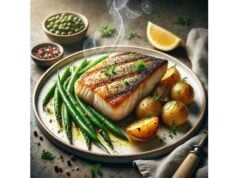
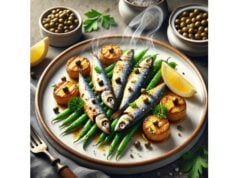
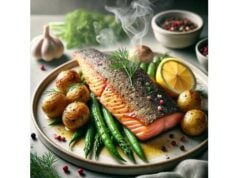
Herring is a small, oily fish with an outsized nutrition profile. A modest 100-gram serving delivers high-quality protein, abundant long-chain omega-3s (EPA and DHA), and meaningful amounts of vitamin D, vitamin B12, selenium, and iodine—nutrients many people under-consume. Whether you enjoy it grilled, smoked, pickled, or raw (as sashimi in some cuisines), herring’s rich flavor pairs well with bright acids, fresh herbs, and dense breads or potatoes. It’s also one of the more sustainable wild fish options when sourced from well-managed fisheries. For most healthy adults, including herring once or twice a week helps meet seafood guidance while keeping mercury exposure low. That said, handling and storage matter: as with other dark-fleshed species, poor temperature control can lead to histamine build-up (the cause of “scombroid” poisoning). The guide below explains how to choose, prepare, and store herring to maximize benefits, minimize risks, and get the most delicious results at home.
Top Highlights
- A 100 g serving provides ~1–2 g EPA+DHA, 17–20 g protein, and notable vitamin D, B12, selenium, and iodine.
- Typical serving: 85–115 g (3–4 oz) once or twice weekly fits most seafood guidance.
- People with fish allergy or on strict low-sodium diets should avoid salted or pickled herring.
- Histamine can form if fish warms; buy from cold chains, refrigerate promptly, and discard if off-odors develop.
Table of Contents
- Herring at a Glance
- Nutrition Profile (per 100 g)
- Evidence-Based Health Benefits
- Risks, Allergies and Interactions
- Selecting, Quality, Sustainability and Storage
- Preparation, Cooking and Nutrient Retention
- Portions, Comparisons and FAQs
Herring at a Glance
Herring (Clupea harengus in the Atlantic and related clupeids elsewhere) is a pelagic, cold-water fish prized across Northern Europe, Russia, Japan, and parts of North America. It’s often sold as whole fish, fillets, or value-added products such as kippers (smoked/salted), rollmops (pickled fillets wrapped around onions or pickles), and matjes (lightly cured young herring). Because herring is small and lower on the food chain, it tends to have lower mercury than large predators and offers an efficient way to obtain long-chain omega-3 fatty acids from food rather than supplements.
Culinarily, herring is versatile. Whole fish grill or broil beautifully thanks to their higher fat content, which bastes the flesh and resists drying out. Fillets poach gently in olive oil, roast atop potatoes, or cure well with salt, sugar, and dill for a gravlax-style preparation. Smoked or pickled herring adds briny depth to salads, rye breads, and potato dishes; on the Japanese side, kazunoko (herring roe) is a celebratory New Year’s ingredient with a firm, popping texture.
From a nutrition standpoint, herring shines where many diets fall short. It’s among the few widely available foods that naturally provide vitamin D in useful amounts, and it delivers vitamin B12 for nerve health and red blood cell formation. Its selenium supports antioxidant enzymes, and its iodine supports thyroid function. The omega-3s EPA and DHA help lower triglycerides and modestly support cardiovascular risk reduction when eaten as part of a balanced dietary pattern. Herring’s nutrient density makes it valuable for pescatarians and for omnivores who want to improve seafood variety.
Practical buying tips: look for bright, metallic skin; firm flesh; and a mild, sea-fresh aroma. Eyes should be clear, not sunken or milky. If you’re choosing prepared products, check sodium on the label and consider rinsing before serving to dial salt down. Finally, plan to keep it cold—from store to home to fridge—and cook (or keep cured products chilled) promptly to preserve quality and safety.
Nutrition Profile (per 100 g)
The values below represent typical raw Atlantic herring. Actual numbers vary by species, season, and preparation (raw vs. cooked, smoked, or pickled). Use these as practical benchmarks when planning meals.
Macros and Key Electrolytes (per 100 g, raw)
| Nutrient | Amount | % Daily Value |
|---|---|---|
| Energy | 179–200 kcal | — |
| Protein | 17.0–20.0 g | 34–40% |
| Total Fat | 10–13 g | 13–17% |
| Saturated Fat | 2.5–3.0 g | 13–15% |
| Carbohydrate | 0 g | 0% |
| Fiber | 0 g | 0% |
| Sodium | 60–120 mg (raw) | 3–5% |
| Potassium | 250–350 mg | 5–7% |
Fats and Fatty Acids
| Fatty Acid | Amount (per 100 g) | Notes |
|---|---|---|
| EPA (eicosapentaenoic acid) | ~0.6–0.9 g | Long-chain omega-3 |
| DHA (docosahexaenoic acid) | ~0.8–1.2 g | Long-chain omega-3 |
| EPA+DHA total | ~1.4–2.1 g | No established %DV |
| Monounsaturated fat | 4–5 g | Predominantly oleic/Palmitoleic |
| Polyunsaturated fat | 2–3 g | Includes EPA/DHA |
| Cholesterol | ~70–85 mg | No %DV on labels |
Protein and Amino Acids
| Item | Amount | %DV/Comment |
|---|---|---|
| Complete Protein | 17–20 g | Contains all essential amino acids |
| Leucine (approx.) | ~1.6 g | Supports muscle protein synthesis |
| Lysine (approx.) | ~1.9 g | High lysine complements cereal proteins |
Vitamins
| Vitamin | Amount (per 100 g) | %DV |
|---|---|---|
| Vitamin D | 5–15 µg (200–600 IU)* | 25–75% |
| Vitamin B12 (cobalamin) | 8–14 µg | 333–583% |
| Niacin (B3) | ~3–6 mg | 19–38% |
| Vitamin B6 | ~0.3–0.5 mg | 18–29% |
| Vitamin A (retinol activity equiv.) | ~15–50 µg | 2–6% |
*Atlantic herring can sometimes contain substantially more vitamin D; values vary by location, age, and fat content.
Minerals
| Mineral | Amount (per 100 g) | %DV |
|---|---|---|
| Selenium | 35–45 µg | 64–82% |
| Iodine | ~30–50 µg | 20–33% |
| Phosphorus | 200–250 mg | 16–20% |
| Iron | 0.7–1.3 mg | 4–7% |
| Magnesium | 25–35 mg | 6–8% |
| Zinc | 0.5–0.9 mg | 5–8% |
| Calcium | 30–60 mg (raw fillet) | 2–5% |
Allergens & Intolerance Markers
- Fish is a major allergen. Individuals with confirmed fish allergy should avoid herring in all forms.
- Pickled/smoked products can be high in sodium.
- Dark-fleshed fish like herring may accumulate histamine if temperature control lapses (see Safety section).
Contaminants & Residues
- Mercury: generally low compared to large predatory fish.
- Sodium: very high in pickled/cured forms (often 500–900 mg per 100 g; check labels).
Footnote: %DV values use common U.S. Daily Values for adults and children ≥4 years; omega-3s do not have an established %DV.
Evidence-Based Health Benefits
1) Heart health support through dietary patterns rich in omega-3s
Herring provides long-chain omega-3s (EPA and DHA), which help lower triglycerides and may modestly reduce the risk of major cardiovascular events when consumed regularly as part of a balanced diet. While supplement trials show mixed outcomes, consistently eating fatty fish like herring once or twice weekly aligns with guidance for cardiometabolic health. Whole-food sources bring additional nutrients—selenium, iodine, vitamin D, and high-quality protein—that support overall dietary quality beyond isolated oils.
2) Triglyceride lowering
EPA and DHA have a dose-dependent effect on triglycerides. A typical herring fillet (85–115 g) provides roughly 1–2 g EPA+DHA, a meaningful intake for people with borderline-high triglycerides when combined with other lifestyle measures. Individuals with very high triglycerides may require prescription omega-3 formulations under medical supervision; food sources remain a prudent foundation.
3) Nutrients many people lack
- Vitamin D: Few foods naturally supply vitamin D; herring can contribute 25–75% of the Daily Value in a 100 g portion, sometimes more, depending on season and fat content.
- Vitamin B12: A single serving often exceeds the Daily Value several times over, supporting neurological function and red blood cell formation.
- Selenium and Iodine: Herring provides bioavailable selenium (for antioxidant enzymes) and iodine (for thyroid hormones), nutrients that complement iodized salt and dairy intake.
4) Brain and visual function throughout life
DHA is a structural component of neural and retinal membranes. Regular dietary intake from fish correlates with better maintenance of DHA status. During pregnancy and lactation, seafood intake within recommended limits supports fetal/infant neurodevelopment; herring’s low mercury and high omega-3 content make it a good option within the variety of “best choice” fish.
5) Satiety and muscle maintenance
Herring’s protein has a high leucine content relative to total protein, supporting muscle protein synthesis. For active adults and older adults, pairing herring with fiber-rich sides can create satisfying, nutrient-dense meals that help maintain lean mass and appetite control.
What to expect—and what not to
- Expect: lower triglycerides, improved omega-3 status, and a nutrient-dense protein option that fits into Mediterranean-style patterns.
- Do not expect: fish alone to prevent heart attacks or strokes. Benefits accrue from overall patterns (vegetables, whole grains, legumes, nuts, appropriate energy balance) and from replacing less healthy proteins (e.g., processed red meats) with fish like herring.
Practical ways to use herring for health
- Swap in grilled or broiled herring once weekly for a red-meat dinner.
- Add smoked herring sparingly as a flavor accent; rinse to reduce surface salt.
- For no-cook options, choose lightly pickled matjes with boiled potatoes, sour cream/yogurt, and dill, balancing sodium with unsalted sides.
Risks, Allergies and Interactions
Fish allergy
Herring is a major allergen. Reactions can be severe and rapid. Anyone with a diagnosed fish allergy should avoid herring in all forms, including fish sauces or roe. Cross-contact in mixed seafood facilities is common.
Histamine (scombroid) risk
Dark-fleshed fish can accumulate histamine if time-temperature control fails between harvest and consumption. Histamine is heat-stable: cooking does not reliably inactivate it. Symptoms—flushing, headache, burning mouth, hives, nausea—usually appear within minutes to a few hours and often resolve within several hours, but severe reactions require medical attention. Reduce risk by buying from reputable vendors, checking that fish is cold and smells clean, refrigerating promptly (≤4 °C), and discarding fish with sour, ammonia-like, or sharp “cheesy” odors. Canned or jarred products should be from intact containers; never use bloated, leaking, or corroded cans.
Sodium in cured products
Pickled, brined, or smoked herring can deliver 500–900 mg sodium per 100 g (or more). People with hypertension, heart failure, kidney disease, or those on sodium-restricted diets should prefer fresh or low-sodium versions, rinse before serving, and balance the meal with unsalted sides.
Mercury and other contaminants
Herring is generally a low-mercury fish. Within standard seafood guidance, adults (including those who are pregnant or breastfeeding) can include low-mercury fish 2–3 times per week in appropriate portion sizes. For young children, portion sizes are smaller, but herring remains in the “best choice” category.
Medication and nutrient interactions
- Anticoagulants/antiplatelets: Very high intakes of supplemental omega-3s can increase bleeding time. Typical food portions of herring are unlikely to be problematic, but individuals on warfarin or other blood thinners should keep overall omega-3 intake consistent and discuss large supplemental doses with a clinician.
- Tyramine/histamine sensitivity: Some cured fish products may trigger symptoms in people sensitive to biogenic amines.
- Purines: Like other fish, herring contains purines. Individuals with gout who are purine-sensitive may need to moderate intake, especially of organ meats like roe.
Who should limit or avoid
- People with fish allergy (complete avoidance).
- Individuals on strict low-sodium diets (limit pickled/smoked forms).
- Those with a history of scombroid reactions should be cautious with any dark-fleshed fish of uncertain handling.
- People with gout flares triggered by seafood may need to individualize portions and frequency.
Selecting, Quality, Sustainability and Storage
How to choose great herring
- Appearance: Bright, metallic skin; translucent flesh; no browning or gaping.
- Smell: Clean and sea-fresh, never sour or sharp.
- Texture: Firm and springy; fillets should not feel mushy.
- Packaging: For smoked or pickled, choose vacuum-sealed or well-refrigerated jars from reputable brands; check “sell-by” dates and keep cold.
Sustainability snapshot
Herring fisheries in the North Atlantic and North Sea are among the better-studied pelagic fisheries. Certification programs recognize several herring fisheries as meeting sustainability standards when stock status, bycatch controls, and management frameworks are robust. When possible, look for ecolabels or supplier information about fishery of origin (e.g., ICES-managed stocks), gear type (purse seine/pelagic trawl), and certification status. Buying smaller, oily fish like herring instead of large predators also spreads demand to lower-trophic species with generally lower carbon and contaminant footprints per gram of omega-3.
Storage and shelf life
- Fresh herring: Keep at ≤4 °C and use within 24–36 hours. For best results, store on a perforated pan over ice (in a tray to catch meltwater) so the fish stays cold but not waterlogged.
- Refrigeration: Once cooked, cool quickly and refrigerate in shallow containers; use within 2–3 days.
- Freezing: For raw fillets, overwrap in moisture-barrier packaging and freeze at −18 °C (0 °F) or colder. Quality holds 2–3 months for best flavor; frozen kippers last a bit longer.
- Cured products: Follow labels. Unopened jars keep for months refrigerated; once opened, consume within 3–5 days.
- Food safety: Keep cold chain intact. When in doubt—odd odors, slimy feel, fizzing brine—discard.
Quality cues by preparation
- Smoked (kippers): Should smell clean and smoky, not acrid; flesh should be moist, not dry or oily.
- Pickled: Brine should be clear; spices fresh; texture firm, not mealy.
- Frozen: Prefer vacuum-sealed, glaze-protected fillets to limit freezer burn.
Preparation, Cooking and Nutrient Retention
Herring’s fat content keeps it succulent across cooking methods, but gentle heat preserves delicate omega-3s and vitamin D.
Best techniques for flavor and nutrition
- Broil or grill (fast, high heat): Brush with oil, season with salt, pepper, lemon, and herbs. Cook 3–4 minutes per side for whole-butterflied fish or 2–3 minutes for fillets. Crisp skin protects flesh; avoid overcooking to keep moisture and omega-3s.
- Pan-sear: Heat a heavy pan until hot, add a thin film of oil, sear skin-side down until crisp, flip briefly to finish. Deglaze with vinegar and shallots for a quick pan sauce.
- Oven-roast: 220 °C (425 °F) for 8–12 minutes on a preheated sheet. Add sliced lemon, dill, and a drizzle of mustard-honey glaze.
- Poach in olive oil: 65–70 °C (150–160 °F) for 10–15 minutes; yields silky texture and excellent omega-3 retention.
- Cure (gravlax-style): Equal parts kosher salt and sugar with dill and citrus zest; cure 12–24 hours under refrigeration. Rinse, pat dry, slice thin.
- Pickle (quick): Simmer vinegar with water, sugar, spices, and onion; chill; pour over lightly salted fillets; refrigerate 24–48 hours.
Tips to retain nutrients
- Avoid repeated heating/cooling cycles; serve freshly cooked or chilled once.
- Use moist methods (poaching, gentle roasting) to reduce oxidation of omega-3s.
- Pair with vitamin C-rich sides (lemon, pickled onions, fresh herbs) to enhance iron absorption and brighten flavor.
- If using smoked or pickled products, balance sodium with unsalted sides (boiled potatoes, yogurt-dill sauce, raw vegetables).
Food safety essentials
- Keep raw fish separate from ready-to-eat foods.
- Cook to an internal temperature of 63 °C (145 °F) for 15 seconds for general safety; many home cooks pull slightly earlier for whole fish when flesh turns opaque and flakes with a fork, but vulnerable individuals should follow the full guideline.
- For sashimi-style serving, use fish sold for raw consumption or previously frozen per regulatory recommendations to manage parasite risks, and maintain strict cold handling.
Portions, Comparisons and FAQs
Recommended portions and frequency
- Adults: 85–115 g (3–4 oz) cooked portion, once or twice weekly, as part of total 225–340 g (8–12 oz) seafood per week.
- Children: 28–113 g (1–4 oz) depending on age; prioritize low-mercury fish and vary species.
How does herring compare to salmon, mackerel, and sardines?
- Omega-3s: Comparable to sardines and some mackerel; typically less than the fattiest salmon but still robust (~1–2 g EPA+DHA per 100 g).
- Mercury: Generally low, similar to sardines and Atlantic mackerel; lower than many large tuna species.
- Sodium: Fresh herring is modest; pickled/smoked can be very high—higher than most canned salmon or sardines packed in water.
- Vitamin D: Highly variable; herring can be an excellent source, sometimes surpassing salmon on a per-100 g basis depending on season and fat content.
Can I eat herring during pregnancy?
Yes—within seafood guidance and portion sizes. Fresh, cooked herring is a “best choice” low-mercury option. Choose reputable sources, keep cold chain, and avoid unpasteurized pickled products. If nausea or reflux is an issue, try baked or poached fillets with lemon and herbs.
Is pickled herring healthy?
It retains protein, omega-3s, vitamin B12, and some vitamin D, but sodium can be high. Enjoy in smaller portions (30–60 g) and pair with unsalted sides. Rinsing briefly can reduce surface salt.
What about supplements—do I still need to eat fish?
Food first. Evidence for omega-3 supplements on hard endpoints is mixed, and benefits vary by dose and population. Whole fish offers additional nutrients and culinary enjoyment. People with specific medical indications for high-dose EPA or EPA+DHA should work with a clinician.
Budget and pantry tips
- Buy frozen fillets in bulk for value and minimal waste.
- Use smoked herring as a flavor booster—mince and fold into mashed potatoes, bean salads, or egg dishes.
- Save bones/heads for fish stock; pressure-cook and strain for a mineral-rich base.
Quick meal ideas
- Mustard-dill roasted herring with new potatoes and cucumber salad.
- Herring tacos with pickled onions, cabbage, and yogurt-lime sauce.
- Rye toasts with matjes herring, apple, dill, and a dab of crème fraîche.
References
- Advice about Eating Fish | FDA 2024 (Guideline)
- Omega-3 Fatty Acids – Health Professional Fact Sheet 2023 (Guideline)
- Omega‐3 fatty acids for the primary and secondary prevention of cardiovascular disease 2020 (Systematic Review)
- Effects of omega-3 fatty acid on major cardiovascular outcomes: A systematic review and meta-analysis 2022 (Systematic Review)
- Compliance Policy Guide: Sec. 540.525 Scombrotoxin (Histamine)-forming Fish and Fishery Products – Decomposition and Histamine (CPG 7108.24) 2024 (Guideline)
Disclaimer
This article is for general education and is not a substitute for personalized medical advice, diagnosis, or treatment. Always consult a qualified healthcare professional about your specific health needs, medications, and dietary choices—especially if you are pregnant or breastfeeding, have chronic conditions, or are considering supplements.
If you found this guide helpful, please consider sharing it on Facebook, X (formerly Twitter), or your preferred platform to support our continued work. Thank you.