Hibiscus is celebrated for its striking, vibrant blooms and versatile applications, from refreshing teas to potent herbal remedies. Known for its natural antioxidant properties and potential to support cardiovascular health, Hibiscus is a favorite among health enthusiasts and culinary experts alike. This guide provides an in-depth exploration of Hibiscus’ botanical characteristics, detailed chemical makeup, and the extensive benefits it offers—both as a dietary supplement and a natural cosmetic ingredient. Discover the science behind its traditional uses and learn practical tips on safely incorporating Hibiscus into your daily routine.
Table of Contents
- Hibiscus Botanical Characteristics & Identification
- Hibiscus Chemical Composition & Key Constituents
- Hibiscus Health Advantages & Core Qualities
- Hibiscus Applications & Precautionary Guidelines
- Hibiscus Research Discoveries & Key Study Insights
- FAQ
Hibiscus Botanical Characteristics & Identification
Hibiscus, a member of the Malvaceae family, is renowned for its large, trumpet-shaped flowers and lush, green foliage. The genus Hibiscus includes hundreds of species, among which Hibiscus sabdariffa (commonly known as Roselle) and Hibiscus rosa-sinensis are the most notable. These species exhibit unique physical characteristics that not only make them visually appealing but also indicate their adaptive traits in various climates.
Taxonomy and Classification
Hibiscus belongs to the order Malvales, under the kingdom Plantae. Its taxonomic classification is as follows:
- Domain: Eukaryota
- Kingdom: Plantae
- Order: Malvales
- Family: Malvaceae
- Genus: Hibiscus
Within this genus, species vary in their morphological traits. For instance, Hibiscus sabdariffa is widely cultivated for its edible calyces, which are used to brew a tart, refreshing tea, while Hibiscus rosa-sinensis is predominantly grown as an ornamental plant for its showy, colorful blooms.
Morphological Features
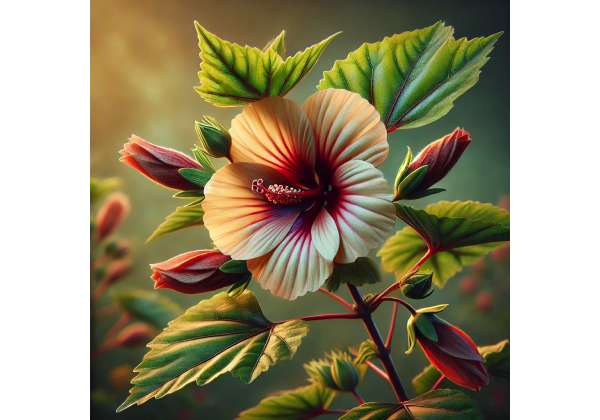
The hallmark of Hibiscus is its impressive, funnel-shaped flower. These blossoms typically display five to nine overlapping petals that can range in color from deep red and pink to white and yellow. The striking central column of stamens, often tipped with contrasting anthers, provides a burst of color and contributes to the flower’s overall symmetry. The petals are not only ornamental but also serve as a natural attractant for pollinators such as bees and butterflies.
The leaves of the Hibiscus plant are typically ovate to lanceolate with serrated edges, providing a lush backdrop to the vivid flowers. Their bright green color contrasts sharply with the blooms and adds to the plant’s ornamental value. The stem is usually woody at the base and softens as it extends upward, supporting the plant’s overall structure and aiding in nutrient transport.
Growth Conditions and Cultivation
Hibiscus thrives in warm, tropical, and subtropical climates where it receives abundant sunlight and well-drained soil. These plants prefer slightly acidic to neutral pH soils and are known for their resilience in both garden and wild settings. They require regular watering, especially during dry spells, but are also fairly tolerant of brief periods of drought once established. Hibiscus plants can be propagated via seeds, cuttings, or even layering, making them accessible for both amateur gardeners and professional horticulturists.
In regions with cooler climates, Hibiscus is often grown in containers that can be moved indoors during winter months. With proper care, these plants can live for many years, continuously blooming throughout the growing season. Gardeners frequently use Hibiscus as a focal point in landscaping, thanks to its vivid colors and ease of maintenance. Additionally, organic cultivation practices have been found to enhance both the aesthetic appeal and the concentration of bioactive compounds within the plant.
Natural Habitat and Distribution
Hibiscus species are native to various parts of the world, including Asia, Africa, and the Caribbean. Each region contributes to the plant’s diverse genetic pool, which in turn influences its flavor profile, medicinal properties, and overall appearance. In many tropical regions, Hibiscus grows abundantly in the wild, often along riverbanks, in meadows, and in disturbed soils where its rapid growth and adaptability give it a competitive edge.
Local communities have long valued Hibiscus for its multiple uses—ranging from natural dyes and food products to traditional remedies for common ailments. The ecological role of Hibiscus is significant as well; its large flowers provide nectar and pollen for a variety of insects, while its seeds serve as a food source for birds and small mammals. This symbiotic relationship underscores the plant’s importance in maintaining biodiversity in its natural habitat.
Cultural and Historical Significance
Beyond its botanical appeal, Hibiscus has a rich cultural heritage. In many societies, the flower is a symbol of delicate beauty and transient perfection. For example, in parts of Asia, Hibiscus is associated with hospitality and is often offered to guests as a sign of welcome and respect. In traditional medicine, various parts of the Hibiscus plant—such as the calyces, leaves, and even the roots—have been used to treat ailments ranging from high blood pressure and fever to digestive disorders and skin irritations.
Historical texts from ancient civilizations reveal that Hibiscus was used both as a decorative element and a medicinal ingredient. Its versatility in traditional healing practices has paved the way for modern scientific investigations, which continue to validate many of its age-old uses. Today, Hibiscus is not only admired for its ornamental beauty but is also extensively studied for its potential health benefits, making it a valuable plant in both horticulture and natural medicine.
Modern Cultivation and Breeding
Modern horticultural techniques have allowed for the development of numerous Hibiscus cultivars, each bred for specific traits such as color intensity, bloom size, and disease resistance. Breeders utilize both traditional cross-pollination methods and advanced biotechnological tools to enhance desirable features. The result is a wide range of Hibiscus varieties that cater to diverse aesthetic and functional needs—from ornamental gardens to commercial agriculture for beverage production.
Furthermore, sustainable farming practices have become increasingly popular among Hibiscus growers. Organic cultivation methods not only reduce environmental impact but also promote the production of higher-quality plants with elevated levels of natural antioxidants and other beneficial phytochemicals. These practices are essential in preserving the ecological balance and ensuring that Hibiscus remains a robust and sustainable resource for future generations.
In summary, the botanical characteristics and identification of Hibiscus reveal a plant that is as functionally versatile as it is visually captivating. Its rich taxonomy, distinctive morphology, and adaptability to varied environments underscore its enduring popularity. Whether grown for ornamental purposes or harnessed for its medicinal properties, Hibiscus stands out as a true botanical marvel that continues to charm and benefit people worldwide.
Hibiscus Chemical Composition & Key Constituents
The health-promoting properties of Hibiscus are deeply rooted in its complex phytochemical profile. Extensive research has identified a myriad of bioactive compounds that contribute to its antioxidant, anti-inflammatory, and antimicrobial effects. Below is a detailed list of the key active constituents found in Hibiscus and an analysis of their respective benefits:
- Anthocyanins
Anthocyanins are the pigments responsible for the deep red, purple, and blue hues of Hibiscus flowers. Compounds such as delphinidin-3-sambubioside and cyanidin-3-sambubioside have been shown to possess strong antioxidant properties. These molecules help neutralize free radicals, reduce oxidative stress, and may even contribute to improved cardiovascular health by enhancing blood vessel function. - Flavonoids
Flavonoids, including quercetin and kaempferol, are potent antioxidants that play a significant role in reducing inflammation and preventing cellular damage. They help stabilize free radicals and support the immune system. Studies indicate that these compounds can improve metabolic functions and may lower the risk of chronic diseases such as diabetes and heart disease. - Phenolic Acids
Phenolic acids, such as protocatechuic acid and chlorogenic acid, contribute to the overall antioxidant capacity of Hibiscus. These acids have been observed to inhibit the growth of harmful bacteria and reduce inflammation. Their anti-microbial properties are particularly valuable in supporting digestive health and maintaining a balanced gut microbiota. - Organic Acids
Hibiscus contains a variety of organic acids, with citric acid being one of the most prominent. These acids not only enhance the tart flavor of Hibiscus tea but also contribute to its antimicrobial properties. Organic acids help lower the pH of the body, creating an environment that is less favorable to the growth of pathogenic bacteria. - Polysaccharides and Pectins
The high fiber content found in Hibiscus calyces is largely due to polysaccharides and pectins. These complex carbohydrates aid in digestion and contribute to a feeling of fullness, making Hibiscus an excellent dietary supplement for weight management. Additionally, they help stabilize blood sugar levels and support overall digestive health. - Vitamin C and Other Antioxidants
Hibiscus is naturally rich in vitamin C, a well-known antioxidant that boosts the immune system and promotes skin health. Along with other antioxidants present in the plant, vitamin C helps protect the body from environmental toxins and supports collagen production, which is essential for maintaining youthful, resilient skin.
The synergy between these compounds is believed to be responsible for many of the therapeutic benefits associated with Hibiscus. For example, the combined action of anthocyanins and flavonoids produces a robust defense against oxidative damage—a critical factor in preventing chronic diseases. Researchers continue to explore the mechanisms behind this synergy, aiming to unlock further potential in Hibiscus-based supplements and formulations.
Advanced extraction methods have enabled the isolation of these compounds in their pure forms, which can then be standardized for use in both dietary supplements and cosmetic formulations. The concentration and efficacy of these compounds can vary based on factors such as the plant’s growing conditions, harvest time, and post-harvest processing techniques. Organic and sustainably cultivated Hibiscus often exhibit higher levels of these bioactives, thereby enhancing their medicinal and nutritional value.
In conclusion, the chemical composition of Hibiscus is a testament to its multifaceted nature. The diversity of active constituents—from vivid anthocyanins to essential vitamins—ensures that every part of the plant contributes to its overall health benefits. This intricate blend of compounds not only validates traditional uses but also underpins modern scientific research, making Hibiscus a truly remarkable herb in the world of natural medicine.
Hibiscus Health Advantages & Core Qualities
Hibiscus offers an impressive array of health advantages that have garnered attention in both traditional medicine and modern clinical studies. The potent bioactive compounds in Hibiscus support a variety of bodily functions and help combat conditions associated with oxidative stress and inflammation. Here, we delve into the essential qualities of Hibiscus and explore how its consumption and topical application can enhance overall well-being.
Cardiovascular Support
One of the most celebrated benefits of Hibiscus is its potential to promote cardiovascular health. Regular consumption of Hibiscus tea has been linked to:
- Lowering Blood Pressure: Studies indicate that the antioxidants in Hibiscus can help relax blood vessels, thereby reducing systolic and diastolic pressure.
- Improving Cholesterol Levels: The phytochemicals in Hibiscus contribute to lowering LDL (bad cholesterol) while maintaining or even boosting HDL (good cholesterol), which supports overall heart health.
- Enhancing Circulation: The combined antioxidant and anti-inflammatory effects help improve blood flow, reducing the risk of plaque buildup in arteries.
Antioxidant and Anti-Inflammatory Effects
Hibiscus is renowned for its high antioxidant content. The synergistic effects of anthocyanins, flavonoids, and phenolic acids provide a powerful defense against free radicals. This antioxidant capacity is critical for:
- Reducing Oxidative Stress: Protects cells from damage, which is vital for preventing chronic diseases such as cancer and neurodegenerative disorders.
- Minimizing Inflammation: The anti-inflammatory properties help soothe inflammatory conditions, including arthritis and other inflammatory disorders.
Metabolic and Digestive Benefits
Hibiscus plays a beneficial role in supporting metabolic health and digestive function:
- Weight Management: The fiber-rich composition of Hibiscus can enhance satiety and aid in weight control by promoting better digestion and reducing overall calorie intake.
- Improved Digestion: Organic acids and pectins present in Hibiscus support digestive enzyme activity, which aids in nutrient absorption and helps prevent gastrointestinal discomfort.
- Blood Sugar Regulation: Some studies suggest that Hibiscus may help stabilize blood sugar levels, making it a supportive adjunct for those managing diabetes.
Skin and Immune System Enhancement
Topical and dietary uses of Hibiscus contribute to skin health and immune support:
- Skin Rejuvenation: The vitamin C and antioxidants in Hibiscus promote collagen synthesis, which can reduce the appearance of fine lines and support skin elasticity.
- Immune Boosting: Regular intake of Hibiscus infusions helps bolster the immune system, providing protection against common infections and environmental stressors.
- Anti-Aging Properties: By combating free radicals, Hibiscus helps slow down the aging process and maintains a youthful appearance.
Mental and Emotional Well-Being
Emerging research suggests that the phytochemicals in Hibiscus may have a positive impact on mental health:
- Stress Reduction: The natural adaptogens in Hibiscus help mitigate the effects of stress by regulating cortisol levels.
- Cognitive Support: Improved blood flow and reduced oxidative stress may contribute to better cognitive function and mental clarity.
The holistic benefits of Hibiscus underscore its value as a functional food and natural remedy. Whether consumed as a tea, taken in supplement form, or applied topically, Hibiscus provides a multi-dimensional approach to health that supports both physical and emotional well-being.
Hibiscus Applications & Precautionary Guidelines
Hibiscus is incredibly versatile, finding applications in culinary, medicinal, and cosmetic domains. Its distinct tart flavor and vivid color make it a popular ingredient in beverages, while its bioactive compounds are harnessed for health-promoting supplements and skincare products. Below, we explore practical applications for Hibiscus and outline essential safety guidelines to ensure its effective and secure use.
Culinary Applications
Hibiscus is perhaps best known for its role in the culinary world. The calyces of certain Hibiscus species, such as Hibiscus sabdariffa, are commonly used to prepare:
- Hibiscus Tea: A refreshing, tart infusion often enjoyed hot or cold. Hibiscus tea is celebrated for its bright red hue and tangy flavor, and is traditionally sweetened with honey or sugar.
- Beverages and Infusions: Hibiscus extract is a key ingredient in many beverages, including iced teas, cocktails, and even health drinks. Its vibrant color and distinctive taste make it a popular natural food dye.
- Culinary Garnishes and Sauces: In some cultures, Hibiscus petals are used to add color and flavor to salads, sauces, and desserts. The versatility of Hibiscus in the kitchen makes it a favorite among chefs and home cooks alike.
Medicinal Uses
In traditional medicine, Hibiscus has been utilized for its potential to treat various ailments:
- Hypertension Management: Regular consumption of Hibiscus tea has been associated with a reduction in high blood pressure. Its vasodilatory effects help relax the blood vessels, promoting cardiovascular health.
- Antioxidant Support: The high concentration of antioxidants in Hibiscus is effective in reducing oxidative stress, thereby supporting immune function and overall cellular health.
- Digestive Aid: Hibiscus can stimulate digestion and alleviate minor gastrointestinal discomfort. Its natural acids and fibers help maintain a healthy digestive tract.
- Weight Management: Due to its fiber content and metabolic benefits, Hibiscus is sometimes used as part of a weight management regimen.
Cosmetic and Topical Applications
Hibiscus is increasingly used in the cosmetic industry due to its skin-enhancing properties:
- Skin Tonics and Masks: Extracts from Hibiscus are incorporated into facial masks and toners to promote collagen production, improve skin elasticity, and reduce signs of aging.
- Hair Care Products: Hibiscus is also used in shampoos and conditioners to nourish the scalp and strengthen hair follicles.
- Anti-Aging Creams: The antioxidant properties of Hibiscus help protect the skin from environmental damage, making it a prized ingredient in anti-aging formulations.
Safety Guidelines and Precautionary Measures
While Hibiscus is generally considered safe for most individuals, there are a few precautionary guidelines to keep in mind:
- Dosage: Moderation is key. Start with small amounts, especially when consuming Hibiscus tea or supplements, and gradually increase as tolerated. Overconsumption can lead to mild gastrointestinal discomfort.
- Interactions: Individuals taking prescription medications, particularly those for blood pressure or diabetes, should consult a healthcare professional before using Hibiscus, as it may interact with these medications.
- Pregnancy and Breastfeeding: Although Hibiscus is used in many traditional remedies, pregnant or breastfeeding women should exercise caution and seek medical advice before use, as its hormonal effects are not fully understood.
- Allergic Reactions: Some individuals may experience allergic reactions. Always perform a patch test when using Hibiscus-based topical products for the first time.
Preparation and Storage Tips
- For Beverages: Steep dried Hibiscus calyces in boiling water for 10–15 minutes to extract maximum flavor and nutrients. Strain and serve hot or cold.
- For Extracts: When using concentrated extracts, dilute with water or a carrier oil to avoid skin irritation.
- Storage: Store Hibiscus tea and dried calyces in an airtight container away from direct sunlight to maintain potency and flavor.
By following these applications and precautionary guidelines, you can safely enjoy the myriad benefits of Hibiscus in your diet, beauty regimen, and overall wellness plan. Its versatility and rich nutrient profile make it an excellent natural remedy for a variety of health concerns.
Hibiscus Research Discoveries & Key Study Insights
Scientific research into Hibiscus has expanded our understanding of its health benefits and the bioactive compounds that drive them. Multiple studies have investigated its antioxidant properties, cardiovascular benefits, and potential for weight management. The following numbered list highlights significant studies that underscore the efficacy of Hibiscus:
- Study on Blood Pressure Reduction (2016)
A clinical trial published in the Journal of Hypertension evaluated the effects of Hibiscus tea on individuals with mild to moderate hypertension. The study found that daily consumption of Hibiscus tea led to a statistically significant reduction in systolic and diastolic blood pressure, attributing these effects to the plant’s potent vasodilatory properties. - Antioxidant Capacity Assessment (2017)
Research featured in the Journal of Agricultural and Food Chemistry measured the antioxidant activity of Hibiscus extracts. The study demonstrated that the high levels of anthocyanins and flavonoids in Hibiscus are effective in neutralizing free radicals, thereby reducing oxidative stress and potentially lowering the risk of chronic diseases. - Impact on Lipid Profiles (2018)
A study published in Nutrition Research investigated the influence of Hibiscus supplementation on lipid metabolism. Participants showed improved cholesterol levels, with a reduction in LDL cholesterol and an increase in HDL cholesterol. The researchers suggested that Hibiscus may help regulate lipid profiles, thereby supporting cardiovascular health. - Weight Management and Metabolic Effects (2019)
Featured in the International Journal of Obesity, this study examined the potential role of Hibiscus in weight management. Findings indicated that Hibiscus extract, when combined with a balanced diet, contributed to a reduction in body weight and improved metabolic markers, highlighting its possible use as an adjunct in obesity management. - Anti-Inflammatory and Immune Modulation (2020)
A comprehensive review in Phytotherapy Research summarized several studies on the anti-inflammatory effects of Hibiscus. The review noted that the phenolic compounds in Hibiscus play a crucial role in modulating inflammatory pathways, reducing markers of inflammation, and supporting overall immune function.
These research insights not only validate traditional uses of Hibiscus but also pave the way for further exploration into its potential applications in modern medicine. As ongoing studies continue to reveal new benefits, Hibiscus remains at the forefront of herbal research, promising innovative therapeutic options for a range of health concerns.
FAQ
What are the primary health benefits of Hibiscus?
Hibiscus is known for its antioxidant and anti-inflammatory properties, which help reduce blood pressure, improve cholesterol levels, and support overall cardiovascular health. Its high vitamin C and fiber content also contribute to digestive well-being and weight management.
How is Hibiscus typically consumed?
Hibiscus is most commonly consumed as a tea made from its dried calyces. It is also used in beverages, jams, and as an ingredient in dietary supplements. The tart flavor and vivid color make it a popular natural ingredient in both culinary and medicinal applications.
Are there any side effects or precautions to consider?
While Hibiscus is generally safe, overconsumption may cause gastrointestinal discomfort. Individuals on blood pressure or blood sugar medications, as well as pregnant or breastfeeding women, should consult a healthcare provider before use to avoid potential interactions.
Can Hibiscus improve skin and hair health?
Yes, Hibiscus is used topically in cosmetics. Its antioxidants support collagen production and skin rejuvenation, while its nutrients help strengthen hair follicles. Many natural skincare products include Hibiscus extracts to enhance skin elasticity and promote a youthful appearance.
What does current research say about Hibiscus?
Research indicates that Hibiscus has significant cardiovascular benefits, can lower blood pressure, and improve lipid profiles. Studies also highlight its strong antioxidant activity, supporting immune health and metabolic regulation, making it a promising natural remedy.
Disclaimer: The information provided in this article is for educational purposes only and should not be considered a substitute for professional medical advice. Always consult a qualified healthcare provider before making any significant changes to your health regimen.
Feel free to share this article on Facebook, X (formerly Twitter), or your favorite social media platform. Follow us on our social networks for more insightful updates and tips on natural wellness!