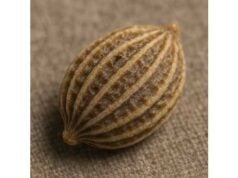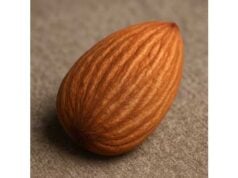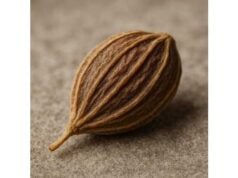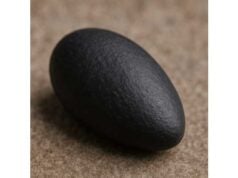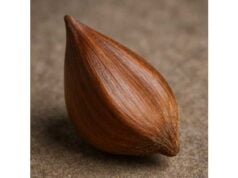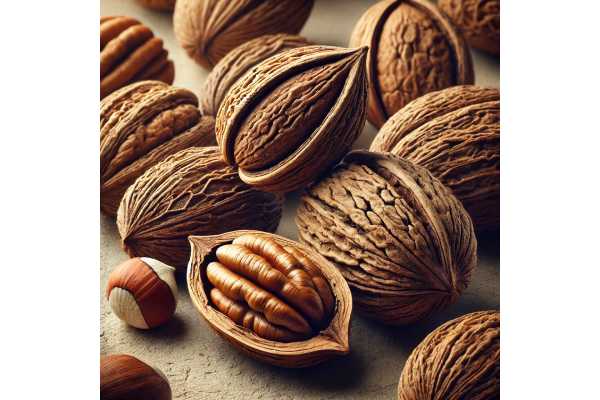
Hickory nuts are a wild-foraged treasure with a buttery, pecan-like flavor and a nutrition profile that rivals better-known tree nuts. They deliver energy-dense calories, heart-friendly unsaturated fats, and a useful mix of minerals—especially manganese, magnesium, copper, and zinc. In the kitchen, they perform like pecans or walnuts: scatter them over oatmeal and salads, fold into quick breads, churn into nut butter, or use as a crunchy finish for roasted vegetables. Most species in the Carya genus produce edible nuts, though shell thickness and flavor vary by species and growing conditions. Because hickory nuts are typically harvested from wild or yard trees rather than intensive orchards, they can be a sustainable addition to a plant-forward pantry. This guide gives you the essentials: how hickory nuts support health, what a robust 100-gram nutrition profile looks like, how to choose and store them, and the safest ways to prepare and enjoy them.
Top Highlights
- A 28–30 g serving provides mostly unsaturated fat (oleic and linoleic) plus magnesium, manganese, copper, and thiamin.
- Tree nut allergen; strict avoidance is required for anyone with confirmed tree nut allergy.
- Typical serving: 30 g (about a small handful), enjoyed 3–7 times per week within calorie needs.
- People with tree nut allergy, phenylketonuria needing strict protein control, or those on very low-fat diets should limit or avoid.
Table of Contents
- Hickory Nuts: What to Know
- Hickory Nuts Nutrition Profile
- Evidence-Based Benefits of Hickory Nuts
- Risks, Allergies and Interactions
- Selecting, Quality, Sustainability and Storage
- Preparation, Cooking and Nutrient Retention
- Portions, Comparisons and FAQs
Hickory Nuts: What to Know
Hickory nuts come from trees in the Carya genus, a group that also includes pecans. In North America, the most commonly foraged species are shagbark (Carya ovata), shellbark (C. laciniosa), pignut (C. glabra), and mockernut (C. tomentosa). Shell hardness and kernel sweetness vary: shagbark is often prized for flavor and decent kernel yield; shellbark’s nut is larger but usually tougher to crack. Unlike many commercial nuts, hickories are not widely cultivated—most nuts people encounter are harvested from wild or yard trees. That means seasonality (typically mid-autumn), variability, and a bit of culinary adventure.
From a nutrition perspective, hickory nuts are calorie-dense like pecans and walnuts. They are dominated by fat, with a large share as heart-friendly monounsaturated (oleic acid) and polyunsaturated (linoleic acid) fatty acids. Protein content sits in the low teens per 100 grams, and carbohydrates are moderate with a modest fiber contribution. Micronutrients are a bright spot: hickory nuts are rich in manganese and provide useful amounts of magnesium, copper, zinc, and phosphorus, with small doses of B-vitamins such as thiamin.
Culinarily, think “pecan substitute with personality.” Lightly toast kernels and use them anywhere you’d use pecans: in streusel toppings, brittle, pralines, granola, or as a garnish for winter soups and grain bowls. Because the flavor is delicate and the oils are unsaturated, they shine when freshly cracked or gently toasted rather than scorched. If you enjoy DIY projects, hickory nut “milk” and hickory nut butter are rewarding, with a flavor somewhere between pecan and walnut.
Finally, a note on supply and sustainability: wild-foraged hickories require no irrigation or fertilizers, and they support local food traditions. The trade-off is effort—finding trees, sorting good nuts from floaters, and cracking the formidable shells. For many, that ritual is part of the appeal and ensures you get the freshest possible kernels.
Hickory Nuts Nutrition Profile
All values per 100 g of dried hickory nuts; %DV based on adult Daily Values.
Values can vary by species, season, and storage; consider these a representative snapshot.
Macros and Electrolytes
| Nutrient | Amount per 100 g | %DV |
|---|---|---|
| Energy | 657 kcal | — |
| Total Fat | 64.4 g | — |
| Saturated Fat | 7.1 g | 36% |
| Monounsaturated Fat | ~33.8 g | — |
| Polyunsaturated Fat | ~22.2 g | — |
| Omega-6 (linoleic) | ~20.9 g | — |
| Omega-3 (ALA, trace) | ~1.1 g | — |
| Carbohydrate | 18.6 g | 7% |
| Total Fiber | 6.4 g | 23% |
| Total Sugars | — | — |
| Protein | 12.9 g | 26% (based on 50 g DV) |
| Sodium | 1 mg | 0% |
| Potassium | 444 mg | 9% |
| Water | ~3% | — |
Minerals
| Mineral | Amount per 100 g | %DV |
|---|---|---|
| Manganese | ~4.6 mg | 200%+ |
| Magnesium | ~175 mg | 42% |
| Copper | ~0.75 mg | 83% |
| Zinc | ~4.3 mg | 39% |
| Phosphorus | ~341 mg | 27% |
| Iron | ~2.1 mg | 12% |
| Calcium | ~62 mg | 5% |
| Selenium | ~8 µg | 15% |
Vitamins
| Vitamin | Amount per 100 g | %DV |
|---|---|---|
| Thiamin (B1) | ~0.89 mg | 74% |
| Riboflavin (B2) | ~0.14 mg | 11% |
| Niacin (B3) | ~0.93 mg | 6% |
| Vitamin B6 | ~0.18 mg | 11% |
| Folate (DFE) | ~41 µg | 10% |
| Vitamin C | ~2 mg | 2% |
| Vitamin E | — | — |
| Vitamin K | — | — |
| Vitamin D | 0 µg | 0% |
Fats and Fatty Acids (detail)
Dominant fatty acids: oleic (18:1, MUFA) and linoleic (18:2, n-6, PUFA). ALA (18:3, n-3) appears in small amounts. The n-6:n-3 ratio is typically high (around 20:1), which is normal for many tree nuts.
Carbohydrates
Starch and sugars are modest; fiber is present but lower than in almonds or pistachios. The overall glycemic impact is low due to the high fat and protein matrix.
Bioactives and Phytonutrients
Hickory nuts contain phytosterols and phenolic compounds common to tree nuts (exact amounts vary and are not consistently quantified in public databases). These contribute to antioxidant capacity and cardiometabolic benefits observed for mixed tree nut intake.
Allergens and Intolerance Markers
Tree nut proteins are common allergens. Individuals with diagnosed tree nut allergy should avoid hickory nuts. Cross-contact in shared facilities is possible in commercial products.
Anti-nutrients
Like other nuts, phytic acid is present and can reduce mineral bioavailability. Soaking and roasting may modestly affect phytic acid, but the overall mineral contribution remains meaningful at typical serving sizes.
Contaminants/Residues
As with other tree nuts, poor post-harvest handling in warm, humid conditions can allow mold growth and aflatoxin formation. Buy fresh, properly dried nuts and store them cool and dry (or frozen) to minimize risk.
Footnote: Data reflect dried kernels without fortification. Nutrient values derive from U.S. reference datasets for “Nuts, hickorynuts, dried,” scaled to 100 g and harmonized to current Daily Values where applicable.
Evidence-Based Benefits of Hickory Nuts
Cardiometabolic support. Hickory nuts share the lipid pattern typical of heart-friendly tree nuts: abundant monounsaturated and polyunsaturated fats with relatively low saturated fat. Controlled feeding trials of nuts show consistent reductions in total and LDL cholesterol and small reductions in triglycerides at intakes around a handful per day. Those lipid effects are clinically meaningful when nuts replace foods high in refined carbohydrates or saturated fat. In long-term cohort studies, higher nut consumption is associated with lower cardiovascular disease incidence and mortality, particularly for coronary heart disease. While most trials pool various nuts (e.g., almonds, walnuts, pistachios, pecans), hickory nuts’ fat profile (oleic and linoleic dominant) fits the pattern linked to improved lipids.
Micronutrient density. Hickory nuts are standouts for manganese, and they meaningfully contribute magnesium, copper, zinc, and phosphorus. Magnesium supports blood pressure regulation and glucose metabolism. Copper and manganese act as enzyme cofactors in antioxidant defenses. Zinc supports immune function and protein synthesis. Thiamin (vitamin B1) contributes to carbohydrate metabolism and normal nerve function. This combination makes hickory nuts a compact way to bolster commonly under-consumed minerals.
Glycemic friendliness. With modest carbohydrate and fiber wrapped in a fat and protein matrix, hickory nuts have a low glycemic effect and can help lower the glycemic load of mixed meals. For people managing post-meal glucose, replacing high-starch snacks with a measured portion of nuts can improve overall meal patterns, even when weight loss is not the primary goal.
Weight management patterns. Despite being energy-dense, nuts are not consistently linked to weight gain in prospective studies. Several mechanisms help: high satiety, some incomplete fat absorption, and compensation at later meals. The key is displacement—using a small handful of hickory nuts in place of less healthful snacks or as a nutrient-dense garnish rather than an add-on.
Inflammation and vascular function. Diets that include nuts often show improvements in inflammatory biomarkers and endothelial function, likely through combined effects of unsaturated fats, arginine (a nitric-oxide precursor), and polyphenols. While specific studies on hickory nuts are limited compared with almonds or walnuts, their composition suggests similar directions of effect within nut-inclusive eating patterns.
Practical takeaways.
- Aim for ~30 g per day as part of a heart-healthy pattern, especially when replacing refined snacks or high-saturated-fat foods.
- Pair with fiber-rich foods (berries, oats, leafy greens) to amplify satiety and micronutrient balance.
- Toast lightly (see Section 6) to enhance flavor without damaging delicate oils.
Risks, Allergies and Interactions
Tree nut allergy. Hickory nuts are tree nuts and can provoke IgE-mediated reactions ranging from oral itching to life-threatening anaphylaxis. Anyone with a diagnosed tree nut allergy must avoid hickory nuts and products containing them. Because hickory nuts are less common commercially, allergen labeling may be less familiar, and cross-contact can occur in facilities that also process other nuts. People with a history of severe reactions should carry epinephrine and an emergency plan.
Choking risk and pediatric use. Whole nuts pose a choking hazard in young children. For toddlers and preschoolers, use thinned nut butters, finely ground nuts mixed into soft foods, or nut “milks” without large particles. Follow current pediatric guidance for introducing allergenic foods in age-appropriate forms when safe to do so and under clinician advice for high-risk children.
Aflatoxins and storage safety. Tree nuts stored warm and damp can harbor molds that produce aflatoxins. Commercial suppliers follow limits and monitoring; home foragers should dry promptly, discard moldy or insect-damaged nuts, and store kernels frozen or refrigerated airtight. Rancidity (oxidized fats) produces off-odors and a bitter taste—discard any kernels that smell paint-like or stale.
Medication and condition considerations.
- Weight management: Hickory nuts are energy-dense. If weight loss is a goal, pre-portion (e.g., 30 g) and use them to replace, not add to, calorie-dense foods.
- Phenylketonuria or protein-restricted plans: While not very high in protein compared with legumes, hickory nuts still contribute amino acids; count them in protein budgets.
- Low-fat therapeutic diets: People on very low-fat diets should limit portions and confirm with their care team.
- Oral allergy syndrome (pollen–food): Cross-reactivity is possible but less described for hickory vs birch–hazelnut; any mouth or throat symptoms warrant medical guidance.
Contaminants and foraging cautions. For wild harvesters, avoid nuts gathered from contaminated soils (roadside shoulders, industrial sites) and respect local prohibitions in protected areas. If you’re unsure of species identification, consult regional foraging references before consumption.
Bottom line. For most people without nut allergy, properly handled hickory nuts are a safe, nutrient-dense food. The main risks relate to allergy, choking in young children, and mishandled storage.
Selecting, Quality, Sustainability and Storage
How to select. If buying in-shell, look for clean, heavy nuts with intact shells and tight seams. Avoid holes (weevil damage), musty odor, or lightweight, rattling nuts. For shelled kernels, choose fresh stock with a creamy beige color and a sweet aroma. Because hickory nuts are less common in grocery stores, local foragers, farmers’ markets, and specialty online sellers are typical sources in autumn.
Foraging tips. Hickory nuts usually drop in early to mid-fall. Best practice is to gather promptly after drop, remove the green husk, and conduct a float test in water: discard floaters, as they often indicate insect damage or empties. Dry nuts in a single layer with good airflow for about a week before long-term storage to reduce moisture and deter pests.
Sustainability perspective. Wild-foraged hickory nuts demand minimal inputs—no irrigation or synthetic fertilizer—and can be a low-impact food when harvested responsibly. Leave some nuts for wildlife, avoid raking leaf litter excessively, and don’t harvest from protected habitats. If purchasing, ask small producers about their drying and storage practices to minimize waste and aflatoxin risk.
Storage and shelf life.
- In-shell: Cool, dry, dark storage extends shelf life to several months.
- Shelled kernels: Because oils are unsaturated, kernels go rancid faster. Refrigerate up to 3 months or freeze up to a year in airtight containers. Exclude air (vacuum-seal or press out air from freezer bags).
- Rancidity check: Smell before use; discard if odors are paint-like or bitter.
- Pest prevention: Freezing newly dried nuts for 48–72 hours can kill insect eggs before pantry storage.
Quality cues in the kitchen. Fresh kernels taste buttery and sweet with a pecan-like aroma. Stale or oxidized nuts taste flat or bitter and can dull baked goods. Toasting should intensify aroma without charring edges; over-toasting yields an acrid flavor and accelerates oxidation.
Buying forms. You’ll find hickory nuts in-shell, shelled halves/pieces, ground meal, and occasionally cold-pressed oil. Oil is very delicate; store it refrigerated and use for finishing, not high-heat frying.
Preparation, Cooking and Nutrient Retention
Cracking and picking. Hickory shells are thick; a heavy-duty nutcracker, small anvil, or a light hammer and towel method works well. Score the seams with gentle taps and pry away shell fragments. For the highest quality kernels, crack at room temperature (very cold kernels shatter) and pick out shell shards diligently.
Quick prep ideas (with technique notes):
- Lightly toasted kernels. Spread kernels on a sheet tray; bake at 150–160 °C (300–325 °F) for 8–12 minutes, shaking once. This dries surface moisture and develops Maillard flavors while limiting oil oxidation. Cool fully before storing.
- Hickory nut butter. Warm toasted kernels slightly, then process in a food processor 4–8 minutes until smooth, scraping as needed. Add a pinch of salt and a neutral oil only if necessary for flow. Store refrigerated; stir before use.
- Hickory “milk.” Simmer 60 g kernels with 500 ml water for 10–15 minutes, rest 10 minutes, then blend and strain. Use in porridge, hot cocoa, or custards. Heat improves extraction but avoid boiling hard, which can scorch flavors.
- Baking. Substitute 1:1 for pecans in quick breads, cookies, and pralines. To protect delicate oils, fold in at the end and avoid over-mixing.
- Savory uses. Pulse into coarse crumbs for a crust on fish or tofu; toss over roasted squash, Brussels sprouts, or farro salads.
Maximizing nutrition retention:
- Gentle heat. Lower-temperature toasting protects unsaturated fats compared with high-heat roasting.
- Limit air and light. Store kernels and flours in opaque, airtight containers to slow oxidation.
- Add antioxidants. Pair with berries, cocoa, or herbs (rosemary, thyme). Phenolic compounds can help stabilize lipids in mixed dishes.
- Mind the grind. Grinding increases surface area and speeds oxidation; make small batches of meal or butter and refrigerate promptly.
Food safety reminders:
- Allergen control. Clean equipment thoroughly if preparing for someone with nut allergies in the household.
- Shelf life after toasting. Toasted nuts stale faster; refrigerate or freeze within a week.
Flavor troubleshooting: Bitter or “painty” flavors indicate rancidity—discard. A hollow crunch can signal over-drying; a chewy texture may mean residual moisture, which also shortens shelf life.
Portions, Comparisons and FAQs
How much is a portion? Most studies and dietary patterns use about 28–30 g (roughly a small handful) daily. That delivers a meaningful dose of unsaturated fat, minerals, and flavor without overwhelming your calorie budget. If you’re highly active or need more calories, two portions (60 g) can fit—balance by reducing other fats or refined snacks.
How do hickory nuts compare to other nuts?
- Pecans: Very similar energy and fat content, with a comparable buttery profile. Hickories often have a slightly higher manganese concentration.
- Walnuts: Higher omega-3 (ALA) than hickories; if you’re targeting ALA, include some walnuts weekly alongside hickories.
- Almonds: Lower calories per 30 g and higher fiber; almonds are useful when you want more crunch and fiber with fewer calories.
- Pistachios: Higher protein and fiber per 30 g; great for snacks where satiety per calorie matters.
Are hickory nuts good for heart health? Yes—used like other tree nuts, they support healthier lipid profiles and cardiometabolic patterns when they replace less nutritious foods. Their fat profile (oleic and linoleic) aligns with the nut intake benefits seen across controlled trials and cohort studies.
Can I eat hickory nuts raw? Yes. Fresh, properly stored raw kernels are safe and flavorful. Many people prefer a light toast for aroma and texture.
Do hickory nuts contain omega-3? Only small amounts of ALA compared with walnuts. If omega-3 intake is a priority, mix your nut choices or add ground flax or chia.
What about the shell and husk? The green husk is inedible; remove and compost it. The woody shell is excellent for smoking foods but avoid inhaling smoke directly and use outdoors.
Who should avoid them? Anyone with tree nut allergy. People on very low-fat diets or with conditions requiring strict calorie control should limit portions and consult clinicians.
How often should I eat them? Three to seven small handfuls per week works well for most people; match frequency to your energy needs and dietary goals.
References
- Nutrition Facts for Dried Hickorynuts 2025 (Data compilation; USDA-sourced).
- Effect of nut consumption on blood lipids: An updated systematic review and meta-analysis of randomized controlled trials 2025 (Systematic Review).
- Nuts and seeds consumption and risk of cardiovascular disease, type 2 diabetes and their risk factors: a systematic review and meta-analysis 2023 (Systematic Review).
- Aflatoxins in food 2020 (Risk assessment topic page).
- Food Allergy 2025 (Official overview and guidance).
Disclaimer
This article is for general education and is not a substitute for personalized medical advice, diagnosis, or treatment. If you have a food allergy, chronic disease, or specific nutrition goals, consult a qualified healthcare professional or registered dietitian before changing your diet. If you suspect an allergic reaction, seek emergency care immediately.
If you found this guide helpful, please consider sharing it on Facebook, X (formerly Twitter), or your favorite platform. Your support helps us continue creating clear, evidence-based nutrition resources.