High blood pressure is common, often quiet, and highly treatable—but it still drives a large share of heart attacks, strokes, kidney disease, and heart failure worldwide. It happens when the force of blood pushing against artery walls stays higher than your body can safely handle. Over time, that extra force injures the lining of blood vessels and makes the heart work harder with every beat. Many people feel completely fine for years, so the most important step is simply knowing your numbers and tracking them correctly. The good news is that small, consistent changes—along with the right medication when needed—can lower blood pressure within weeks and reduce risk in a meaningful way. This guide explains what high blood pressure (hypertension—blood pressure that stays too high) is, why it happens, how to recognize danger signs, and how to manage it day to day.
Table of Contents
- What hypertension does in the body
- What causes high blood pressure?
- Risk factors you can and can’t change
- Symptoms and red-flag emergencies
- How doctors diagnose it accurately
- Medications and procedures that help
- Daily management, prevention, follow-up
What hypertension does in the body
Blood pressure is the pressure inside your arteries as your heart pumps. A normal reading has two numbers: systolic (top, pressure when the heart squeezes) and diastolic (bottom, pressure when the heart relaxes). When blood pressure stays high, the damage is less like a sudden “blowout” and more like repeated wear on plumbing—tiny injuries, day after day, in places you can’t see.
Here’s what persistent high pressure does over time:
- Arteries stiffen and narrow. The vessel lining becomes less flexible, and cholesterol-rich plaque builds more easily. This raises the risk of heart attack, stroke, and poor circulation in the legs.
- The heart thickens. To push against higher pressure, the heart muscle (especially the left ventricle) can grow thicker. That may sound strong, but a thickened heart often becomes stiff, which can lead to heart failure and abnormal rhythms.
- Kidneys lose filtering power. High pressure damages the delicate blood vessels that filter waste. This can cause protein in the urine, swelling, and gradual kidney decline.
- Brain and eyes are affected. Small vessel injury raises the risk of memory problems, stroke, and vision loss.
A key practical point: risk rises on a continuum. Even readings that are only modestly above ideal—especially when paired with diabetes, smoking, high cholesterol, sleep apnea, or kidney disease—can meaningfully increase long-term risk. That’s why many clinicians focus on early detection, accurate home readings, and steady control rather than waiting for symptoms.
What causes high blood pressure?
High blood pressure usually develops from a mix of biology and environment, not a single cause. Clinicians often group it into two categories because the workup and treatment approach can differ.
Primary (essential) hypertension
This is the most common pattern. Blood pressure rises gradually over years due to combined effects such as:
- Artery stiffness with age (and sometimes earlier with smoking, high blood sugar, or chronic inflammation)
- Salt sensitivity (some people’s blood pressure rises more sharply with sodium)
- Overactive stress hormones (the body holds onto salt and tightens blood vessels more than it should)
- Weight-related changes that raise insulin resistance and activate systems that increase pressure
- Low physical activity, poor sleep, and chronic stress, which shift the body toward higher resting pressure
Primary hypertension does not mean “no reason”—it means the reason is multifactorial and not due to one fixable disease.
Secondary hypertension (a specific underlying cause)
In a smaller but important group, high blood pressure is driven by another condition or medication. Clues include sudden onset, severe readings, difficult-to-control pressure on several medications, or onset at a younger age.
Common secondary causes include:
- Kidney disease and narrowing of kidney arteries
- Hormone conditions such as excess aldosterone, thyroid disease, or adrenal hormone surges
- Obstructive sleep apnea, especially with loud snoring and daytime sleepiness
- Medications and substances, including NSAID pain relievers (in some people), steroids, decongestants, stimulants, certain antidepressants, estrogen-containing contraceptives, nicotine, and heavy alcohol intake
Because secondary causes can be treatable, diagnosis is not just about labeling the problem—it’s about choosing the right tests for your pattern and risk profile.
Risk factors you can and can’t change
Some influences on blood pressure are built in, but many are adjustable. The most useful way to think about risk factors is: what pushes your baseline up, and what makes spikes more likely.
Risk factors you can’t change
- Age: Blood vessels generally stiffen over time.
- Family history: Genetics can affect salt handling, vessel tone, and hormone signals.
- Sex and life stage: Risk patterns differ across the lifespan; pregnancy and menopause can shift blood pressure.
- Ethnicity and ancestry: Some groups have higher rates of hypertension and complications, often due to combined genetic, environmental, and access-to-care factors.
These factors don’t determine your fate, but they change how early you should start screening and how aggressively you may benefit from control.
Risk factors you can change (the high-impact list)
- Body weight and waist size: Excess body fat increases hormone and nerve signals that raise pressure. Even a 5–10% weight reduction can lower blood pressure for many people.
- High sodium intake: Many people consume far more than their body needs, often from packaged foods and restaurant meals rather than the salt shaker.
- Low potassium intake: Potassium-rich foods (when safe for your kidneys) can blunt sodium’s effect.
- Inactivity: Regular movement helps blood vessels relax and improves insulin sensitivity.
- Alcohol: Regular heavy intake raises blood pressure and weakens medication effects.
- Sleep quality: Poor sleep and sleep apnea can keep blood pressure elevated around the clock.
- Smoking and nicotine: Nicotine causes vessel tightening and damages the artery lining.
- Chronic stress: Stress alone isn’t the whole story, but constant “high alert” living can amplify spikes and reduce recovery.
A practical insight: the most powerful “risk factor” is often not knowing your true average. Many people have normal readings at the clinic but higher numbers at home (masked hypertension), while others have the opposite (white-coat effect). That’s why accurate, repeated measurement is a risk factor you can actively control.
Symptoms and red-flag emergencies
Most people with high blood pressure have no symptoms, even when readings are high. That’s why it’s sometimes called a “silent” condition. Headaches, dizziness, or flushing can happen, but they are not reliable markers of whether your pressure is high on a given day.
That said, high blood pressure can still show itself indirectly—especially when it has been uncontrolled for a long time. Possible clues include:
- Shortness of breath with activity (heart strain)
- Chest tightness (especially with exertion)
- Reduced exercise tolerance or unusual fatigue
- Swelling in ankles/feet (heart or kidney stress)
- Vision changes (blood vessel changes in the eye)
- Frequent nighttime urination (can be associated with sleep apnea or fluid balance issues)
Red flags: when to treat this as urgent
A very high number alone is not always an emergency, but very high blood pressure plus symptoms can signal organ injury. Seek emergency care immediately for any of the following:
- Stroke warning signs: face droop, arm weakness, speech trouble, sudden confusion, sudden severe imbalance
- Chest pain, pressure, or pain radiating to arm/jaw/back
- Severe shortness of breath, fainting, or bluish lips
- Sudden severe headache that is unusual for you, especially with confusion, stiff neck, or vision changes
- New severe weakness, numbness, or one-sided symptoms
- Seizure or loss of consciousness
- Severe pregnancy-related symptoms such as intense headache, vision changes, or upper abdominal pain
If you measure a very high reading at home, the safest sequence is:
- Sit quietly for 5 minutes and recheck.
- If still very high and you have any red-flag symptom, seek emergency care.
- If you feel well, contact your clinician promptly the same day for guidance—do not “chase” the number with extra doses unless instructed.
How doctors diagnose it accurately
Diagnosis starts with proper measurement—because a rushed or incorrect reading can misclassify you. In many settings, hypertension is diagnosed when repeated clinic readings are at or above a threshold (often 140/90 mm Hg), but some guidelines use lower cutoffs (such as 130/80) for staging and treatment decisions. Your clinician may use both: one to confirm the diagnosis and another to guide how aggressively to manage risk.
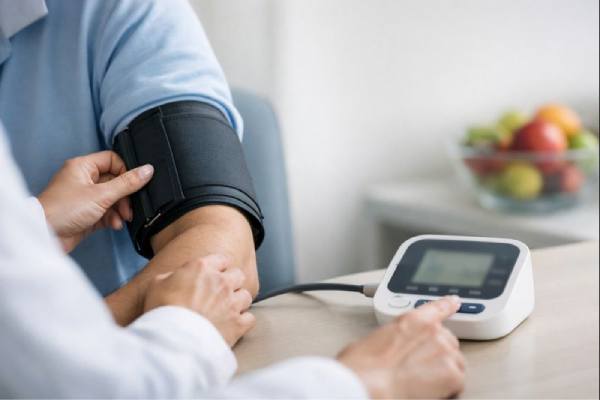
What accurate measurement looks like
To get a reliable reading, clinicians aim for:
- Seated position, back supported, feet flat, legs uncrossed
- Arm supported at heart level
- Correct cuff size (too small can falsely raise readings)
- No nicotine, caffeine, or exercise in the 30 minutes beforehand (when possible)
- Multiple readings, spaced by 1–2 minutes, averaged
Confirming the “true” blood pressure
Because blood pressure varies, confirmation often includes one or both of these:
- Home blood pressure monitoring: Typically two readings in the morning and two in the evening for at least 3–7 days, using an upper-arm cuff. Many clinicians average the last several days to estimate your baseline.
- 24-hour ambulatory monitoring: A device measures blood pressure through the day and night. This can detect white-coat effect, masked hypertension, and whether pressure stays high during sleep (a higher-risk pattern).
Looking for causes and damage
Initial evaluation often includes:
- Basic blood and urine tests (kidney function, electrolytes, glucose, cholesterol, urine protein)
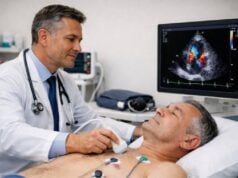
- An ECG (and sometimes an echocardiogram) to assess heart strain
- Eye exam when indicated
- Review of medications, supplements, alcohol, and sleep symptoms
If secondary hypertension is suspected, targeted tests may follow (for example, hormone testing or kidney artery imaging). The goal is to avoid “over-testing” most people while not missing treatable drivers in those with warning patterns.
Medications and procedures that help
Treatment is usually a combination of lifestyle steps plus medication when blood pressure remains above goal or overall cardiovascular risk is high. Many people worry that starting medication means they’ve “failed.” A better frame is this: medication reduces pressure in the same way glasses correct vision—by assisting a system that is under strain.
First-line medication options
Common first choices (often used alone or in combinations) include:
- Thiazide-like diuretics (help the body release sodium and water). Example: chlorthalidone 12.5–25 mg daily in many adults.
- ACE inhibitors or ARBs (relax blood vessels and protect kidneys in many patients). These are not used together. They may require monitoring of potassium and kidney function.
- Calcium channel blockers (relax blood vessel muscle). Often effective across age groups.
Many people reach goal faster with two low-dose medications rather than one high-dose medication, because side effects often rise with dose. Combination pills can also improve consistency.
When blood pressure is hard to control
If blood pressure stays high despite three medications (including a diuretic), clinicians evaluate for:
- Measurement issues (cuff size, technique)
- Missed doses, cost barriers, side effects
- High sodium intake, alcohol, or interfering medications
- Secondary causes (sleep apnea, kidney disease, hormone conditions)
A common add-on medication for resistant hypertension is a mineralocorticoid receptor blocker (for example, spironolactone), chosen carefully based on kidney function and potassium.
Procedures and special situations
Most people do not need procedures for hypertension itself, but they may need treatment for related issues:
- Kidney artery narrowing may be managed with medication, and selected cases may need procedures.
- Pregnancy requires specific medication choices; some common drugs are unsafe in pregnancy.
- Hypertensive emergencies (very high pressure with organ injury) require hospital treatment with IV medications and careful monitoring.
The “best” treatment is the one you can take consistently, tolerate well, and afford—while keeping your blood pressure at a level that lowers long-term risk.
Daily management, prevention, follow-up
Long-term control comes from a plan that is simple enough to live with. Think in terms of small daily actions that keep your average down, not occasional big efforts.
Home monitoring that actually helps
A practical routine many clinicians recommend:
- Measure at the same times (often morning and evening).
- Take two readings, 1 minute apart, and record the average.
- Track for 7 days before appointments or after medication changes.
- Bring your device to the clinic once to confirm it matches office readings.
Avoid checking repeatedly when anxious—this can turn monitoring into stress.
Lifestyle steps with the strongest evidence
These changes tend to lower blood pressure the most when done consistently:
- Reduce sodium: Aim for roughly 1,500–2,000 mg sodium/day when feasible, especially if salt-sensitive. The biggest wins come from cutting packaged foods, sauces, and restaurant meals.
- Follow a DASH-style pattern: More vegetables, fruits, beans, nuts, and low-fat dairy; less processed meat and refined carbs.
- Move weekly: Target 150 minutes/week of moderate activity plus 2 strength sessions. Even brisk walking counts.
- Limit alcohol: Up to 1 drink/day for women and 2 drinks/day for men is a common upper limit; less is often better for blood pressure.
- Improve sleep: Aim for 7–9 hours. If you snore loudly or feel unrefreshed, ask about sleep apnea testing.
- Stop smoking and nicotine: This reduces artery injury and improves overall cardiovascular risk beyond blood pressure alone.
Follow-up and staying on track
Blood pressure often improves within 2–4 weeks after medication adjustments, so follow-up is usually closer at first, then spaced out once stable. Contact your clinician if you develop:
- dizziness or fainting
- swelling, cough (with some medications), muscle cramps, or new fatigue
- home readings that are consistently much lower or higher than usual
Prevention is lifelong: keeping blood pressure controlled protects the brain, heart, kidneys, and eyes—often without you feeling any different day to day. That “nothing changed” feeling is usually a sign the plan is working.
References
- 2024 ESC Guidelines for the management of elevated blood pressure and hypertension 2024 (Guideline)
- 2023 ESH Guidelines for the management of arterial hypertension The Task Force for the management of arterial hypertension of the European Society of Hypertension: Endorsed by the International Society of Hypertension (ISH) and the European Renal Association (ERA) 2023 (Guideline)
- 2024 European Society of Hypertension clinical practice guidelines for the management of arterial hypertension 2024 (Guideline)
- Guideline for the pharmacological treatment of hypertension in adults 2021 (Guideline)
- 2025 AHA/ACC/AANP/AAPA/ABC/ACCP/ACPM/AGS/AMA/ASPC/NMA/PCNA/SGIM Guideline for the Prevention, Detection, Evaluation and Management of High Blood Pressure in Adults: A Report of the American College of Cardiology/American Heart Association Joint Committee on Clinical Practice Guidelines 2025 (Guideline)
Disclaimer
This article is for general educational purposes and does not replace personalized medical advice, diagnosis, or treatment. Blood pressure targets and medication choices can differ based on age, pregnancy status, kidney function, diabetes, cardiovascular history, and the medicines you already take. If you have very high readings, new neurologic symptoms, chest pain, severe shortness of breath, or a sudden severe headache, seek urgent medical care.
If you found this guide helpful, please share it on Facebook, X (formerly Twitter), or any platform you prefer, and follow us on social media. Your support through sharing helps our team keep producing reliable, practical health content.