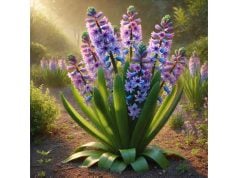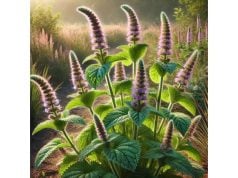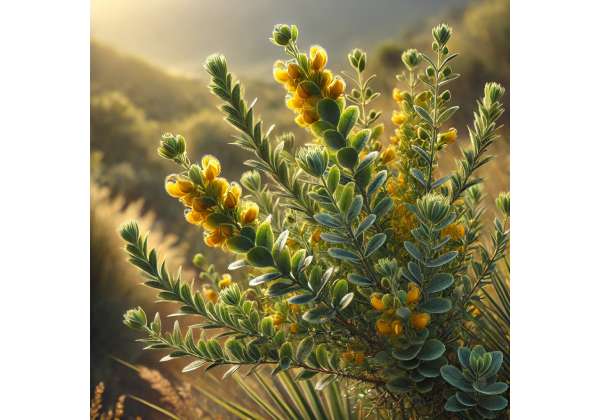
Honeybush, made from Cyclopia intermedia, is a naturally sweet South African herbal tea that has moved from regional tradition to global wellness shelves without losing its roots. Unlike black or green tea, it is naturally caffeine-free and low in tannins, which helps explain why many people find it smooth, easy to drink, and suitable in the evening. Its deeper appeal, though, lies in its chemistry. Honeybush contains xanthones, flavanones, isoflavones, and related polyphenols such as mangiferin, isomangiferin, hesperidin, and formononetin, compounds that have drawn attention for antioxidant, skin-supportive, and metabolic effects.
That makes honeybush more than a pleasant tisane, but it does not make it a proven treatment. Most of the strongest claims still come from laboratory and animal research, while human evidence remains limited. One notable clinical study used a fermented honeybush extract for skin aging, but there is still no standard medicinal dose for everyday tea use. The most practical way to understand honeybush is as a gentle, polyphenol-rich herbal drink with promising research and realistic limits.
Quick Overview
- Honeybush is a caffeine-free, low-tannin herbal tea rich in xanthones and flavanones.
- Research suggests antioxidant, skin-supportive, and metabolic benefits, but most evidence is still preclinical.
- One human extract study used 400 to 800 mg daily for 12 weeks, while ordinary tea has no standardized medical dose.
- Avoid concentrated extracts without guidance during pregnancy, breastfeeding, or when managing blood sugar or fertility concerns.
Table of Contents
- What Is Honeybush
- Key Compounds and Actions
- What Honeybush May Help
- How Honeybush Is Used
- How Much Honeybush Per Day
- Safety and Interactions
- What the Research Shows
What Is Honeybush
Honeybush is the common name for several Cyclopia species native to South Africa, but Cyclopia intermedia is one of the best known and most commercially important. The plant grows mainly in the mountainous regions of the Western and Eastern Cape, where it has been harvested for generations to make a fragrant herbal infusion with a naturally honey-like aroma. That aroma is not just branding. It is one of the plant’s defining sensory traits and one reason the tea remains popular even among people who are not especially interested in herbal medicine.
In practical terms, honeybush sits in an interesting category. It is often treated like tea, but botanically it is not tea in the Camellia sinensis sense. It is a herbal tisane, closer in daily use to rooibos as a South African herbal tea than to black or green tea. That matters because it changes what readers should expect. Honeybush does not bring caffeine, a strong astringent bite, or the same catechin profile as green tea. Instead, it offers a softer cup, lower tannin load, and a different set of plant compounds.
Traditionally, honeybush has been used as:
- A warming, restorative drink
- A soothing household tea for coughs and chest complaints
- A gentle beverage during colds and catarrh
- A pleasant everyday tisane with less bitterness than standard tea
Modern interest has added new layers to that older picture. Today, honeybush is studied not just as a drink, but as a source of polyphenol-rich extracts for nutraceutical and skin-care applications. That shift is important. The same plant can function as an ordinary beverage, a food ingredient, and a research extract, but those are not interchangeable forms.
A second distinction also matters: fermented versus unfermented honeybush. Traditional commercial honeybush is usually fermented, more accurately oxidized, which deepens its color and creates the sweet red-brown cup many people recognize. Green, unfermented honeybush keeps a lighter profile and often retains more of certain phenolic compounds. This difference affects taste, aroma, and likely some aspects of biological activity.
So what should readers keep in mind from the start? Honeybush is not best understood as a strong medicinal herb first and a beverage second. It is both at once. Its everyday appeal comes from flavor and ease of drinking. Its health interest comes from a specific and unusually diverse polyphenol profile. That dual identity is part of what makes it valuable and part of what makes it easy to misunderstand.
Key Compounds and Actions
The key ingridients in honeybush are not vitamins or stimulants. They are mostly polyphenols, especially xanthones, flavanones, isoflavones, and related plant compounds that help explain the tea’s antioxidant and bioactive profile.
Among the best-known compounds reported in Cyclopia intermedia are:
- Mangiferin
- Isomangiferin
- Hesperidin
- Hesperetin
- Naringenin
- Luteolin
- Formononetin
- Calycosin
- Medicagol
- Pinitol
This is one of the reasons honeybush keeps appearing in research. It is chemically richer than many people assume a mild-tasting herbal tea would be.
A useful way to understand these compounds is by group.
Xanthones
Mangiferin and isomangiferin are the star names here. Mangiferin, in particular, is often discussed because it appears repeatedly in studies on oxidative stress and metabolic pathways. It is not unique to honeybush, but honeybush is one of the better-known dietary sources.
Flavanones
Hesperidin, hesperetin, narirutin, and naringenin belong in this category. These compounds are often associated with antioxidant, vascular, and metabolic effects. They are also part of why honeybush is sometimes discussed alongside citrus polyphenols, even though it is not a citrus plant.
Isoflavones and related compounds
Formononetin and calycosin give honeybush a slightly different profile from many familiar teas. These compounds help explain why some researchers have taken interest in honeybush for skin, hormone-related, and broader signaling effects, though the human evidence remains limited.
Other phenolics and sugar-linked compounds
These likely contribute to both the flavor and the biological activity of the tea, especially when the plant is consumed as an infusion rather than as a purified extract.
From a practical perspective, honeybush appears to have four main action patterns.
- Antioxidant activity
This is the most consistent theme. Honeybush extracts and infusions repeatedly show free-radical scavenging potential and phenolic-rich protection in experimental models. - Metabolic signaling
Certain extracts and fractions of C. intermedia have shown effects on fat metabolism, thermogenesis, and glucose handling in preclinical studies. - Skin-supportive activity
This is one of the few areas where honeybush has moved beyond lab work into a human trial, though with a specific fermented extract rather than ordinary tea. - Mild beverage-level suitability
Because the tea is caffeine-free and low in tannins, people often tolerate it well and can drink it in settings where a harsher tea may feel less comfortable.
One subtle but important insight is that processing changes the chemistry. Fermentation develops the familiar aroma and color, but it can also reduce some phenolic intensity. In that respect, honeybush behaves more like a processed herbal beverage than a fixed chemical entity. That is why discussions of honeybush can sound inconsistent. One paper may be talking about fermented tea, another about green honeybush, and another about a polyphenol-enriched fraction. Those are related, but not identical.
If readers want a broad point of comparison, honeybush belongs with polyphenol-rich tea traditions, but it reaches that category by a very different chemical route.
What Honeybush May Help
Honeybush has several plausible and partly supported benefit areas, but the level of confidence differs sharply from one claim to another. The biggest mistake is to treat all claims as equally proven. They are not.
The clearest everyday benefit is as a gentle antioxidant-rich beverage. This does not mean a cup of honeybush will produce measurable medical effects right away. It means the tea offers a low-caffeine, low-tannin, polyphenol-containing alternative to standard tea, and that makes it attractive for people who want a softer daily drink.
The strongest targeted evidence in humans is skin support. A randomized, double-blinded, placebo-controlled study used a fermented honeybush extract at 400 mg or 800 mg daily for 12 weeks and found improvements in wrinkle grade, skin hydration, elasticity, and transepidermal water loss. That is meaningful, but it must be kept in proportion. It supports a specific fermented extract in a skin-aging context. It does not prove that ordinary brewed tea will do the same thing.
The next likely area is metabolic support, especially in preclinical settings. Animal and cell studies suggest that honeybush extracts may affect fat metabolism, thermogenesis, and glucose regulation. Some of this interest centers on mangiferin, hesperidin, and related compounds. These findings are promising, but they do not justify presenting honeybush as a proven weight-loss or diabetes remedy.
Traditional use points to a third area: chest and cold comfort. Honeybush has long been used as a soothing tisane for coughs, catarrh, and general respiratory discomfort. In practical life, that makes sense. A warm, mildly sweet, aromatic herbal infusion can be comforting when someone is congested or under the weather. But comfort is not the same as treatment, and it should not replace medical care for pneumonia, asthma flares, or persistent symptoms.
A fourth area is digestive ease and beverage tolerance. Because honeybush is naturally caffeine-free and relatively low in tannins, many people experience it as easier on the stomach and nervous system than black tea or even some green teas. That is a real practical benefit, though it is more about tolerability than about a disease-specific action.
A realistic benefit map looks like this:
Most plausible
- A gentler daily tea option
- Antioxidant intake through a palatable herbal beverage
- Comfort during colds or throat irritation
- Skin-support potential from specific fermented extracts
Possible but not established
- Metabolic support
- Better glucose handling
- Mild support for oxidative stress and inflammation markers
- Adjunctive support in wellness routines
Not established
- Reliable weight-loss effects in humans
- Proven diabetes treatment
- Broad hormone-balancing claims
- Cancer treatment or prevention
That middle ground is where honeybush is most useful. It is not merely a flavored drink, and it is not a miracle tea. Readers who already enjoy caffeine-free infusions may find it especially appealing alongside other gentle evening herbal teas, but its real advantage is that it combines pleasant daily use with a better-than-average phytochemical story.
How Honeybush Is Used
Most people encounter honeybush as a tea, and that is still the most sensible place to begin. But the herb now appears in more forms than many readers realize, and each form implies a different goal.
1. Fermented tea
This is the classic red-brown honeybush found in shops. Fermentation, more precisely oxidation, creates the sweet aroma, deeper color, and mellow flavor associated with the drink. It is the form most linked to traditional daily use.
2. Green or unfermented honeybush
This version is lighter in taste and usually more phenolically intact. It is often favored in research or specialty markets where people want higher retention of certain plant compounds.
3. Extracts and polyphenol-enriched fractions
These are not ordinary teas. They are concentrated preparations used in supplement, research, and cosmetic settings. Once honeybush is taken into extract form, the conversation shifts from food-like use to targeted dosing.
4. Skin-care and beauty applications
Honeybush extracts now appear in anti-aging and barrier-support products, largely because of the skin-focused trial on fermented extract and the tea’s antioxidant profile.
5. Culinary and beverage use
Honeybush can also be used in iced teas, flavored blends, syrups, and dessert applications because its natural sweetness carries well without much bitterness.
For everyday household use, the most practical route is still tea. A basic infusion is enough for most people, and the evidence does not really support starting with capsules or extracts unless there is a specific reason. Honeybush tends to reward this slower approach. It is a drink first, a supplement second.
A few use patterns make sense:
- As a morning or evening caffeine-free tea
- As a warm drink during colds or sore-throat days
- As an alternative to sweeter flavored herbal teas
- As part of a rotating herbal tea routine
A few use patterns make less sense:
- Treating it like a precise medicine when using ordinary tea bags
- Swapping tea directly for a concentrated extract and expecting the same effect
- Assuming that “more cups” will reproduce extract-study results
- Using it as a substitute for diabetes, skin, or respiratory care
One useful detail from recent sensory work is that brewing water quality matters more than many people expect. High-mineral or high-pH water can noticeably alter flavor and may reduce the concentration of some key phenolics in the cup. In simple terms, honeybush usually tastes best and behaves most like a good-quality herbal tea when brewed in fairly clean, low-mineral water.
That makes the herb more craft-sensitive than it first appears. A poor brew can taste flatter, darker, and less characteristically sweet. A better brew preserves the plant’s soft floral, fruity, and woody character. Readers used to working with herbal tea quality may notice that honeybush behaves more like a premium tisane than a rough medicinal decoction. In that sense, it sits naturally beside other drinkable digestive and comfort herbs, even though its chemistry is quite different.
How Much Honeybush Per Day
There is no standardized medicinal dose for ordinary honeybush tea. That is the most important fact in this section. Honeybush is widely consumed as a beverage, but the research does not support one clear, evidence-based daily amount for every goal.
What we can say with more confidence is this:
For tea preparation
Recent honeybush infusion research used what it called “cup-of-tea strength,” prepared by pouring 1 kg of freshly boiled water over 12.5 g of leaves and infusing for 5 minutes. That works out to about:
- 1.25 g per 100 mL, or
- roughly 3 g per 240 mL cup
In household terms, that is close to many ordinary loose-leaf tea preparations.
For extract use
The best-known human trial of fermented Cyclopia intermedia extract used:
- 400 mg daily, or
- 800 mg daily
for 12 weeks in a skin-aging study.
That does not create a universal dose for all honeybush products. It only tells us what was tested in one specific extract form.
A practical hierarchy works better than pretending the herb has one settled dose.
- Tea is the default form.
For most readers, 1 to 3 cups a day is a reasonable beverage pattern when tolerated well. - Extracts should be treated separately from tea.
A 400 to 800 mg extract dose is not comparable to a few cups of brewed honeybush. - More is not automatically better.
One rat study using a 4 percent fermented honeybush infusion as the animals’ only drinking fluid for 7 weeks raised questions about sperm motility and morphology. That does not prove harm in people drinking normal tea, but it is a good reason not to assume unlimited intake is wise. - Use the product form as intended.
Tea bags are for tea. Polyphenol concentrates are for carefully labeled supplement use. Cosmetic extracts are not food.
Timing depends on the goal. For ordinary enjoyment, honeybush can be taken any time of day because it is caffeine-free. For skin-support or supplement-like use, product directions matter more than any traditional timing rule. For a warm soothing drink, evenings often make practical sense.
One subtle point is worth keeping in mind: beverage use and therapeutic use overlap, but they are not the same. A tea can be part of a health-supportive routine without functioning like a drug. Honeybush is a good example of that middle ground. It may deserve a place in daily wellness, but that place is usually modest. If readers want standardized, high-dose plant actives, they are moving closer to the world of concentrated tea extracts than to ordinary tisanes, and the safety expectations should rise accordingly.
Safety and Interactions
For most healthy adults, honeybush tea appears to be well tolerated as a beverage. That is an important distinction. The ordinary tisane and a concentrated extract do not carry the same level of certainty or the same level of risk.
At tea-strength intake, the most likely issues are mild:
- occasional stomach upset
- flavor intolerance
- rare sensitivity reactions
- very infrequent digestive looseness if taken in excess
The bigger safety questions start to appear when honeybush is used as a concentrated extract or consumed heavily over time. Here the evidence is thinner and more mixed.
A few practical safety points stand out.
Pregnancy and breastfeeding
There is not enough strong human evidence to recommend concentrated honeybush extracts in pregnancy or breastfeeding. Ordinary food-level tea use is probably lower risk than extracts, but caution is still reasonable because the plant contains bioactive polyphenols, including isoflavone-type compounds.
Blood sugar and metabolic conditions
Preclinical work suggests honeybush may influence glucose and fat metabolism. That sounds positive, but it also means people taking glucose-lowering medication should not assume the herb is completely inert. In these settings, “natural” does not mean interaction-free.
Hormone-sensitive or fertility-related concerns
Honeybush contains some phytoactive compounds, and one rat study raised concerns about sperm parameters after high, long-term infusion exposure. That does not prove fertility harm in humans drinking normal tea, but it does support moderation, especially with concentrated products and especially for people who are actively trying to conceive.
Skin and cosmetic use
In the clinical skin study, fermented extract was well tolerated for 12 weeks, which is reassuring. Still, topical formulas can vary, and people with sensitive skin should test new products carefully.
General medication use
There is not enough direct interaction research to list a precise interaction chart. That uncertainty itself is a reason for caution with high-dose extracts if someone is taking multiple prescriptions.
A balanced safety summary looks like this:
Likely low concern
- ordinary tea use in moderate amounts
- occasional daily use as a caffeine-free beverage
- short-term use in a normal dietary pattern
Needs more caution
- concentrated extracts
- long-term heavy intake
- use during pregnancy or breastfeeding
- use alongside blood sugar medication
- use by people worried about reproductive health
Another subtle safety issue is quality. Honeybush products vary by species, fermentation method, harvest quality, and water used in preparation. A lightly brewed tisane and a strong commercial extract can differ more than consumers expect. That means product identity matters. A well-sourced beverage herb is one thing. A vague “honeybush antioxidant supplement” is another.
For readers who mainly want a reliable, gentle skin herb rather than a beverage-based polyphenol source, calendula for topical support is a more established example of a plant where the route of use is clearer.
What the Research Shows
Honeybush has a stronger research profile than many herbal teas, but it still has a weak clinical profile compared with established therapeutic botanicals. Both parts of that sentence matter.
The strongest areas of evidence are:
- detailed phytochemical characterization
- antioxidant and mechanistic studies
- animal work on metabolic pathways
- one human trial on a fermented extract for skin aging
- growing knowledge about how processing and brewing affect the final infusion
That means honeybush is not just a traditional drink with vague health folklore. Scientists know a great deal about its major compounds, how those compounds shift with processing, and which experimental pathways they may affect.
What remains limited is just as important:
- few human trials
- no standardized medicinal dose for tea
- limited interaction research
- incomplete long-term safety data
- uncertain translation from extract studies to ordinary drinking habits
This is where many articles go wrong. They take the plant’s interesting chemistry and talk as if that chemistry were already proven in people. Honeybush deserves better than that. Its real value lies in being a credible functional tisane, not in being oversold as a cure.
A fair interpretation of the evidence looks like this.
Well supported
- Honeybush contains mangiferin, isomangiferin, hesperidin, and a wide range of other polyphenols.
- It is naturally caffeine-free and low in tannins.
- It can be brewed into a phenolic-rich herbal infusion.
- A fermented extract has shown skin-aging benefits in one human study.
Promising but still preclinical
- anti-obesity signaling
- glucose and lipid support
- broad anti-inflammatory outcomes
- targeted antioxidant protection beyond ordinary beverage use
Not yet established
- routine therapeutic use for diabetes
- standardized extract recommendations for the general public
- strong claims about hormonal balance
- long-term high-dose safety
One original way to think about honeybush is that it works best when readers respect its three layers at once. It is a pleasant beverage, a chemically active plant, and a still-developing research subject. Problems arise when one layer is mistaken for the whole picture. If someone treats it as “just tea,” they may miss why it interests researchers. If they treat it as “basically medicine,” they may overstep the human evidence.
So where does honeybush fit most realistically? It fits well as:
- a daily caffeine-free tisane
- a polyphenol-conscious beverage choice
- a gentle complement to wellness routines
- a plant worthy of more clinical research
It fits poorly as:
- a substitute for metabolic treatment
- a guaranteed skin solution in tea form
- a casually self-dosed high-potency supplement
- a cure-all antioxidant product
That balanced conclusion is not a limitation. It is the most useful answer. Honeybush is interesting precisely because it is both enjoyable and promising. The best use of the current evidence is to enjoy the tea for what it clearly offers, stay curious about the stronger extract research, and avoid pretending that a sweet cup automatically equals a proven therapy.
References
- The Sensory and Physicochemical Properties of Honeybush Tea Depend on the Brewing Water: A Preliminary Study 2025
- Cyclopia intermedia (Honeybush) Induces Uncoupling Protein 1 and Peroxisome Proliferator-Activated Receptor Alpha Expression in Obese Diabetic Female db/db Mice 2023
- The effect of Aspalathin linearis, Cyclopia intermedia and Sutherlandia frutescene on sperm functional parameters of healthy male wistar rats 2023
- Protective effects of fermented honeybush (Cyclopia intermedia) extract (HU-018) against skin aging: a randomized, double-blinded, placebo-controlled study 2018 (RCT)
- Phenolic Compounds from Cyclopia intermedia (Honeybush Tea). 1 1998
Disclaimer
This article is for educational purposes only and does not diagnose, treat, or replace medical advice. Honeybush is a traditional herbal tea with promising phytochemical and preclinical research, but it does not have a standardized medicinal dose for ordinary tea use and most claimed benefits are not yet confirmed in large human trials. Do not use honeybush extracts as a substitute for treatment for diabetes, skin disease, fertility concerns, or any chronic medical condition. Speak with a qualified healthcare professional before using concentrated products, especially if you are pregnant, breastfeeding, taking prescription medicines, or managing blood sugar or hormone-related conditions.
If this article helped you, please share it on Facebook, X, or any platform where readers who enjoy evidence-aware herbal content may find it useful.